S. 2795: Funding for Aviation Screeners and Threat Elimination Restoration Act
The Funding for Aviation Screeners and Threat Elimination Restoration Act (FASTER Act) proposes to modify how aviation security fees collected from passengers are used. Here is a breakdown of the key elements of the bill:
Key Changes Proposed
- Abolishing Offsetting Requirement: The bill seeks to remove a requirement that previously mandated a portion of the aviation security fees to be credited as offsetting receipts, which means they would be funneled into the general fund of the Treasury.
- Direct Funding for Aviation Security: The fees collected from passengers would be deposited into a separate account within the Treasury, specifically for aviation security costs. This aims to ensure that the collected fees are used exclusively to pay for activities and services related to aviation security screening.
- Availability of Funds: The funds in this separate account would be available for expenditure without the restrictions typically imposed by other laws, which could streamline access to these funds for urgent aviation security needs.
Rationale Behind the Bill
The bill is introduced in response to the need for more reliable funding for aviation security, especially given the increasing demands and challenges in ensuring passenger safety in air travel. By reallocating the use of these fees, the bill aims to enhance the effectiveness of security operations at airports.
Long-term Objectives
- Enhancing Security Infrastructure: The reallocation of fees could lead to improvements in security technologies and processes.
- Strengthening Response Capabilities: Ensuring immediate access to funds aimed exclusively at aviation security could enhance the ability of the TSA (Transportation Security Administration) to respond to threats swiftly.
- Promoting Accountability: By guaranteeing that the fees are spent solely on aviation security, the bill could help foster trust among the public regarding how their fees are utilized.
Financial Implications
Shifting the collected aviation security fees into a dedicated account could potentially alter budgeting processes within the federal government, as these funds would be earmarked specifically for aviation security rather than contributing to the general budget. This may also influence how the TSA plans its future operations and initiatives.
Relevant Companies
- AAL - American Airlines Group: The changes in funding for aviation security may impact operational costs at airports serviced by the airline.
- DAL - Delta Air Lines: Improvements or requirements in aviation security could influence overall operational logistics and airport interaction.
- UAL - United Airlines Holdings: A shift in funding for security could affect how the airline allocates its budget towards compliance and security procedures.
This is an AI-generated summary of the bill text. There may be mistakes.
Sponsors
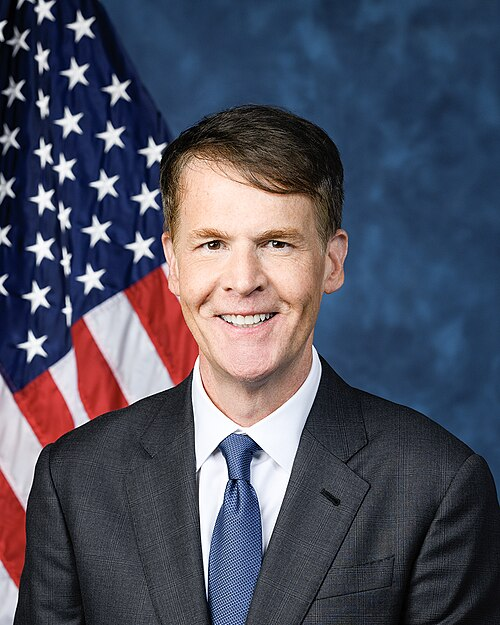
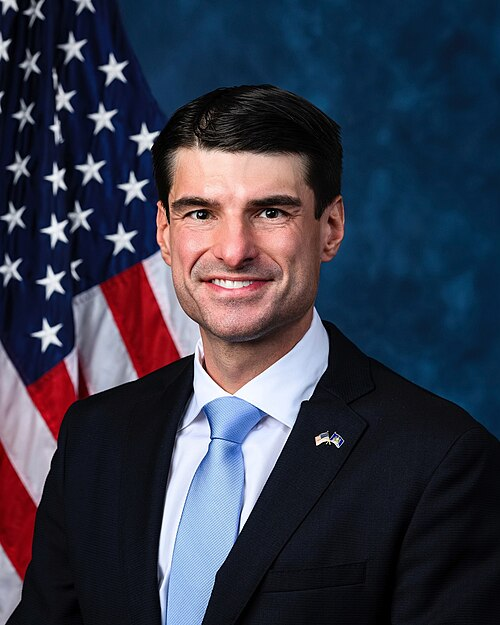
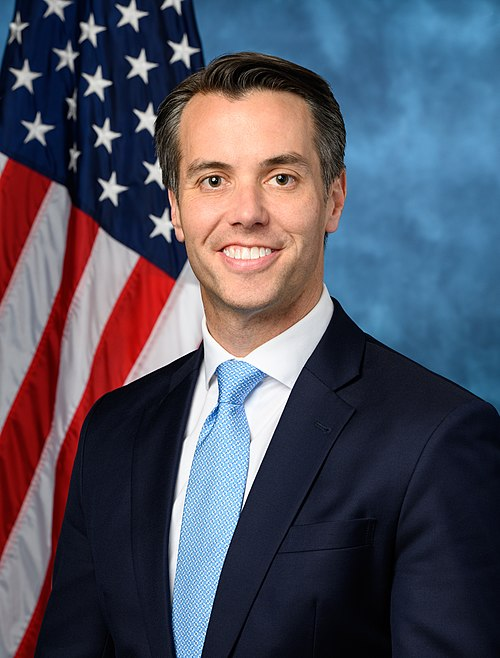
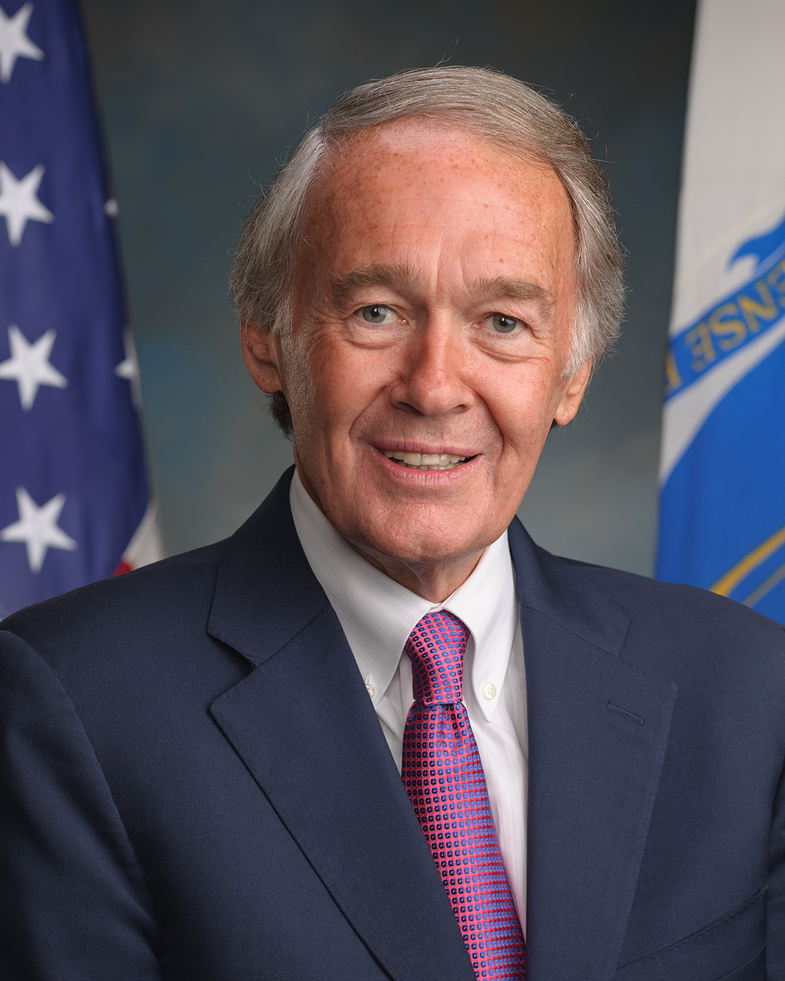
2 bill sponsors
Actions
2 actions
| Date | Action |
|---|---|
| Sep. 11, 2025 | Introduced in Senate |
| Sep. 11, 2025 | Read twice and referred to the Committee on Commerce, Science, and Transportation. |
Corporate Lobbying
0 companies lobbying
None found.
* Note that there can be significant delays in lobbying disclosures, and our data may be incomplete.