
H.R. 9947: Offshore Oil and Gas Worker Whistleblower Protection Act
This bill would create whistleblower protections for certain workers in the offshore oil and gas industry.
Who is covered
The bill applies to covered employees working on or above the Outer Continental Shelf in jobs connected to oil and gas exploration, development, production, processing, transportation, spill cleanup, emergency response, environmental monitoring, protection, or restoration. It also covers people applying for these jobs.
What employers would be barred from doing
The bill would make it unlawful for an employer to fire, demote, discipline, or otherwise discriminate against a covered employee for certain protected actions, including when the worker:
- Reports, or is about to report, possible violations of the Outer Continental Shelf Lands Act or related rules to the employer or to a state or federal official;
- Testifies or is about to testify in a proceeding about such violations;
- Helps or is about to help in such a proceeding;
- Testifies or is about to testify before Congress on matters covered by the law;
- Objects to, or refuses to take part in, work the employee reasonably believes would violate the law or related safety rules;
- Reports an illness, injury, unsafe condition, or concerns about the adequacy of an oil spill response plan;
- Refuses to do work, or uses stop-work authority, when the employee reasonably believes the task could harm health or cause an oil spill.
How complaints would work
A worker who believes they were retaliated against could file a complaint with the Secretary of Labor within 180 days of the alleged retaliation, or within 180 days of when they reasonably should have known about it.
The Department of Labor would have to start an investigation within 90 days of receiving the complaint. Both the worker and the employer would get a chance to submit written responses and meet with a Department representative. The worker would also be able to review the employer’s evidence and rebuttal materials.
What happens if retaliation is found
If the Department or a judge finds retaliation, the employer could be ordered to:
- Stop the unlawful conduct;
- Reinstate the worker to their former job;
- Pay double back pay plus interest;
- Remove warnings or negative references from personnel records;
- Provide compensatory damages and, in some cases, exemplary damages;
- Pay the worker’s attorney and expert witness fees.
Court review and enforcement
If the agency does not issue a final decision within 330 days, the worker could sue in federal court and seek a fresh review of the case. The bill also allows appeals of final agency decisions to federal court of appeals.
If an employer does not comply with an order, the Department of Labor or the worker could go to federal court to enforce it.
Other provisions
The bill says these whistleblower rights cannot be waived by an agreement, including an arbitration agreement. It also says the new protections do not replace or reduce any other rights or remedies under federal, state, or labor-contract law.
Employers would have to post notices about these rights, train covered employees on them within 30 days of employment and at least once a year afterward, and provide a card with a Department of Labor phone number for information or filing complaints. The Secretary of Labor would also have to designate officials to handle complaints within 30 days of enactment.
Relevant Companies
- None found
This is an AI-generated summary of the bill text. There may be mistakes.
Sponsors
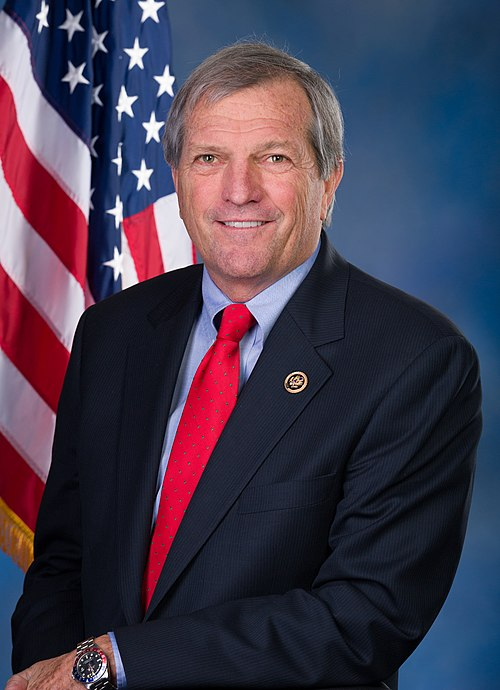
1 sponsor
Actions
2 actions
| Date | Action |
|---|---|
| Jul. 27, 2026 | Introduced in House |
| Jul. 27, 2026 | Referred to the House Committee on Education and Workforce. |
Corporate Lobbying
0 companies lobbying
None found.
* Note that there can be significant delays in lobbying disclosures, and our data may be incomplete.
Potentially Relevant Congressional Stock Trades
No relevant congressional stock trades found.