
H.R. 9879: Super Pay-As-You-Go Act of 2026
This bill would tighten the federal budget rules known as “PAYGO” (pay-as-you-go). Under current law, when Congress passes legislation that increases mandatory spending or cuts revenues, the budget effects are tracked and can lead to automatic across-the-board spending cuts if they are not offset. This bill would make those rules stricter and harder to waive.
What changes it makes
- Requires more offsetting savings. A bill that increases direct spending or reduces revenues would only count as compliant if the savings it creates are at least twice as large as its cost. For example, if a bill costs $100 billion, it would need at least $200 billion in offsetting savings or revenue increases.
- Separates costs and savings more clearly. Budget effects would have to be identified as costs and savings before being netted together, so the gross amounts are more transparent.
- Creates new “Super PAYGO” scorecards. The Office of Management and Budget would keep new 5-year and 10-year scorecards that track these stricter budget effects.
- Updates sequestration rules. If legislation fails the new requirement, automatic spending cuts would be based on the new “Super PAYGO” scorecards.
Emergency exceptions would be narrower
The bill changes the rules for labeling a provision as an emergency. To qualify, the budget effects would have to be sudden, urgent, unforeseen, temporary, and needed to address a direct threat to life, public safety, national security, or major property damage. Emergency designations would also:
- apply only to the specific provision designated, not an entire larger bill;
- expire after 24 months;
- require the Office of Management and Budget to publish a written justification within 14 days.
Harder to ignore or waive the rules
The bill adds several procedural limits so that Congress would have a harder time bypassing the PAYGO rules. In general, it would:
- bar consideration of bills or amendments that try to exclude budget effects from the scorecards, unless handled in separate standalone legislation;
- require higher voting thresholds in the Senate for waiving certain points of order;
- make it difficult to include PAYGO waivers or exemptions in omnibus bills, appropriations bills, reconciliation bills, or other larger legislative packages;
- block legislation that would erase, reduce, delay, or otherwise avoid a PAYGO or Super PAYGO debit or stop a required sequestration order.
More reporting and disclosure
The bill would require more public reporting from the Office of Management and Budget and the Congressional Budget Office. These reports would have to show:
- the balances on the Super PAYGO scorecards;
- the budget effects of laws affecting direct spending or revenues;
- how much deficit reduction each law produced;
- any emergency designations or sequestration orders;
- how much deficit reduction was achieved overall;
- and how much deficit reduction was avoided through waivers or exclusions.
CBO cost estimates and committee reports would also have to state whether a bill complies with the new Super PAYGO rule.
When it would apply
The bill would apply to legislation enacted on or after the date it becomes law.
Relevant Companies
None found
This is an AI-generated summary of the bill text. There may be mistakes.
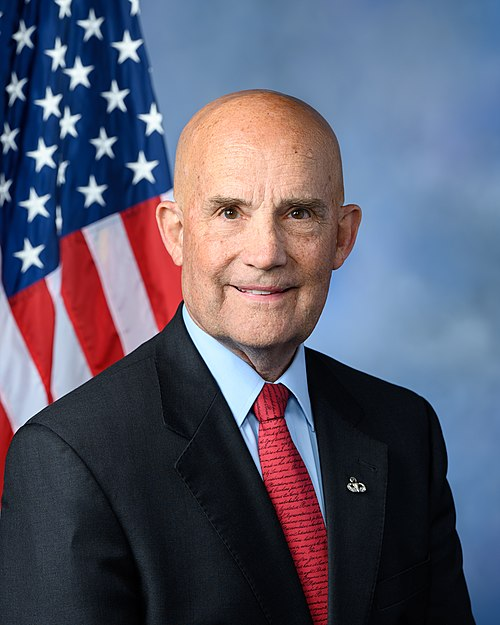
Sponsors
1 sponsor
Actions
2 actions
| Date | Action |
|---|---|
| Jul. 22, 2026 | Introduced in House |
| Jul. 22, 2026 | Referred to the Committee on the Budget, and in addition to the Committee on Rules, for a period to be subsequently determined by the Speaker, in each case for consideration of such provisions as fall within the jurisdiction of the committee concerned. |
Corporate Lobbying
0 companies lobbying
None found.
* Note that there can be significant delays in lobbying disclosures, and our data may be incomplete.
Potentially Relevant Congressional Stock Trades
No relevant congressional stock trades found.