
H.R. 9763: Surviving Widow(er) Income Fair Treatment Act of 2026
This bill would change Social Security rules for certain surviving spouses and divorced surviving spouses, mainly by expanding when they can receive benefits and by increasing some payment amounts.
What changes for widows, widowers, and surviving divorced spouses with disabilities
Under current law, some disabled surviving spouses or surviving divorced spouses can only qualify for unreduced survivor benefits at certain ages. This bill would remove those age limits, so a disabled widow, widower, or surviving divorced spouse could qualify for survivor benefits at any age, if they meet the other requirements.
It would also remove a current rule that reduces certain survivor benefits when they are claimed before retirement age. In other words, some people who qualify under the new disability rules would no longer have their survivor benefit cut just because they claimed it before full retirement age.
The bill also changes how remarriage affects eligibility in these cases. If a widow, widower, or surviving divorced spouse remarries after the first month they become eligible for the benefit, that remarriage would be treated as though it had not happened for purposes of receiving the benefit.
These changes would generally take effect on January 1, 2027.
Changes to child-in-care benefits
The bill would raise the age limit for “child-in-care” Social Security benefits. These are benefits paid to a parent or caregiver who is looking after a child and qualifies under Social Security rules. The child age limit would increase from 16 to 18, or to 19 if the child is a full-time elementary or secondary school student.
This change would also take effect on January 1, 2027.
Higher survivor benefit amounts in some cases
The bill would also change the formula for how much some widow(er) survivor benefits can be paid. For certain people whose deceased spouse had claimed retirement benefits early and therefore received a reduced retirement benefit, the survivor benefit could be adjusted upward in some circumstances.
In addition, the bill creates new “delayed receipt” increases for survivor benefits. In general, if a widow or widower was eligible for a survivor benefit but did not claim it right away, the eventual monthly benefit could be increased to reflect the months they delayed filing or postponed payment. The bill sets out rules for how those increases are calculated and places caps on them so they do not exceed certain maximum amounts tied to the deceased worker’s own benefit.
These survivor-benefit changes would also generally start on January 1, 2027.
Other benefit coordination rules
The bill would require that some additional income from the higher Social Security benefits be ignored when determining eligibility for other federal, state, or locally funded benefit programs. This means that, for people already receiving certain assistance, the Social Security increase would not automatically reduce or eliminate their other benefits because of income rules.
If a person later stops qualifying for the other program, the protection would no longer apply.
Information for surviving spouses
The bill would direct the Social Security Administration to publish a booklet by January 1, 2027 explaining survivor benefits. The booklet would cover:
- how retirement benefits and survivor benefits interact,
- how and when to claim benefits,
- how claiming at different times can affect payment amounts,
- the lump-sum death benefit, and
- how to contact Social Security for more information.
For people who die on or after January 1, 2027, the Social Security Administration would have to mail this booklet to known widows, widowers, or surviving divorced spouses within 30 days after being informed of the death.
Relevant Companies
None found
This is an AI-generated summary of the bill text. There may be mistakes.
Sponsors
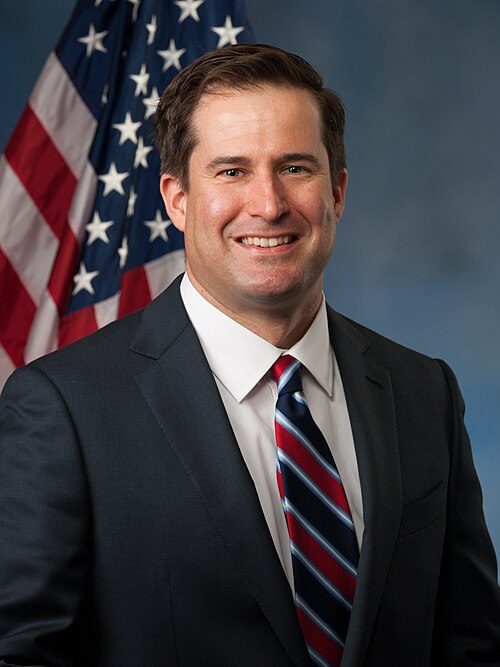
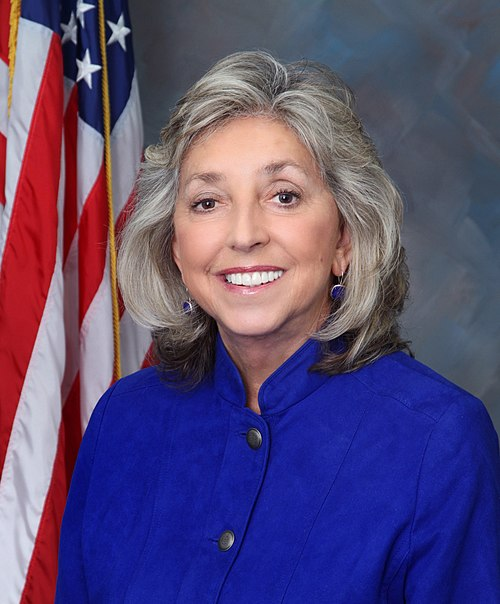
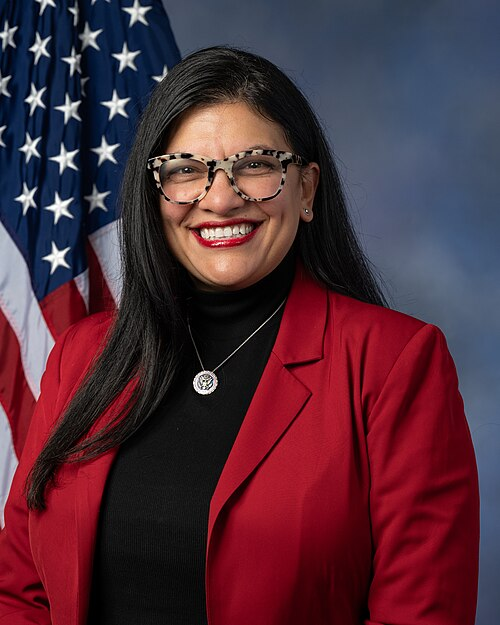
7 bill sponsors




Actions
2 actions
| Date | Action |
|---|---|
| Jul. 16, 2026 | Introduced in House |
| Jul. 16, 2026 | Referred to the Committee on Ways and Means, and in addition to the Committee on Oversight and Government Reform, for a period to be subsequently determined by the Speaker, in each case for consideration of such provisions as fall within the jurisdiction of the committee concerned. |
Corporate Lobbying
0 companies lobbying
None found.
* Note that there can be significant delays in lobbying disclosures, and our data may be incomplete.
Potentially Relevant Congressional Stock Trades
No relevant congressional stock trades found.