H.R. 9762: Halting Organizers and Live-Event Distributors from Boosting Artificial Capacity with Known Seating Act
This bill would require more upfront disclosure when tickets for events go on sale, and it would ban certain practices that limit ticket availability in ways that could affect prices.
What ticket sellers would have to disclose
At least 7 days before primary ticket sales begin, a primary ticket seller would have to clearly post on its website and at the venue’s box office:
- The total number of scheduled performances or events at that venue that will be sold to the public.
- The number of tickets available to the public for each event.
- The total price of each ticket, including required fees and charges.
The bill defines the “total price” broadly to include the base price plus extra required charges such as service fees, processing fees, delivery fees, facility fees, taxes, and other mandatory charges.
What ticket sellers would be prohibited from doing
A primary ticket seller would not be allowed to hold back tickets from the public in order to:
- push prices above what the bill describes as fair market value based on ticket availability known to the seller; or
- hide or misstate how many tickets are actually available after the first public sale begins.
Who would enforce it
The Federal Trade Commission would enforce these rules. Violations would be treated as unfair or deceptive trade practices under the FTC Act, which means the FTC could use its normal enforcement tools and penalties. State attorneys general would still be able to investigate and bring cases under state or federal law as well.
Who the bill covers
The bill applies to the initial, or “primary,” sale of tickets by venue owners or operators, sports teams, event managers or providers, and ticketing service providers involved in selling tickets directly to the public.
It defines “ticket” broadly to include paper, electronic, or other forms of admission for sports, theater, concerts, and other public entertainment, including bundled series tickets.
There is an exception for some sporting events where the total number of games or matches in a series is not known in advance because it depends on how many games are needed to decide the series.
Relevant Companies
- LYV — Live Nation would likely be affected because it sells tickets through its venues and ticketing operations and would need to comply with the new disclosure and anti-withholding rules.
- TMUS — T-Mobile is not a primary ticket seller, but if any of its entertainment or venue-related offerings involve ticketing partnerships, there could be indirect effects; however, direct impact appears limited.
- ESPN — None found; ESPN is not publicly traded as a standalone ticker, so it is not listed here.
- AXS — AXS (AXS Group/AXS platform via Anschutz-related operations) could be affected through ticketing services and primary sales transparency requirements.
- CZR — Caesars Entertainment could be affected if it sells tickets directly for venues or events it operates, since the bill applies to venue owners/operators who handle primary ticket sales.
- MGM — MGM Resorts could be affected if it acts as a venue operator or primary ticket seller for concerts, shows, or sporting events at its properties.
This is an AI-generated summary of the bill text. There may be mistakes.
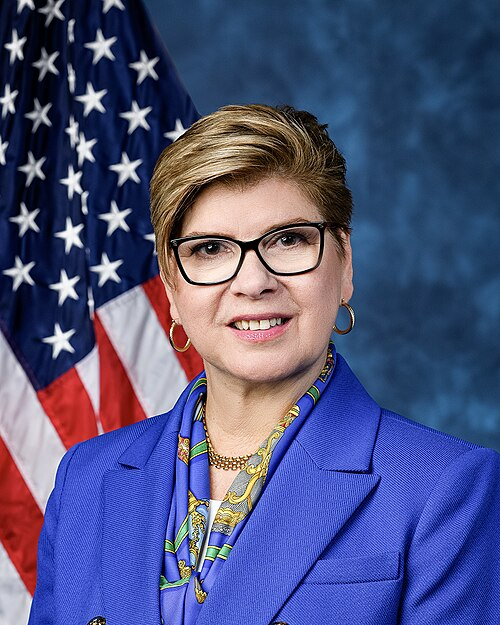
Sponsors
1 sponsor
Actions
2 actions
| Date | Action |
|---|---|
| Jul. 16, 2026 | Introduced in House |
| Jul. 16, 2026 | Referred to the House Committee on Energy and Commerce. |
Corporate Lobbying
0 companies lobbying
None found.
* Note that there can be significant delays in lobbying disclosures, and our data may be incomplete.