
H.R. 9716: Protecting Rights in Video and Equipment Acquired Discovery Act
This bill would place new limits on how federal law enforcement can use surveillance data gathered by state or local agencies from certain technologies. It would create a federal list, called the Jurisdictional Wall List, of surveillance tools and systems that are covered by the bill. The Attorney General would have to keep and update this list, and it would include things like:
- automated license plate readers;
- cameras that can see vehicle occupants;
- cameras that continuously monitor a location;
- long-range microphones;
- electronic fingerprint detection tools;
- field chemical scanners; and
- similar technologies the Attorney General adds.
Once a technology is on that list, federal law enforcement generally could not access, query, direct, task, or otherwise obtain the related surveillance data from state or local agencies unless a federal judge issues a warrant. The bill also sets rules for how long that data may be kept. In general, federal agencies could keep it for no more than 30 days unless a court allows up to 90 more days for good cause, or the data is being used as evidence in an active prosecution.
If federal agents obtain covered data without a warrant, or keep it longer than allowed, the bill says that data generally could not be used as evidence in federal court. It also says the government still has to disclose such material if other legal disclosure rules require it, including criminal discovery rules and Brady obligations, which cover evidence favorable to the accused. The bill does not prevent other legal challenges or remedies for unlawfully obtained evidence.
The bill allows two main exceptions to the warrant requirement:
- Emergency situations involving an imminent danger of death or serious physical injury, where getting a warrant is impracticable. In those cases, agencies must limit collection to the minimum necessary amount of data, document the acquisition within 24 hours, and delete the data within 30 days unless they later get a warrant.
- Voluntary, informed, written consent from the person the data concerns.
The bill would also restrict federal funding. Federal funds could not be used to buy, acquire, or install a covered surveillance technology, with limited exceptions. Those exceptions include:
- toll collection on federally funded highways;
- some school violence prevention programs with oversight and limits;
- certain grant programs under federal crime-control law, if minimization and retention rules are followed; and
- portable, case-specific law enforcement systems used under a warrant.
In addition, the bill would require:
- semiannual reports from the Attorney General to Congress on how often federal agencies use this data, what warrants are obtained, emergency uses, and any violations;
- public, unclassified summaries of those reports;
- federal regulations setting minimization standards, such as deleting non-pertinent data, segregating data, and limiting use of data tied to protected First Amendment activity unless there is probable cause and a warrant;
- audits and training to help agencies comply; and
- a prohibition on using this surveillance data to track or monitor someone solely because they exercised First Amendment rights.
People whose data is obtained in violation of the bill could sue for court orders, damages, and attorney’s fees. Federal employees who knowingly or recklessly violate the law could face administrative discipline, including suspension or termination. Inspector generals would also have to conduct periodic compliance audits.
The bill would take effect 180 days after enactment.
Relevant Companies
- None found
This is an AI-generated summary of the bill text. There may be mistakes.
Sponsors
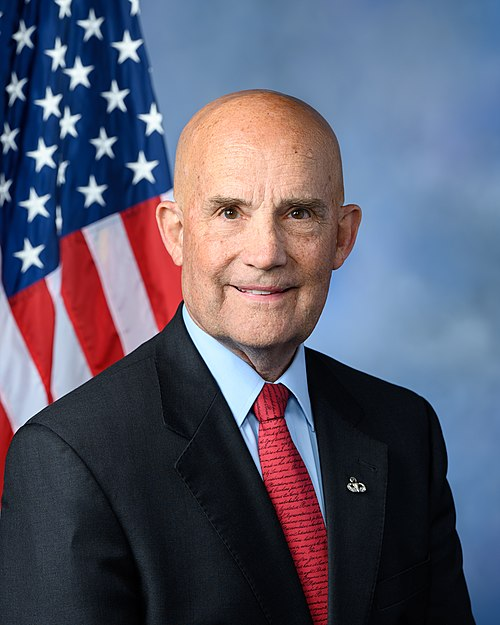
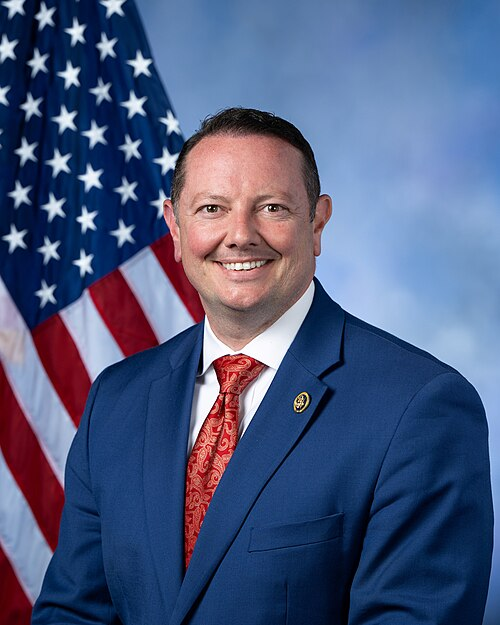
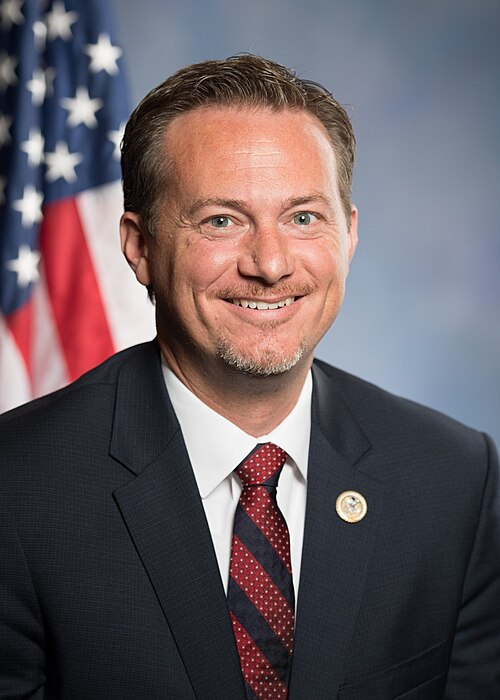
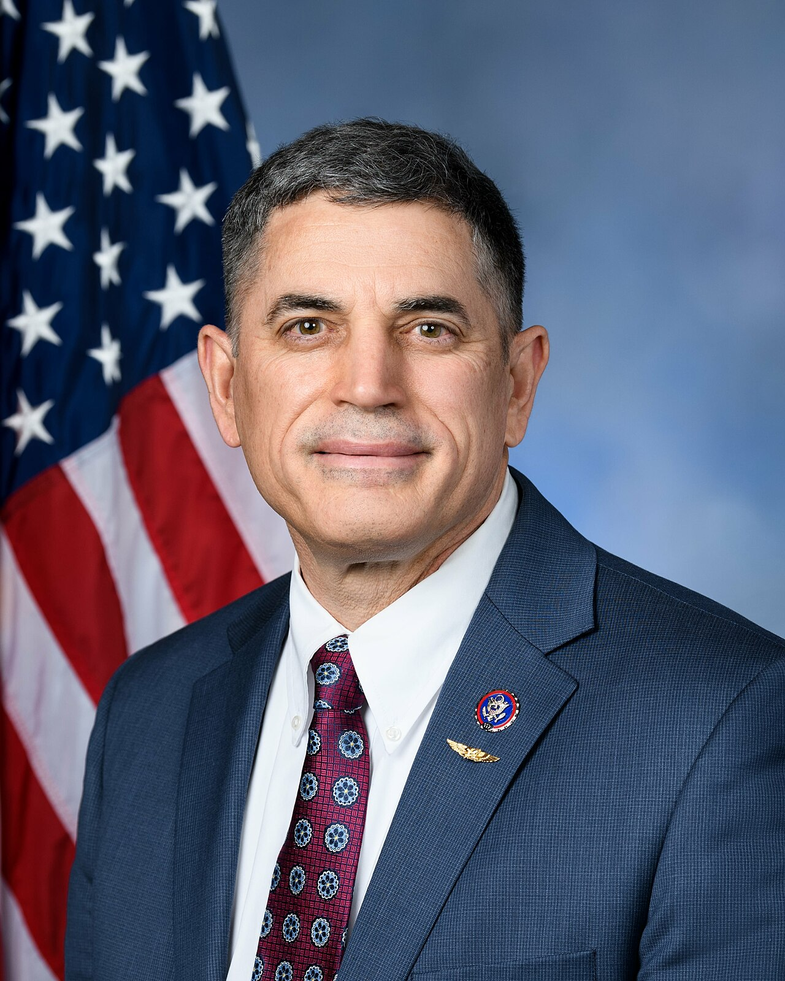
8 bill sponsors

Actions
2 actions
| Date | Action |
|---|---|
| Jul. 15, 2026 | Introduced in House |
| Jul. 15, 2026 | Referred to the Committee on the Judiciary, and in addition to the Committee on Oversight and Government Reform, for a period to be subsequently determined by the Speaker, in each case for consideration of such provisions as fall within the jurisdiction of the committee concerned. |
Corporate Lobbying
0 companies lobbying
None found.
* Note that there can be significant delays in lobbying disclosures, and our data may be incomplete.
Potentially Relevant Congressional Stock Trades
No relevant congressional stock trades found.