H.R. 9678: Good Jobs for Good Airports Act
This bill would require many workers at small, medium, and large hub airports to be paid at least a specified minimum wage and receive fringe benefits such as benefits determined under federal wage rules or any higher state or local standards that apply.
Who would be covered
The bill defines a new category called “covered service worker” for people who work at or on airport property in jobs tied to airport operations. This includes many workers involved in:
- loading and unloading baggage or cargo
- passenger assistance
- security
- ticketing and check-in
- ground handling of aircraft and equipment
- aircraft cleaning and sanitization
- terminal cleaning
- moving workers or passengers around the airport
- ramp agent work
- airport concessions, such as food service, retail, cleaning, security, and lounge services
- airline catering
- food, beverage, housekeeping, or hotel services at hotels on airport property
The definition applies whether the worker is directly hired or works through a contractor or subcontractor, but it excludes certain employees, including some high-level exempt workers, state or local government employees, and TSA screeners or private screening workers under TSA contracts.
Wage and benefit rules
For covered workers, employers would have to pay:
- at least the higher of the federal wage rate set using Service Contract Act standards or any applicable state or local minimum wage law
- at least the higher of the federal fringe benefit level set using Service Contract Act standards or any applicable state or local benefit requirement
This means the bill would not replace stronger state or local rules; it would allow those higher standards to remain in place.
New federal wage determinations
The Secretary of Labor would have to issue wage and benefit determinations within 120 days after enactment, using the methodology normally used for federal service contracts. If needed, the Secretary could create new occupational categories so every type of covered airport service worker gets an appropriate wage and benefit rate. These determinations would be updated annually.
Employer reporting and compliance
Covered employers would have to certify every month, under penalty of perjury, that they are complying with the wage and benefit rules. Failing to file the certification, or filing a false one, would be a violation.
Enforcement and penalties
The bill gives the Department of Labor authority to investigate and enforce the wage and benefit requirements. The Department of Transportation would enforce the monthly certification requirement. The bill also allows an “interested person” to bring a civil lawsuit in federal court to enforce the law.
Violations of the new airport labor standard could carry civil penalties, with a maximum penalty set at up to three times the usual amount under existing law for certain aviation violations.
Other provisions
- The bill directs the Secretary of Transportation to report to Congress within one year and then annually on implementation and compliance.
- The Secretary of Transportation must publish complaint data related to covered service workers in a manner similar to other aviation consumer complaint data.
- The bill also amends the Fair Labor Standards Act so that covered airport service workers are paid under these airport-specific wage rules instead of the standard federal minimum wage rule.
Relevant Companies
- UAL — United Airlines could be affected through higher labor costs for airport-related services it provides directly or through contractors, including ground handling, catering, cleaning, and related airport operations.
- DAL — Delta Air Lines could face similar cost impacts for airport service work performed by its contractors and airport-affiliated operations.
- AAL — American Airlines could be affected by higher required wages and benefits for airport service workers at airports where it operates.
- JBLU — JetBlue Airways could see increased costs tied to airport support services and contracted ground operations.
- SKYW — SkyWest could be affected if airport service labor costs rise for work connected to its operations or contractors.
- ULH — Universal Logistics Holdings could be affected if its airport-related logistics or handling services fall within covered work at airports.
This is an AI-generated summary of the bill text. There may be mistakes.
Sponsors
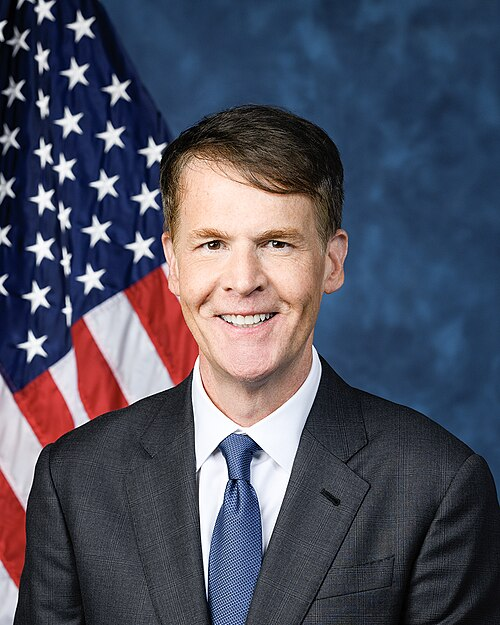
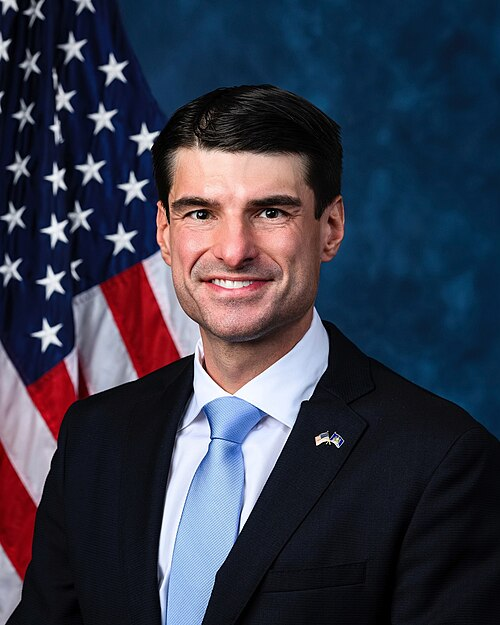
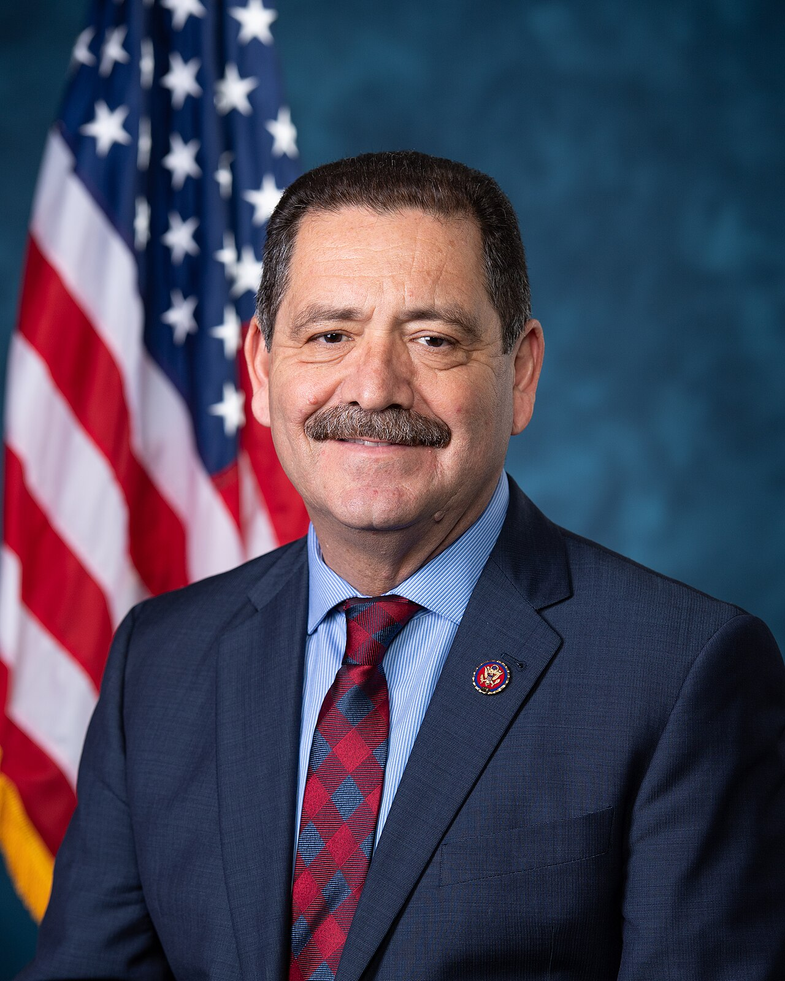
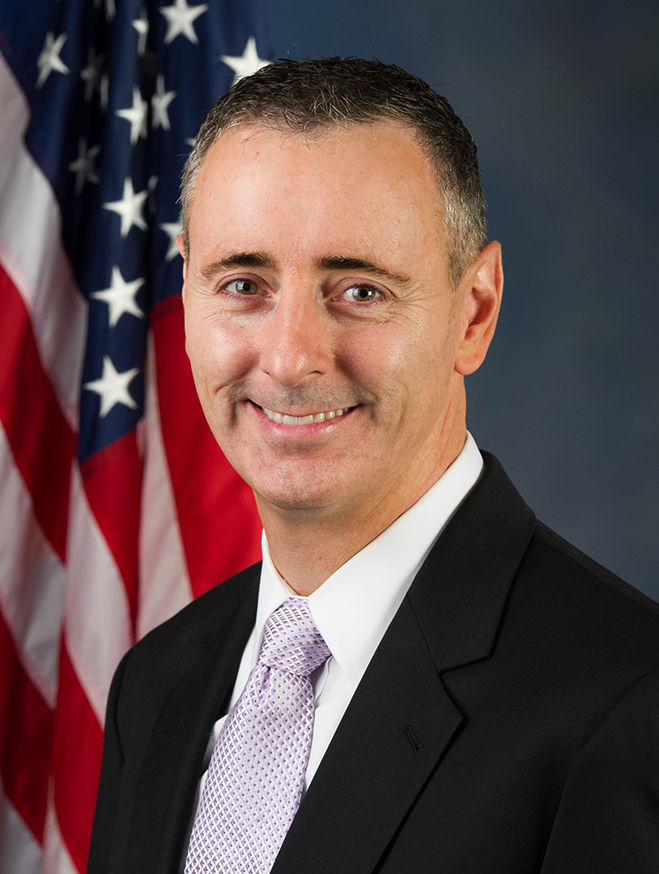
2 bill sponsors
Actions
2 actions
| Date | Action |
|---|---|
| Jul. 14, 2026 | Introduced in House |
| Jul. 14, 2026 | Referred to the Committee on Transportation and Infrastructure, and in addition to the Committee on Education and Workforce, for a period to be subsequently determined by the Speaker, in each case for consideration of such provisions as fall within the jurisdiction of the committee concerned. |
Corporate Lobbying
0 companies lobbying
None found.
* Note that there can be significant delays in lobbying disclosures, and our data may be incomplete.