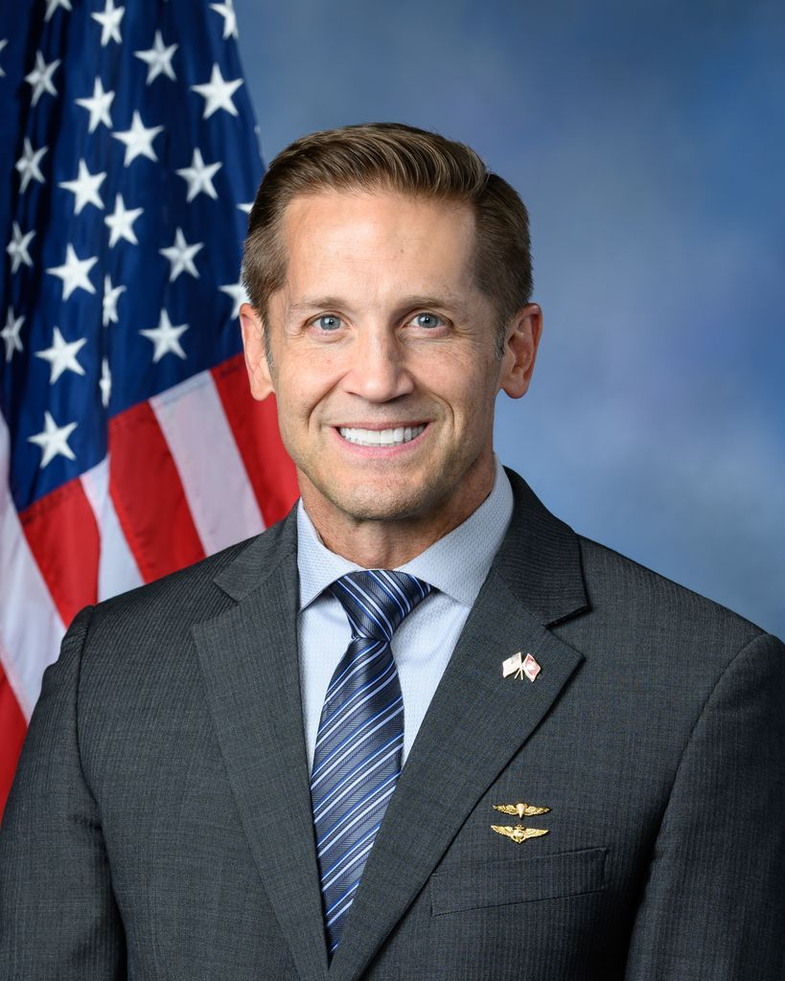
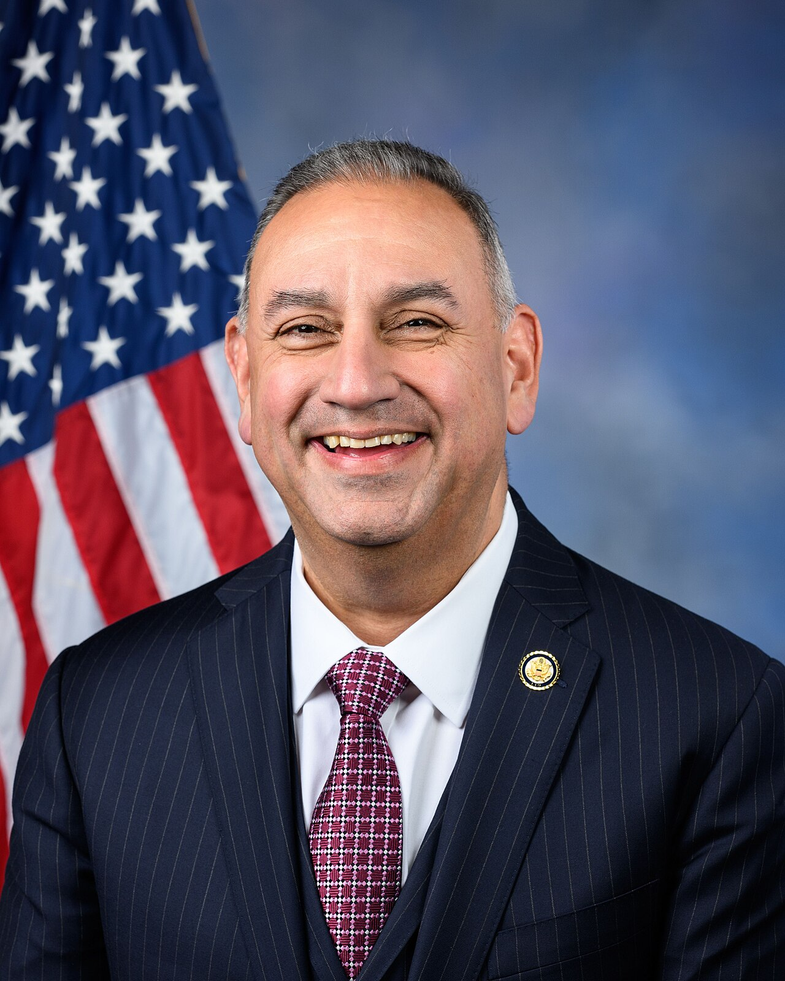
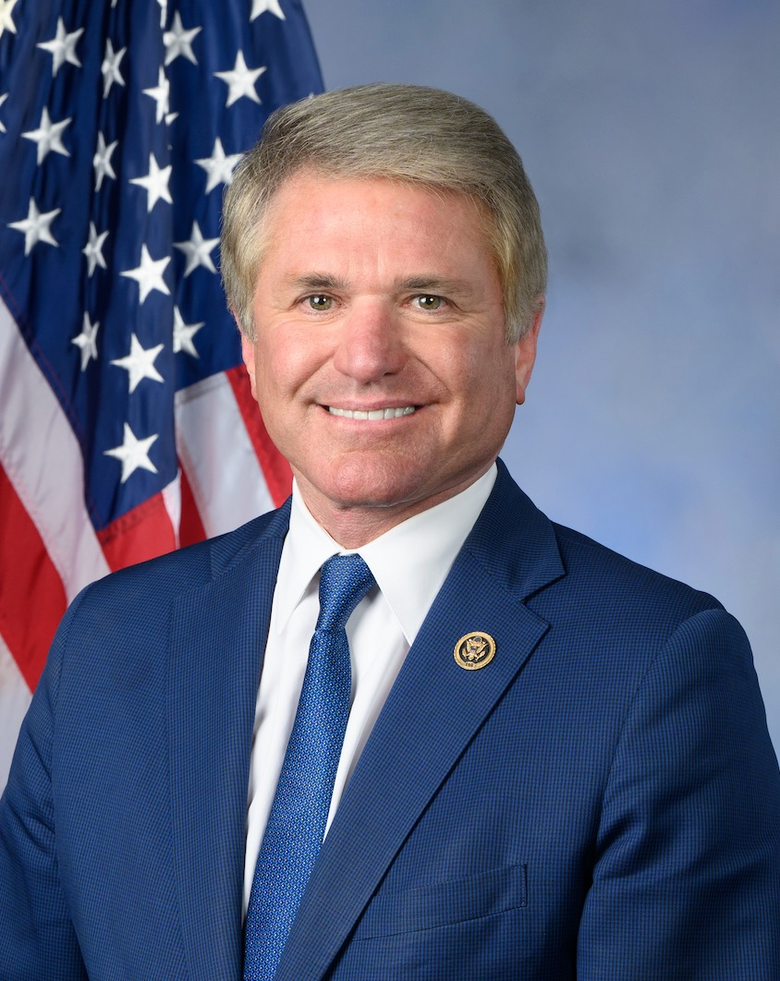
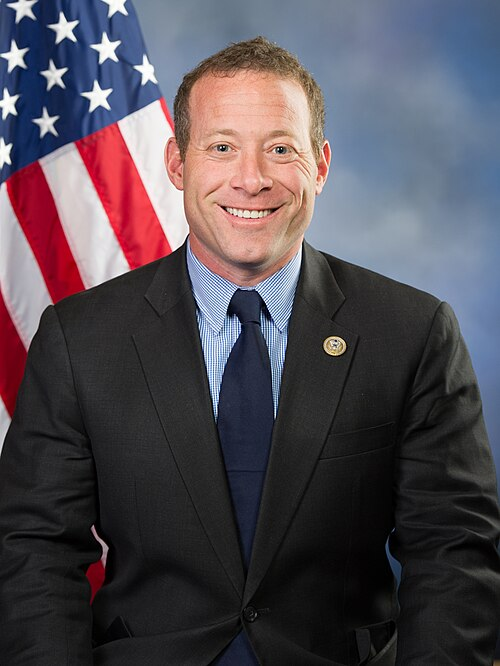
H.R. 9488: Health Disparity Zones Act of 2026
This bill would create a federal program to identify certain communities as Health Disparity Zones and provide them with financial incentives and support aimed at improving health outcomes and reducing gaps in care.
Designation of Health Disparity Zones
Within 18 months after enactment, the Secretary of Health and Human Services would be able to designate areas as Health Disparity Zones based on applications from local nonprofit organizations or local government agencies working with health care and community partners.
To qualify, an area would generally need to:
- be a contiguous area within one census tract or ZIP code;
- show measurable racial, ethnic, or geographic health disparities and poor health outcomes; and
- meet at least one indicator such as low income, higher-than-average SNAP participation, lower life expectancy, higher low-birth-weight rates, or designation as a health professional shortage area.
The area must also be part of a metropolitan or micropolitan statistical area.
The bill directs HHS to solicit applications within 12 months and to post information about applicants and proposed zones on its website. Areas would be selected with attention to geographic diversity, with possible outreach to encourage rural applications. Designations would expire after 10 fiscal years.
Applications and priorities
Applicants would need to submit a plan showing how the zone would:
- reduce health disparities;
- improve health outcomes;
- reduce health care costs or generate savings; and
- use the bill’s incentives to expand provider capacity, improve service delivery, support community improvements, or conduct outreach and education.
Applications would also have to identify specific health issues to target, such as cardiovascular disease, asthma, diabetes, dental health, behavioral health, maternal and birth health, sexually transmitted infections, or obesity.
In choosing zones, the Secretary would give greater weight to applications showing stakeholder support, a long-term funding plan, private funding, alignment with state health plans, evaluation plans, and use of existing state incentives.
Federal incentives
The bill creates several forms of support for designated zones:
- Tax incentives for employers: It expands the federal work opportunity tax credit to include hiring certain workers in a Health Disparity Zone who are employed in work that promotes access to health care there.
- Tax credit for workers: It creates a new tax credit equal to 40% of wages for qualifying Health Disparity Zone workers whose main place of employment is in a designated zone.
- Grants: HHS could award grants to the applicant organization and its partners to support efforts to reduce disparities and improve health outcomes.
- Subgrants to practitioners: Grant recipients could provide subgrants to health care practitioners who own, lease, or work in facilities in the zone. These funds could help pay for equipment, facility improvements, or other expansion needs. A subgrant could not exceed $5 million or 50% of eligible equipment/capital costs, whichever is less.
- Student loan repayment: HHS would run a loan repayment program for eligible practitioners who agree to work in a Health Disparity Zone for at least one year. Payments could be up to $10,000 per year and up to $100,000 total per practitioner, for no more than 10 years.
- Higher Medicare Part B payments: Medicare would pay 10% more for covered items and services furnished in a Health Disparity Zone during the period the zone is designated, through the end of the fiscal year that is 10 fiscal years after enactment.
The bill says Medicare beneficiary cost-sharing would be calculated as if the 10% payment increase did not apply.
Reporting and oversight
For each of the 10 fiscal years after enactment, HHS would have to report to Congress on how the program is being implemented and whether the incentives are helping attract health workers, improve health outcomes, and reduce costs, hospital admissions, and readmissions.
Administration and funding
HHS would carry out the program in consultation with the Department of Housing and Urban Development and the Deputy Assistant Secretary for Minority Health. The bill authorizes whatever sums are needed for 10 fiscal years.
Relevant Companies
- TDOC — Telehealth and virtual care services could be used by providers or coalitions in designated zones to expand access, though the bill does not specifically mention telehealth.
- HCA — Hospital systems operating facilities in designated areas could potentially benefit from higher Medicare Part B payments and grant-supported expansion efforts.
- UNH — Health care businesses with Medicare-related exposure could be indirectly affected by the increased Medicare payment rates in designated zones.
- CVS — Pharmacy and primary care operations in eligible areas could be affected if they participate in zone-based care delivery or staffing programs.
- CI — Managed care operations could be indirectly affected by changes in provider incentives and care delivery in designated zones.
- CNC — Health plans with Medicaid exposure in affected areas could see indirect impacts from expanded provider participation and service availability.
This is an AI-generated summary of the bill text. There may be mistakes.
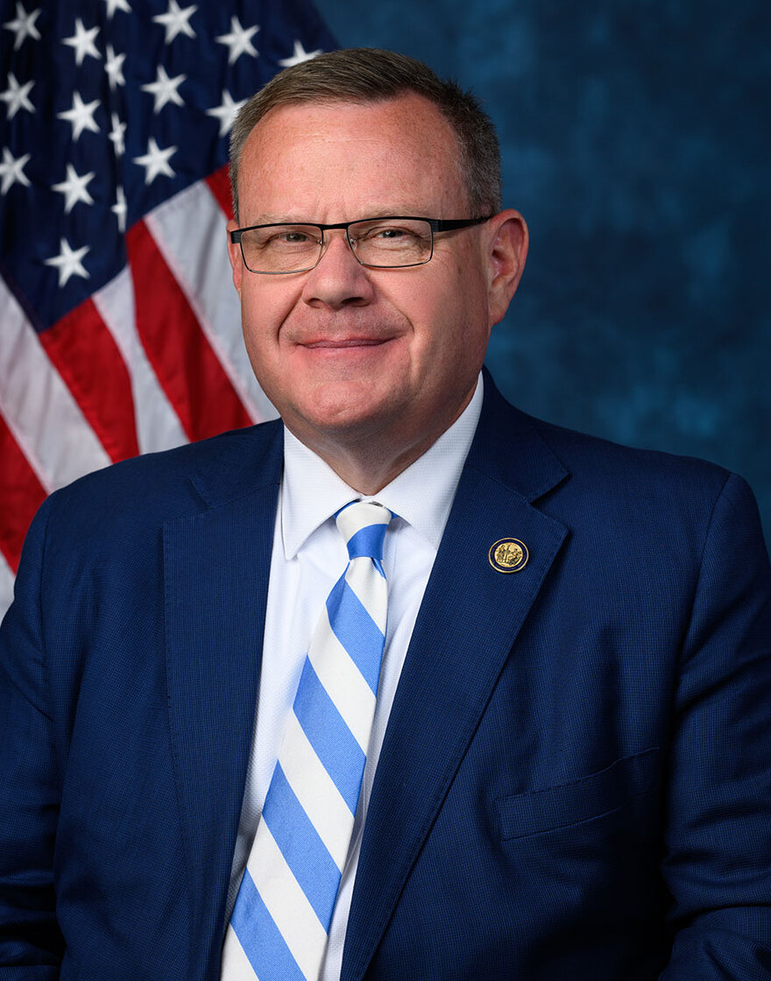
Sponsors
1 sponsor

Actions
2 actions
| Date | Action |
|---|---|
| Jun. 25, 2026 | Introduced in House |
| Jun. 25, 2026 | Referred to the Committee on Energy and Commerce, and in addition to the Committee on Ways and Means, for a period to be subsequently determined by the Speaker, in each case for consideration of such provisions as fall within the jurisdiction of the committee concerned. |
Corporate Lobbying
0 companies lobbying
None found.
* Note that there can be significant delays in lobbying disclosures, and our data may be incomplete.