H.R. 9397: Premium Transparency Act
This bill, called the Premium Transparency Act, would require more public reporting about how health insurance premiums are used and would direct federal officials to provide clearer, standardized information about health plan benefits.
What it would require health insurers to disclose
Starting with plan years beginning on or after January 1, 2027, health insurance companies that sell group or individual coverage, including grandfathered plans, would have to submit and publicly post information in a consumer-friendly format about:
- What percentage of premium revenue is spent on each major category already covered under existing law;
- The explanation insurers already provide about those spending categories;
- What percentage of premium revenue is not spent and is retained by the insurer.
This information would need to be posted on the insurer’s public website. If the plan is sold through an Affordable Care Act exchange, the insurer would also have to send the information to the exchange. The Secretary of Health and Human Services would decide the exact format and could require reporting at the level of each plan, and possibly in aggregate across plans.
What it would require Medicare Advantage plans to disclose
Beginning with plan years starting on or after January 1, 2027, Medicare Advantage organizations would have to report and publish similar information for each Medicare Advantage plan they offer. The required disclosures would include:
- Total revenue collected under the plan;
- The amount and percentage spent on claims;
- The amount and percentage spent on non-claim costs;
- The difference between a Medicare Advantage medical-loss-ratio numerator and denominator calculation;
- That difference expressed as a percentage of revenue.
This would be posted at the individual plan level, and HHS could also require broader summary reporting across all plans offered by an organization.
Changes to Affordable Care Act exchange comparison tools
For plan years beginning on or after January 1, 2029, the bill would require exchange websites to include, as part of plan comparison information, the most recent transparency information that an insurer submitted under the new disclosure rules. In practical terms, that means people shopping for exchange plans would be able to see more financial information about how a plan uses premium dollars when comparing options.
Federal guidance on clearer plan information
By January 1, 2028, the Secretary of Health and Human Services would have to issue guidance to group health plans, insurers, and Medicare Advantage organizations on how to present certain plan information in a standardized, plain-English format. The guidance would cover, as applicable:
- Monthly premiums;
- Annual deductibles;
- Out-of-pocket maximums;
- Type of provider network;
- The plan’s share of total allowed benefit costs;
- Standard cost-sharing amounts for in-network care, including primary care, specialist care, urgent care, emergency care, imaging, inpatient care, outpatient facility care, lab services, preferred brand drugs, and generic drugs;
- Whether specialist referrals are required;
- Whether wellness programs are available;
- Whether disease management programs are available;
- Whether enrollees are eligible to contribute to a health savings account;
- Whether preventive care is covered;
- Any other plan features the Secretary specifies.
In developing this guidance, HHS would have to consult with the Secretaries of Labor and the Treasury. The bill also says this guidance would not require plans to offer any new benefits or features; it would only affect how information is presented.
Relevant Companies
- UNH — UnitedHealth Group, including its insurance operations and Medicare Advantage business, would likely have to make the required disclosures.
- HUM — Humana would likely be affected through its Medicare Advantage plans and related reporting requirements.
- CVS — CVS Health, through Aetna and its Medicare Advantage offerings, would likely need to comply with the new disclosure rules.
- CNC — Centene would likely be affected through its health insurance products sold in individual and group markets, including exchange plans.
- CI — Cigna would likely need to adjust reporting and public disclosures for its health insurance businesses.
- ELV — Elevance Health would likely be affected through its commercial health insurance plans and exchange-related offerings.
- MRK — Not directly targeted, but insurers’ clearer disclosure of drug cost-sharing could indirectly affect pharmacy benefit and coverage comparisons; impact would likely be limited compared with insurers.
This is an AI-generated summary of the bill text. There may be mistakes.
Sponsors
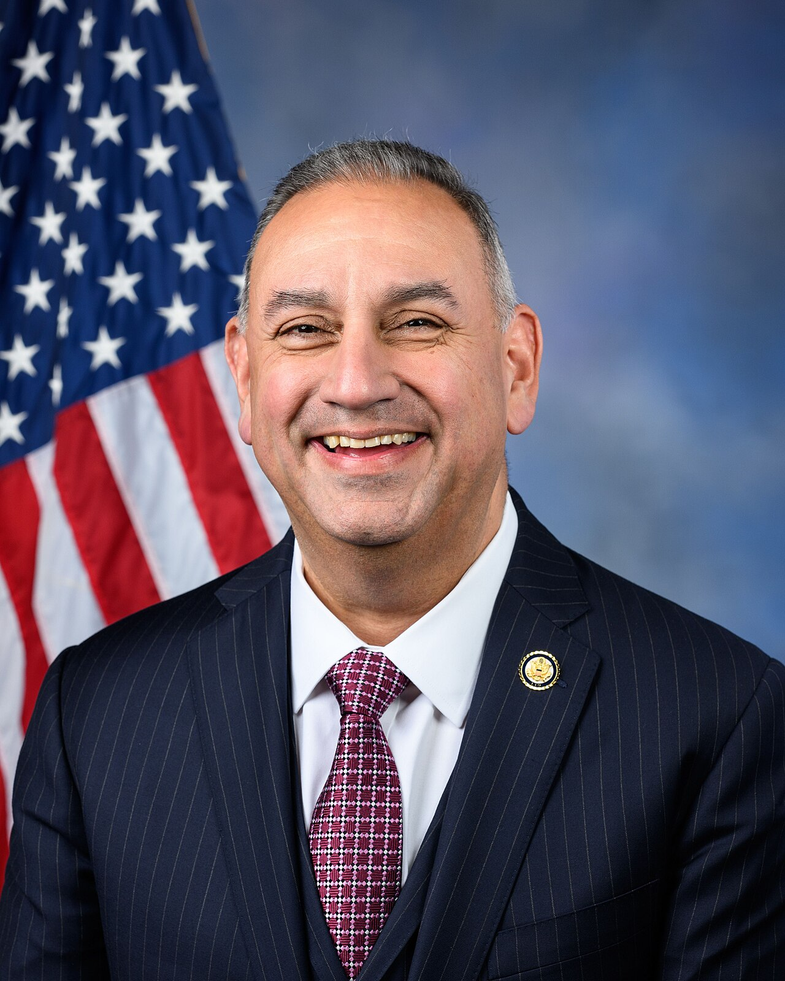
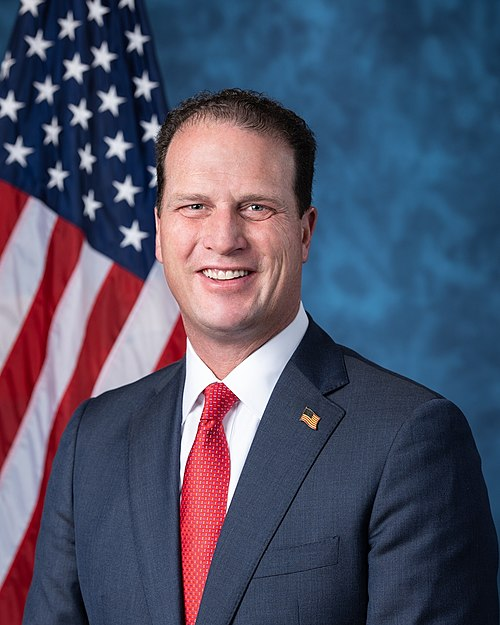
4 bill sponsors



Actions
5 actions
| Date | Action |
|---|---|
| Jun. 25, 2026 | Forwarded by Subcommittee to Full Committee by Voice Vote. |
| Jun. 25, 2026 | Subcommittee Consideration and Mark-up Session Held |
| Jun. 23, 2026 | Introduced in House |
| Jun. 23, 2026 | Referred to the Committee on Energy and Commerce, and in addition to the Committee on Ways and Means, for a period to be subsequently determined by the Speaker, in each case for consideration of such provisions as fall within the jurisdiction of the committee concerned. |
| Jun. 23, 2026 | Referred to the Subcommittee on Health. |
Corporate Lobbying
0 companies lobbying
None found.
* Note that there can be significant delays in lobbying disclosures, and our data may be incomplete.