H.R. 9325: Lone Star Coastal National Recreation Area Act
This bill would create a new National Park System unit called the Lone Star Coastal National Recreation Area along the Upper and Middle Texas Gulf Coast.
What the new area would be for
The stated goals are to:
- expand outdoor recreation opportunities, including hunting and fishing;
- support conservation of open space and coastal habitats;
- protect important natural species and ecosystems;
- promote heritage tourism and other nature-based economic activity in local and rural communities;
- preserve the region’s long-term coastal, recreation-based economy.
How the area would be set up
The recreation area would not automatically include all land in the mapped region. It would be officially established only after the Secretary of the Interior determines that enough land or land interests have been acquired to create a manageable National Park System unit. The Secretary would then publish notice in the Federal Register.
The bill also defines “associated sites” as places in Jefferson, Chambers, Galveston, Brazoria, or Matagorda Counties that join the network through voluntary agreements. These sites could be public, nonprofit, or other eligible lands or facilities, but participation would require the owner’s written consent.
Land acquisition rules
The federal government could acquire land or interests in land only from the sites shown on the bill’s map, and only by donation, purchase from a willing seller using donated funds, exchange, or transfer from another federal agency. The bill prohibits taking land by condemnation.
Some federal lands could be transferred into the area if the managing agency agrees, but lands in the National Wildlife Refuge System and lands administered by the U.S. Fish and Wildlife Service could not be transferred for this purpose.
Management and partnerships
The National Park Service would manage the recreation area, but in coordination with a new Lone Star Coastal Partnership. This partnership would include federal, state, local, nonprofit, private landowner, and other representatives, and would help develop and implement the management plan.
The bill allows the Secretary to enter into agreements with other entities to support education, interpretation, resource protection, access, and recreation. It also allows cooperative agreements with federal and state agencies, nonprofits, and partnership members. In some cases, federal funding under these agreements could cover up to 25 percent of a project’s cost, with at least a 3-to-1 nonfederal match.
Planning requirements
Within 3 years after the partnership is established, it must submit an integrated resource management plan to the Secretary. The plan would cover both National Park Service-managed lands and associated sites, and it must consider local control, existing economic activity, funding needs, coordination among agencies, and the protection of landowner rights. The plan would first go to the Texas Governor for review, and then to the Secretary for approval.
What the bill says it would not do
The bill includes several “savings” provisions intended to preserve existing state and local authority and private property rights. It says the designation would not:
- change state or local civil/criminal jurisdiction or taxation;
- impose new regulations on nearby private land just because of the designation;
- limit federally authorized channels, flood control, storm surge protection, oil and gas pipelines, or similar projects;
- reduce FEMA or emergency response authority during disasters;
- take away state fish and wildlife authority on federal land and water.
Public use rules
On lands and waters owned or managed by the National Park Service in the recreation area, the bill generally requires that hunting, recreational and commercial fishing, off-road vehicle use, and personal watercraft use be allowed, subject to federal and state law. Closures would generally need to be justified publicly and coordinated with local user groups, and temporary restrictions could be imposed for safety or emergencies.
Funding
The bill authorizes such sums as may be necessary for planning, technical assistance, interpretation, marketing, education, signage, and administration of cooperative agreements. It also allows the Secretary and the partnership to accept donated money, property, and services.
Relevant Companies
- XOM — Oil and gas operations in the region could be indirectly affected by the bill’s land-use and coordination framework, though the bill says existing authorized pipelines and energy projects should not be impeded.
- CVX — Similar to other energy companies, Chevron could be indirectly affected if future land acquisition, access, or management decisions touch coastal energy infrastructure or nearby operations.
- EOG — Energy development and related infrastructure in coastal Texas could be indirectly affected by planning and coordination around designated sites.
- MPLX — Midstream pipeline and terminal assets in the broader Gulf Coast region could be indirectly relevant, although the bill states existing pipelines and permitted projects should not be blocked.
- RCL — Gulf Coast tourism and recreation changes could have indirect effects on cruise-related or destination travel activity in the region, though no direct company-specific requirements are imposed.
This is an AI-generated summary of the bill text. There may be mistakes.
Sponsors
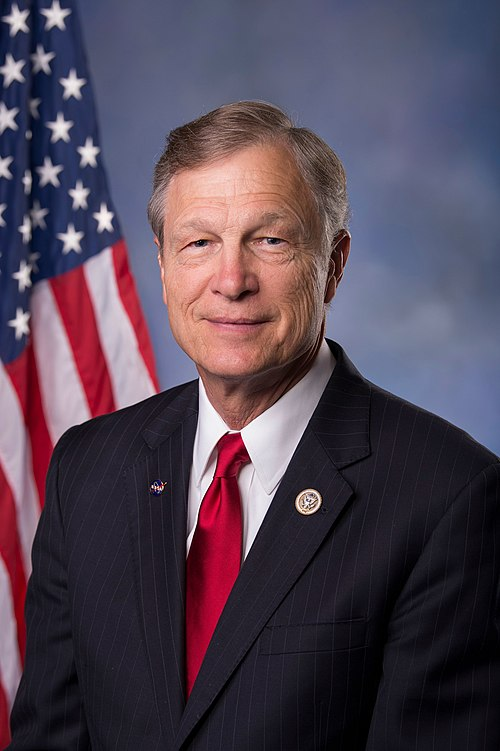
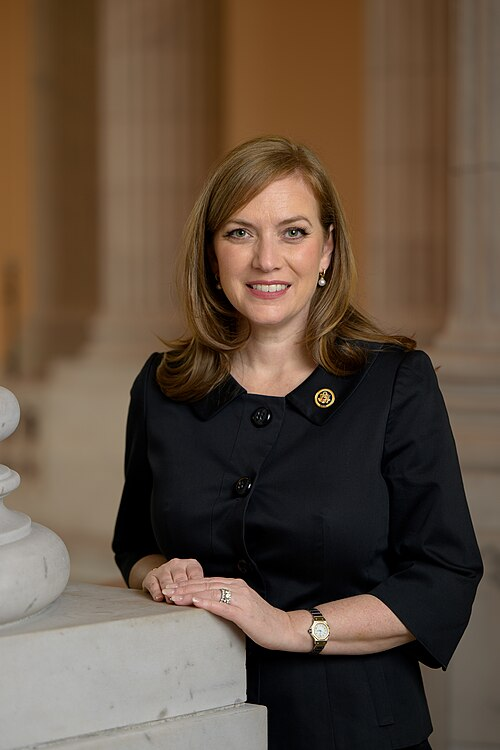
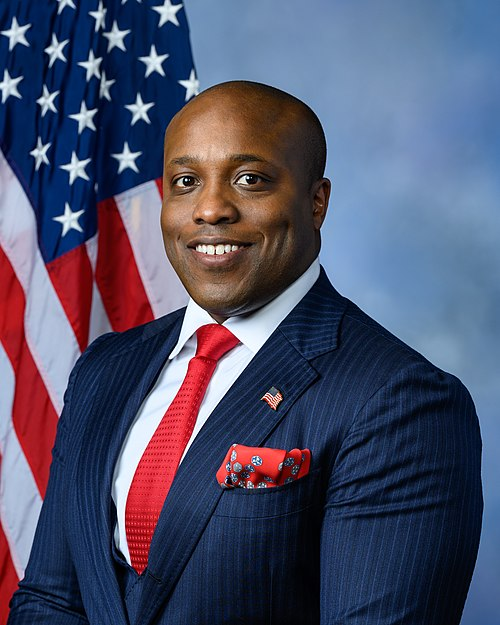
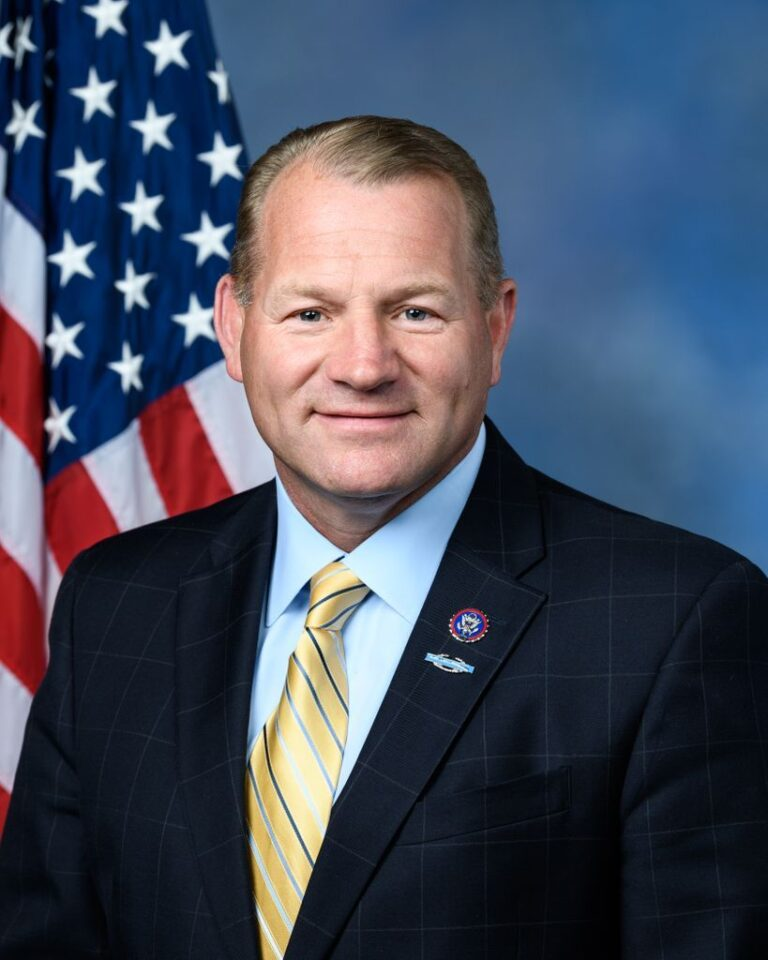
6 bill sponsors
Actions
2 actions
| Date | Action |
|---|---|
| Jun. 15, 2026 | Introduced in House |
| Jun. 15, 2026 | Referred to the House Committee on Natural Resources. |
Corporate Lobbying
0 companies lobbying
None found.
* Note that there can be significant delays in lobbying disclosures, and our data may be incomplete.