H.R. 9255: Timeshare Transparency Act
This bill would create new federal rules for selling timeshares, aimed at making the terms clearer before a buyer signs.
What timeshare sellers would have to provide
Before a timeshare company can enter into a timeshare agreement with a buyer, the agreement would have to include, in a single document:
- An itemized list of all costs needed to buy and keep the timeshare, including ongoing fees.
- A list of any fees that the company can change, along with an explanation of how and when the buyer will be told about changes.
- A list of all options the buyer has for ending ownership.
- A statement that the buyer can cancel the agreement without penalty within 14 days after signing.
Buyer review protections
Before signing, the buyer must be given a chance to review all of the agreement documents without being supervised by a timeshare company employee. This is meant to allow the person to look over the paperwork privately before deciding.
Enforcement
The bill would make violations of these requirements count as unfair or deceptive practices under Federal Trade Commission law. That means the Federal Trade Commission (FTC) could enforce the rules using its existing authority, including any penalties and other remedies available under the FTC Act. The FTC would also be directed to write any rules needed to carry out the law.
When it would apply
The new requirements would apply to timeshare agreements entered into 90 days after the bill becomes law.
State laws
The bill would not stop states from enforcing or adopting stronger consumer protections for timeshare sales.
Definitions
The bill defines a timeshare broadly as a long-term arrangement giving someone the right to use accommodations, facilities, or recreational sites for part of the year. It defines a timeshare company broadly as any person or business that sells, offers, arranges, or otherwise provides timeshares to consumers for money.
Relevant Companies
- HLT — Hilton Worldwide Holdings Inc. Could be affected through its vacation ownership and timeshare-related business operations.
- WYN — Wyndham Destinations-related public trading historically linked to timeshare/vacation ownership; however, the current public company structure should be checked as this ticker may not reflect the present entity. Direct timeshare sales and disclosures could be affected if applicable.
- MAR — Marriott International Inc. Could be affected through its vacation ownership and timeshare-related offerings.
- ILG — Interval Leisure Group historically had timeshare-related business lines; however, this ticker is no longer active. Mentioned only because legacy timeshare operations in the public market may be affected through successor structures.
This is an AI-generated summary of the bill text. There may be mistakes.
Sponsors
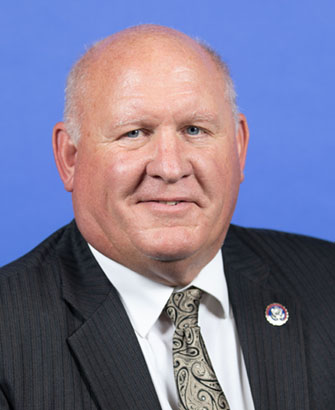
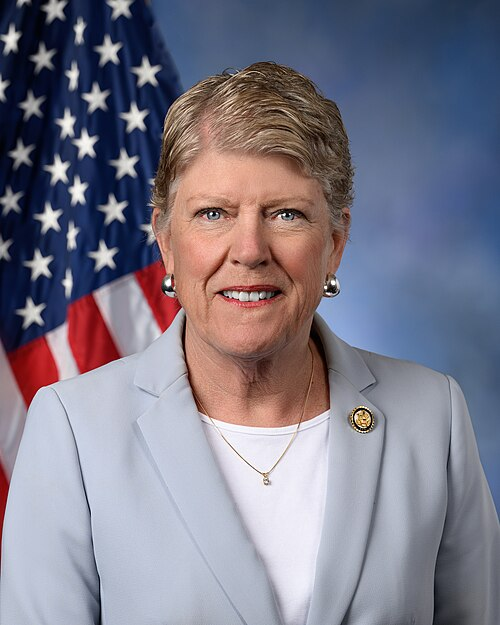
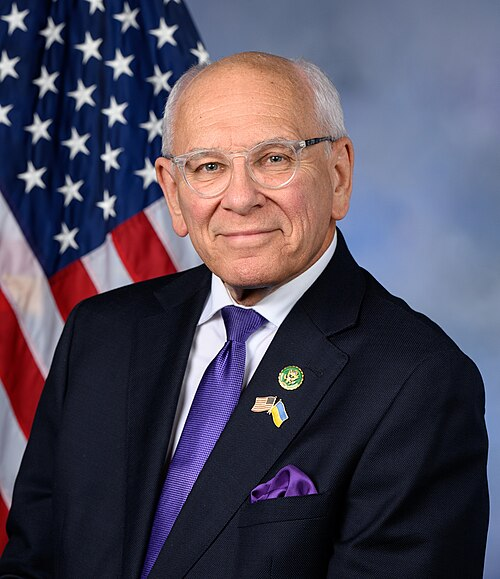
7 bill sponsors




Actions
2 actions
| Date | Action |
|---|---|
| Jun. 10, 2026 | Introduced in House |
| Jun. 10, 2026 | Referred to the House Committee on Energy and Commerce. |
Corporate Lobbying
0 companies lobbying
None found.
* Note that there can be significant delays in lobbying disclosures, and our data may be incomplete.