H.R. 9097: American Manufacturing Revitalization Exchange Program Act of 2026
This bill would create a new, temporary federal exchange program aimed at improving U.S. manufacturing skills by sending a limited number of Americans to train in allied countries.
What the program would be
The bill establishes the American Manufacturing Revitalization Exchange Program, run by the State Department’s educational and cultural affairs office. Its goal is to help build manufacturing knowledge, training, and expertise in the United States by placing participants with manufacturing companies, institutions, or sectors in allied nations.
Who could participate
The program would be limited to no more than 10 participants per year. Participants would have to:
- Be a U.S. citizen
- Have manufacturing or apprenticeship experience, or be enrolled in a relevant trade school, vocational school, or college program with the needed prerequisite training
- Show language proficiency for the host country, or have a plan to gain it
When choosing participants, the government could also consider experience in management, training, higher education, or labor organization programs.
Where participants would go and what they would do
Participants would be placed in approved manufacturing sectors, institutions, or companies in allied countries. The bill specifically mentions areas such as:
- Robotics
- Semiconductors
- Aeronautics and space-related manufacturing
- Additive manufacturing
- Shipbuilding
- Energy and mining
- Automotive manufacturing
- Other sectors the government identifies as strategically important
Participants would take part in pre-travel orientation, hands-on training, research projects, workshops, conferences, and other professional development activities. They would also be expected to build professional networks, share knowledge, and act as a cultural and workforce representative of the United States while abroad.
Funding and support
The program would provide each participant a stipend meant to cover reasonable costs, which may include:
- Housing, food, and local transportation
- Training materials and digital tools
- Visa and immigration fees
- Travel to and from the host country
- Health care for the participant and dependents
- Other approved program-related expenses
What happens after the exchange
The bill requires the government to document what participants learn and share that information with U.S. manufacturing and training organizations when they return. It also encourages participants to receive industry-recognized credentials or course credit where possible.
Reporting and oversight
The State Department would have to report to Congress after the first group finishes the program and then every year after that. The reports would cover:
- Who participated and where they came from
- What training or placements they received
- What they learned
- The costs of the program
- How effective the program was
- Suggestions for improving it
- Whether participants went on to jobs or further training afterward
Other provisions
The bill encourages the government to work with allied nations, corporations, and other organizations to support the program. It also directs the Assistant Secretary to study how the program could be expanded and sustained in the future.
Duration
The program would be temporary. The entire act and the exchange program would expire two years after enactment unless renewed by Congress.
Relevant Companies
- None found
This is an AI-generated summary of the bill text. There may be mistakes.
Sponsors
11 bill sponsors
-
TrackBill Huizenga
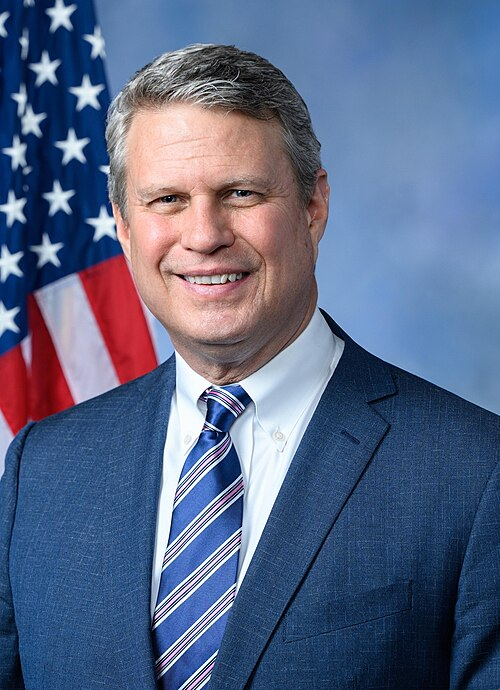
Sponsor
-
TrackJames R. Baird
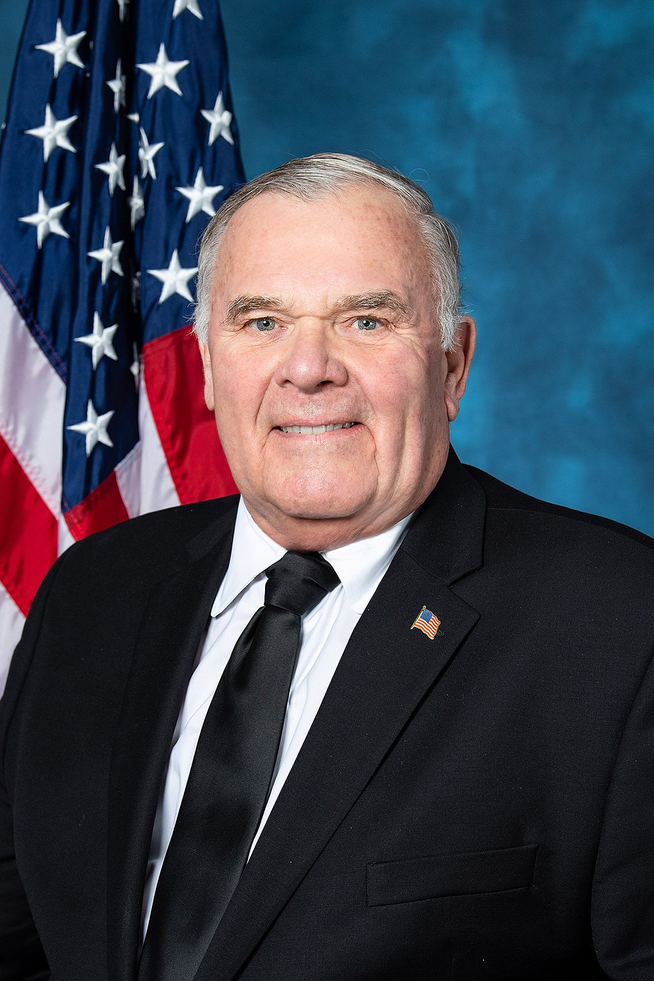
Co-Sponsor
-
TrackGus M. Bilirakis

Co-Sponsor
-
TrackThomas H. Kean, Jr.
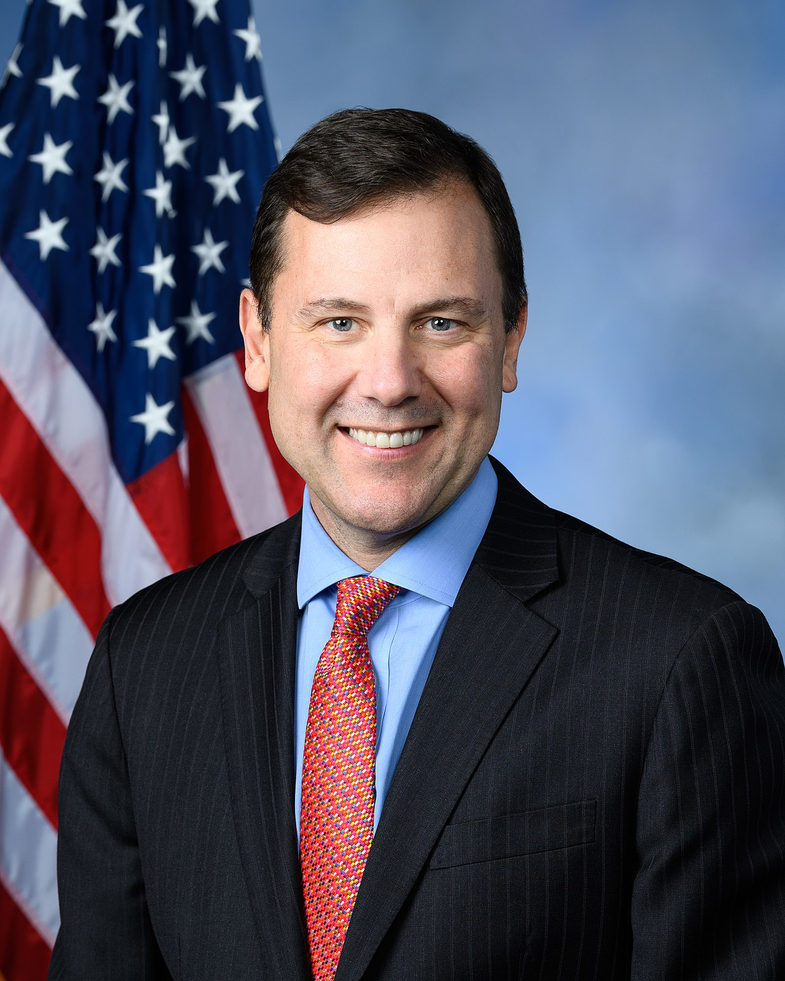
Co-Sponsor
-
TrackYoung Kim
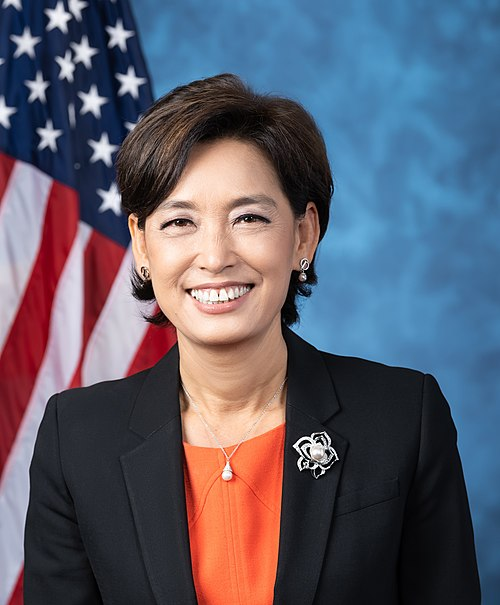
Co-Sponsor
-
TrackGeorge Latimer
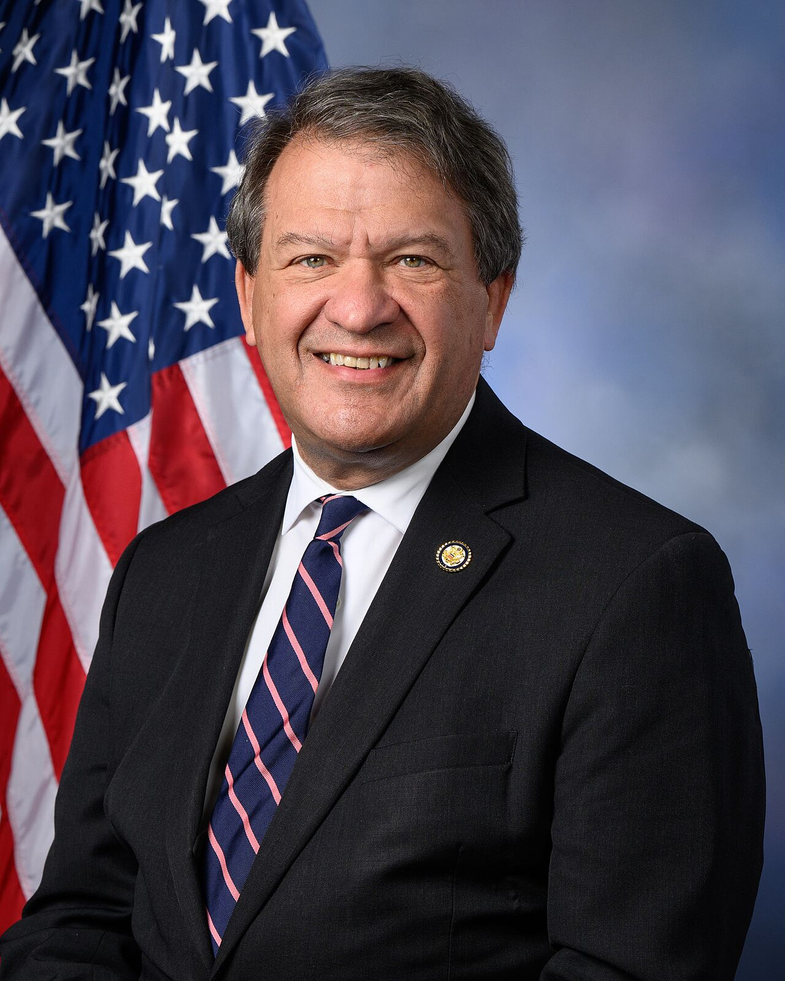
Co-Sponsor
-
TrackSarah McBride

Co-Sponsor
-
TrackMichael T. McCaul
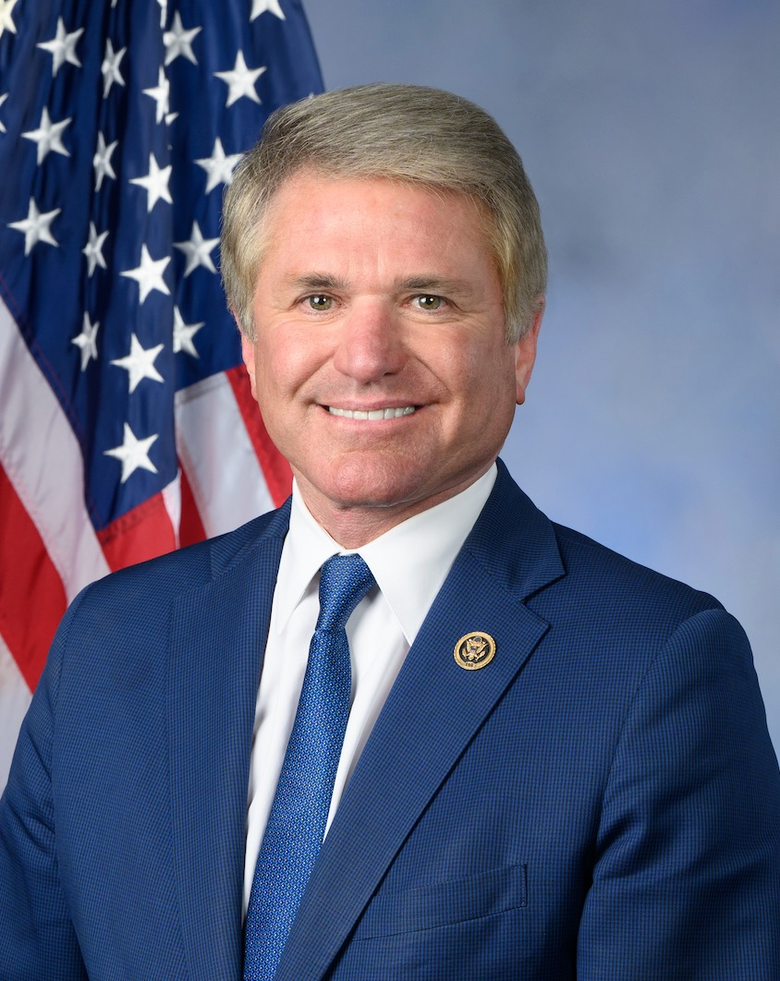
Co-Sponsor
-
TrackJohnny Olszewski
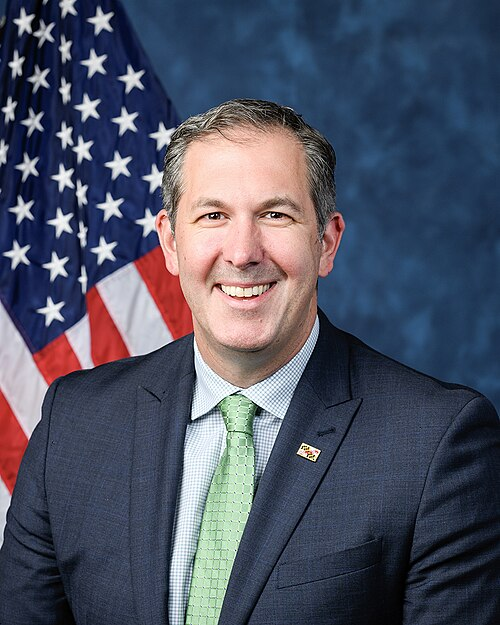
Co-Sponsor
-
TrackAumua Amata Coleman Radewagen
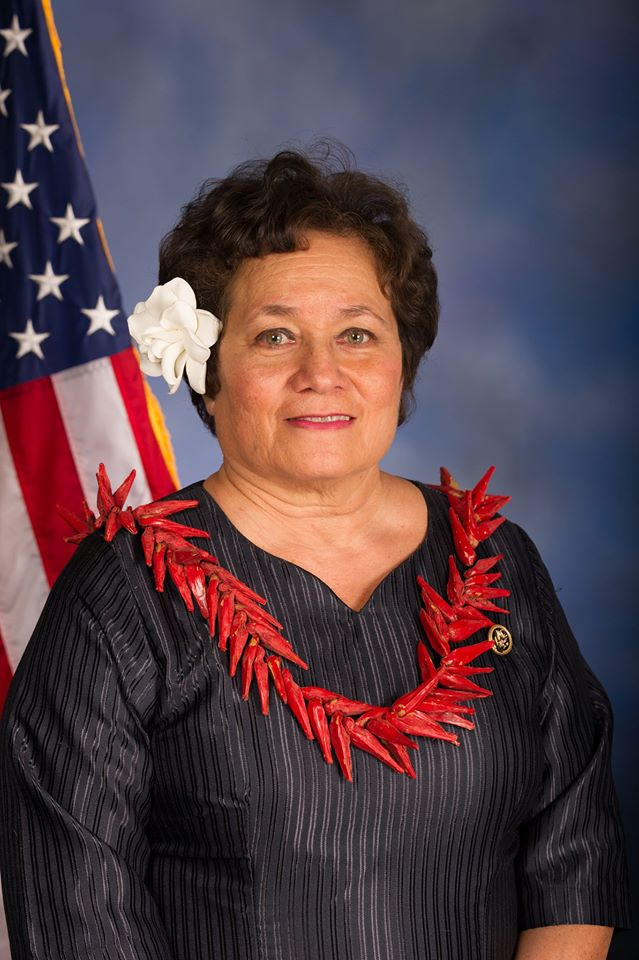
Co-Sponsor
-
TrackGlenn Thompson
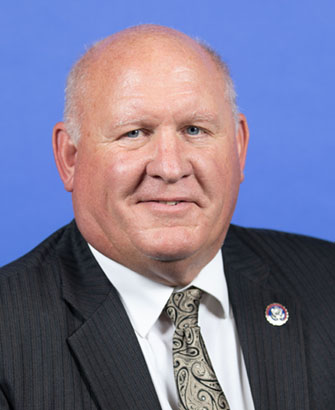
Co-Sponsor
Actions
2 actions
| Date | Action |
|---|---|
| Jun. 02, 2026 | Introduced in House |
| Jun. 02, 2026 | Referred to the House Committee on Foreign Affairs. |
Corporate Lobbying
0 companies lobbying
None found.
* Note that there can be significant delays in lobbying disclosures, and our data may be incomplete.
Potentially Relevant Congressional Stock Trades
No relevant congressional stock trades found.