H.R. 8794: Fostering Effective Diagnosis and Treatment for Underserved Populations with Bleeding Disorders Act of 2026
This legislation, known as the "Fostering Effective Diagnosis and Treatment for Underserved Populations with Bleeding Disorders Act of 2026," aims to enhance research and initiatives related to bleeding disorders, particularly focusing on women and underserved populations. Here are the main components of the bill:
Findings
- It is estimated that approximately 1% of women in the U.S. have a bleeding disorder, often without awareness of their condition.
- Women have experienced delays in diagnosis that can extend beyond 16 years.
- Timely diagnosis is crucial for women with von Willebrand disease, which aligns with public health goals.
- Women lacking a diagnosis miss out on appropriate care from specialized providers, such as hemophilia treatment centers, where care is associated with lower mortality and hospitalization rates.
- The bill acknowledges higher risks of adverse pregnancy outcomes for women with bleeding disorders.
- Many women with hemophilia are at risk for heavy menstrual bleeding, leading to significant health costs and potentially unnecessary surgical interventions.
- The economic burden of heavy menstrual bleeding is substantial, with direct costs around $1 billion annually and indirect costs up to $12 billion.
- Research related to bleeding disorders can also contribute to military health and trauma care.
Interagency Review
The Secretary of Health and Human Services is tasked with conducting a comprehensive review of federal programs regarding:
- The current scientific understanding of bleeding disorders in women and girls.
- Training healthcare providers on bleeding disorders specific to women and girls.
- Access to services and treatments for women and girls, particularly in rural or underserved areas.
- Involving women and girls in clinical research for bleeding disorders.
A detailed report is to be submitted within two years, including findings and recommendations for improving federal programs relevant to these issues.
Public Comment Period
During the review, a public comment period will allow feedback from individuals affected by bleeding disorders, advocacy organizations, and research entities. This feedback will inform the review and report preparation.
Public Education Campaign
Within a year of the report publication, the Secretary will initiate a national education and awareness campaign focused on women and girls with bleeding disorders. This campaign is designed to:
- Enhance awareness, diagnosis, and treatment of bleeding disorders.
- Reach individuals in rural and underserved areas.
- Include culturally and linguistically appropriate resources.
- Disseminate information to healthcare providers and public health departments.
The funding allocation for this campaign is set at $10 million each fiscal year from 2027 to 2031.
Authorization of Appropriations
The bill authorizes an appropriation of $10 million annually to support the public education and awareness campaign over a period of five years.
Relevant Companies
- BMY (Bristol Myers Squibb): As a major developer of hemophilia treatments, the bill's focus on increased research and treatment access may affect their product development strategies and market dynamics.
- NVTA (Invitae Corporation): This company specializes in genetic testing for various disorders, including bleeding disorders. Increased research might lead to higher demand for genetic testing services.
This is an AI-generated summary of the bill text. There may be mistakes.
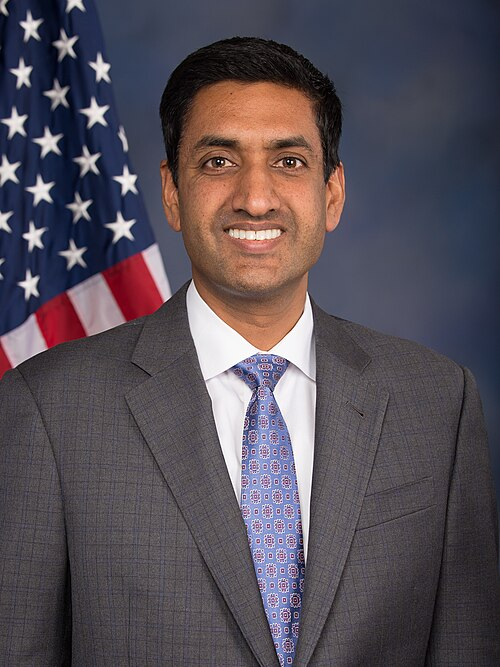
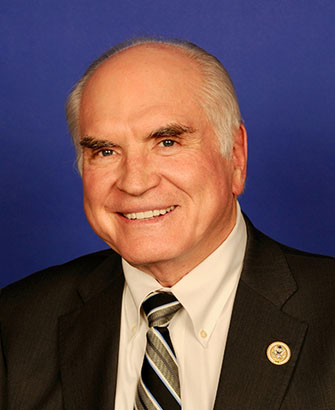
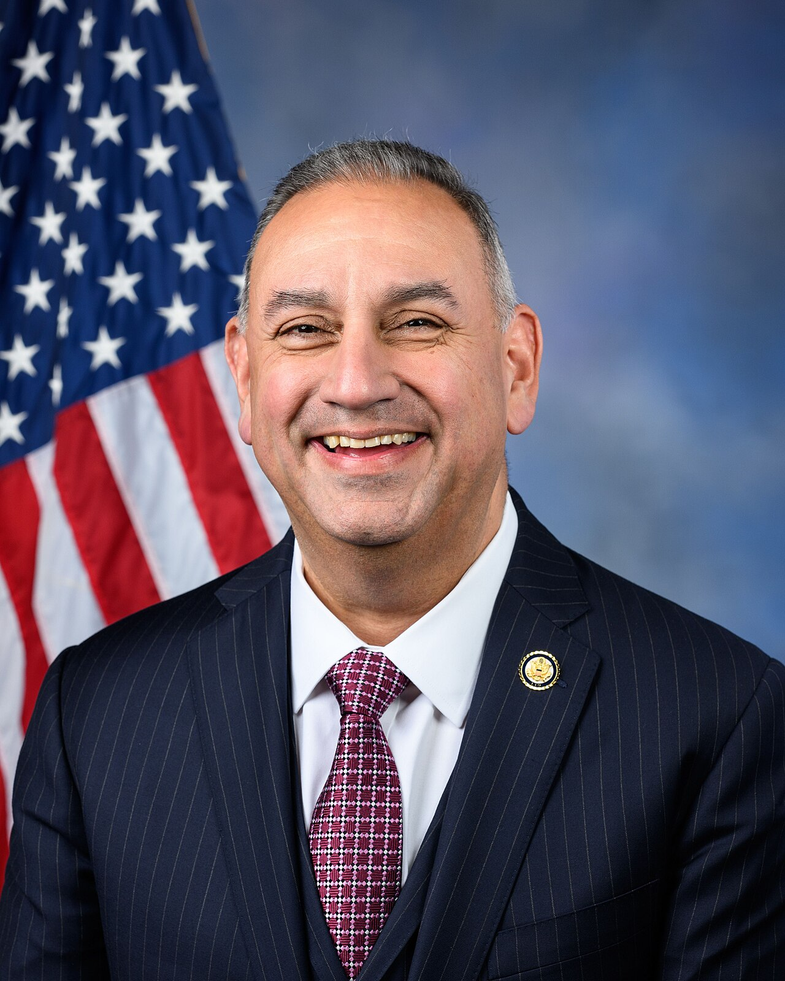
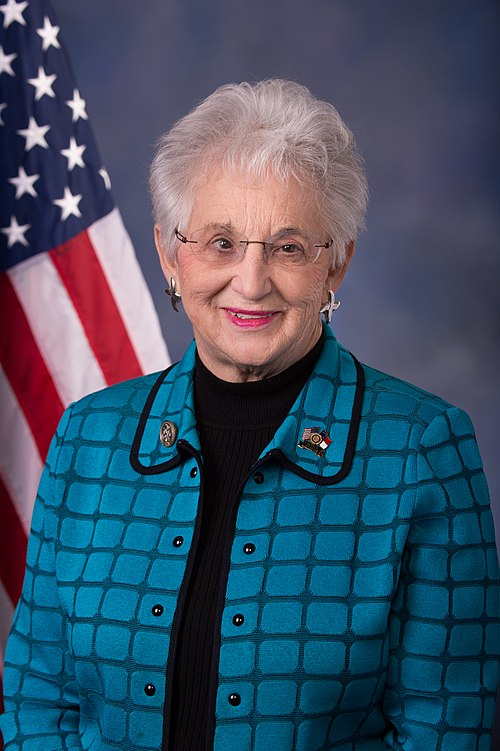
Sponsors
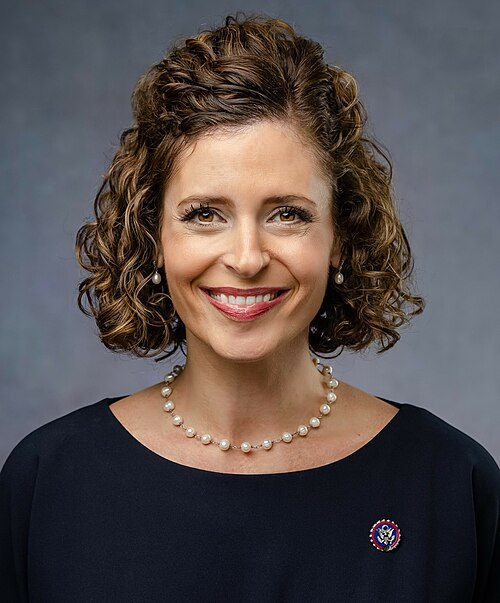
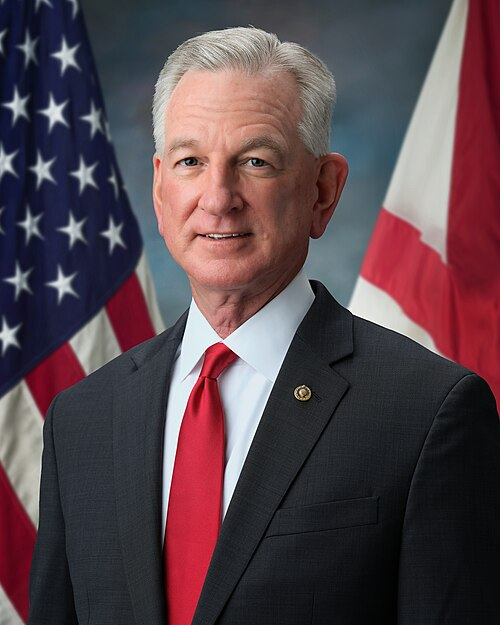
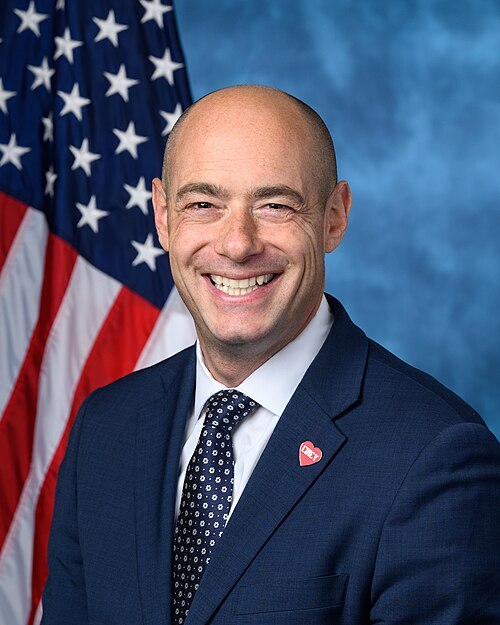
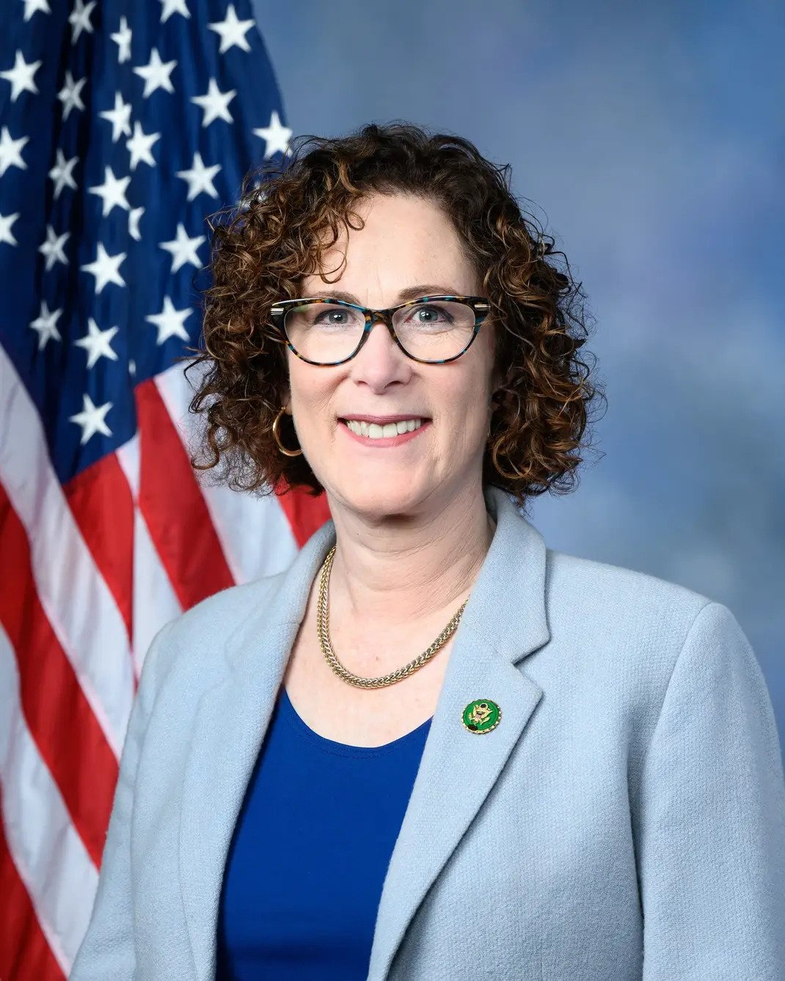
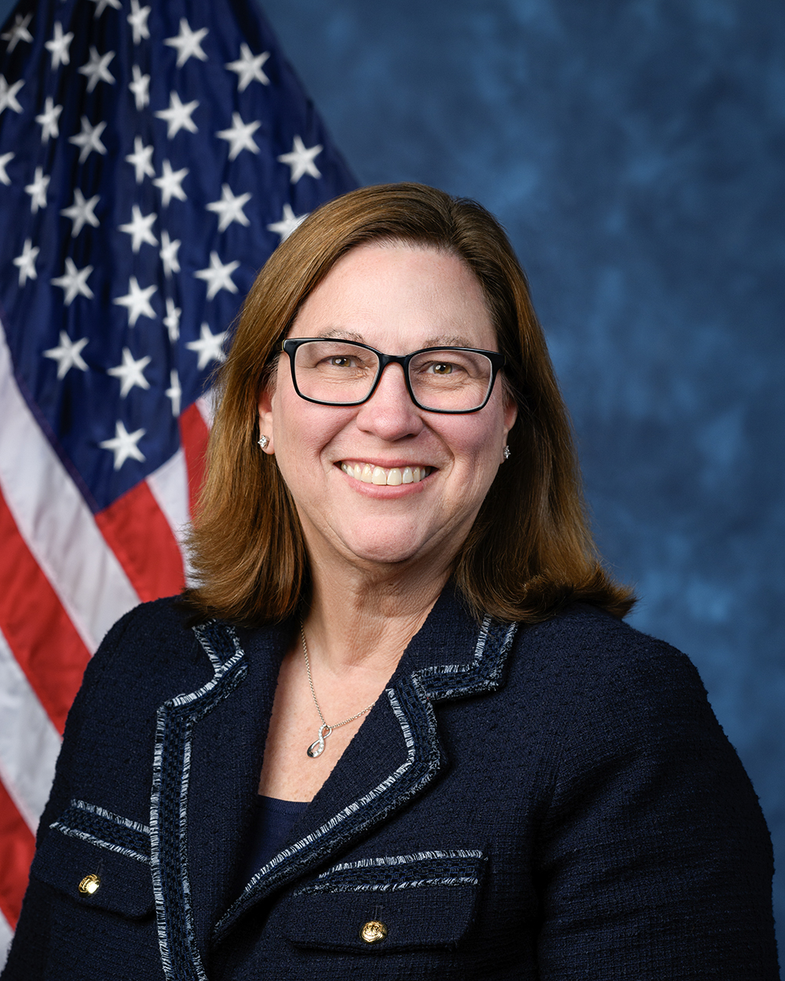
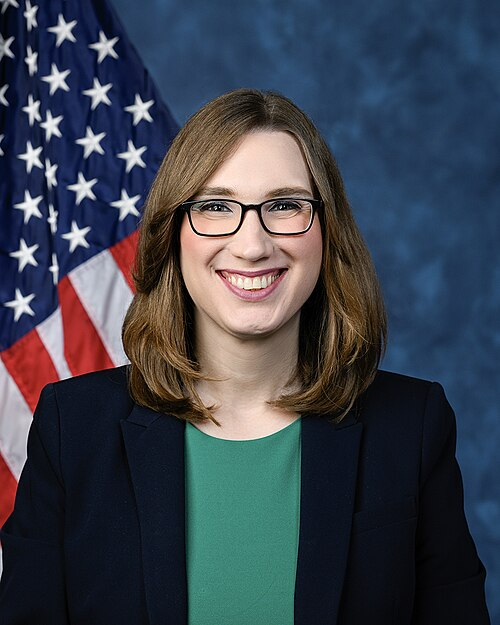
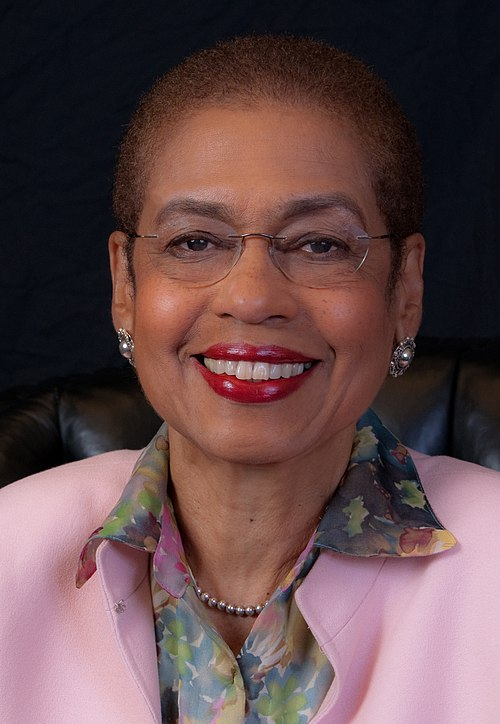
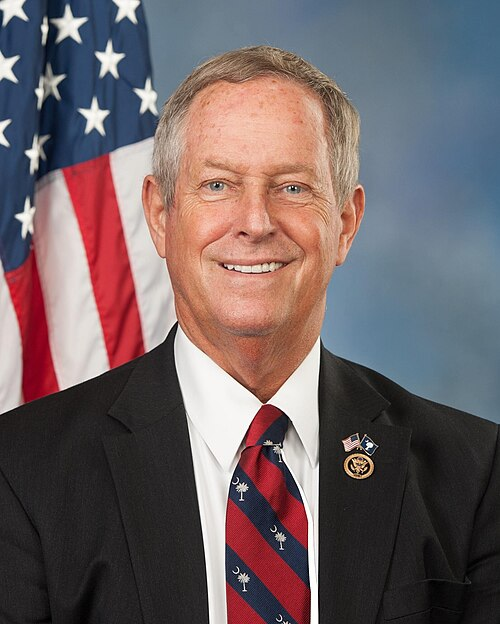
4 bill sponsors
Actions
2 actions
| Date | Action |
|---|---|
| May. 13, 2026 | Introduced in House |
| May. 13, 2026 | Referred to the House Committee on Energy and Commerce. |
Corporate Lobbying
0 companies lobbying
None found.
* Note that there can be significant delays in lobbying disclosures, and our data may be incomplete.