H.R. 8697: Guard the Skies Act
This bill, known as the **Guard the Skies Act**, aims to enhance national security by allowing the National Guard to protect specific facilities and assets from threats posed by unmanned aircraft, commonly known as drones. Here's a breakdown of its key components:
Amendments to the Homeland Security Act of 2002
The bill makes several modifications to the Homeland Security Act of 2002, specifically in Section 210G, which focuses on the roles of various government entities in safeguarding against threats from unmanned aircraft:
- Inclusion of the Department of Defense: The Secretary of Defense is given a role alongside the Department of Homeland Security and the Federal Aviation Administration (FAA) in coordinating actions against unmanned aircraft threats.
- State Requests: The Secretary of Defense can respond to requests from state executives to protect against unmanned aircraft at certain facilities, enhancing collaboration between state officials and federal agencies.
Authorization for National Guard Actions
The bill introduces a new section (130j) within Title 10 of the United States Code that provides clearer authority for the National Guard to intervene in situations involving unmanned aircraft, under specific conditions:
- Missions Authorized: The National Guard can be authorized to undertake protective measures against unmanned aircraft if requested by a state executive and approved by the Secretary of Defense.
- Duty Requirements: National Guard members must be on active duty or assigned to specific tasks related to the protection against unmanned aircraft to engage in these protective actions.
Changes to Active Duty Regulations
The bill also amends the procedures for activating members of the Selected Reserve or Individual Ready Reserve (IRR) to active duty. This new language implies that members may be activated not only in times of war or national emergency but also for missions to protect against unmanned aircraft, thereby broadening the circumstances under which they can be mobilized.
Field Exercise and Training Inclusion
Finally, the bill updates regulations regarding required drills and field exercises for National Guard members to explicitly include training and exercises that support the new activities authorized under section 130j, ensuring that these operations become an integral part of their training regimen.
Relevant Companies
- DJI Technology - As a leading manufacturer of drones, DJI could be directly impacted by increased regulations and protective measures against unmanned aircraft operations.
- Alphabet Inc. (GOOGL) - The parent company of Google, which is involved in drone delivery systems, may face operational changes or increased scrutiny under new regulations.
- Palantir Technologies - Known for data analytics and security solutions, changes in drone use and protection could affect its government contracts and operational focus.
This is an AI-generated summary of the bill text. There may be mistakes.
Sponsors
11 bill sponsors
-
TrackMichael T. McCaul
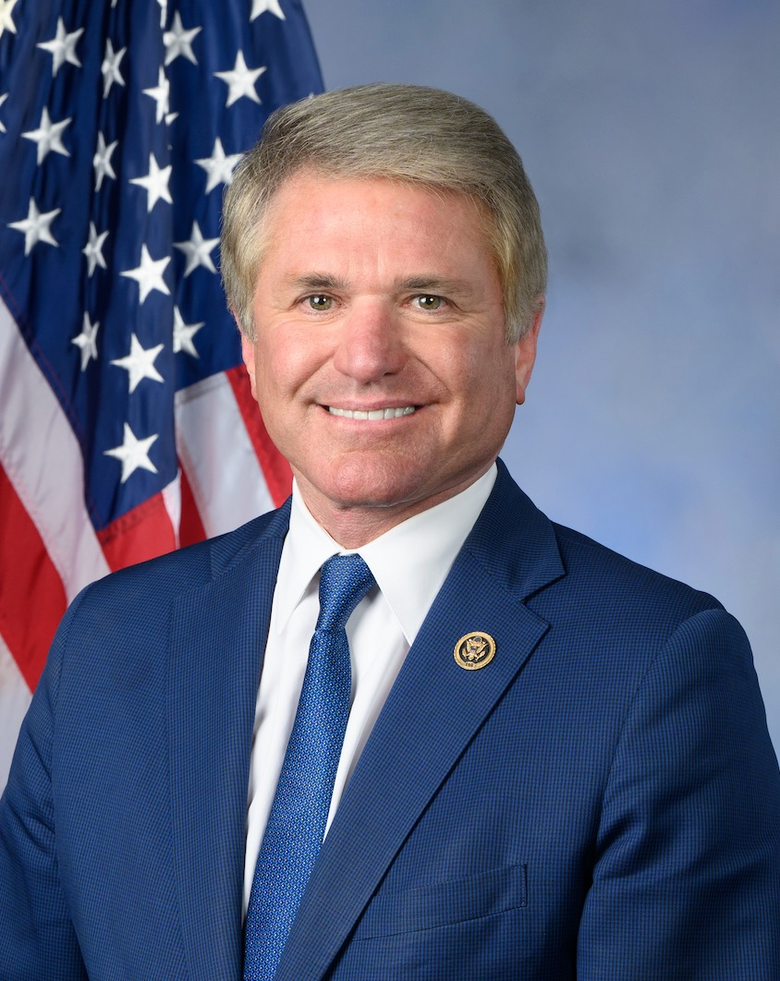
Sponsor
-
TrackMichael Baumgartner
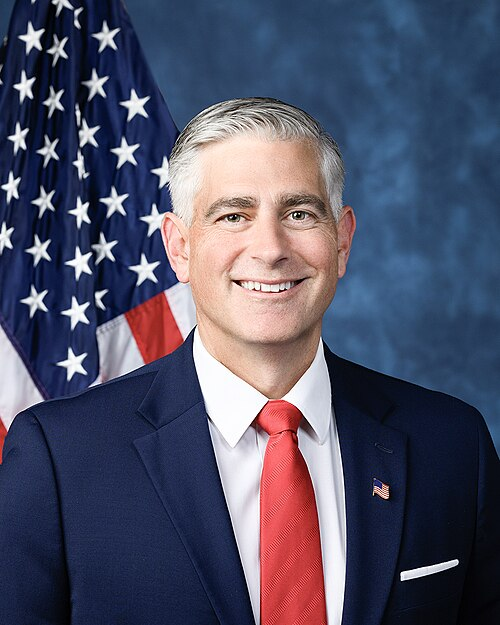
Co-Sponsor
-
TrackElijah Crane
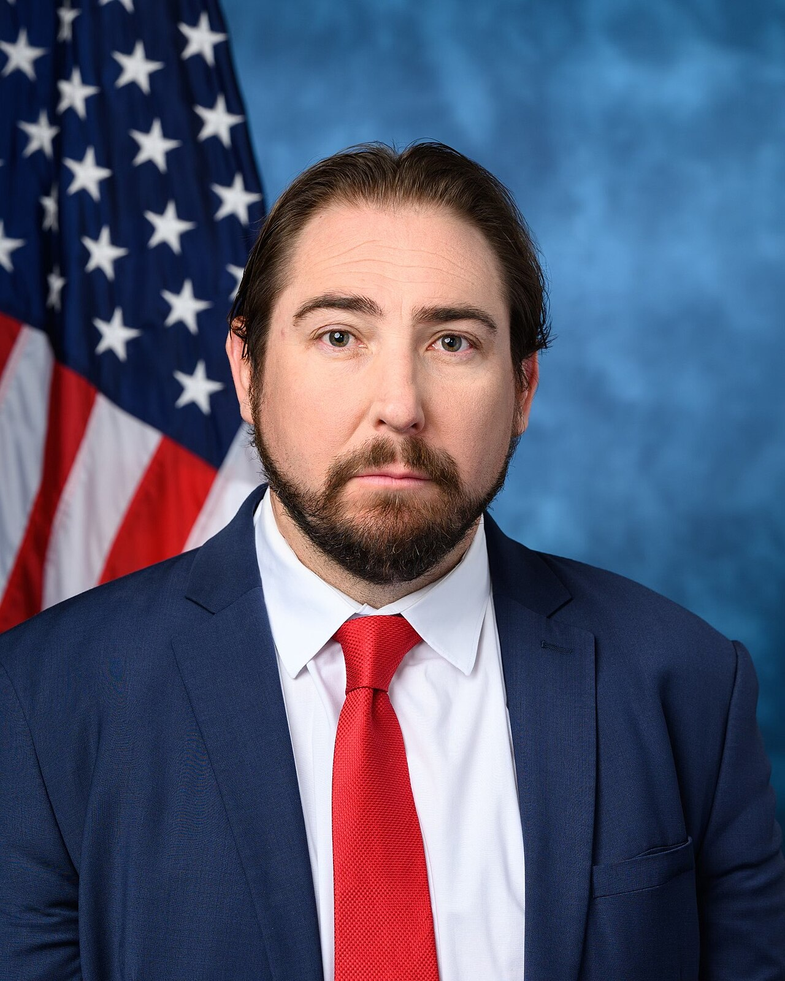
Co-Sponsor
-
TrackJosh Gottheimer
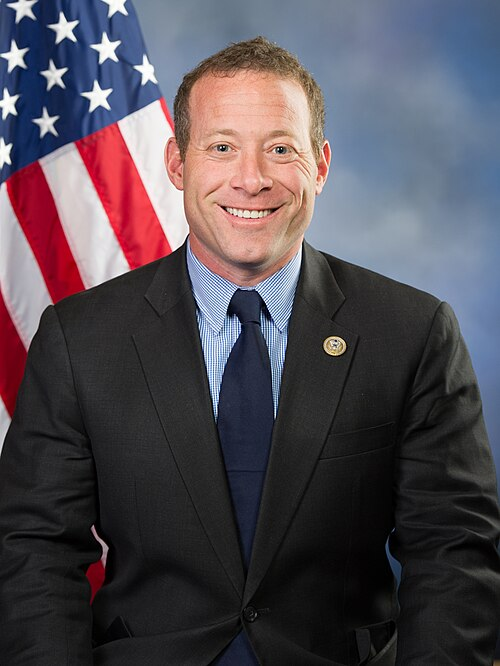
Co-Sponsor
-
TrackMichael Guest

Co-Sponsor
-
TrackChrissy Houlahan
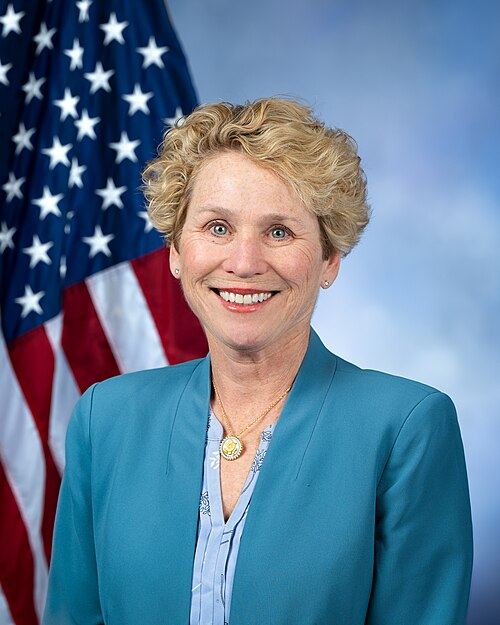
Co-Sponsor
-
TrackMarcy Kaptur

Co-Sponsor
-
TrackBurgess Owens
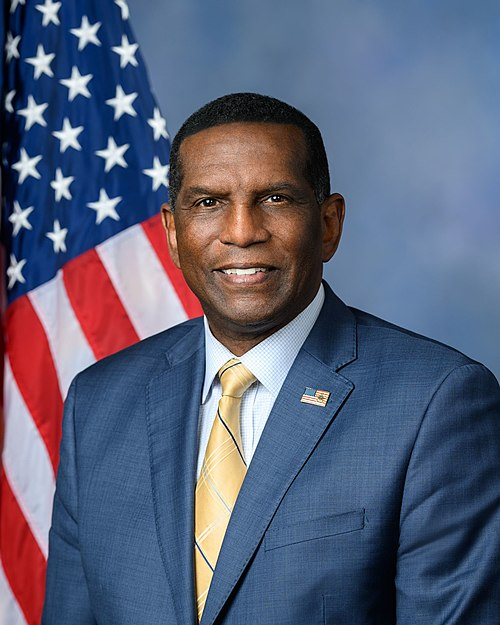
Co-Sponsor
-
TrackMike Quigley
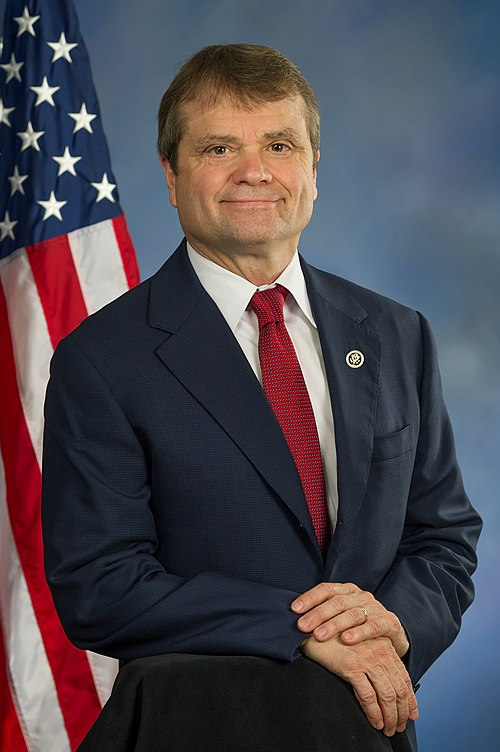
Co-Sponsor
-
TrackJohn H. Rutherford
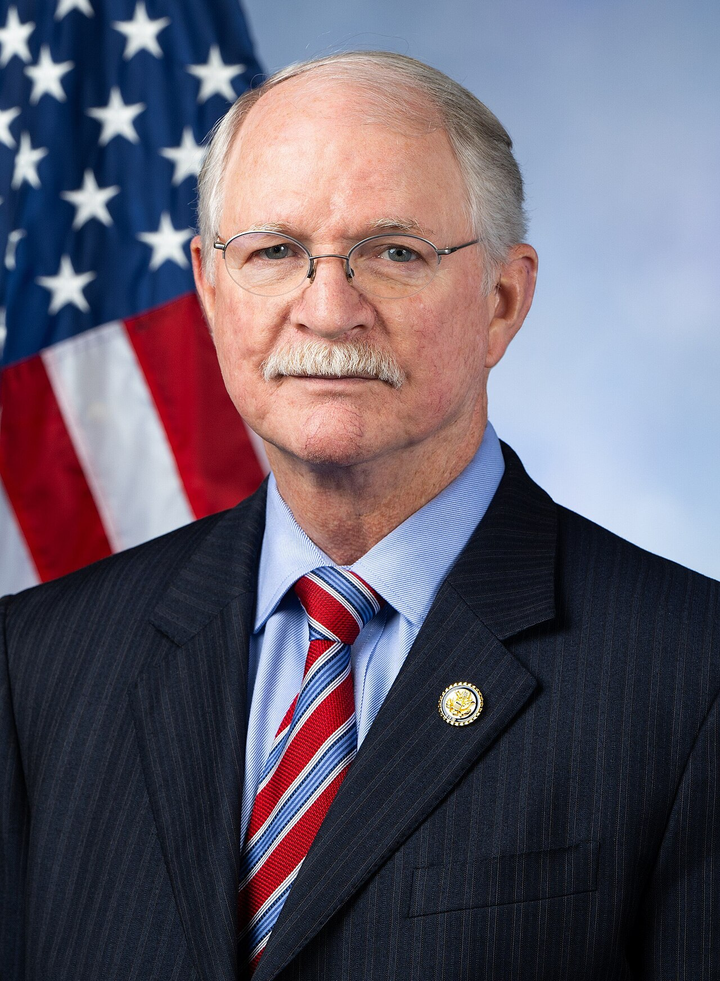
Co-Sponsor
-
TrackElise M. Stefanik

Co-Sponsor
Actions
2 actions
| Date | Action |
|---|---|
| May. 07, 2026 | Introduced in House |
| May. 07, 2026 | Referred to the Committee on Armed Services, and in addition to the Committees on Transportation and Infrastructure, and the Judiciary, for a period to be subsequently determined by the Speaker, in each case for consideration of such provisions as fall within the jurisdiction of the committee concerned. |
Corporate Lobbying
0 companies lobbying
None found.
* Note that there can be significant delays in lobbying disclosures, and our data may be incomplete.