H.R. 8689: Strategic Export Controls and Border Security Enhancement Act
The Strategic Export Controls and Border Security Enhancement Act aims to improve U.S. national security and foreign policy through the establishment of an Office of Export Controls and Border Security within the Department of State's Bureau of Arms Control and Nonproliferation. The key components of the bill include:
Purpose of the Office
The Office will focus on:
- Strengthening the capabilities of partner countries to protect U.S.-origin critical technologies and sensitive goods from misuse or unauthorized transfer.
- Developing legal and regulatory frameworks and enforcement mechanisms for managing the export and transfer of sensitive goods and technologies.
- Enhancing partner countries' ability to detect and stop unauthorized transfers of sensitive technologies at borders and transit points.
- Promoting secure trade practices and disrupting networks that could support the proliferation of weapons of mass destruction.
Coordination and Strategy Development
The Secretary of State will lead the development and implementation of a strategy that aligns U.S. foreign assistance in export controls and improves their effectiveness. This strategy will involve:
- Coordinating among various federal agencies to ensure export control programs are effective and aligned.
- Engaging with foreign governments to identify gaps in global export control enforcement.
- Identifying high-risk regions and transit hubs for sensitive goods to enhance cooperation and monitoring.
- Utilizing advanced technology, such as artificial intelligence, to improve risk assessments and customs enforcement in partner countries.
- Submitting a report to Congress outlining the strategy and its elements within 180 days of the bill's enactment.
Assistance Programs
The bill empowers the Secretary of State to oversee cooperation across various departments, ensuring that border security assistance programs are effectively integrated. The Office will be responsible for:
- Establishing procedures to reduce duplicative efforts among U.S. agencies involved in export control and border security.
- Aligning assistance programs with U.S. foreign policy and national security objectives.
- Evaluating programs to identify overlapping activities in priority regions.
Definitions
The bill defines critical terms, including:
- Proliferation-sensitive goods and related technologies: Items or technology that could contribute to the development of weapons of mass destruction or present a risk of diversion for misuse.
- Dual-use items: Products that have both civilian and military applications, as defined by prior legislation.
Impact on Foreign Affairs
The Act underscores the significance of diplomacy and cooperation with allies and international partners to enforce export controls and promote border security, which are crucial to U.S. national interests in preventing the proliferation of dangerous materials.
Relevant Companies
- BA (Boeing): The aerospace and defense contractor may face changes in export licensing regulations that could affect its ability to sell products internationally.
- RTX (Raytheon Technologies): As a major defense contractor, new export control measures may impact their global supply chain and partnership opportunities.
- LMT (Lockheed Martin): The defense and aerospace company may need to adapt to stricter export controls that limit the distribution of sensitive technologies.
This is an AI-generated summary of the bill text. There may be mistakes.
Sponsors
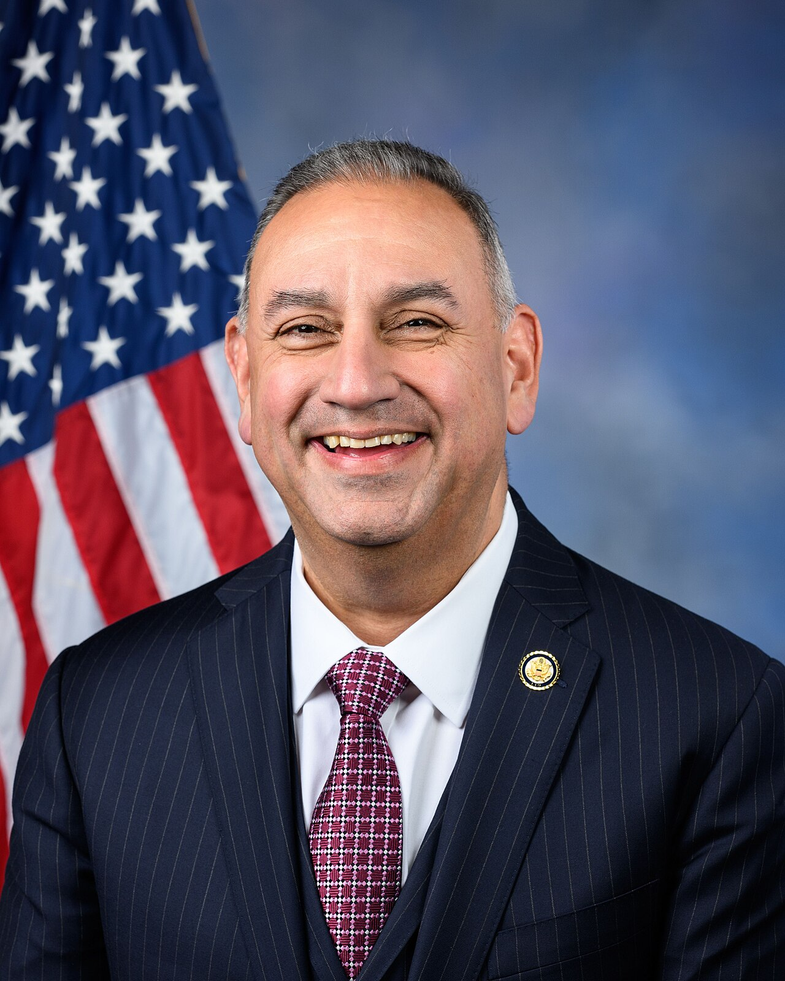
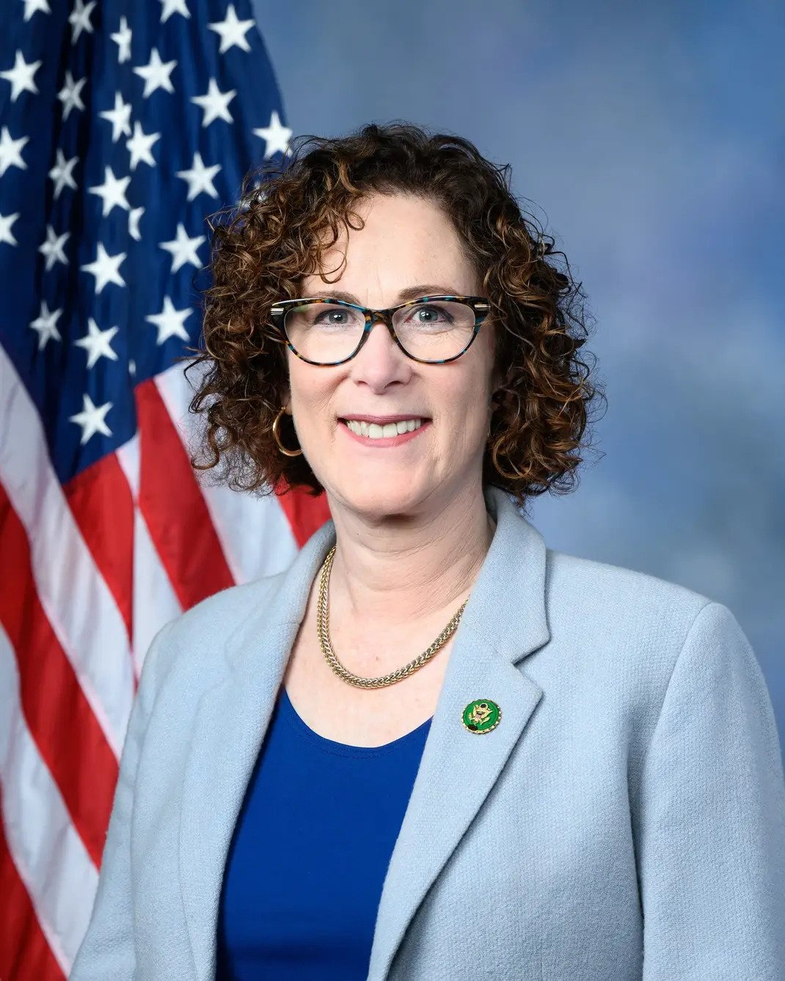
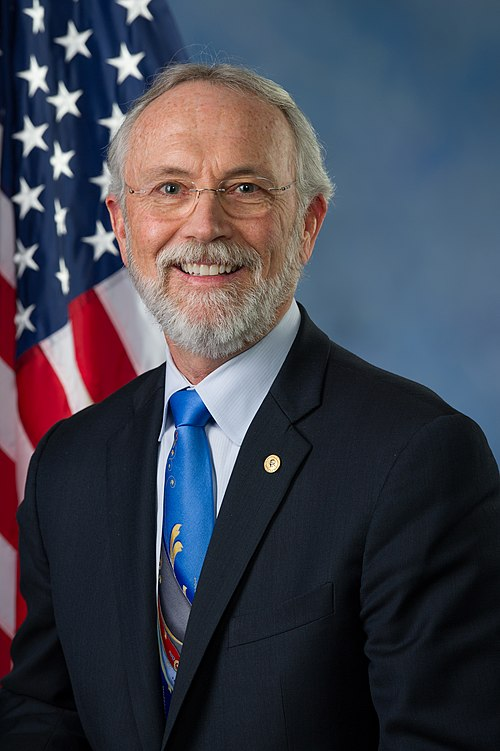
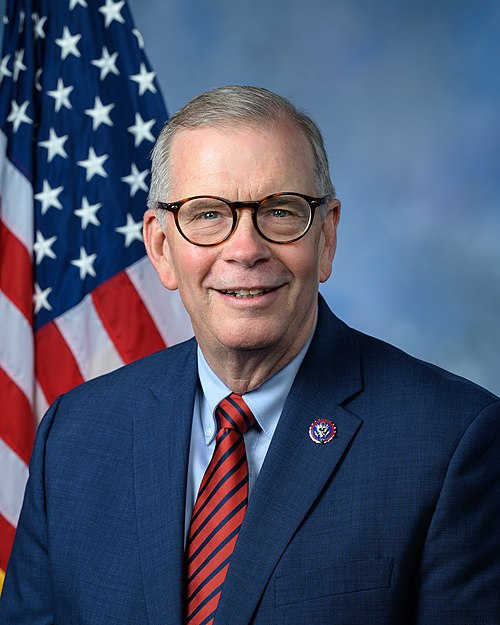
3 bill sponsors

Actions
2 actions
| Date | Action |
|---|---|
| May. 07, 2026 | Introduced in House |
| May. 07, 2026 | Referred to the House Committee on Foreign Affairs. |
Corporate Lobbying
0 companies lobbying
None found.
* Note that there can be significant delays in lobbying disclosures, and our data may be incomplete.