H.R. 8442: Patient Refunds for Bad Denials Act of 2026
The Patient Refunds for Bad Denials Act of 2026 aims to hold health insurance companies accountable for a high number of claims denials. Here’s what the bill entails in simpler terms:
Key Provisions of the Bill
1. **Civil Penalties for High Claims Denial Rates**: Health insurance companies can face financial penalties if they deny a significant percentage of claims. Specifically, if an insurance issuer’s denial rate is 25% or higher for a given plan year (starting in 2027), they could be fined. The maximum penalty can be up to $10 million, plus $2 million for each percentage point above the 25% threshold.
2. **Determining Claims Denial Percentage**: The bill outlines how to calculate the claims denial percentage, which includes evaluating the claims for services furnished during the year. Claims denied for reasons like fraud or lack of medical necessity may not count against the insurer’s denial rate, provided the insurer can prove these claims were correctly denied.
3. **Audits and Reviews**: The Secretary of Health and Human Services has the authority to perform audits on health insurance issuers to verify their claims denial rates. This means that they can investigate how claims are being handled and whether denials were justified.
4. **Refunds to Consumers**: If a health insurance company is penalized under this act, the money collected from the penalties will be redistributed to the individuals who were enrolled in the insurance during that plan year. This refund system aims to provide some restitution to consumers who may have been affected by the company's high denial rate.
Consumer Protections and Transparency
The bill also emphasizes consumer protections by requiring transparency in claims processing:
- Insurance companies that deny claims based on medical necessity must inform the affected individual about the standards they use to determine medical necessity and explain why the claim did not meet those standards.
- Insurance companies will need to report their overall claims denial rate for each plan year to the Secretary.
Implementation Timeline
The provisions of this act would apply to plan years starting on or after January 1, 2027.
Relevant Companies
- UNH - UnitedHealth Group may be affected if they have a high claims denial rate, leading to potential fines and impact on their consumer relations.
- ANTM - Anthem could face penalties if their claims denial practices do not improve, affecting their finances and customer satisfaction.
- CNC - Centene operates in the health insurance sphere and may need to adjust its claims processing strategies in response to this bill.
This is an AI-generated summary of the bill text. There may be mistakes.
Sponsors
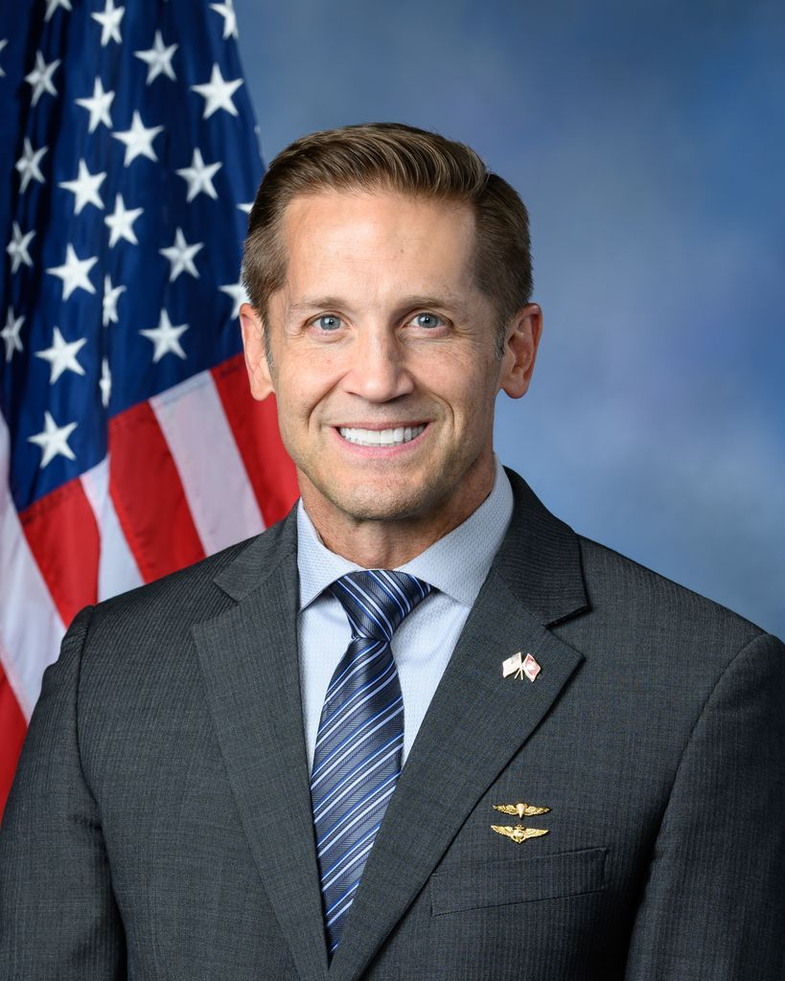
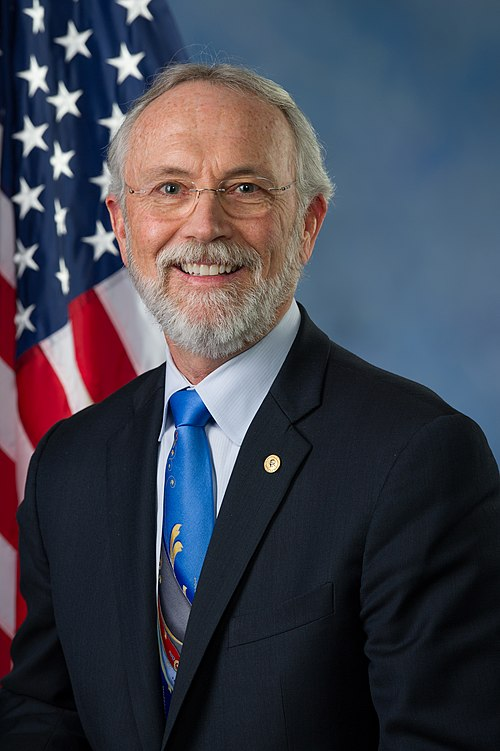
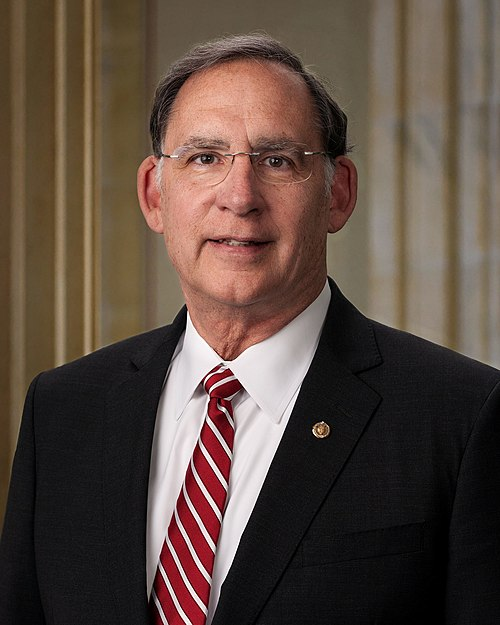
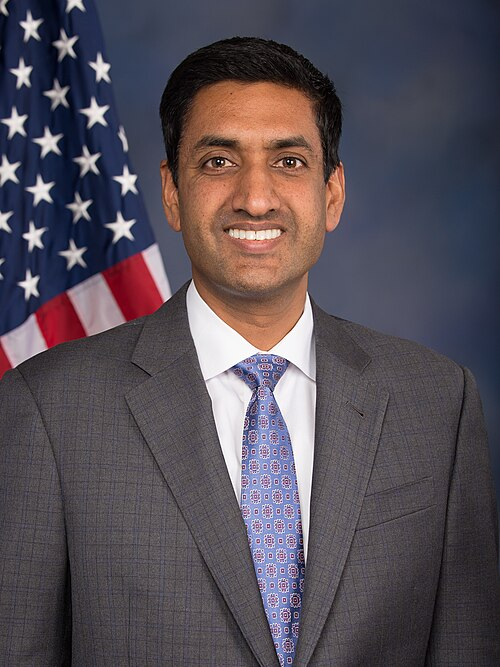
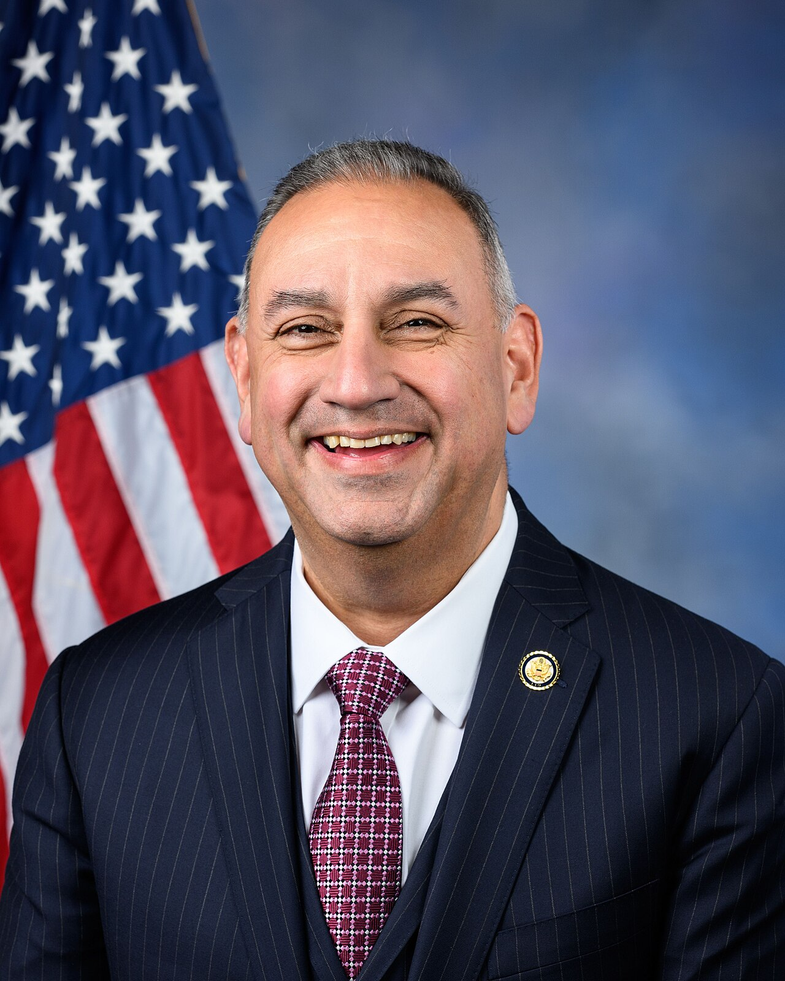
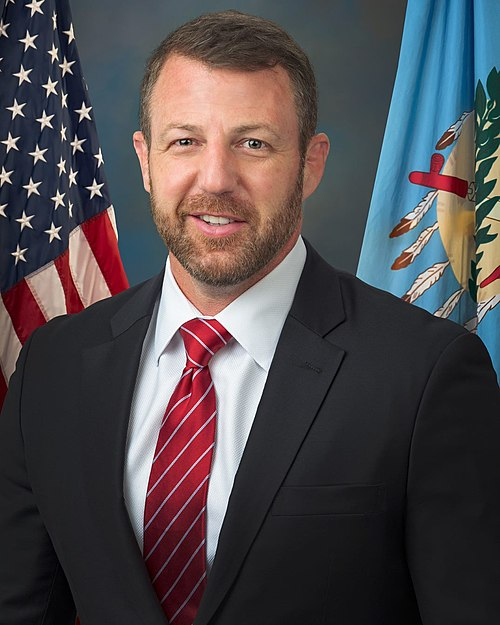
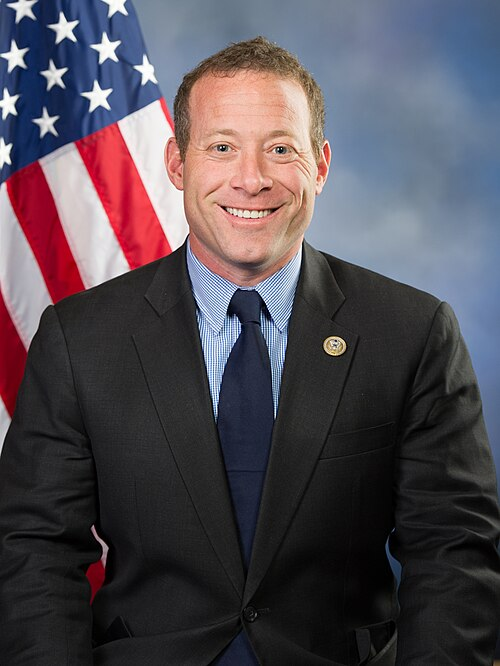
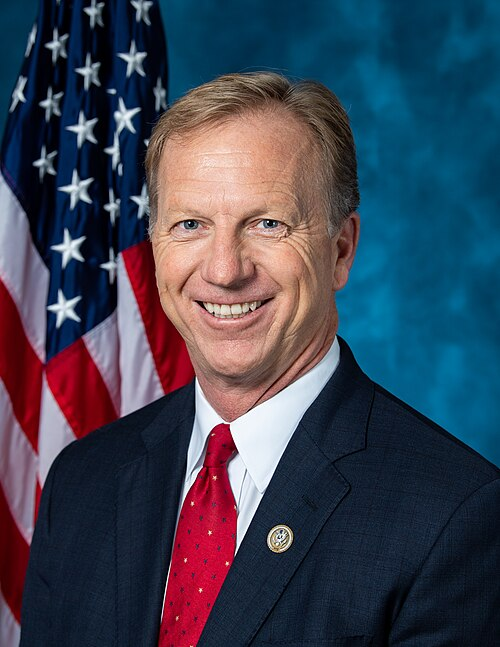
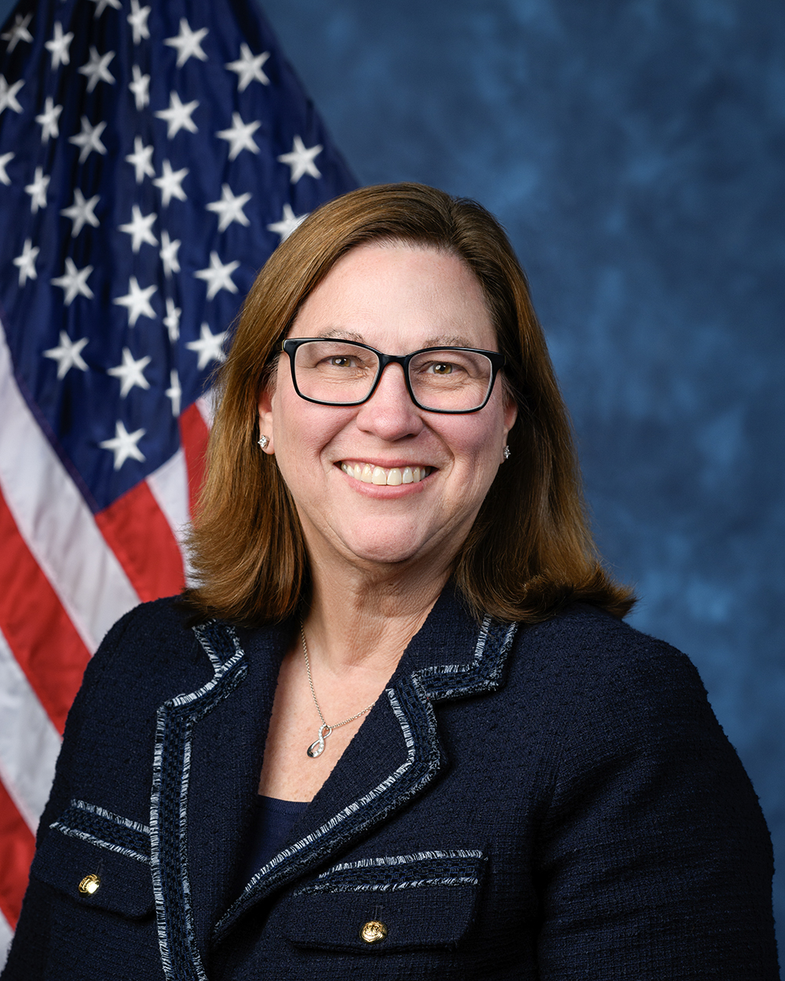
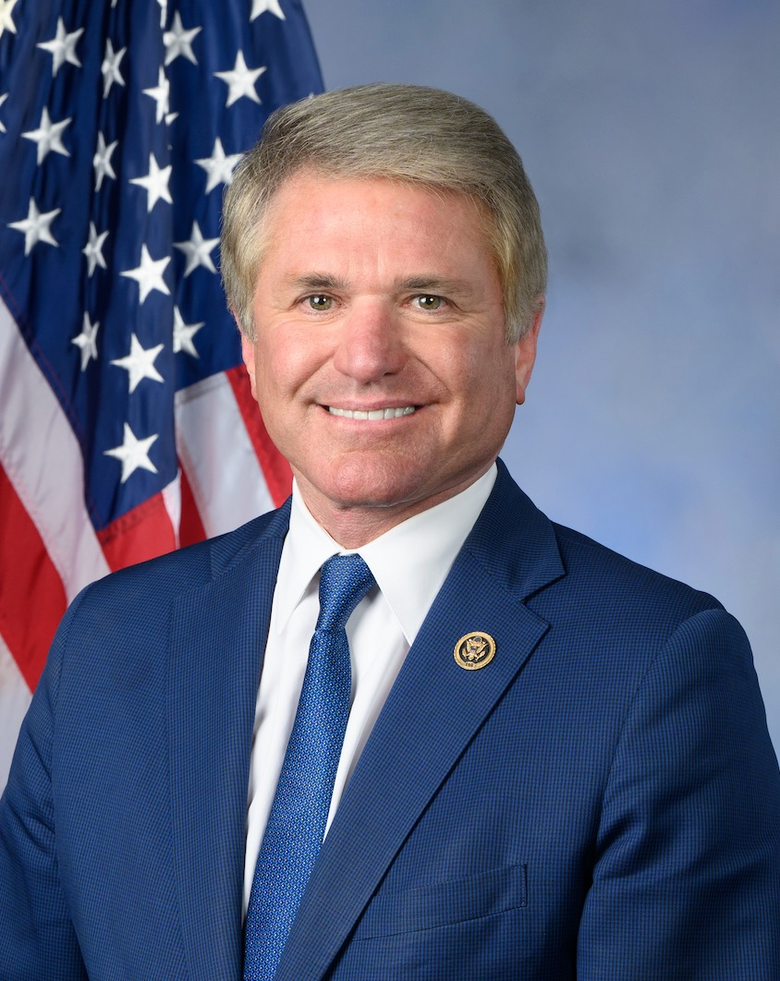
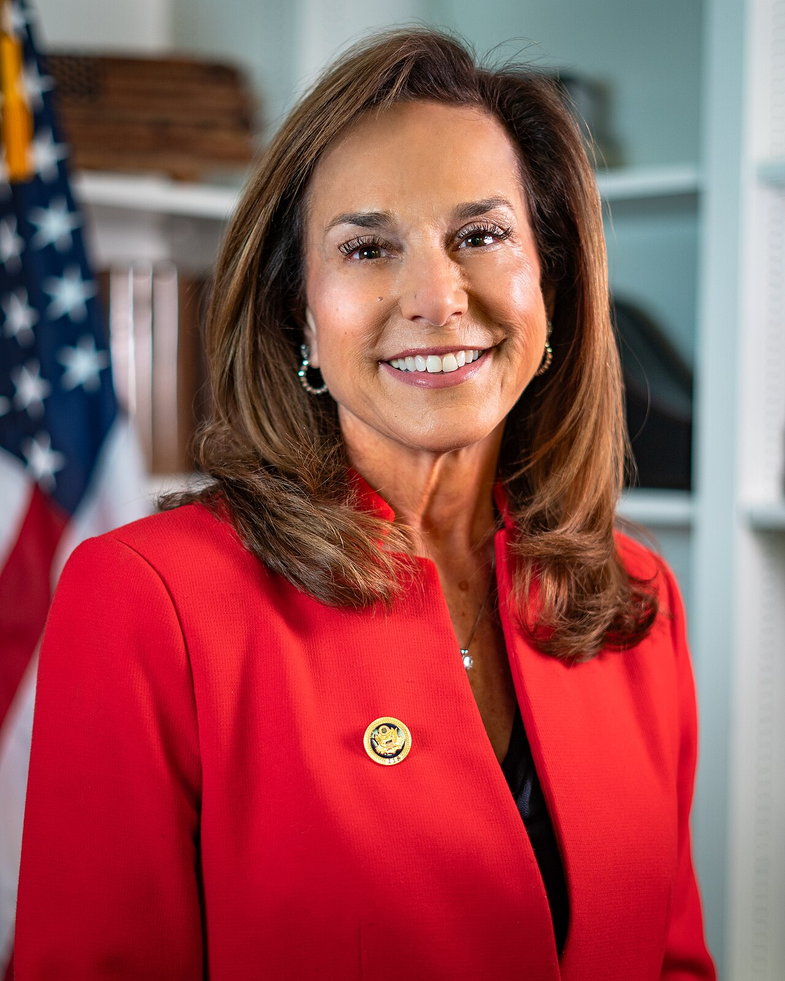
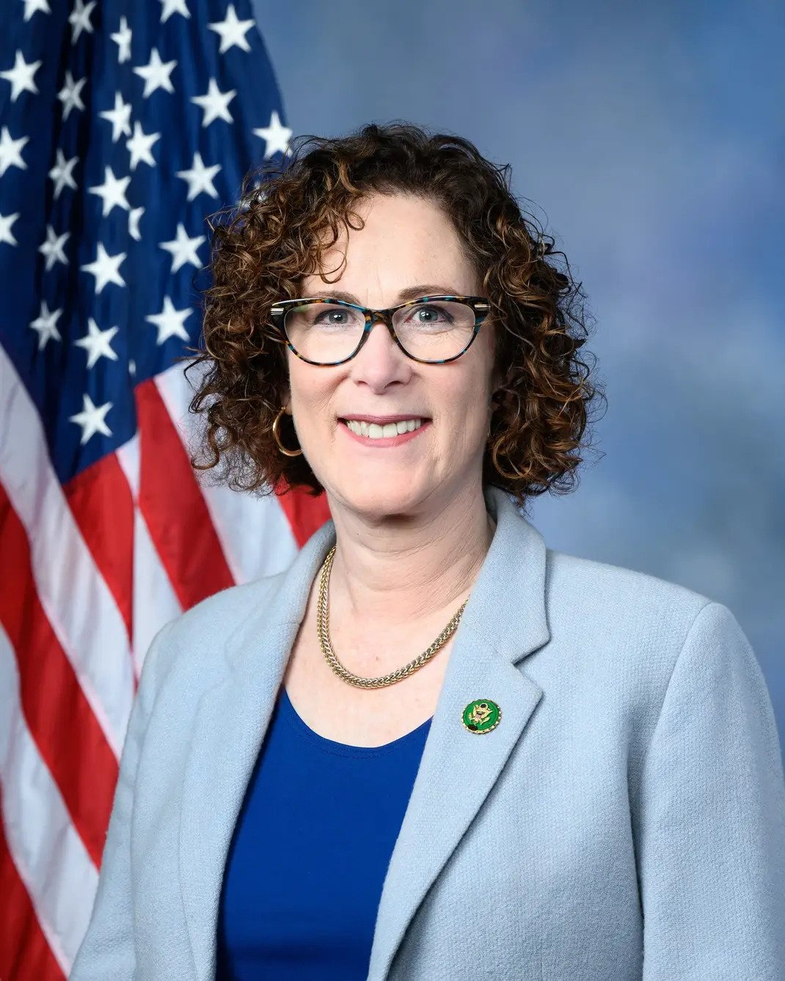
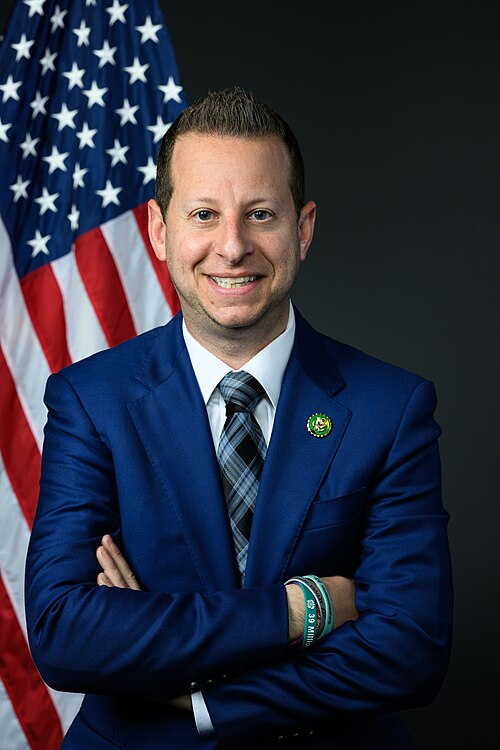
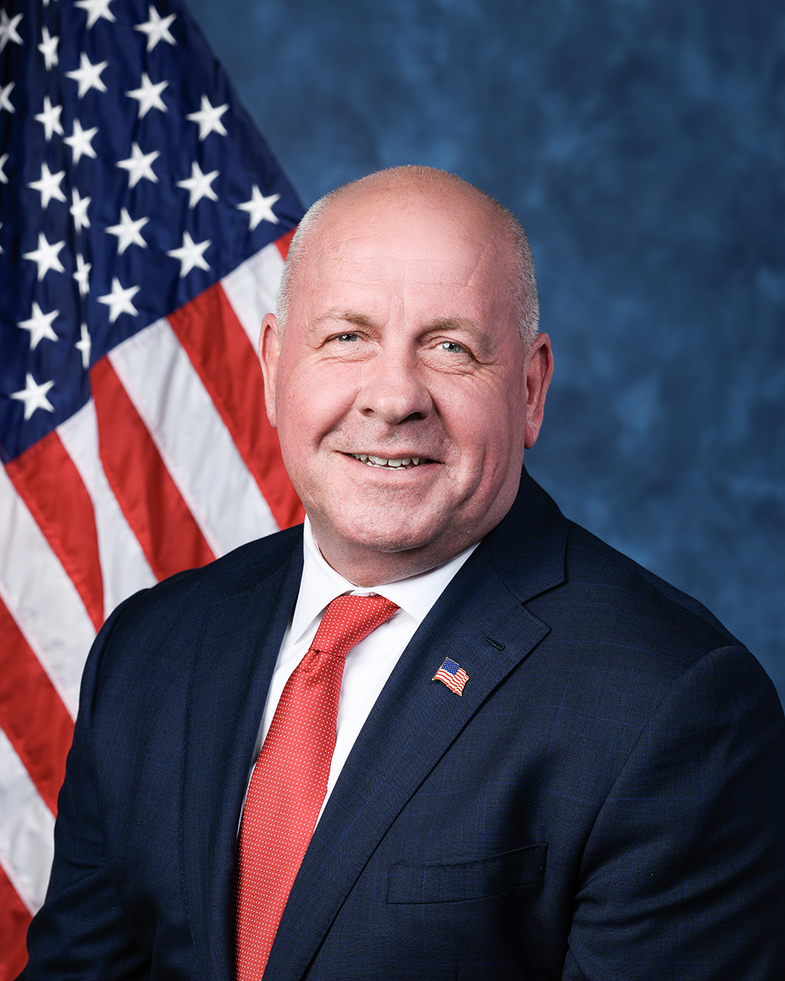
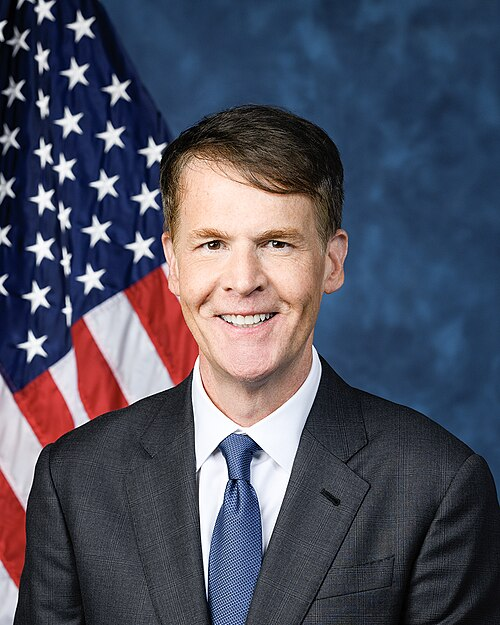
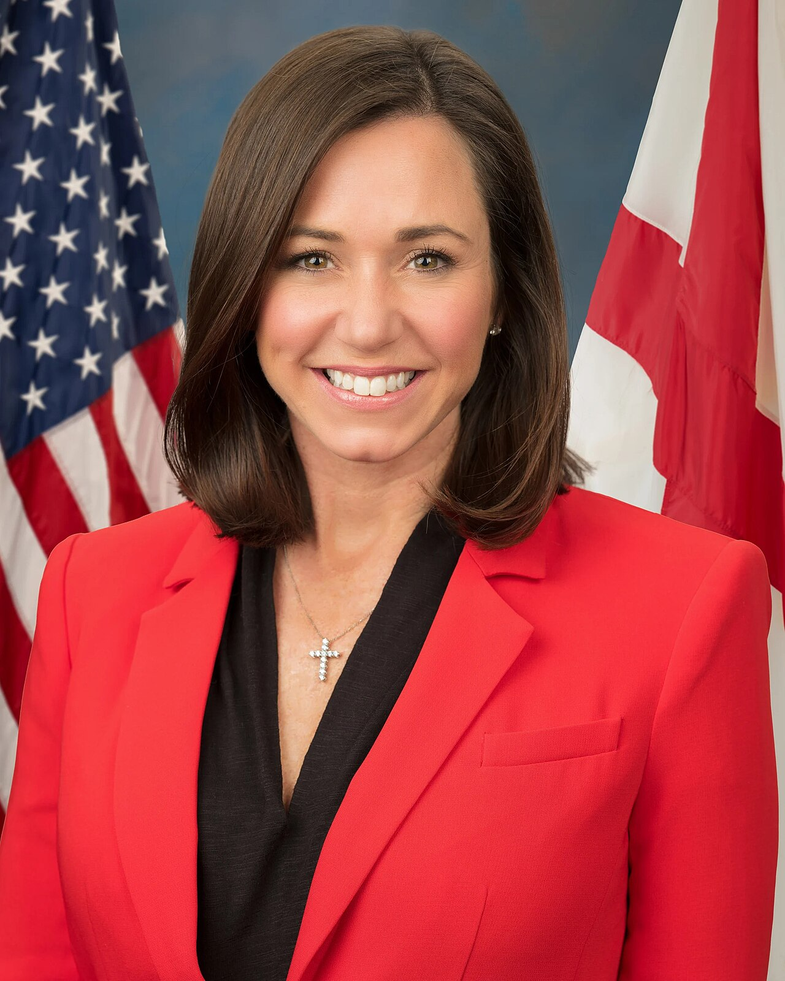
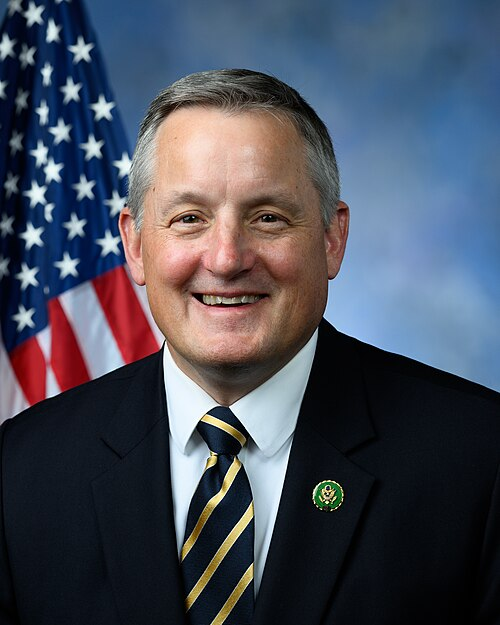
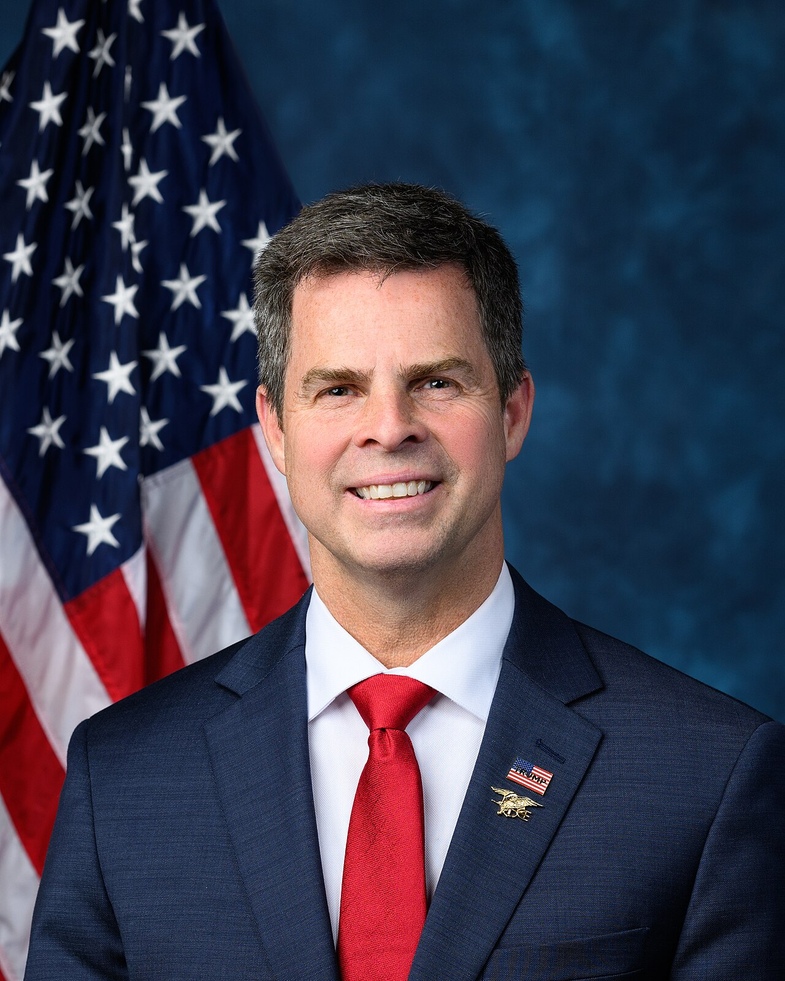
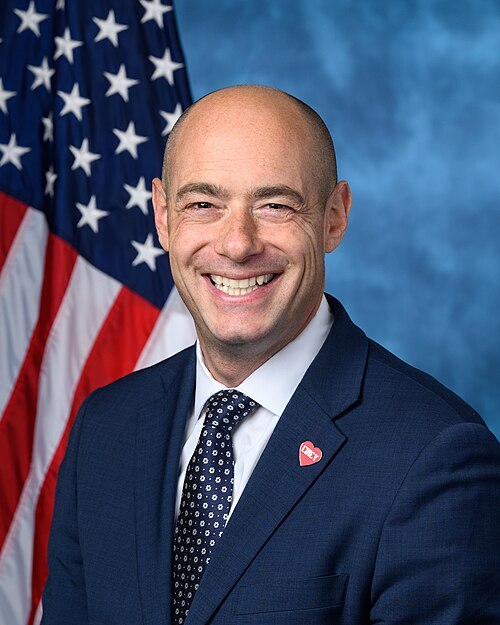
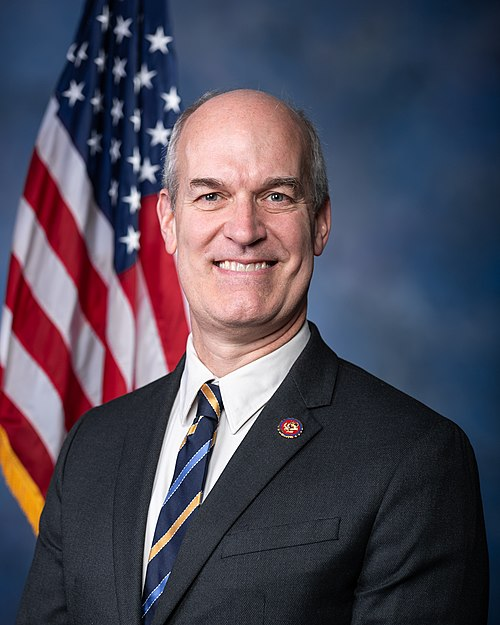
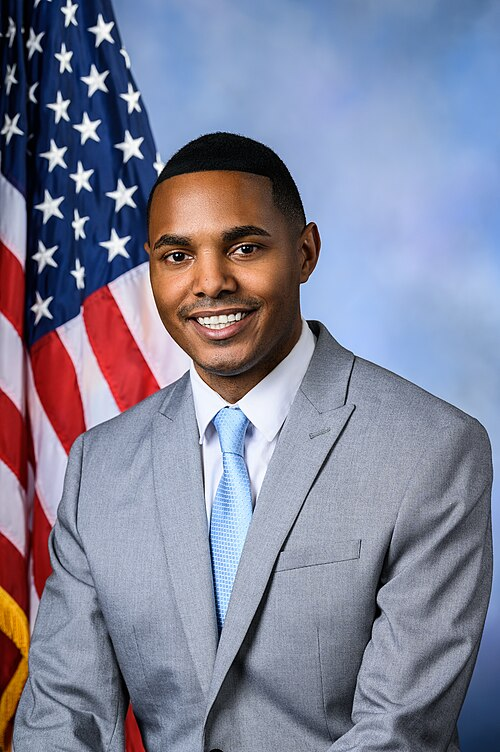
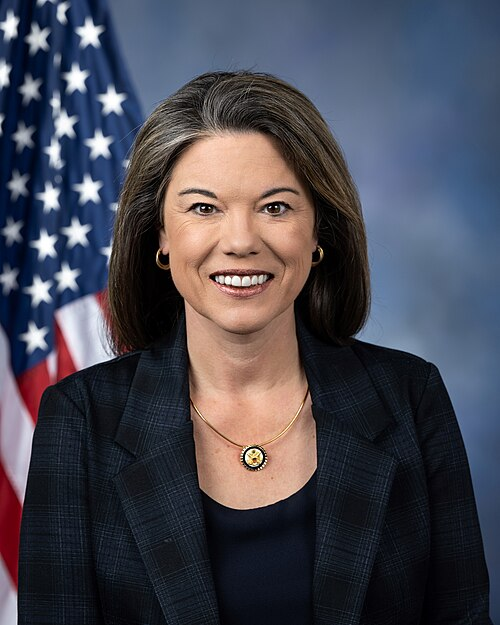
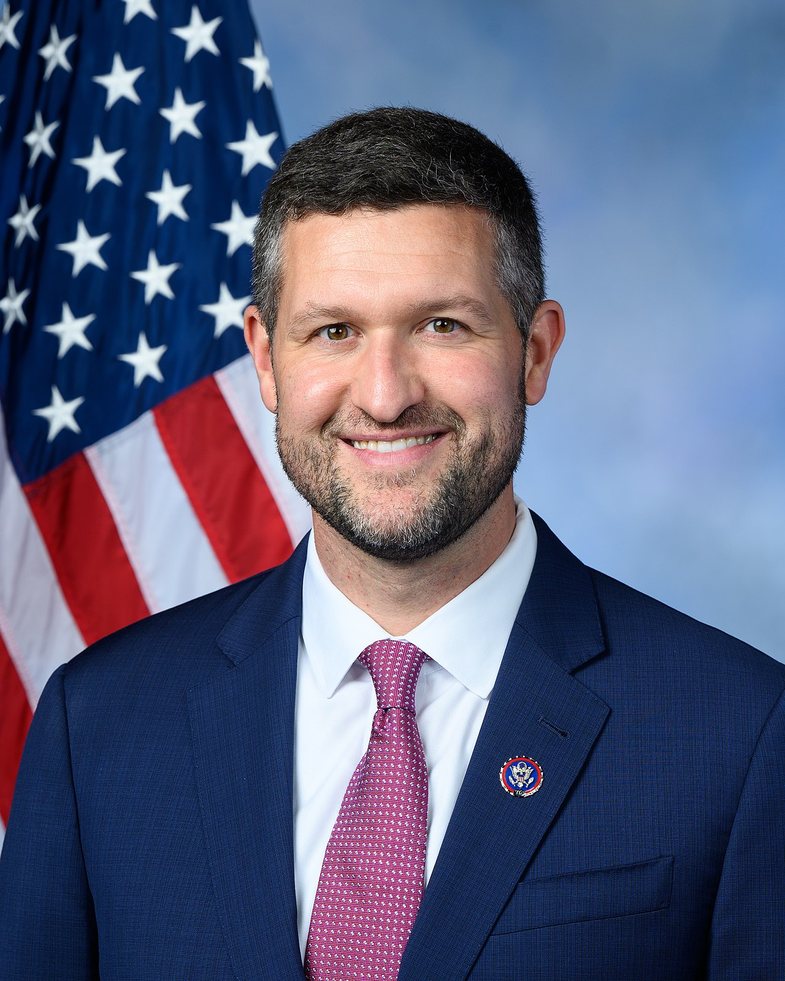
2 bill sponsors
Actions
2 actions
| Date | Action |
|---|---|
| Apr. 22, 2026 | Introduced in House |
| Apr. 22, 2026 | Referred to the House Committee on Energy and Commerce. |
Corporate Lobbying
0 companies lobbying
None found.
* Note that there can be significant delays in lobbying disclosures, and our data may be incomplete.