H.R. 8229: Lower Grocery Prices Act
This bill, known as the Lower Grocery Prices Act, aims to regulate the use of algorithmic decision systems for setting prices on food, groceries, and agricultural products. Here’s a breakdown of the primary provisions and objectives of the bill:
Prohibition of Surveillance-Based Price Setting
The bill prohibits anyone from using "surveillance-based price setting" for food and groceries. This means that prices cannot be determined based on monitoring or analyzing individual consumer data for the purpose of customizing prices. However, there are exceptions to this rule if specific conditions are met:
- A price difference must be solely based on reasonable costs related to providing goods or services to different consumers.
- Discounts can be offered to defined groups (like teachers or veterans) if eligibility criteria are made public.
- Discounts through loyalty programs are allowed if consumers actively enroll in them.
Additional Conditions for Discounts
For the exceptions to apply, additional conditions include:
- Eligibility criteria or conditions for discounts must be clearly disclosed.
- Discounts must be uniformly offered to all consumers who meet the eligibility criteria.
- Data collected for the purpose of administering discounts must only be used for that purpose and not for targeted advertising or profiling.
Requirements for Disclosure
Before engaging in any actions regarding pricing or discounts, companies must publish their procedures at least 180 days in advance. These procedures must cover:
- How they ensure data accuracy used in decision-making.
- A process for consumers to correct or challenge data accuracy.
- Information on what data is collected and how it is used in pricing decisions.
Enforcement Mechanisms
The Federal Trade Commission (FTC) is responsible for enforcing the provisions of this bill. Violations can be treated as unfair or deceptive practices under existing consumer protection laws, allowing the FTC to take action.
State Action
State attorneys general can bring civil actions if they believe any state's residents are adversely affected by violations of this bill. They can seek to stop such practices and may pursue monetary damages on behalf of affected residents.
Private Right of Action
Individuals harmed by violations of the bill can file lawsuits. They may seek remedies such as injunctions against the harmful practices, monetary damages, and legal fees. If the court finds that violations were willful, penalties may be increased.
Definitions
Key terms are defined in the bill, such as:
- Automated decision system: Systems using computation to inform or assist decision-making.
- Surveillance-based price setting: Setting prices based on personalized data obtained through monitoring consumers.
- Surveillance data: Data collected from observing individual behaviors or characteristics.
State Law Preemption
The bill clarifies that it does not override more protective state laws regarding consumer privacy or pricing practices unless there is a direct conflict with federal provisions.
Relevant Companies
- WMT (Walmart Inc.): As a major grocery retailer, Walmart could face operational changes to conform to the new pricing regulations, affecting its pricing strategies and customer engagement practices.
- COST (Costco Wholesale Corporation): Costco may need to adjust its loyalty and discount programs to comply with disclosure and uniformity requirements under the new law.
- AMZN (Amazon.com, Inc.): With a significant online grocery segment, Amazon could see requirements affecting its pricing algorithms and marketing tactics.
This is an AI-generated summary of the bill text. There may be mistakes.
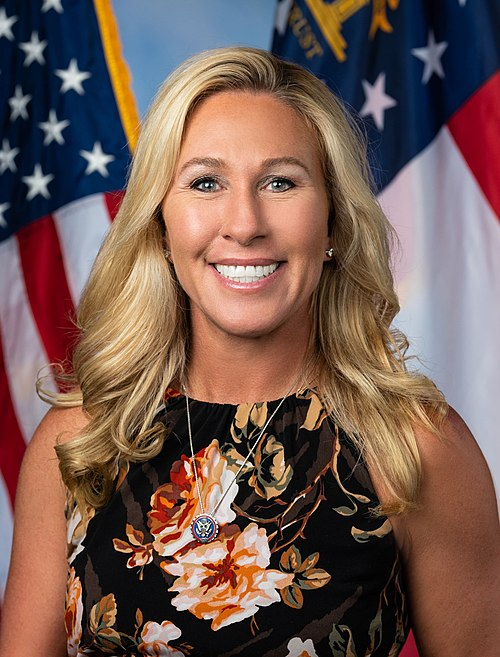
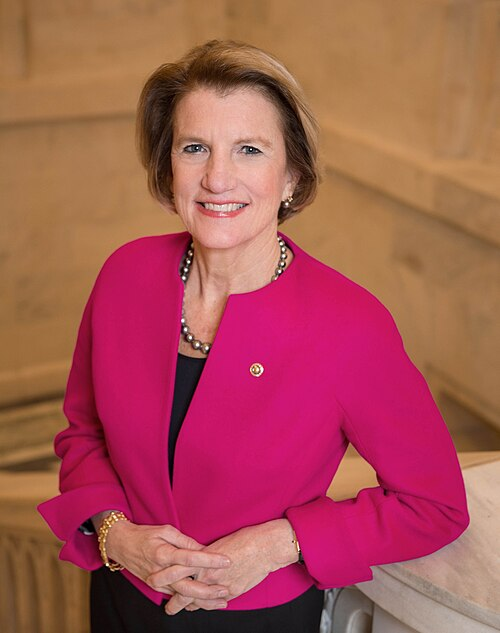
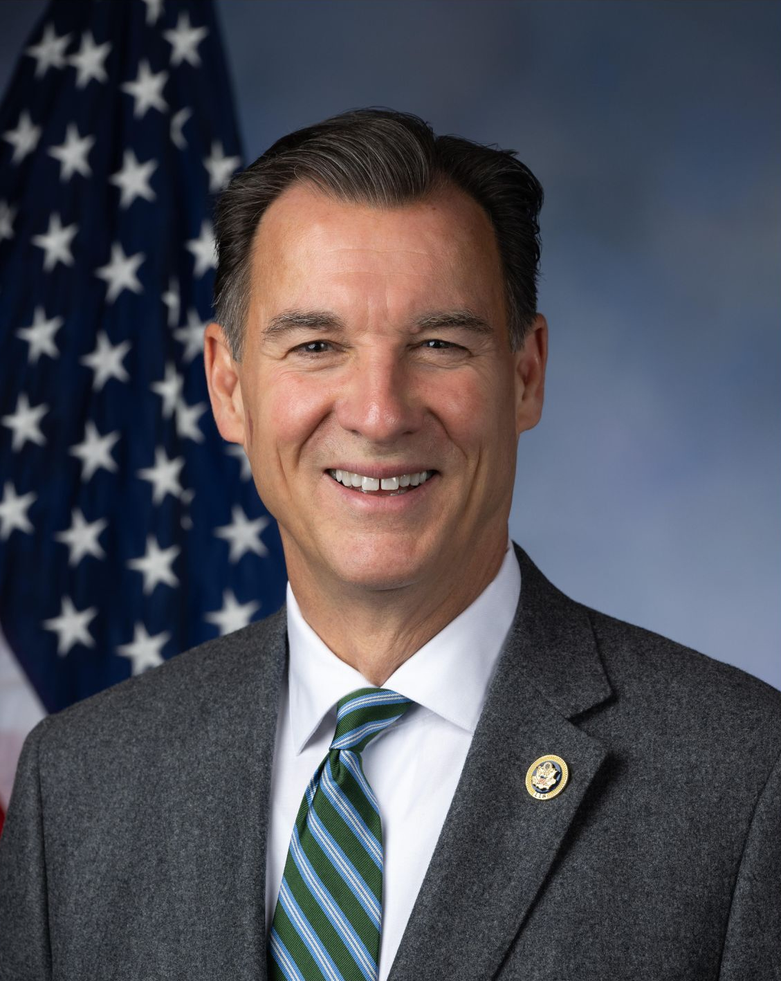
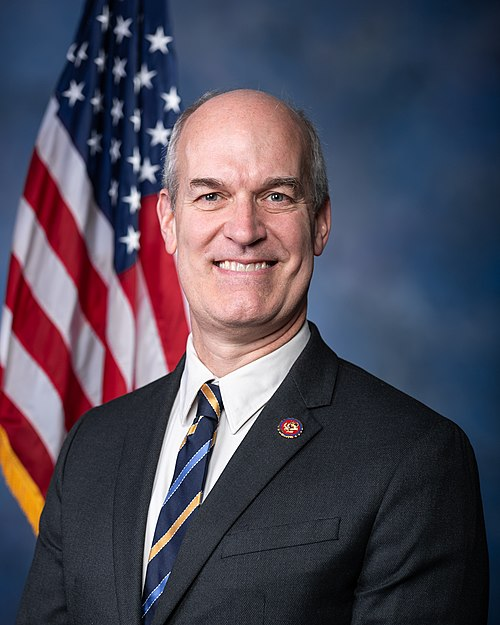
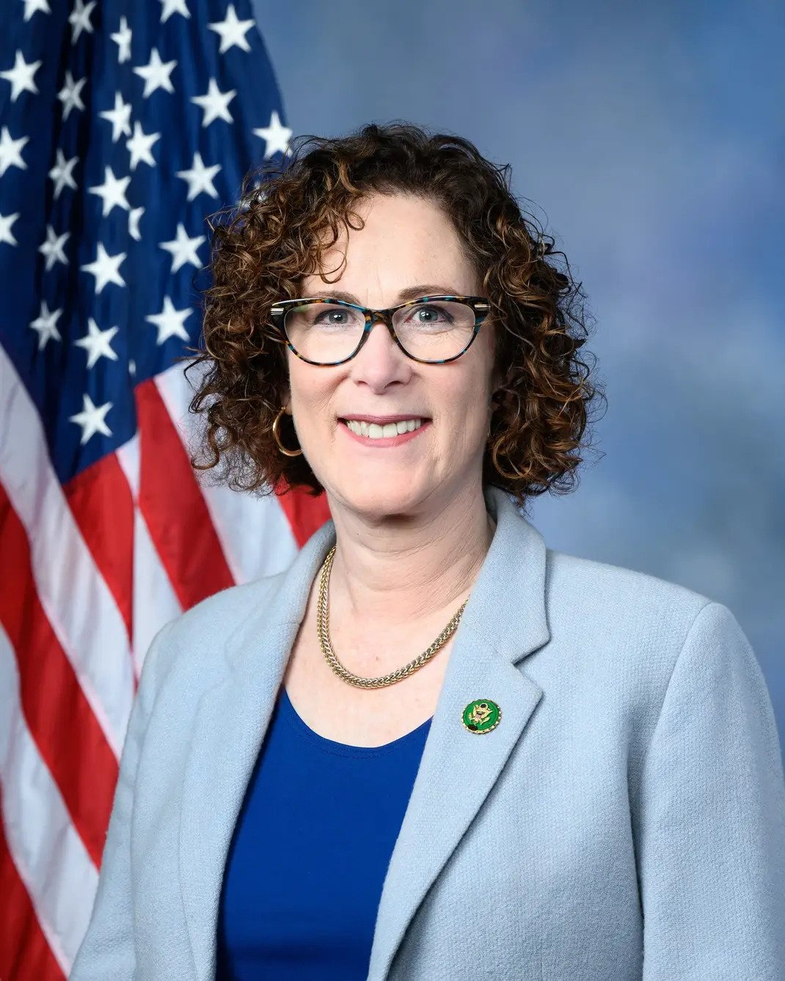
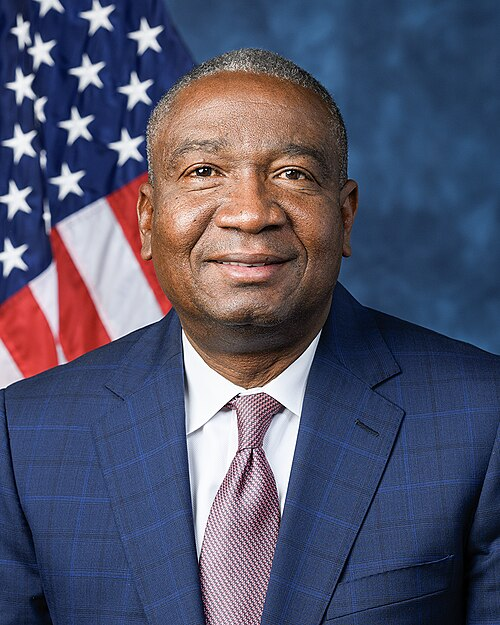
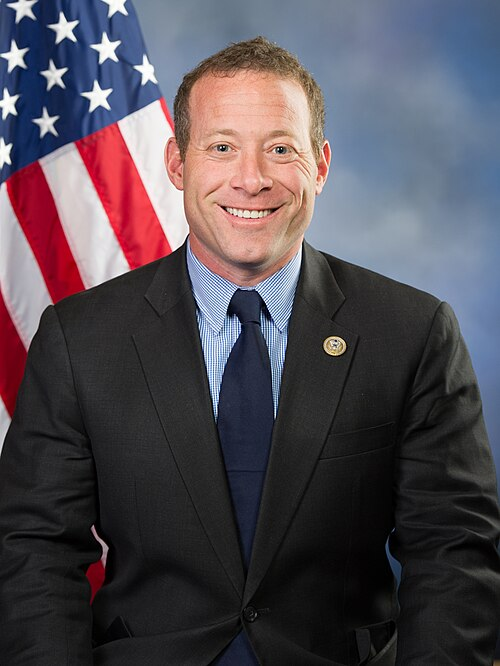
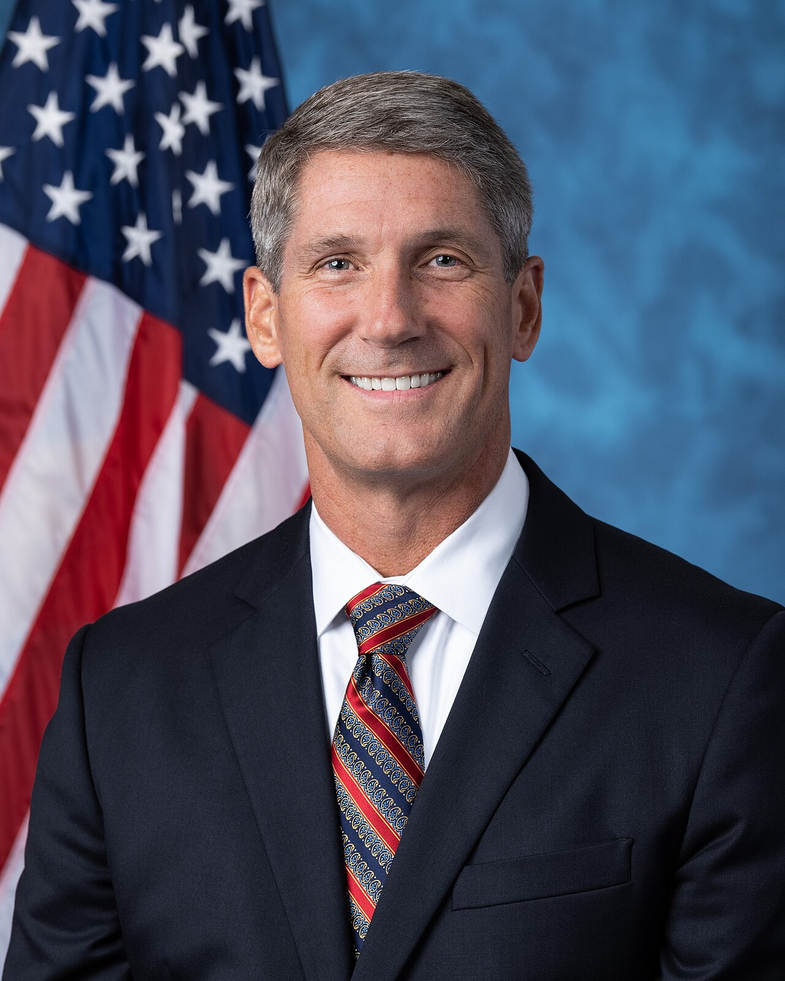
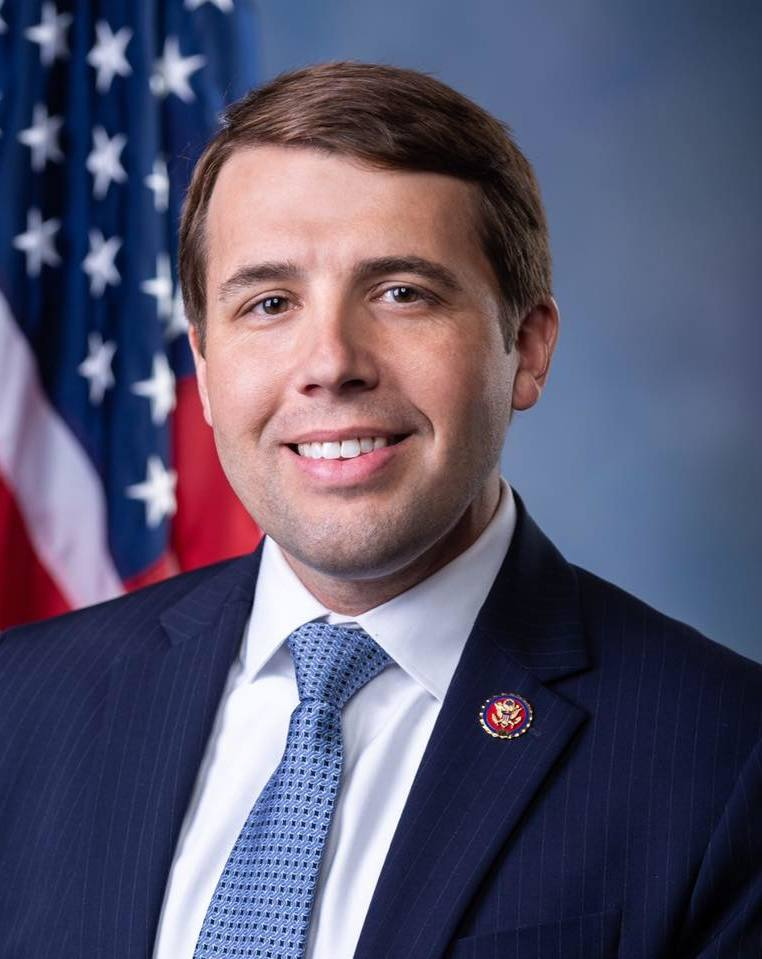
Sponsors
1 sponsor
Actions
2 actions
| Date | Action |
|---|---|
| Apr. 09, 2026 | Introduced in House |
| Apr. 09, 2026 | Referred to the Committee on Energy and Commerce, and in addition to the Committee on the Judiciary, for a period to be subsequently determined by the Speaker, in each case for consideration of such provisions as fall within the jurisdiction of the committee concerned. |
Corporate Lobbying
0 companies lobbying
None found.
* Note that there can be significant delays in lobbying disclosures, and our data may be incomplete.