H.R. 8198: Optimizing United States Technology to Preempt Adversarial Communist Expansion in Space Act
This bill, titled the "Optimizing United States Technology to Preempt Adversarial Communist Expansion in Space Act" or "OUTPACE in Space Act," aims to enhance and facilitate various aspects of the U.S. commercial space industry, particularly regarding launch and reentry operations. Below are the key provisions of the bill:
Strengthening Launch and Reentry Operations
The bill states that:
- Commercial space transportation and hypersonic industries are vital for U.S. competitiveness.
- The Federal Aviation Administration (FAA) should ensure access to national airspace for these industries while prioritizing safety and public health.
In addition, the FAA is required to brief Congress on plans to meet the increasing airspace demands of commercial space operations and hypersonics within 60 days after the bill is enacted. This includes identifying resources needed for these operations and potential legislative barriers.
Reentry Vehicle Regulations
The bill establishes a streamlined regulatory process for reentry vehicles:
- The FAA will issue a blanket waiver for certain regulations governing reentry vehicles for an interim period.
- It mandates the FAA to develop new regulations to support safer overland launch and reentry operations.
High Cadence Operations
To encourage more frequent launches and reentries by U.S. licensed companies, the Secretary of Transportation is tasked with:
- Maximizing performance-based regulatory approaches.
- Issuing advisory circulars on compliance methods within 90 days of enactment.
Integrating Commercial Space Operations
The Secretary of Transportation is also instructed to:
- Prioritize the integration of commercial space operations into the national airspace system.
- Submit a report within 90 days outlining actions needed to increase the number of annual commercial launches and reentries.
Expedited Hiring at the FAA
The bill allows the FAA to hire qualified candidates with specialized knowledge in aerospace engineering quickly, bypassing standard hiring procedures. This aims to address staffing needs in the Office of Commercial Space Transportation efficiently.
Research Security Measures
The bill prohibits the Secretary of Commerce and the Secretary of Transportation from conducting research or development initiatives connected to commercial space activities with:
- Entities of concern, which are defined in existing legislation.
- Foreign business entities from countries identified as concerns.
This provision is designed to safeguard U.S. national interests in research and technological development related to space activities.
Implementation Timeline
The bill establishes specific timelines for various actions, including:
- FAA briefings to Congress within specified timeframes.
- Regulatory amendments and notices of proposed rules to be issued within months of the bill's enactment.
Conclusion on Advancements
Overall, the OUTPACE in Space Act focuses on sustainable growth and competitiveness in the commercial space sector, ensuring that regulations are modernized to accommodate safety while also fostering innovation and increased operational capacity.
Relevant Companies
- BA (Boeing): As a key player in aerospace, Boeing may see implications in its satellite and cargo launch services.
- SPCE (Virgin Galactic): With its focus on space tourism and commercial missions, regulatory changes may affect its operational framework.
- LMT (Lockheed Martin): Involved in various space initiatives, enhanced operation capacities could directly benefit its offerings.
- ASTR (Astra Space): As a newer entrant focused on launching small satellites, regulatory support could aid its growth.
This is an AI-generated summary of the bill text. There may be mistakes.
Sponsors
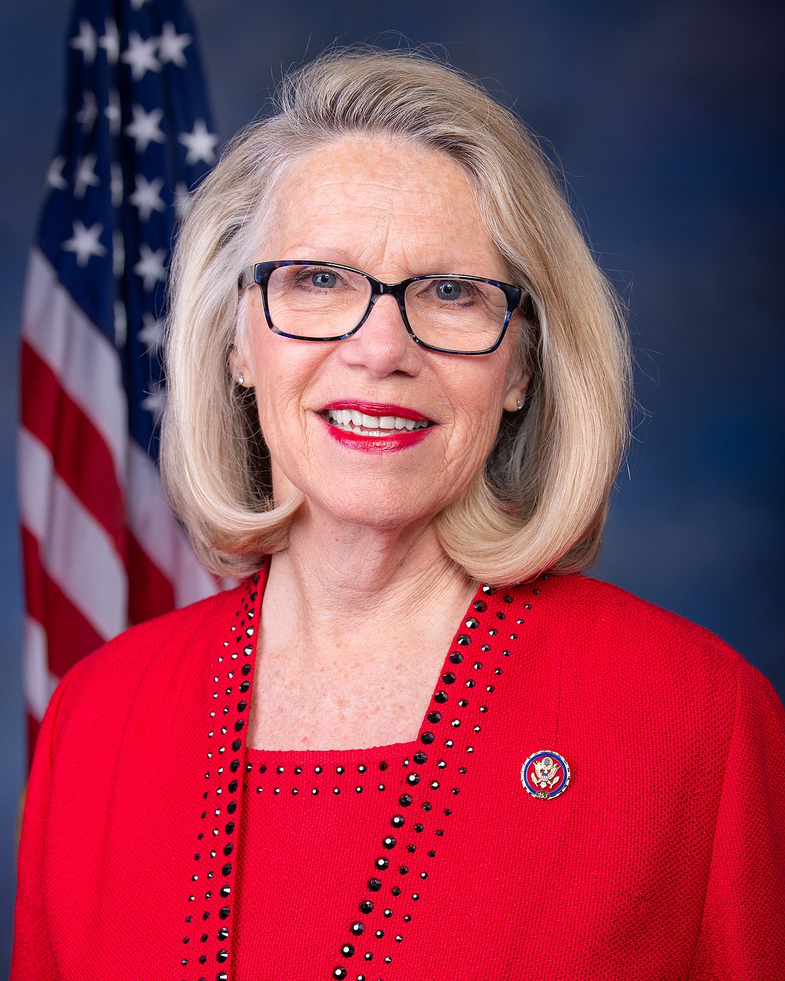
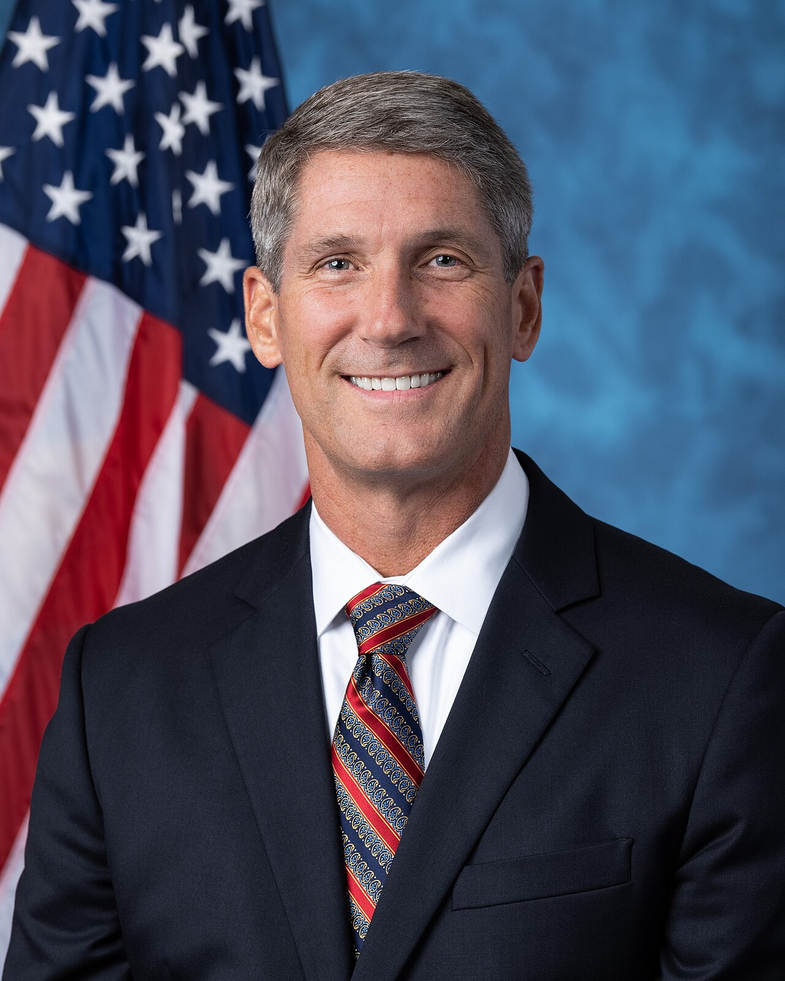
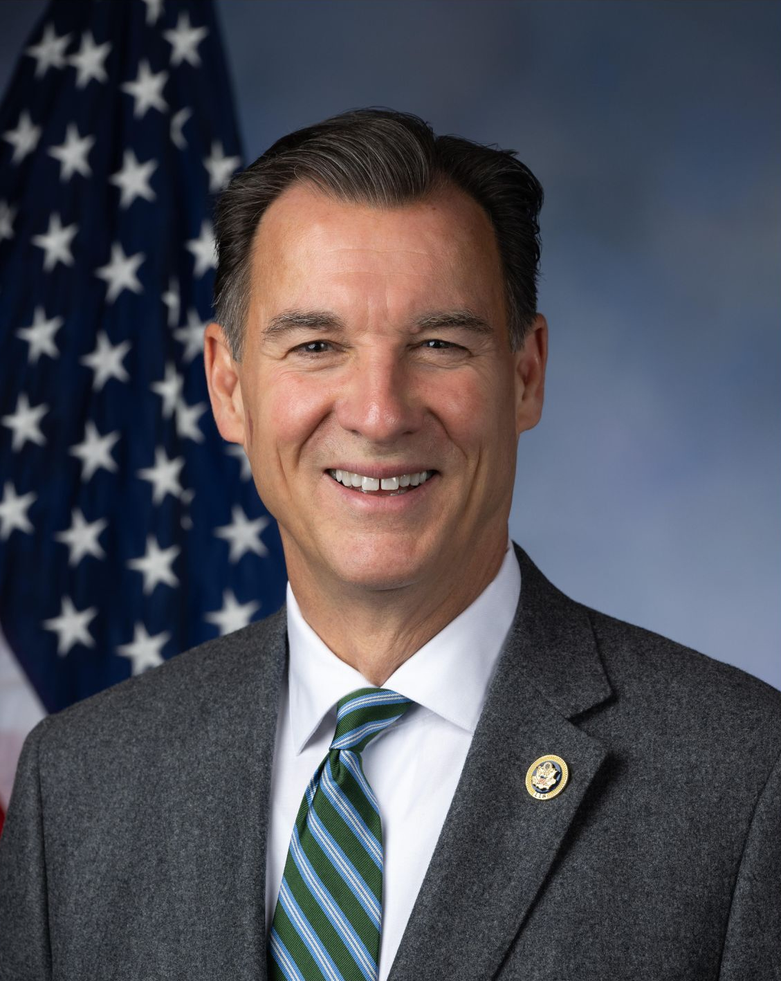
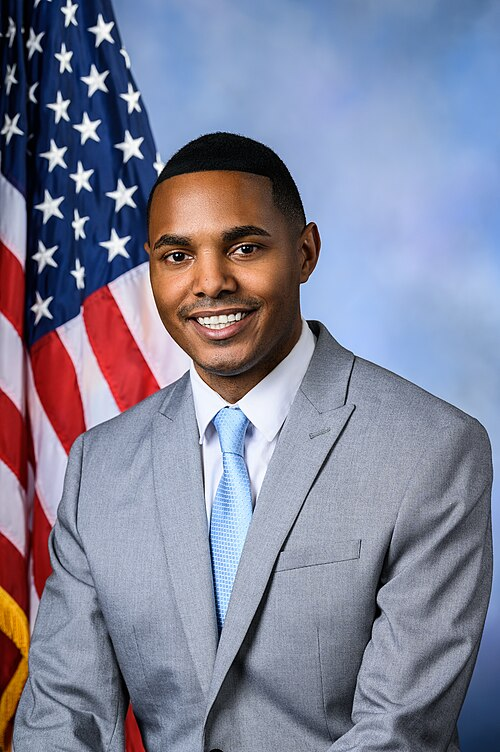
1 sponsor
Actions
2 actions
| Date | Action |
|---|---|
| Apr. 06, 2026 | Introduced in House |
| Apr. 06, 2026 | Referred to the House Committee on Science, Space, and Technology. |
Corporate Lobbying
0 companies lobbying
None found.
* Note that there can be significant delays in lobbying disclosures, and our data may be incomplete.