H.R. 7953: Fast-tracking Approval for Innovative Rare disease therapies Act
The bill titled the "Fast-tracking Approval for Innovative Rare disease therapies Act" aims to accelerate access for patients, particularly those with life-threatening diseases, to innovative medical therapies. It proposes a system allowing the U.S. Food and Drug Administration (FDA) to grant marketing approvals based on evaluations from foreign regulatory authorities considered trustworthy, thereby expediting the process for bringing new medications to market. Below are the key elements of the bill:
1. Purpose and Goals
The main goals of this bill are to:
- Reduce delays in access to innovative medicines for U.S. patients compared to other countries.
- Minimize the movement of clinical trials outside the U.S. due to extensive regulatory processes.
- Enhance the country's competitive position in biomedical innovations by facilitating quicker approval mechanisms.
2. Establishment of Reciprocal Approval
The bill introduces a system for "reciprocal marketing approval." This means that if a drug is approved by a trusted international regulatory authority, the FDA can also approve that drug for use in the U.S. without requiring a completely new application process. The main steps include:
- Drug manufacturers can request reciprocal marketing approval if their product is legally marketed in a foreign country by a trusted authority.
- The request must show that without this approval, the product would not be available in the U.S.
- The FDA will decide on the approval or denial within 30 days of receiving the request.
3. Trusted International Regulatory Authorities
Trusted regulatory authorities mentioned include:
- The European Medicines Agency (EMA)
- The United Kingdom's Medicines and Healthcare Products Regulatory Agency (MHRA)
- Health Canada
4. Requirements for Request Submission
To request reciprocal marketing approval, the manufacturer must provide:
- Proof of authorization from a trusted regulatory authority.
- A demonstration that the drug is intended for treating immediately life-threatening conditions.
- Any necessary supporting documentation required by the FDA.
5. Clinical Trials Reciprocity
The bill also allows for reciprocal recognition of clinical investigations authorized by trusted regulatory authorities. This means that if a clinical trial is authorized elsewhere, a manufacturer can conduct a similar trial in the U.S. with a faster approval process. The provider will need to apply for this allowance, detailing information about the trial and approvals from foreign authorities.
6. Labeling and Post-Market Requirements
The FDA will finalize the product labeling and any necessary post-marketing studies while it reviews the request for reciprocal approval. This aims to ensure that products meet safety and efficacy standards even after reaching the market.
7. Withdrawal of Approval
The FDA has the power to withdraw or suspend approval if new evidence shows that a product poses significant risks or if the foreign authority rescinds its approval. There are provisions for transitioning patients who may be affected by such action.
8. Reporting Requirements
Within five years of enactment, the Secretary of Health and Human Services must provide a report assessing the reciprocal marketing approval program's effectiveness, including how many approvals were granted or denied, its safety impacts, and recommendations for future actions based on the findings.
9. Definitions
Key definitions included in the bill clarify terms like "covered product," which refers to drugs intended for life-threatening diseases, and "trusted international regulatory authority," which outlines the specific foreign entities recognized for facilitating reciprocal approvals.
Relevant Companies
- REGN - Regeneron Pharmaceuticals, Inc. may see an impact as it frequently develops products for rare diseases and could benefit from expedited approval processes.
- ALNY - Alnylam Pharmaceuticals, focused on RNA interference therapies for genetic diseases, might leverage the reciprocal approval system for quicker access to markets.
- SAN - Sanofi could see changes in how they bring therapies for rare diseases to the U.S. market due to faster approval routes.
This is an AI-generated summary of the bill text. There may be mistakes.
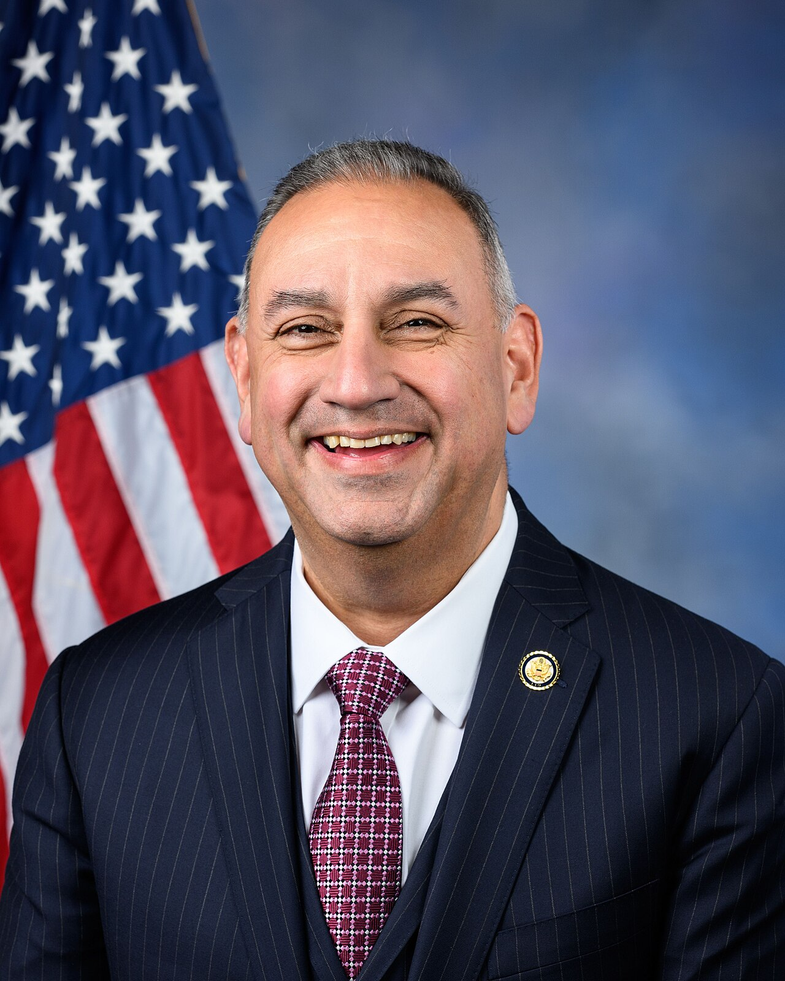
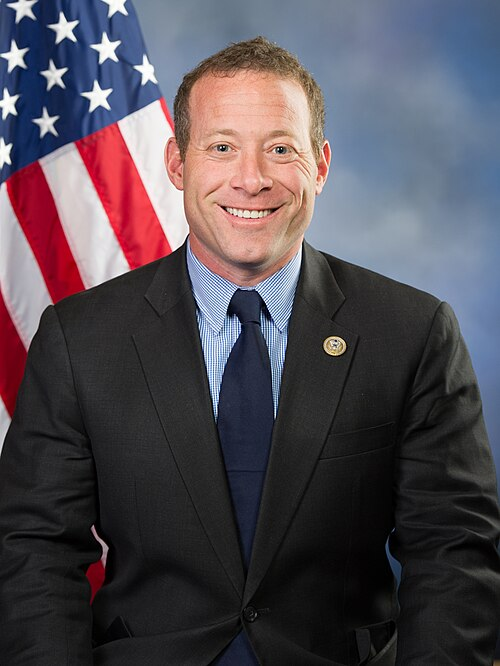
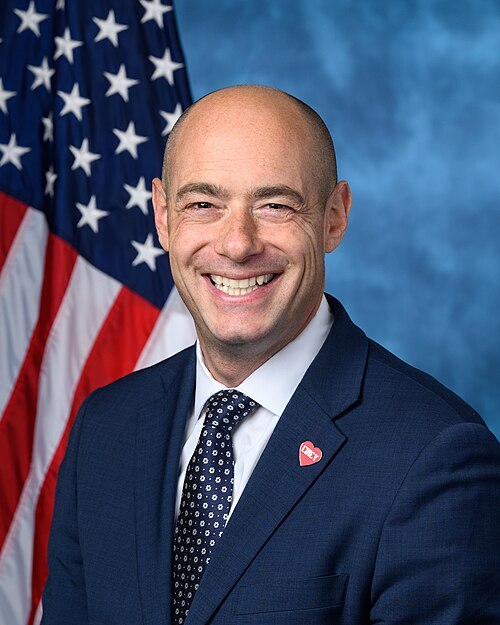
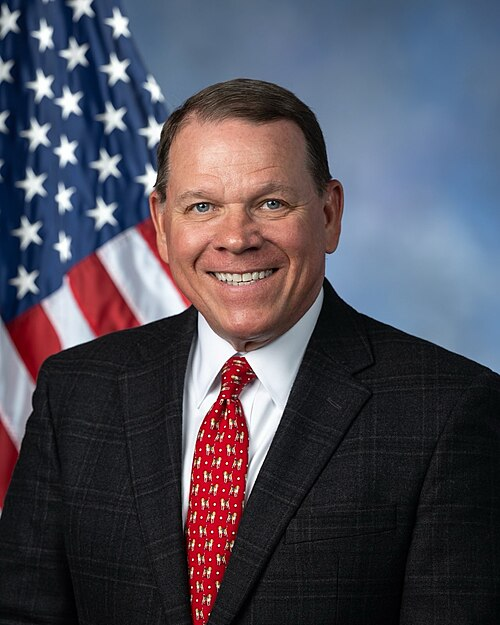
Sponsors
5 bill sponsors



Actions
2 actions
| Date | Action |
|---|---|
| Mar. 17, 2026 | Introduced in House |
| Mar. 17, 2026 | Referred to the House Committee on Energy and Commerce. |
Corporate Lobbying
0 companies lobbying
None found.
* Note that there can be significant delays in lobbying disclosures, and our data may be incomplete.