H.R. 7907: AI-Ready Bio-Data Standards Act
This bill, titled the AI-Ready Bio-Data Standards Act, aims to ensure that biological datasets generated through federally funded research are suitable for use in artificial intelligence (AI) applications. Below is a summary of the primary components and provisions of the bill.
Purpose
The main goal of the bill is to direct the Director of the National Institute of Standards and Technology (NIST) to create definitions, standards, resources, and frameworks to make biological datasets "AI-ready." This means these datasets must be formatted and structured in a way that they can be effectively used to train AI models.
Establishment of Standards
Within two years of the enactment of the bill, the Director is required to:
- Establish definitions for key terms such as "artificial intelligence-ready," "biomanufacturing," "biotechnology," and "qualified federally funded research."
- Define what it means for a dataset to be "artificial intelligence-ready," ensuring that the datasets support advancements in AI and biotechnology.
- Set standards for making biological datasets suitable for AI applications.
- Create resources and frameworks that assist federal departments and researchers in developing AI-ready biological datasets.
- Ensure that these standards do not impose excessive burdens on the recipients of federal research funding.
Annual Reviews and Updates
The Director will also conduct annual reviews of the established definitions and standards to determine if updates are necessary. This will ensure that the definitions and standards remain relevant and effective over time.
Collaboration and Consultation
To develop these definitions and standards, the Director will consult with:
- Various federal departments, including Agriculture, Defense, and Energy.
- Private sector entities in the biotechnology field.
- Academia and relevant scientific communities.
Advisory Group
An advisory group will be established within 180 days of the bill's enactment. This group will:
- Provide recommendations regarding the definitions and standards.
- Review and give feedback on requests for assistance related to data standards.
- Consist of members from various sectors, including federal agencies, academia, and the private sector.
Information Gathering
The Director is tasked with creating an inventory within one year of existing biotechnology standards and biological datasets that have been generated with federal funding. This inventory will be made public.
Testing and Evaluation
Within two years after enactment, the Director must conduct a test and evaluation of the definitions and standards using biological datasets generated through federally funded research. This will help assess:
- The clarity and applicability of the defined standards.
- Any potential burdens imposed on the recipients of federal funding.
Oversight Mechanisms
The Director will set up oversight mechanisms for managing the established standards, including:
- A public database for AI-ready biological datasets.
- A repository for publicly accessible data standards.
Reporting Requirements
The Director is required to submit various reports to Congress on the progress and implementation of the bill’s provisions, including an initial report one year after enactment and annual reports thereafter.
Sunset Clause
The provisions of this bill will remain in effect for ten years after its enactment, after which they will be re-evaluated.
Definitions
This bill includes specific definitions for important terms to ensure clarity regarding biological data and datasets as they relate to AI applications.
Relevant Companies
- AMGN - Amgen Inc.: A biotechnology company that may be involved in creating datasets relevant to AI applications in drug development and research.
- REGN - Regeneron Pharmaceuticals, Inc.: This company may be affected as it utilizes large biological datasets for research and development, thus requiring compliance with new standards.
- ILMN - Illumina, Inc.: A company that provides genomic sequencing technologies; they may need to align their data products with new AI-ready standards.
This is an AI-generated summary of the bill text. There may be mistakes.
Sponsors
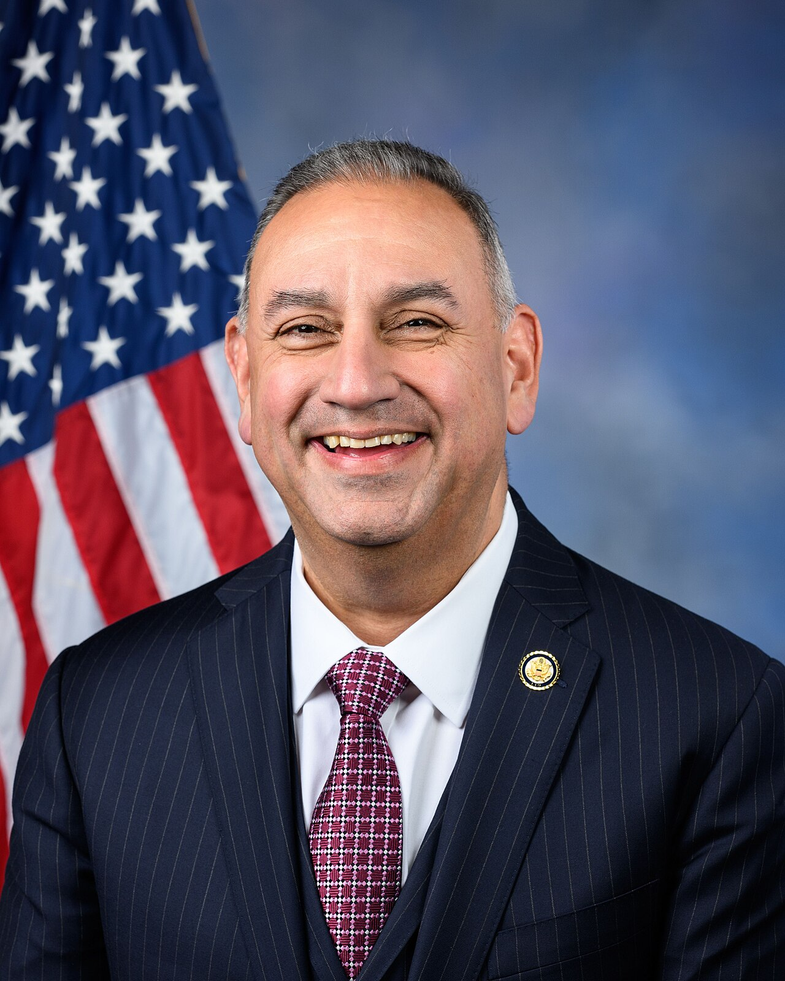
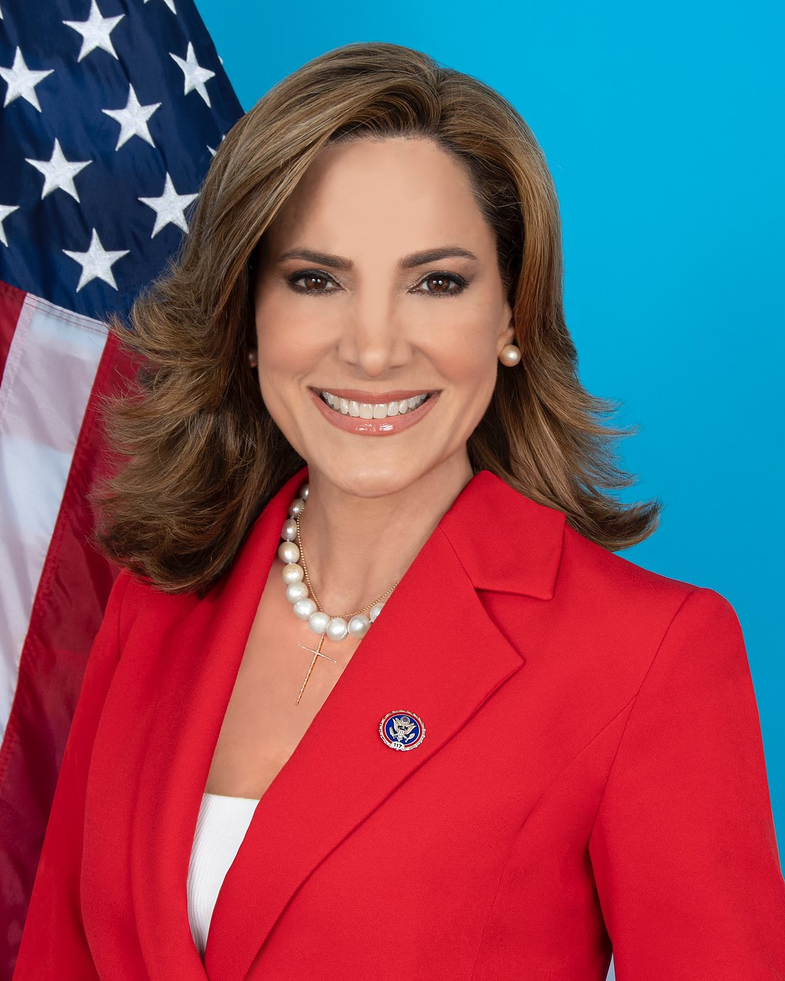
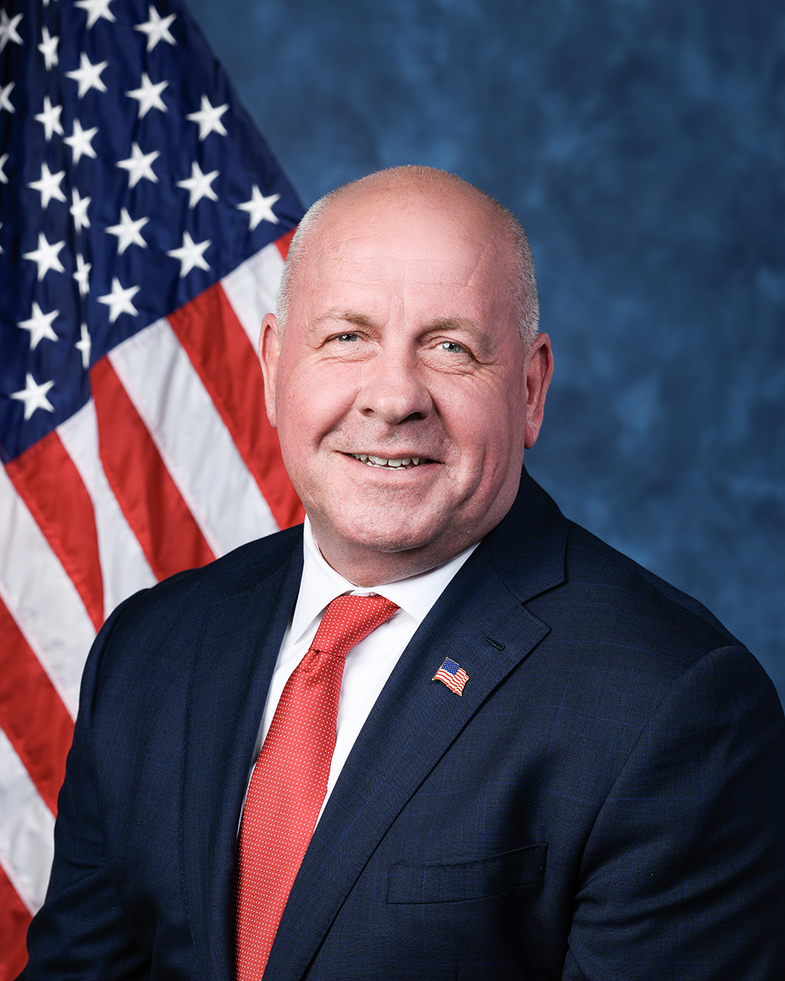
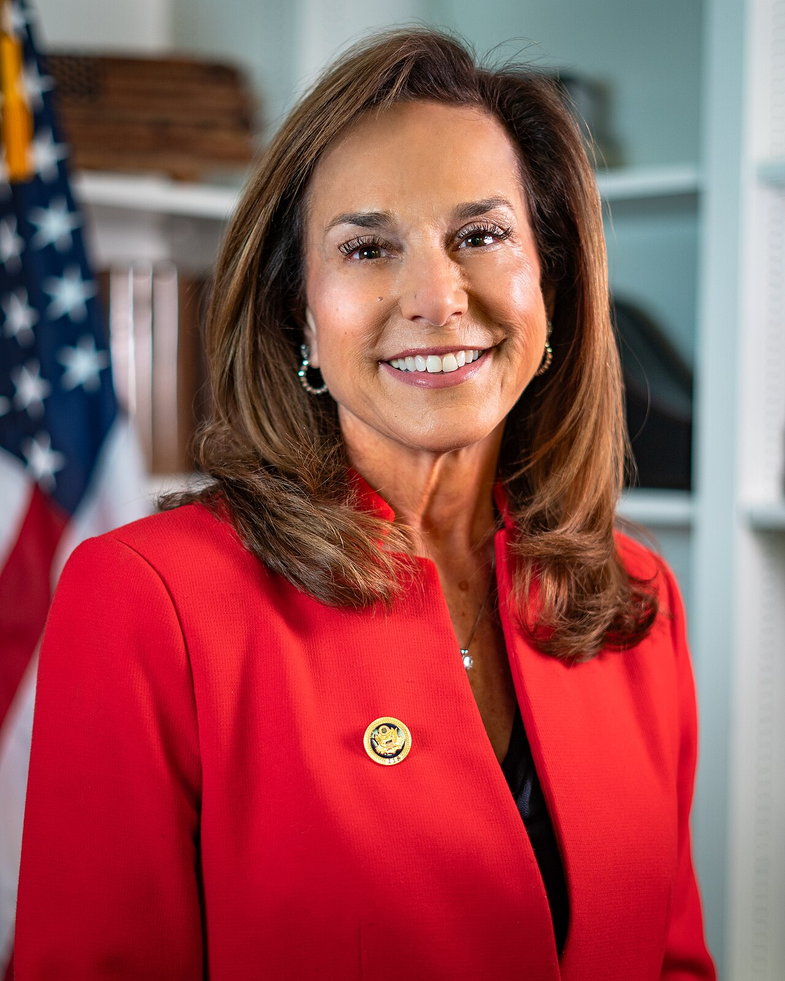
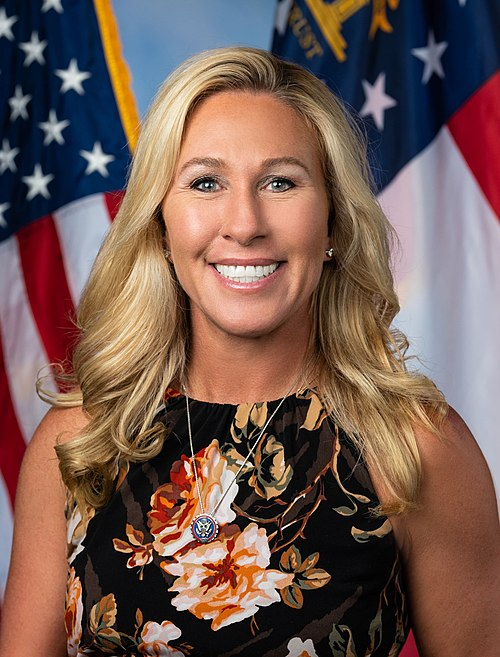
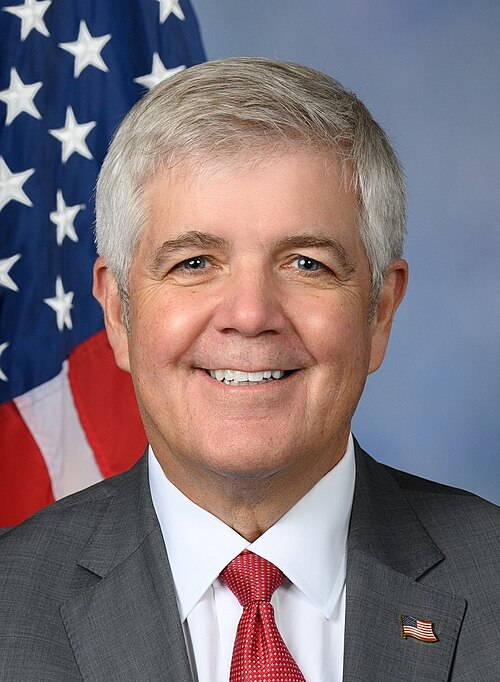
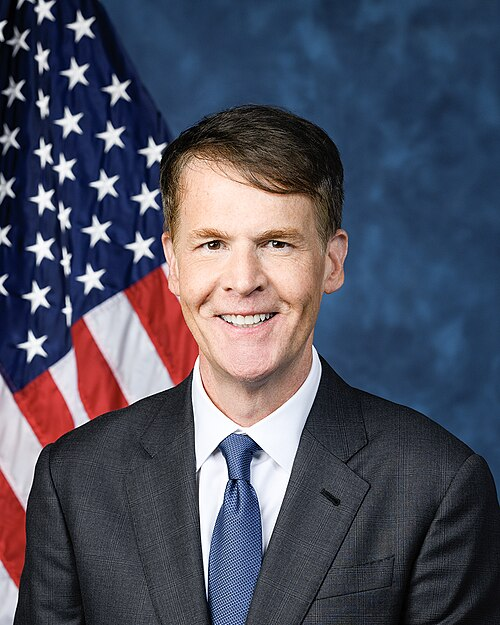
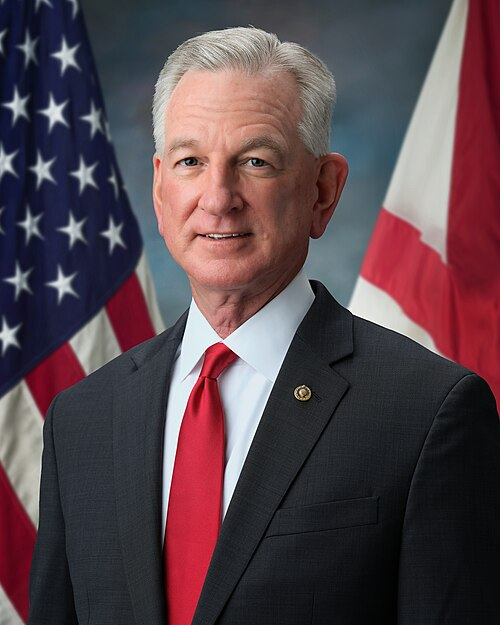
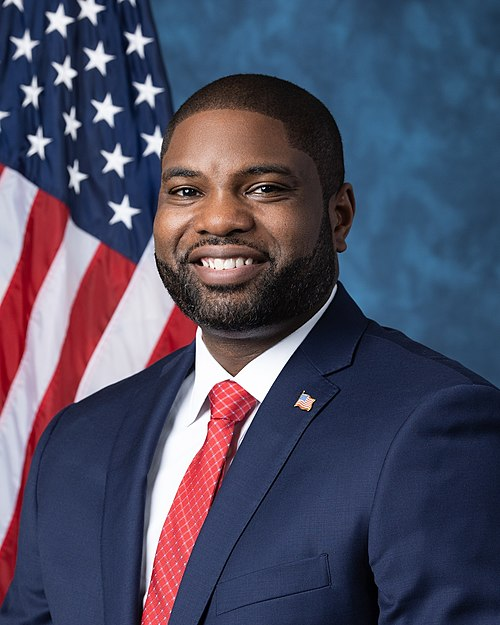
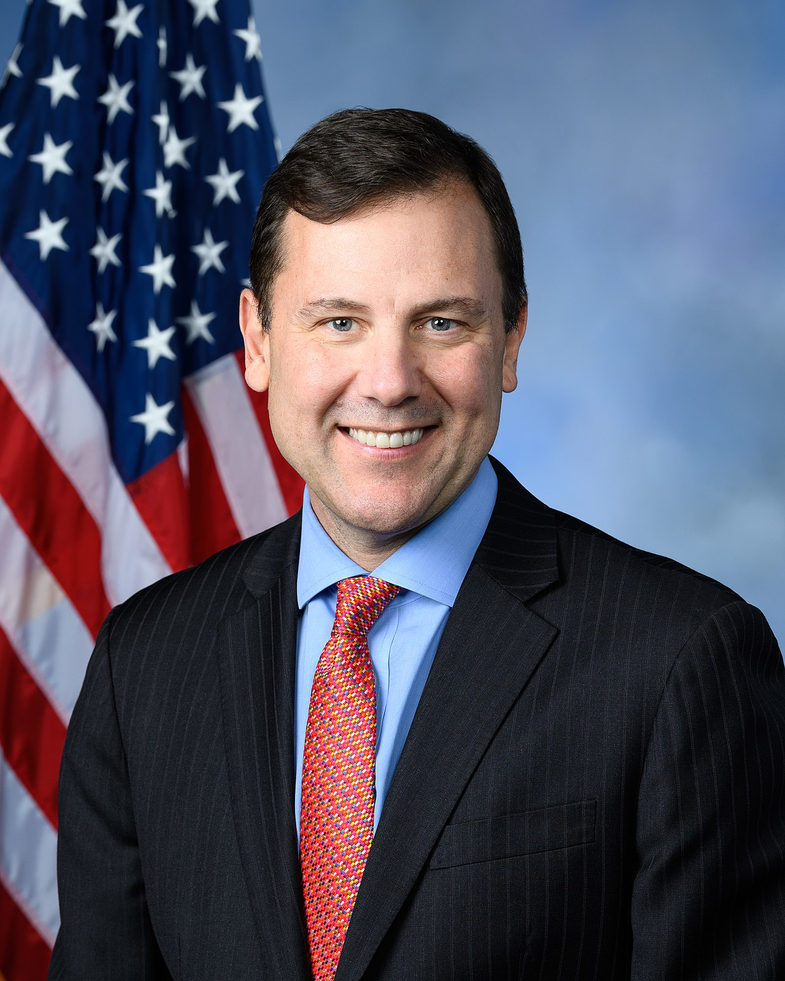
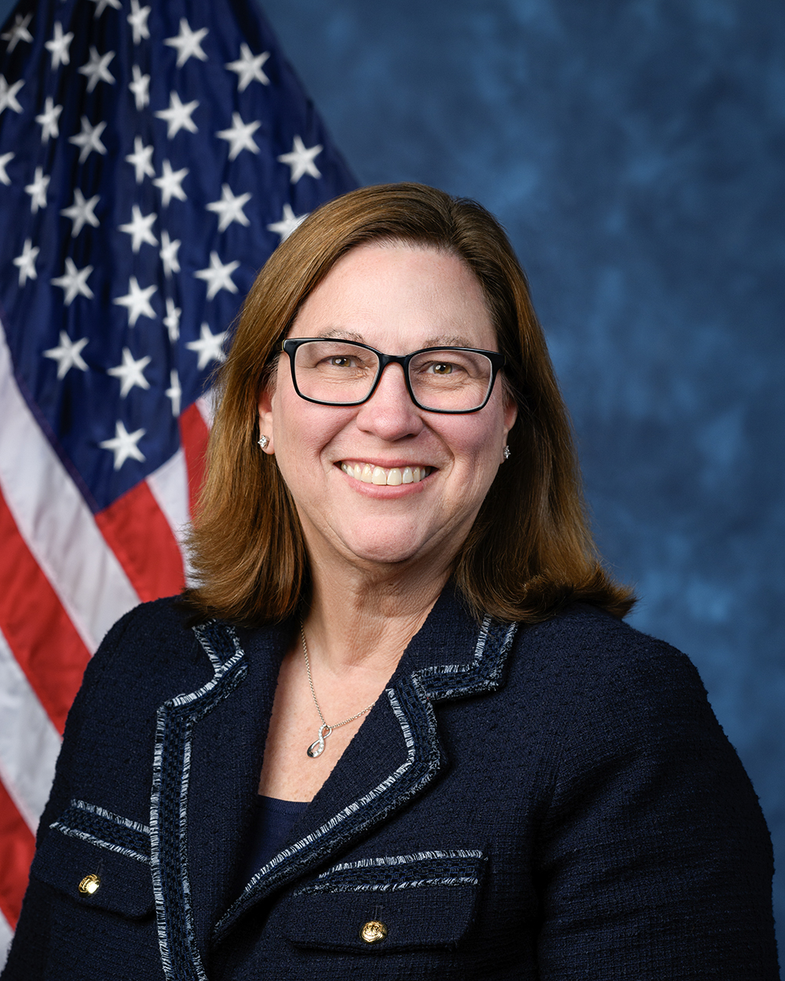
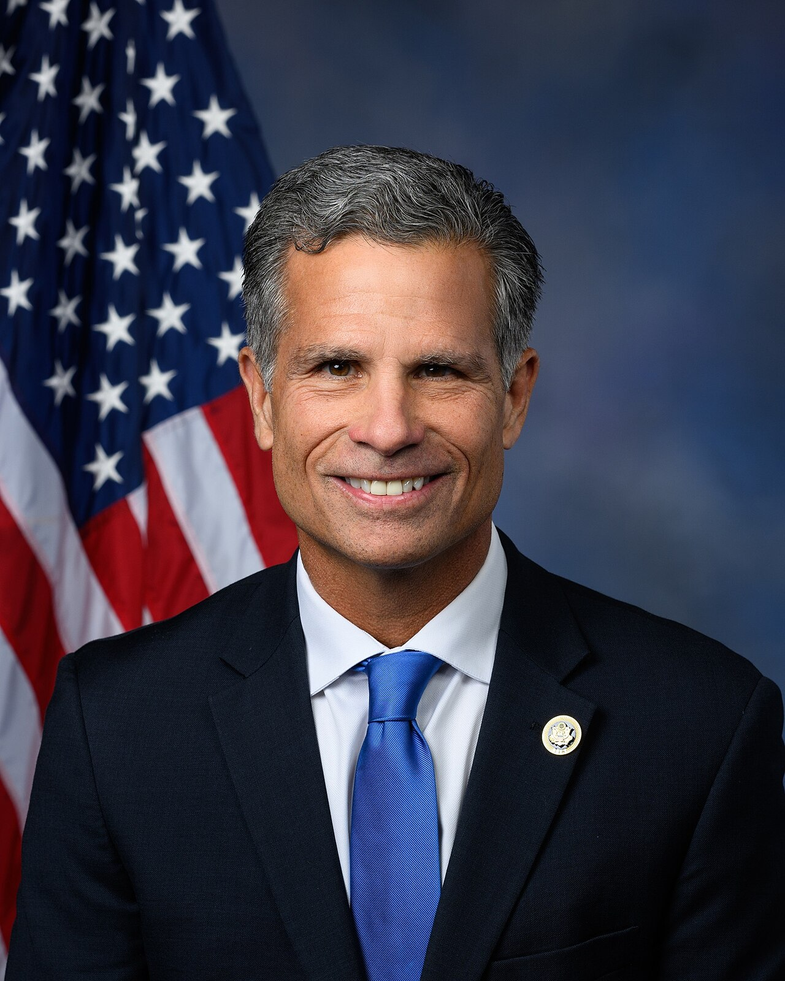
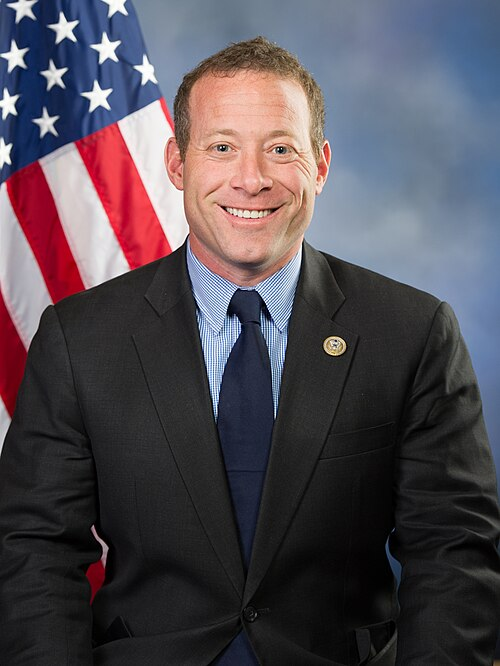
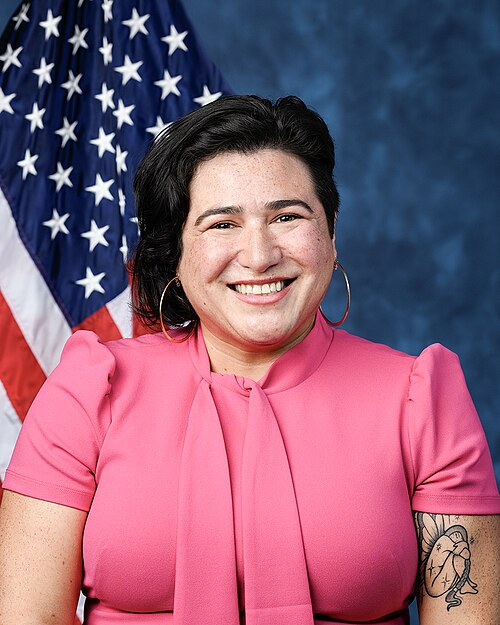
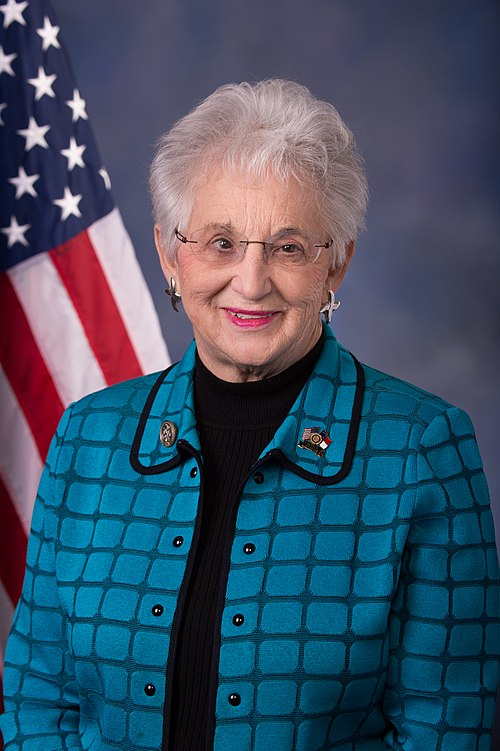
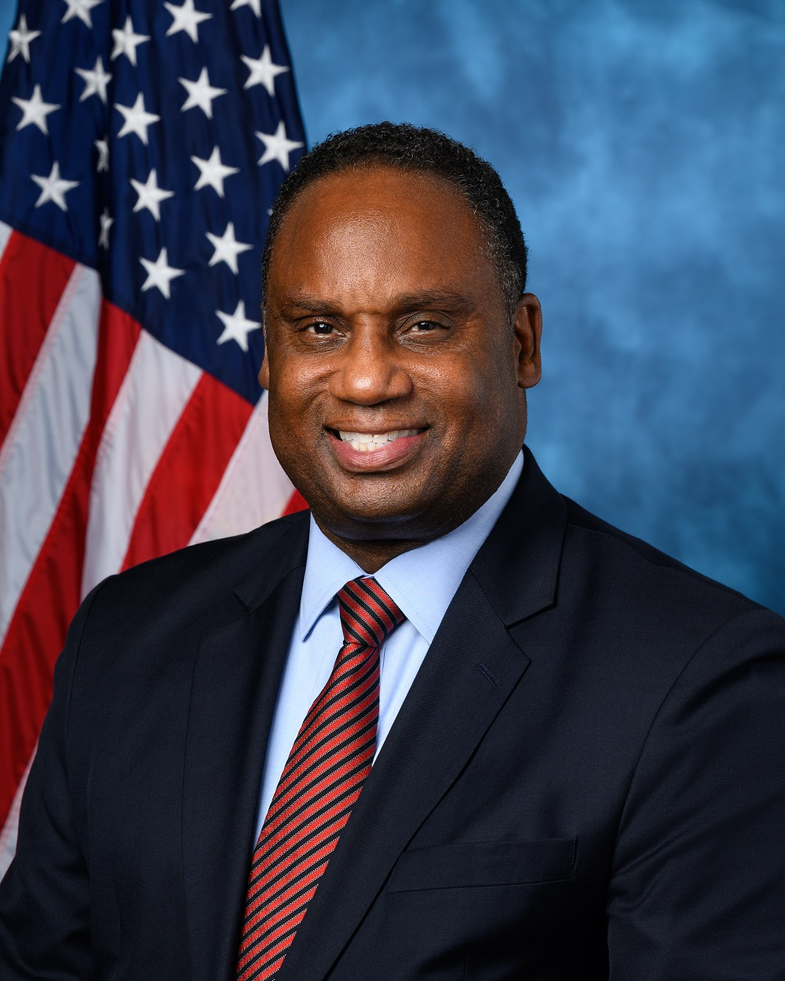
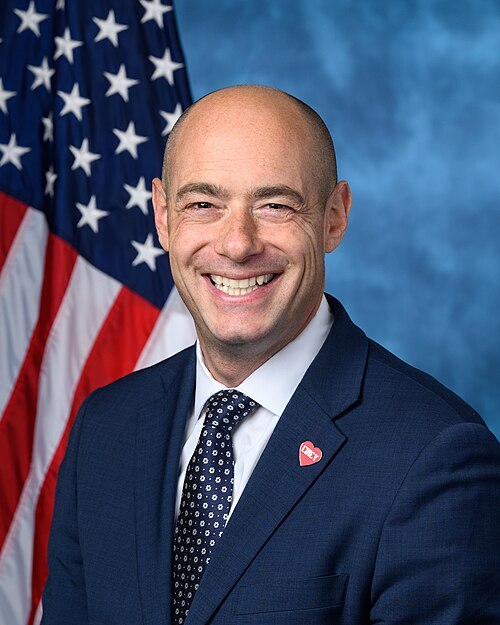
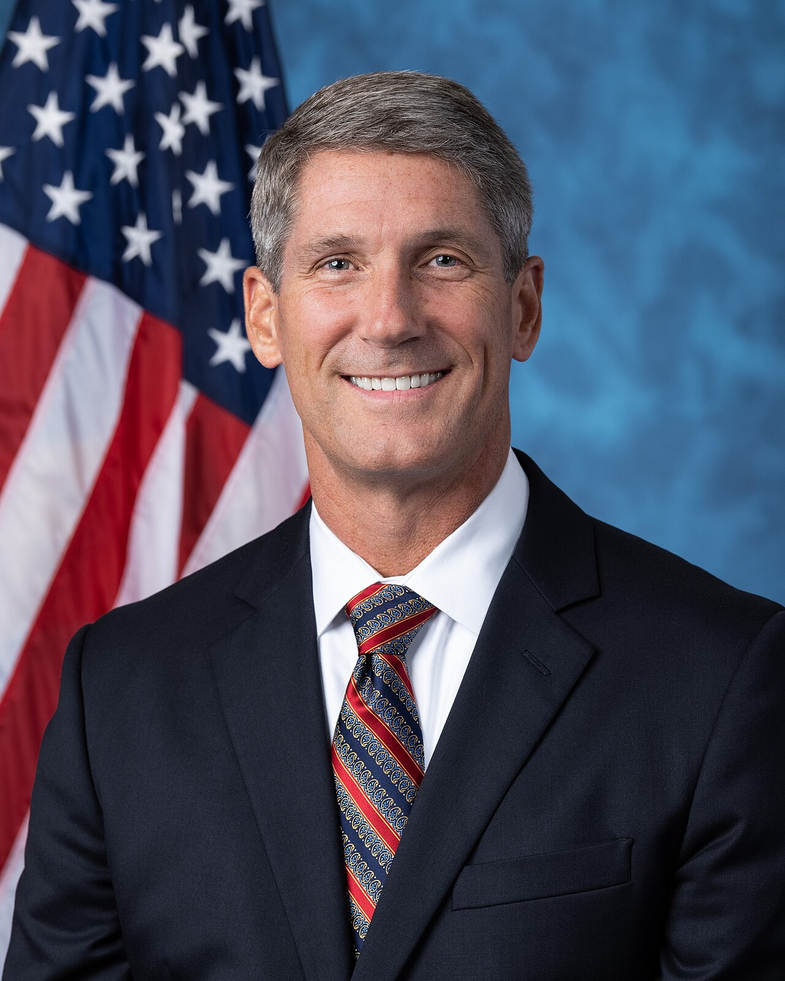
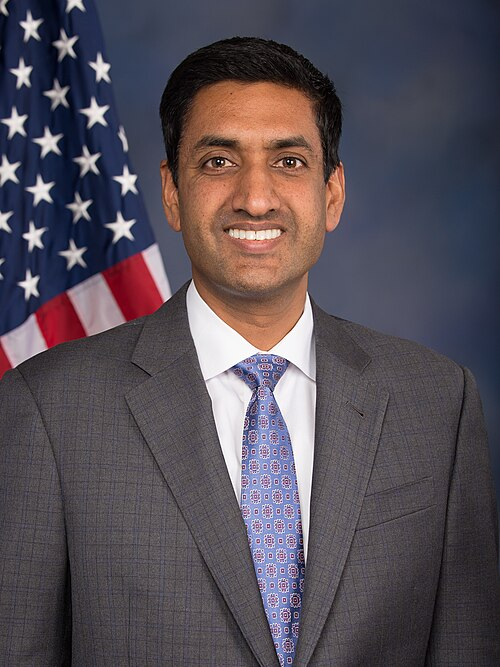
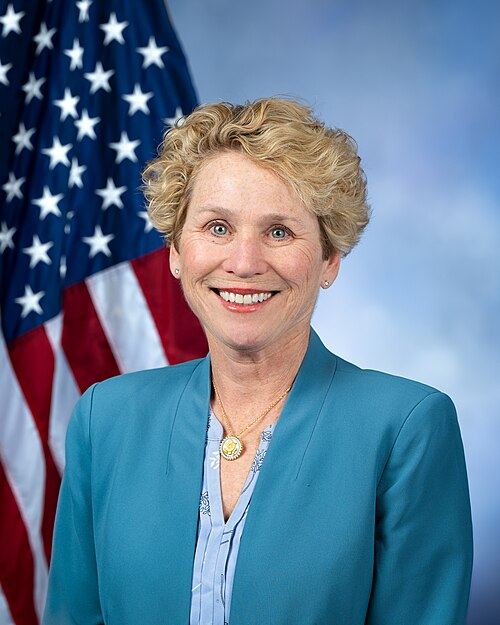
3 bill sponsors
Actions
2 actions
| Date | Action |
|---|---|
| Mar. 12, 2026 | Introduced in House |
| Mar. 12, 2026 | Referred to the House Committee on Science, Space, and Technology. |
Corporate Lobbying
0 companies lobbying
None found.
* Note that there can be significant delays in lobbying disclosures, and our data may be incomplete.