H.R. 7832: America’s Living Library Act
This bill, known as the America’s Living Library Act, aims to establish a program called the America’s Living Library Project. The primary goal of this program is to collect genetic data from various species found in the National Park System. This initiative is significant for biodiversity research and preservation efforts. Below are the key components of the bill:
Program Establishment
The Secretary of the Interior will create a pilot program named the America’s Living Library Project. The initiative will coordinate the collection and analysis of genomic data from animals, plants, fungi, and microbes within selected national parks.
Data Collection
- The program will focus on whole-genome sequencing of biological samples, complying with federal laws governing endangered species, wildlife protection, and other relevant regulations.
- Data will be cataloged in a publicly accessible genomic database, though sensitive information, such as precise collection locations and personal identifiers, will be kept private.
Interagency Coordination
The Secretary of the Interior will work alongside various federal agencies, including the National Park Service, the Department of Agriculture, and the Smithsonian Institution, to ensure effective management and integration of data related to the program.
Selection of National Parks
- Within 180 days of enactment, the Secretary will select five parks to initiate the program, using a set of predefined criteria.
- An additional 20 national parks will be selected for participation within two years, focusing on diversity in biological resources and the operational readiness of the sites.
Data Standards and Security
- The bill mandates that the data collected must adhere to high-quality and federal data standards to ensure usability.
- Cybersecurity measures will be implemented to protect both the data and the samples collected as part of the program.
Sample Storage and Long-term Management
The bill specifies that samples collected will be stored at appropriate facilities, including the Smithsonian Institution and the Department of Agriculture. It outlines the importance of evaluating species before collection to prioritize those that are threatened or of high scientific value.
Implementation and Reporting
- The Secretary must develop an implementation plan within 180 days of the bill's enactment and report preliminary findings to Congress within three years.
- Final findings will be submitted when the program concludes, analyzing the sustainable funding model and partnerships for future endeavors.
Funding
Funding for the program includes allocations for multiple years, with increasing budgets earmarked for various related activities, including genomic sequencing and sample storage.
Termination of Program
The authority to conduct this program will terminate ten years after the bill's enactment.
Relevant Companies
- LLY (Eli Lilly and Company): As a major biopharmaceutical company, Eli Lilly could be involved in partnerships related to genomic research or biotechnological advancements resulting from the data generated by this program.
- AMGN (Amgen Inc.): Amgen, known for its biotechnology products, may find opportunities in the genomic data collected for research purposes.
- REGN (Regeneron Pharmaceuticals, Inc.): Regeneron might engage in collaborations focusing on genomic data utilization in drug development stemming from the project.
This is an AI-generated summary of the bill text. There may be mistakes.
Sponsors
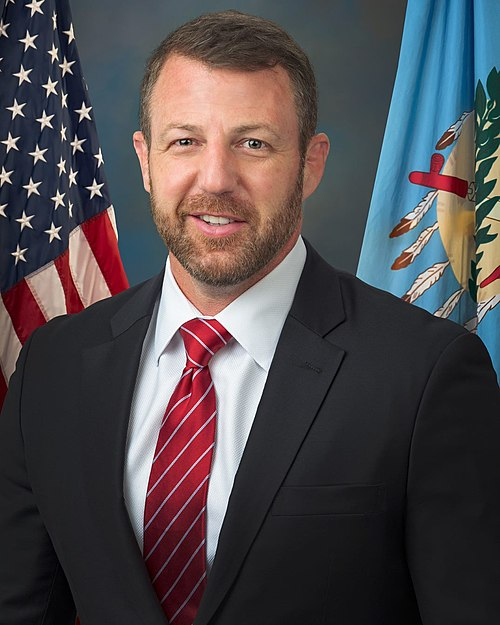
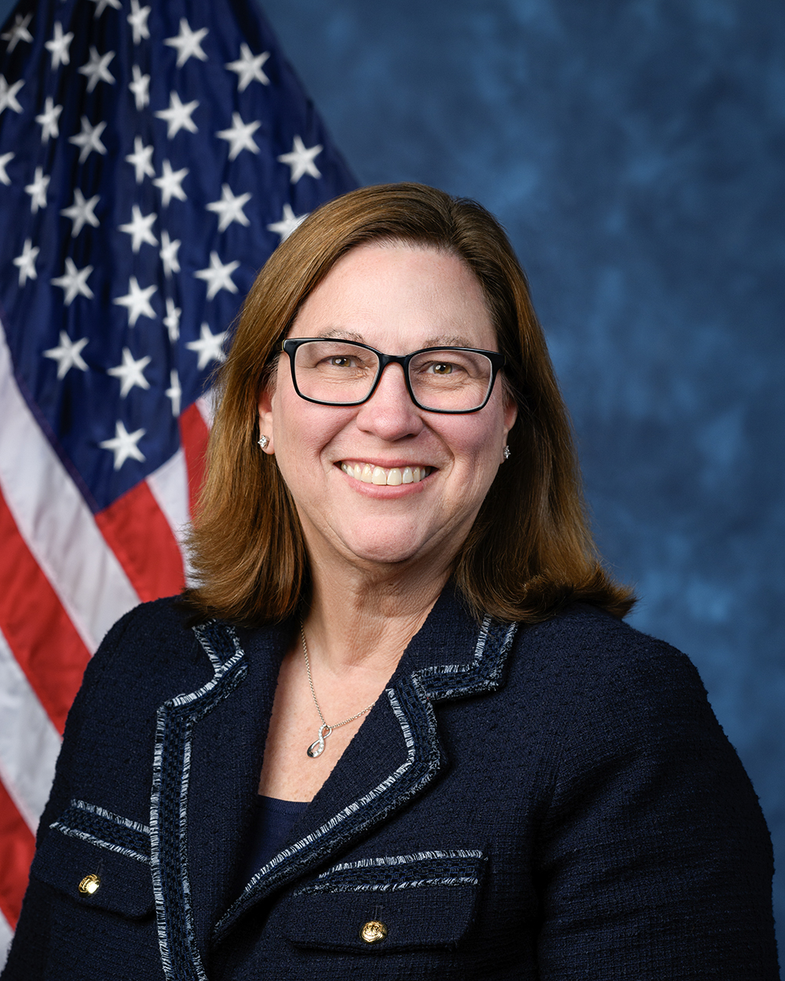
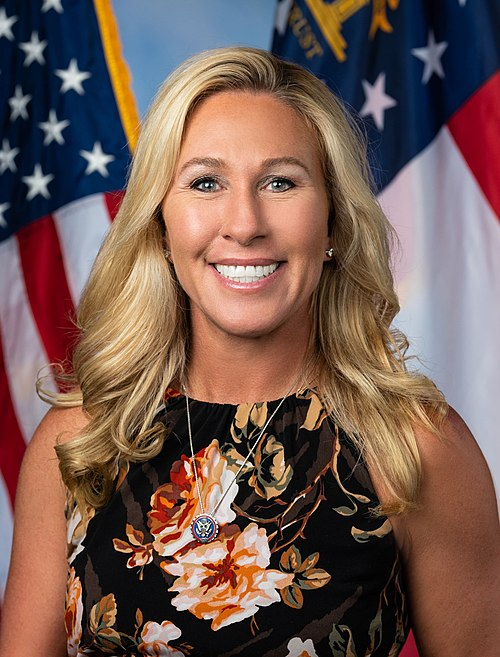
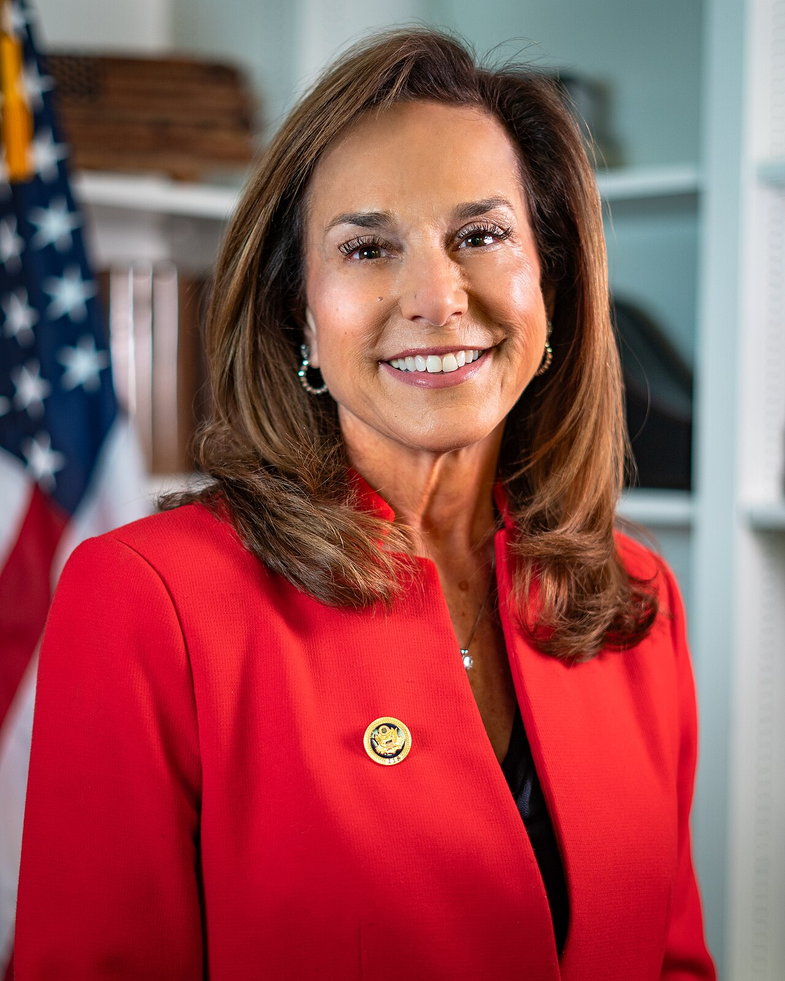
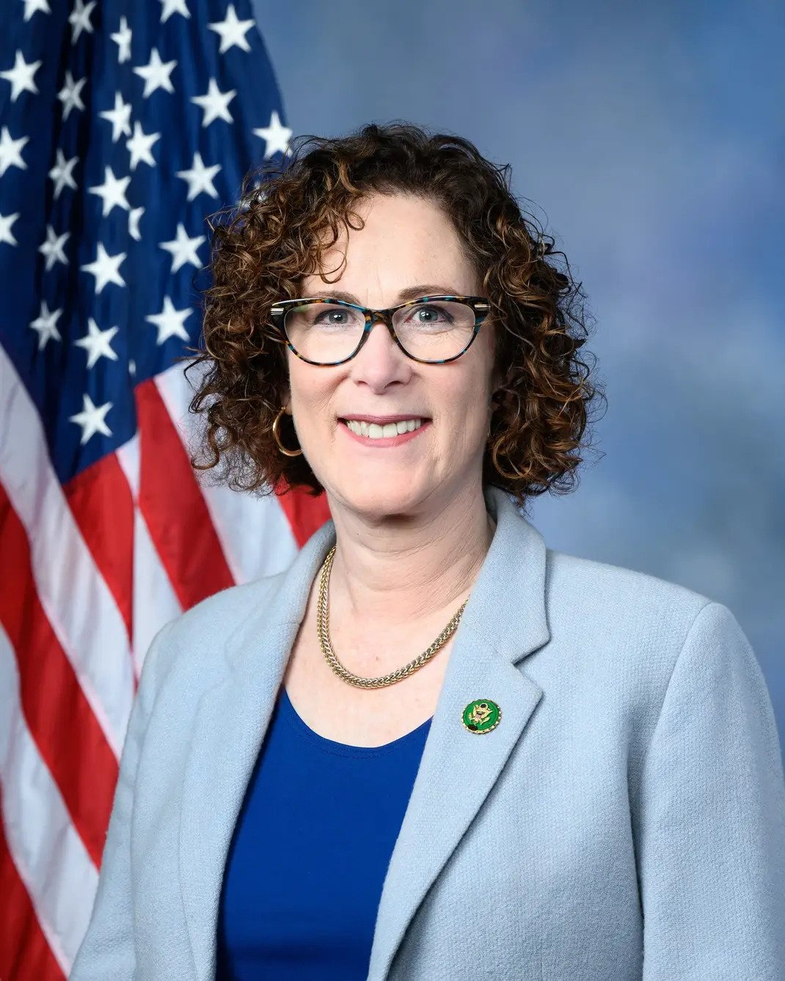
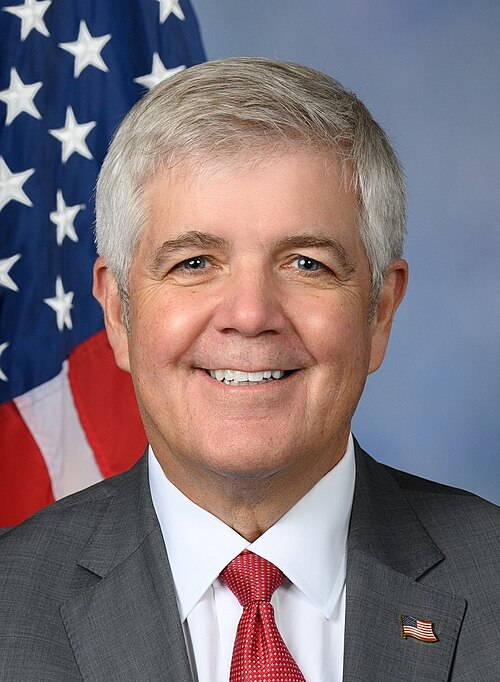
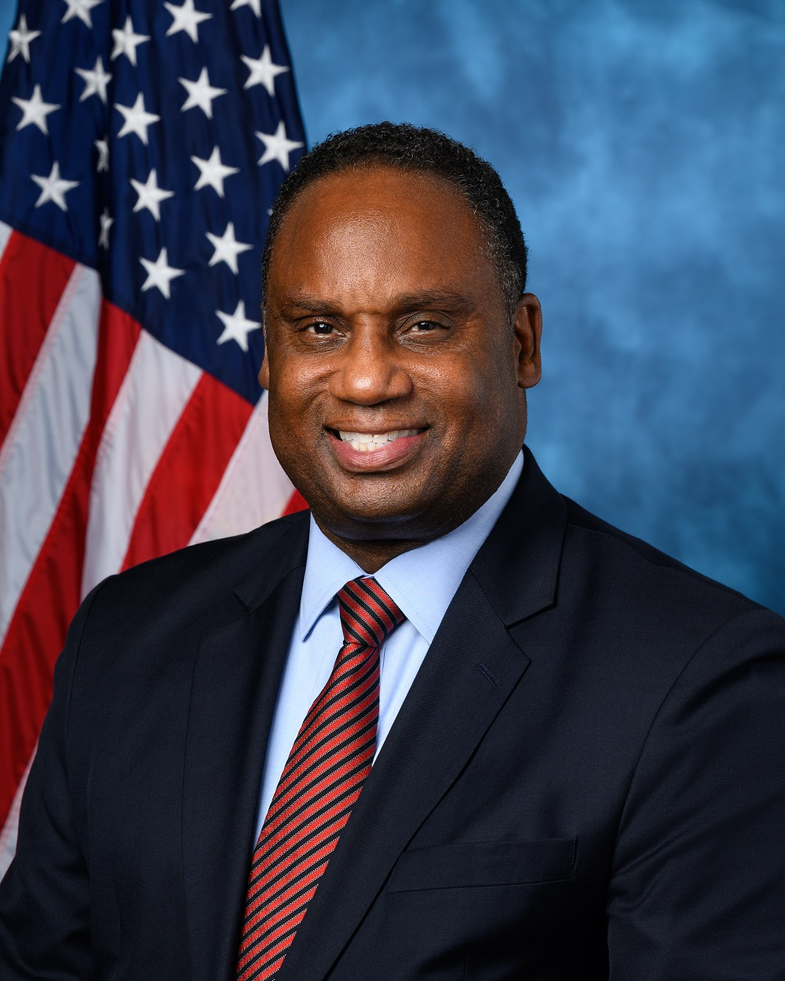
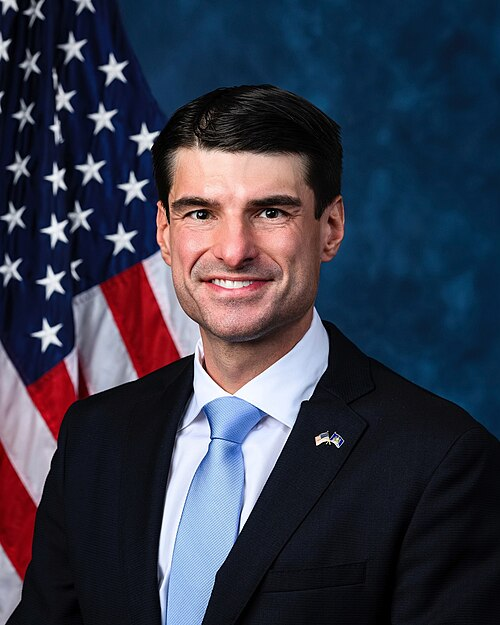
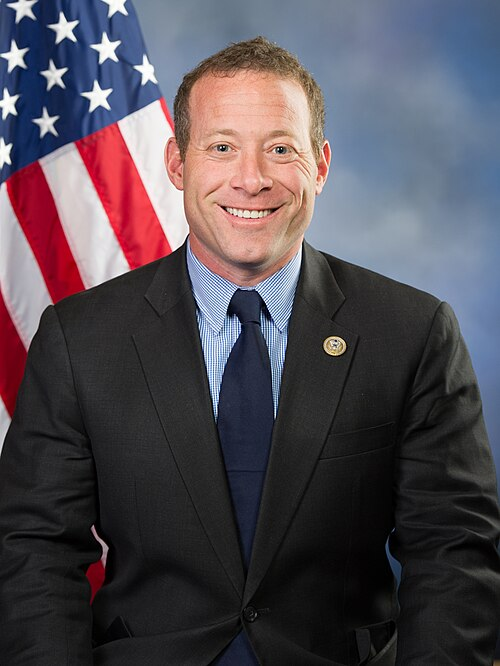
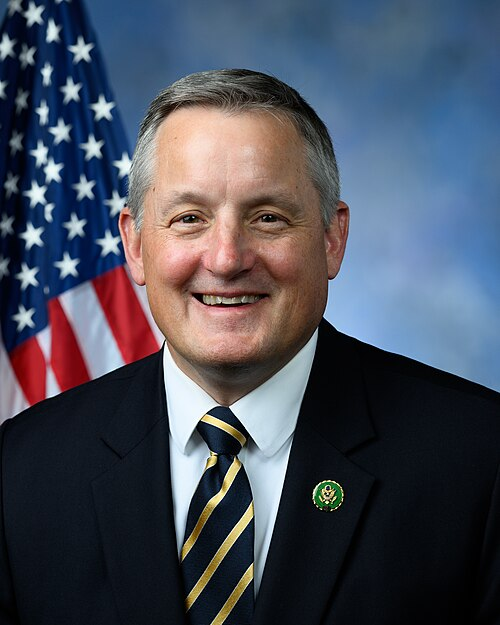
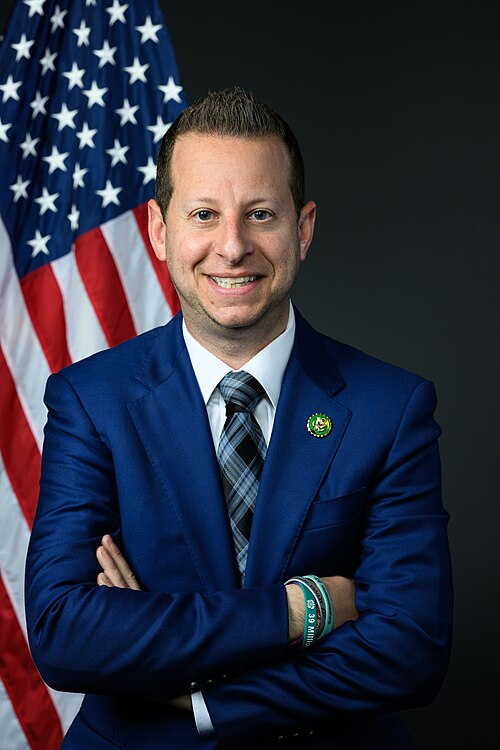
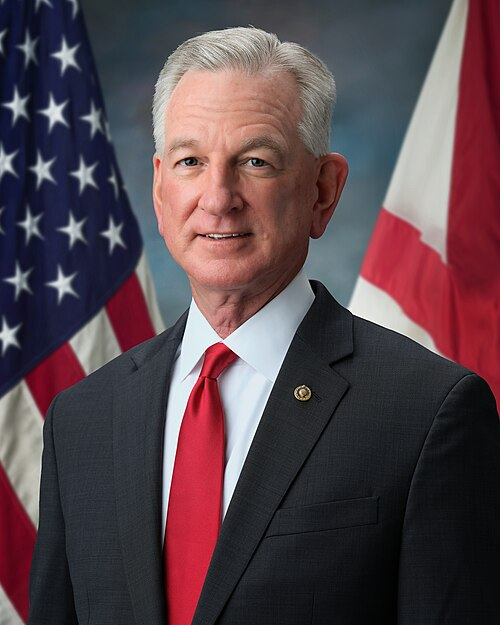
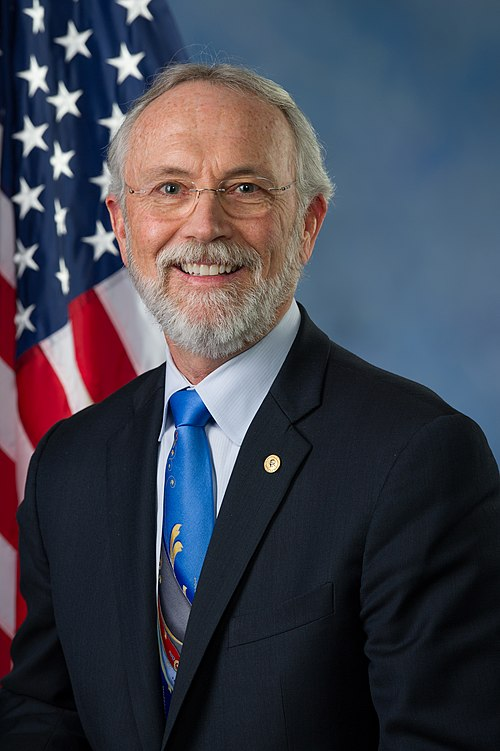
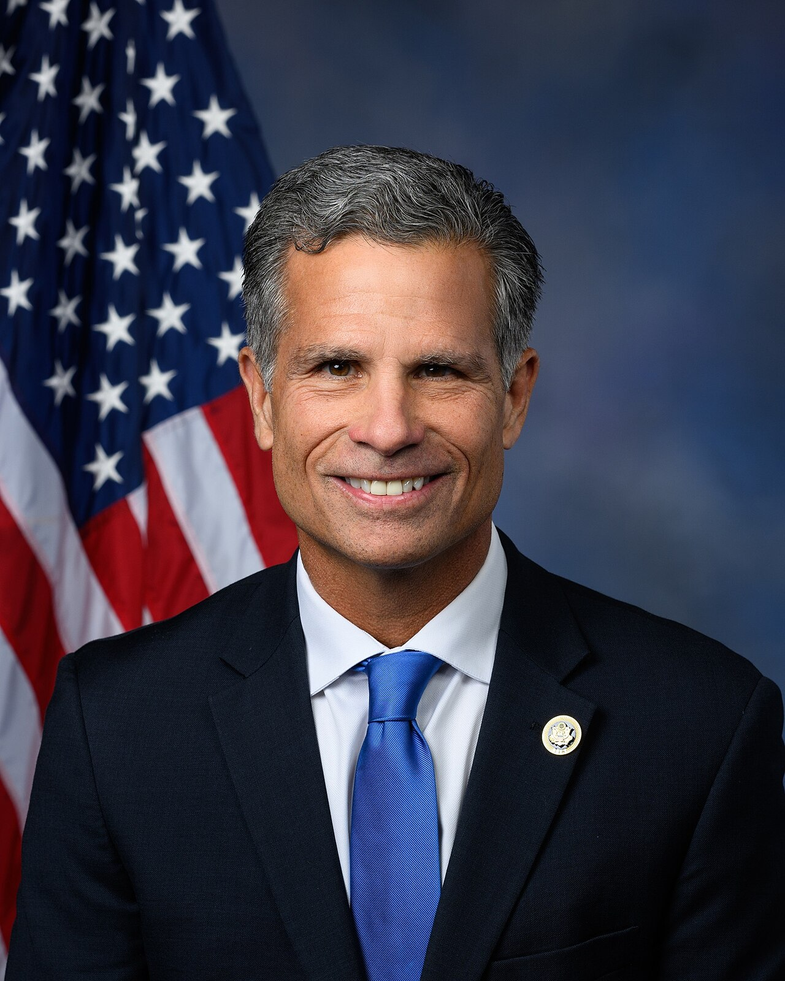
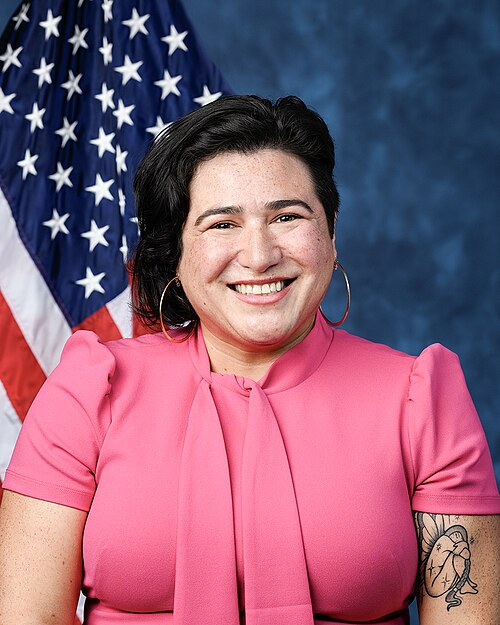
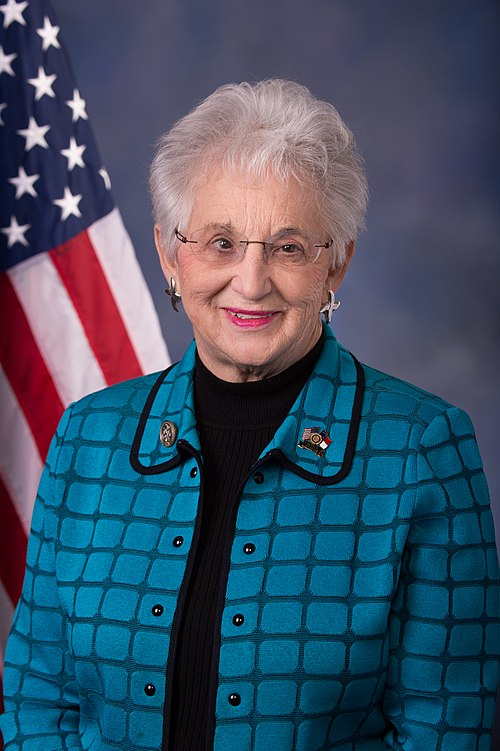
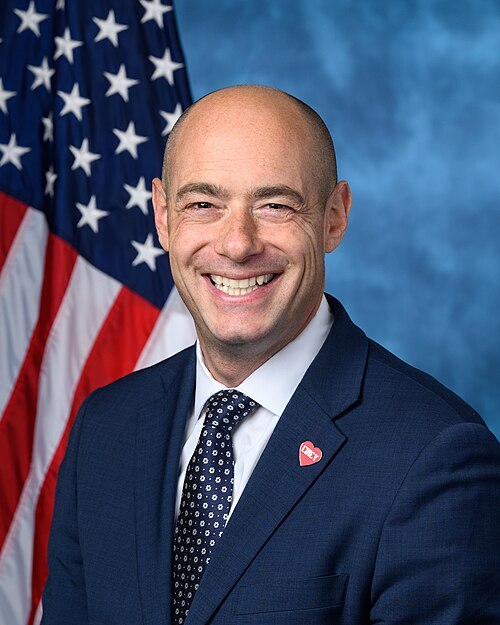
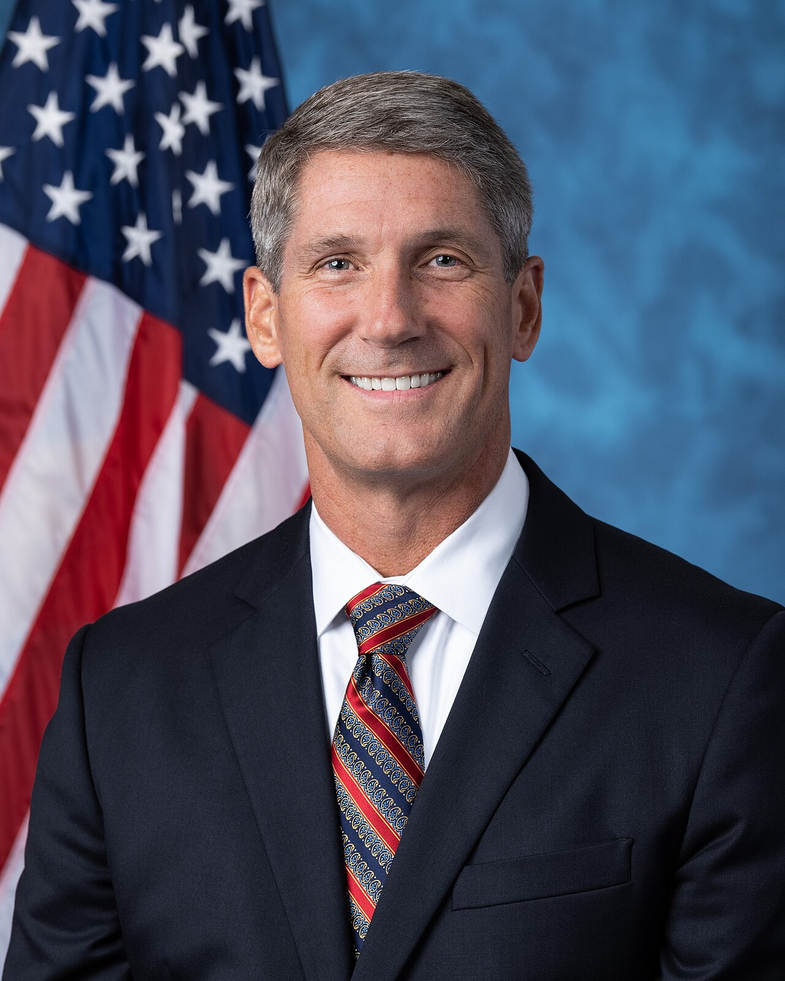
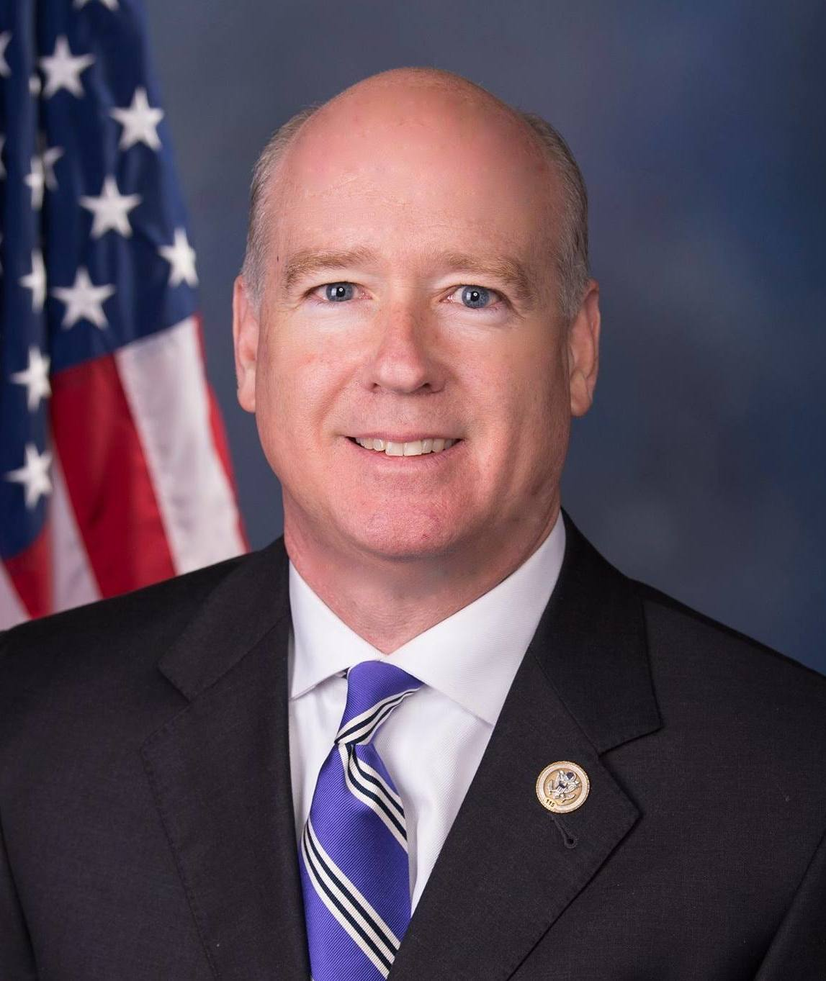
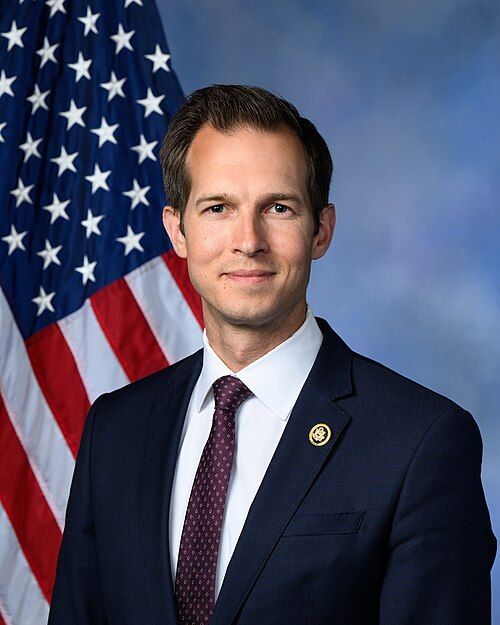
6 bill sponsors

Actions
2 actions
| Date | Action |
|---|---|
| Mar. 05, 2026 | Introduced in House |
| Mar. 05, 2026 | Referred to the Committee on Natural Resources, and in addition to the Committees on Agriculture, House Administration, and Energy and Commerce, for a period to be subsequently determined by the Speaker, in each case for consideration of such provisions as fall within the jurisdiction of the committee concerned. |
Corporate Lobbying
0 companies lobbying
None found.
* Note that there can be significant delays in lobbying disclosures, and our data may be incomplete.