H.R. 7751: Parks to People Active Transportation Act
The Parks to People Active Transportation Act aims to establish a program within the Department of Transportation for funding the creation and improvement of greenway paths. Here’s a breakdown of what the bill proposes:
Grant Program for Greenway Paths
The Secretary of Transportation would manage a competitive grant program that awards funds to eligible organizations to improve or build safe greenway paths that connect communities designated as regionally or nationally significant.
National Greenway Paths Network
A national greenway paths network will be created, identifying paths that:
- Cross multiple local or state jurisdictions
- Reduce traffic congestion and single-occupant vehicle trips
- Improve access to jobs and lower emissions of pollutants
- Support community goals as defined by metropolitan planning organizations
- Meet any additional criteria set by the Secretary
Application Process
Eligible organizations wanting to receive grants must submit detailed applications to the Secretary, which should include:
- Evidence of community support for the project.
- A cooperative agreement for projects partially on federal land.
Considerations for Grant Approval
When reviewing applications, the Secretary will consider several factors, including:
- The project's potential to enhance walking, cycling, and recreational opportunities by connecting communities.
- Integration with public transit services to improve transportation access.
- Community engagement and support for the project.
- Commitment to safety and policies that encourage increased walking and biking.
- Financial contributions and the presence of matching funds.
- Addressing disparities in access based on race or income.
Use of Grant Funds
Funds obtained through the grants can be used to:
- Construct or upgrade greenway paths.
- Acquire necessary land for such projects.
Grant Set-Aside and Administrative Costs
Each fiscal year, a minimum of $5 million will be allocated for planning grants to help organizations develop local greenway plans. Administrative costs for managing the program will be capped at $3.5 million per fiscal year.
Grant Timing
After funds are available, the Secretary must publish a request for applications within 60 days and select grant recipients within 180 days.
Federal Share of Costs
The federal government will cover up to 80% of project costs. In specific instances, such as projects in disadvantaged communities or rural areas, this federal share may be increased to 100% or 90%, respectively.
Reporting Requirements
The Secretary must provide interim and final reports to Congress outlining the grants awarded, best practices observed, and any challenges faced by grant recipients by specified deadlines in 2028 and 2030.
Funding Authorization
The bill authorizes $300 million per fiscal year for five years from 2027 to 2031 to support the program.
Definitions
Important terms defined in the legislation include:
- Active Transportation: Methods of transportation other than motor vehicles, such as walking or biking.
- Greenway Path: Facilities for active transportation that connect communities.
- Eligible Organization: Various governmental entities and tribal organizations that can apply for grants.
Relevant Companies
- ABBV - AbbVie could be influenced through increased recreational and public health initiatives associated with enhanced greenways.
- AMZN - Amazon may see increased demand for delivery services as better pathways facilitate access to residential areas.
- NKE - Nike could be positively impacted as improved walking and cycling paths may increase sales of athletic wear and gear.
This is an AI-generated summary of the bill text. There may be mistakes.
Sponsors
10 bill sponsors
-
TrackLaMonica McIver
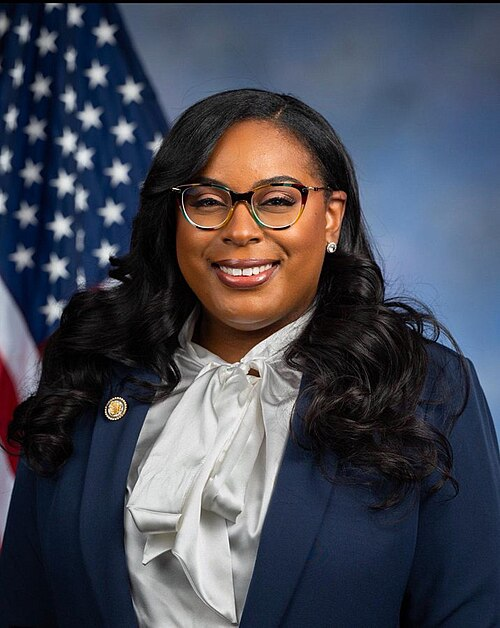
Sponsor
-
TrackNanette Diaz Barragán
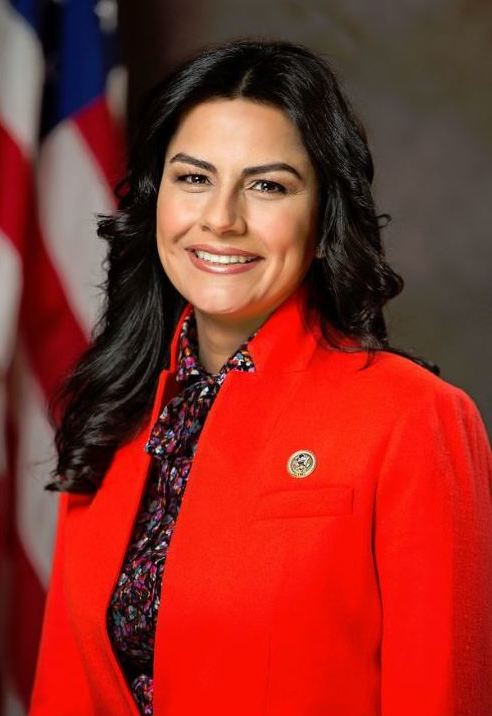
Co-Sponsor
-
TrackTroy A. Carter
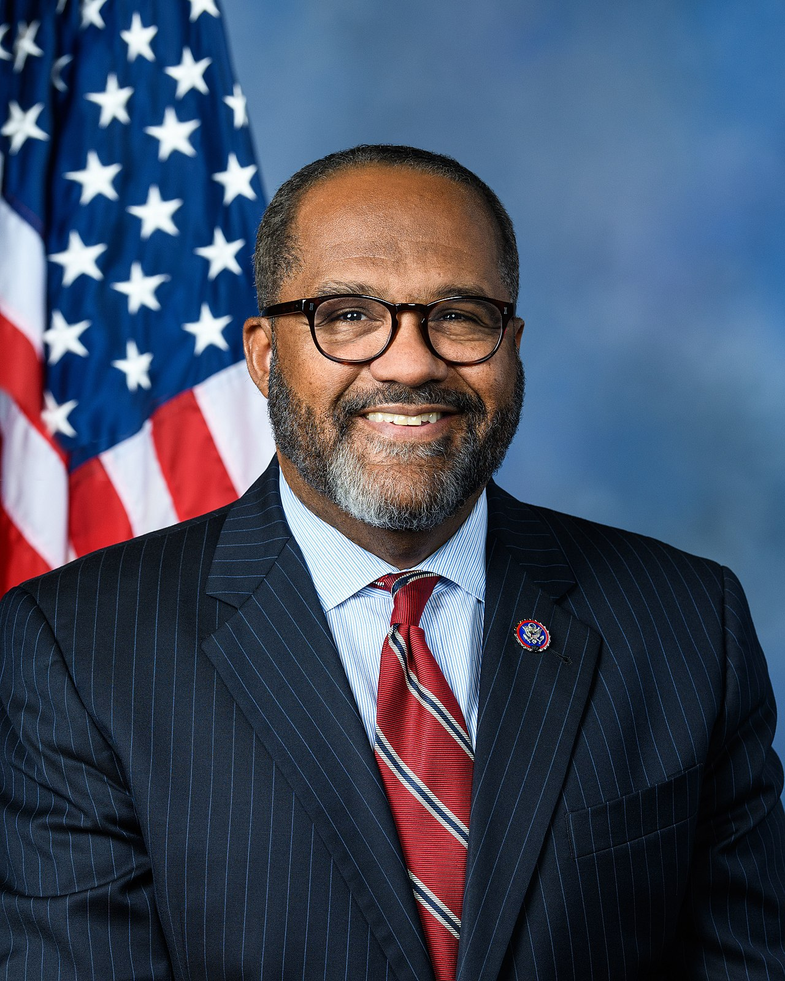
Co-Sponsor
-
TrackHenry C. "Hank" Johnson, Jr.
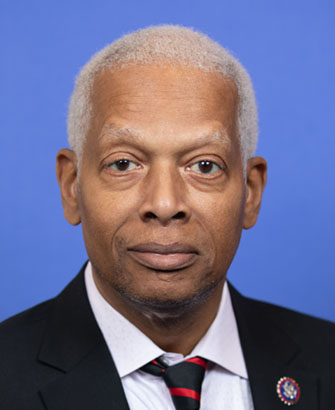
Co-Sponsor
-
TrackLucy McBath
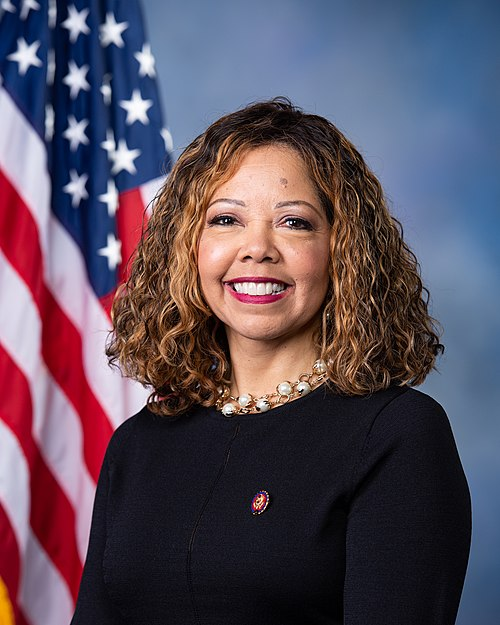
Co-Sponsor
-
TrackRobert Menendez
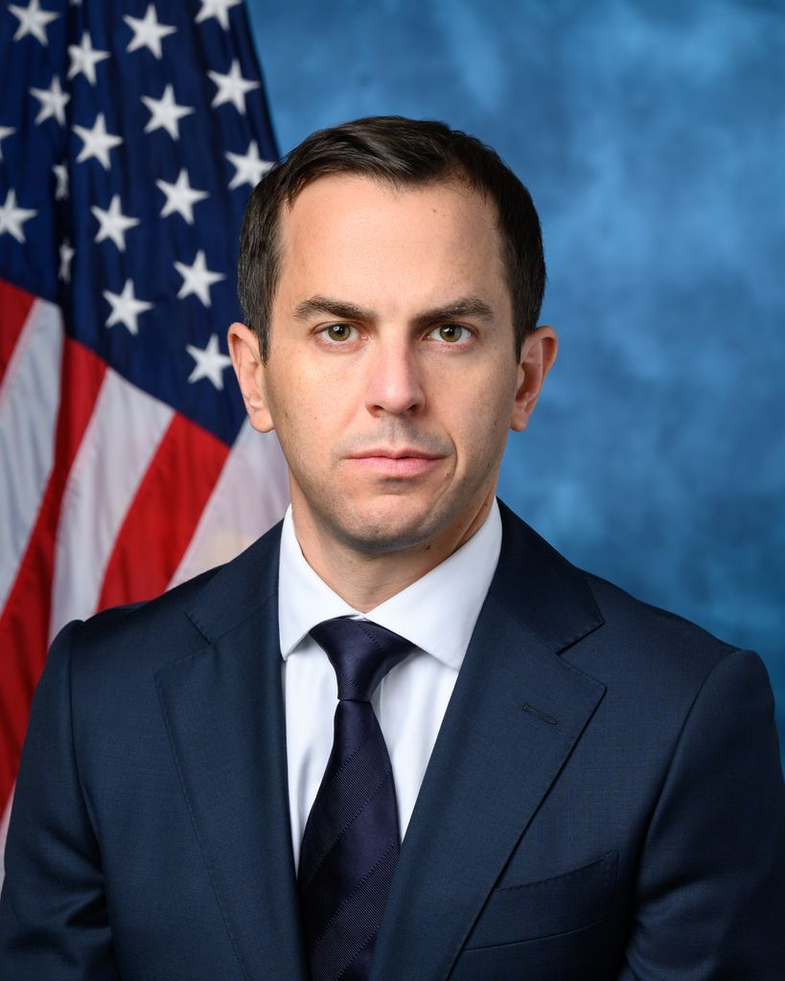
Co-Sponsor
-
TrackEleanor Holmes Norton

Co-Sponsor
-
TrackLateefah Simon
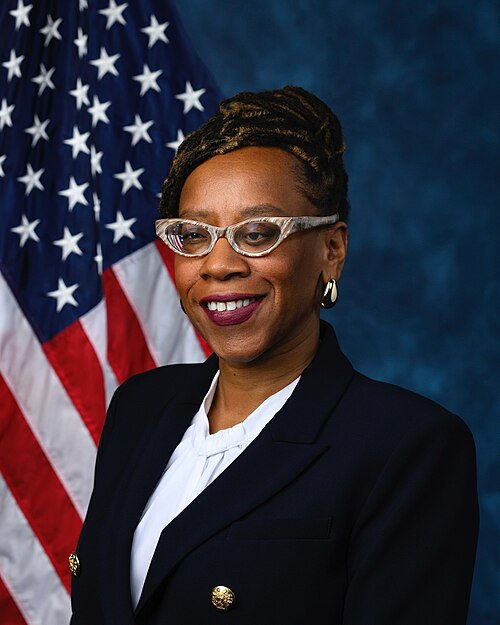
Co-Sponsor
-
TrackDina Titus
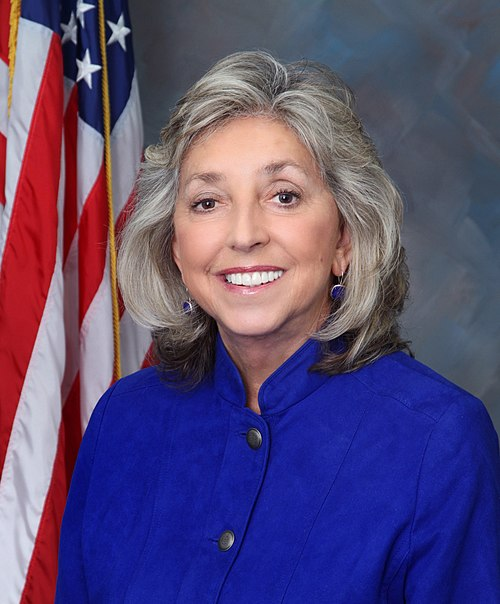
Co-Sponsor
-
TrackRashida Tlaib
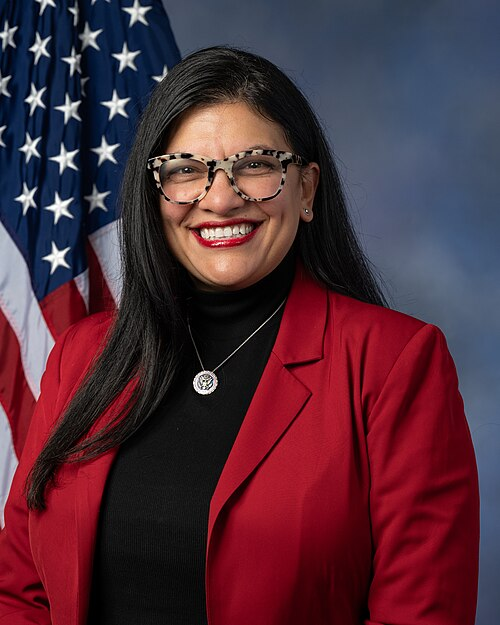
Co-Sponsor
Actions
2 actions
| Date | Action |
|---|---|
| Mar. 02, 2026 | Introduced in House |
| Mar. 02, 2026 | Referred to the House Committee on Transportation and Infrastructure. |
Corporate Lobbying
0 companies lobbying
None found.
* Note that there can be significant delays in lobbying disclosures, and our data may be incomplete.