H.R. 7553: Aviation Innovation and Global Competitiveness Act
This bill, titled the Aviation Innovation and Global Competitiveness Act, aims to update the Federal Aviation Administration (FAA) type certification process to support the development of new technologies in aviation, specifically in advanced air mobility. Below are the key elements of the bill:
Transparency of the FAA Certification Process
The bill mandates the FAA Administrator to publish a plan on the FAA's official website to improve the certification application process within 180 days of enactment. This plan will include:
- Improvements to the issue paper process related to type certifications.
- Guidance on using industry consensus standards where possible, maintaining safety as a priority.
- Creation of stable policies on commonly addressed topics in certification processes.
- Consideration of performance-based standards when setting certification requirements.
Standard Expected Timelines
Within 270 days of enactment, the FAA Administrator must establish standard timelines for key milestones in the certification process, such as:
- The development of issue papers and certification plans.
- The timeframe from the closure of an issue paper to the publication of relevant new rules.
- Responses from the FAA on petitions for exemptions and compliance proposals.
There are exceptions for complex issues deemed unsafe by the Administrator.
Consultation Requirements
The FAA must consult various stakeholders during the implementation of the above provisions, including:
- Trade associations and stakeholders in advanced air mobility.
- Prospective infrastructure providers, including those for airports and vertiports.
- Representatives from aviation safety inspectors and engineers.
Reporting to Congress
The FAA Administrator must report to Congress within 180 days and annually thereafter on the implementation status, including metrics on performance in meeting established timelines and addressing any deficiencies.
Criteria for FAA Issue Papers
The Administrator is required to update guidelines to specify:
- Criteria determining when issues warrant establishment of an issue paper.
- Roles responsible for evaluating these criteria.
- Efforts to improve efficiency by converting stable issue papers into published policy documents.
FAA Delegation Guidance
Within 90 days of enactment, the Administrator must publish updated guidelines regarding the delegation of responsibilities in the type certification process. This guidance will outline:
- Criteria for eligibility of applicants.
- Classification of compliance findings as routine or safety-critical.
- Documentation processes for type certification activities.
Sense of Congress
The bill expresses that the U.S. should continue to support innovation and leadership in the development and safe use of new aviation technologies.
Rule of Construction
The establishment of standard timelines in this bill does not create new legal rights, nor can adherence to these timelines be subjected to legal review.
Definitions
The bill defines key terms such as "Administrator," "advanced air mobility," and "FAA" to clarify their meanings within the context of the legislation.
Relevant Companies
- BA (Boeing) - As a major aerospace company, Boeing could be impacted by changes in the certification process affecting the types of aircraft it designs and manufactures.
- LMT (Lockheed Martin) - This defense and aerospace company might be affected through the innovation and certification processes for advanced air mobility technologies.
- AAPL (Apple Inc.) - If Apple pursues ventures in advanced mobility technologies, such as drones or autonomous flight systems, it may face changes in certification regulations.
This is an AI-generated summary of the bill text. There may be mistakes.
Sponsors
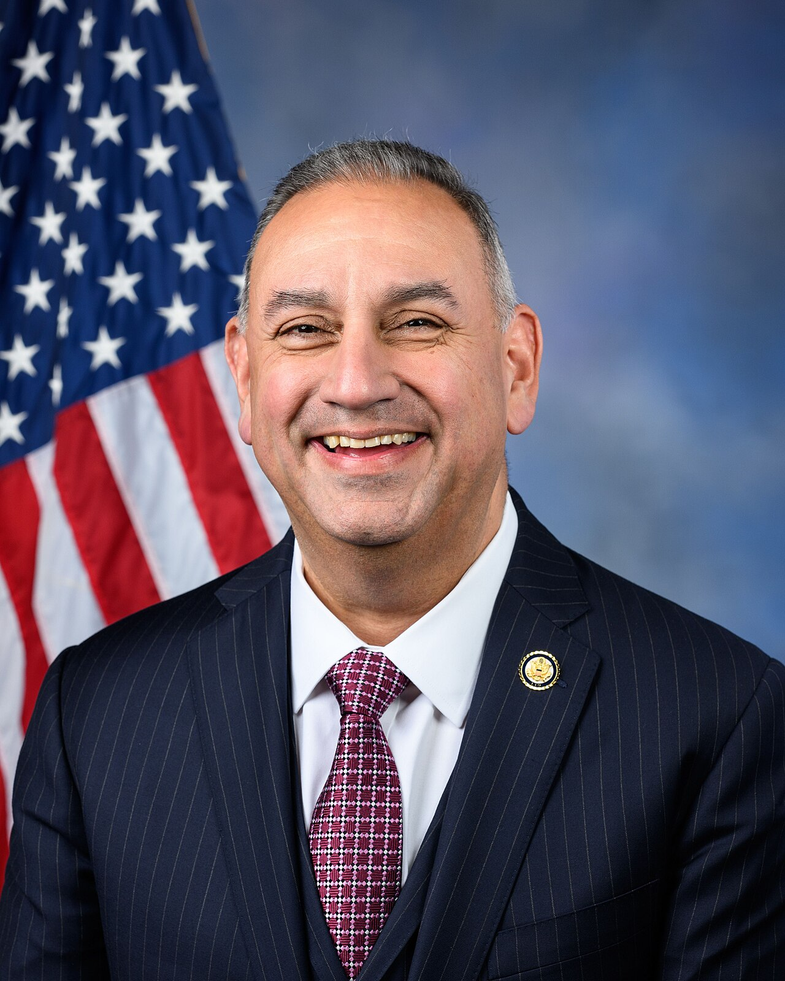
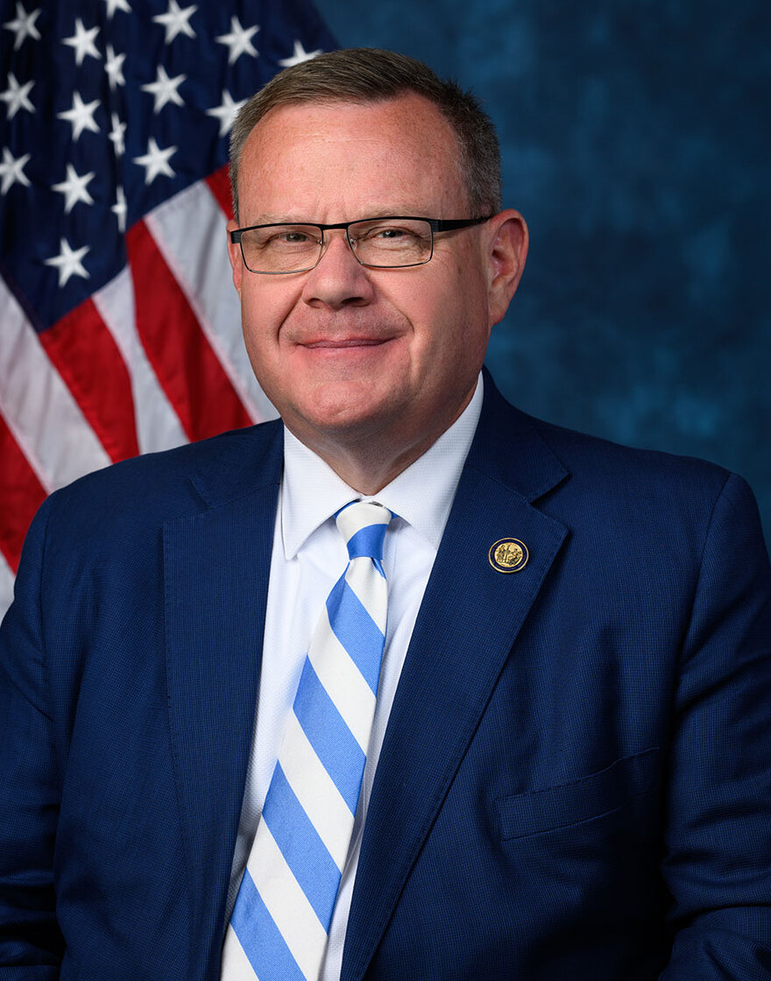
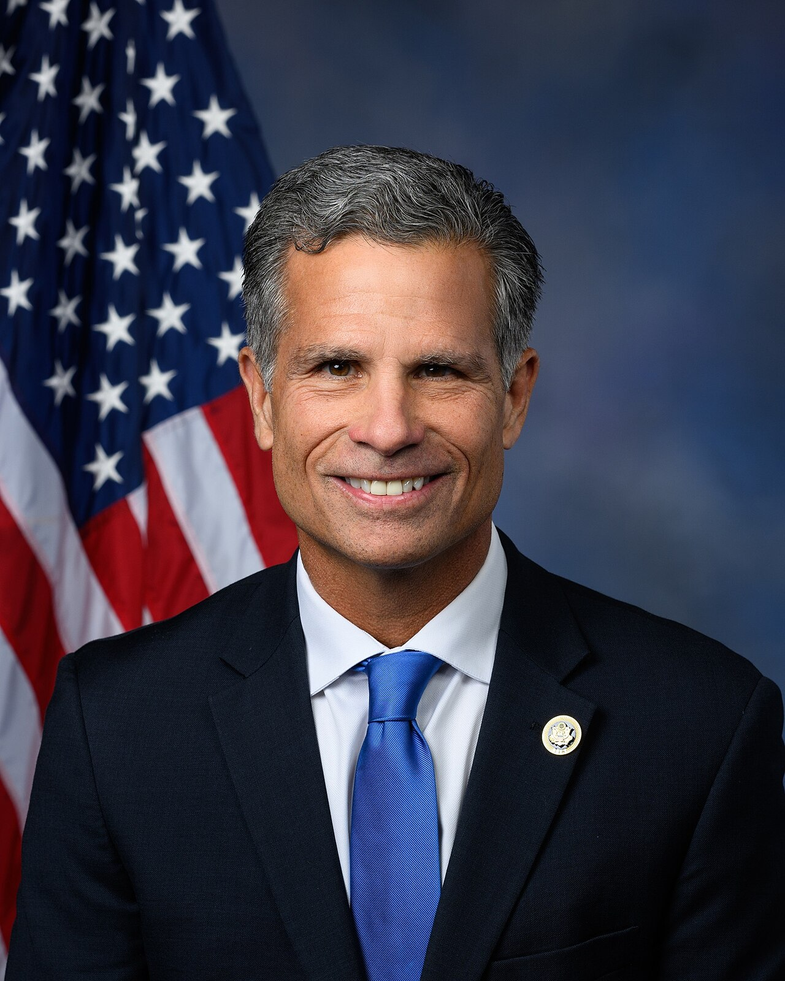
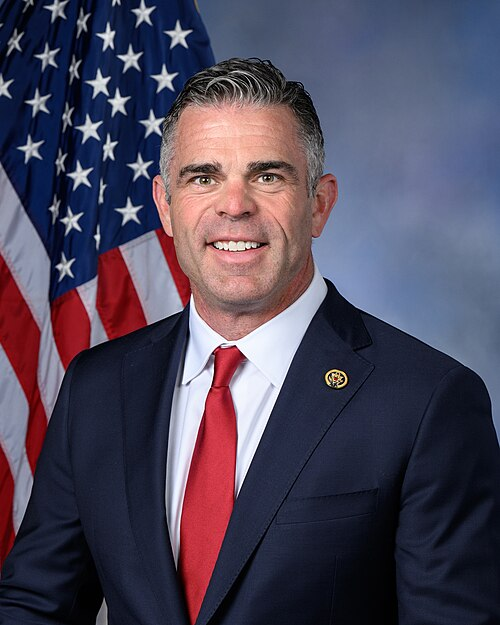
8 bill sponsors







Actions
3 actions
| Date | Action |
|---|---|
| Feb. 13, 2026 | Referred to the Subcommittee on Aviation. |
| Feb. 12, 2026 | Introduced in House |
| Feb. 12, 2026 | Referred to the House Committee on Transportation and Infrastructure. |
Corporate Lobbying
0 companies lobbying
None found.
* Note that there can be significant delays in lobbying disclosures, and our data may be incomplete.