H.R. 7184: Preventing Rogue Equipment for Synthetic Substances Act
This bill, known as the Preventing Rogue Equipment for Synthetic Substances Act (PRESS Act), aims to strengthen the laws regarding the manufacture and distribution of equipment that can be used to produce illegal drugs. It focuses particularly on machines and materials that are used for creating tablets and capsules that may contain controlled substances.
Key Provisions of the Bill
- New Legal Restrictions: The bill makes it illegal to manufacture or distribute specific equipment—such as tableting machines, encapsulating machines, and the associated tools and materials—if the manufacturer or distributor knows or has reason to believe that this equipment will be used to produce illegal drugs or that these drugs will be brought into the United States unlawfully.
- Expanded Jurisdiction: The bill expands extraterritorial jurisdiction under the Controlled Substances Act. This means that the United States can hold individuals accountable for these activities, even if they occur outside of U.S. borders.
- Penalties for Violation: The bill introduces stricter penalties for those who violate these new provisions. Offenders could face significant fines and imprisonment, with specific terms outlined depending on the nature of the offense. For example, violations involving certain chemicals or large quantities of machines can result in longer prison sentences.
- Sentencing Commission Review: The United States Sentencing Commission is tasked with reviewing and potentially revising federal sentencing guidelines to align with the new regulations established by the bill.
Rationale
The intent behind the legislation is to address the growing problem of synthetic drug production and distribution, particularly concerning substances that can be counterfeited or manufactured illegally. By targeting the tools that facilitate this illegal activity, the bill seeks to reduce the availability of synthetic drugs on the market.
Relevant Companies
- MMM - 3M Company may be indirectly impacted due to their production of materials that can be used in various manufacturing processes, including pharmaceuticals.
- MCK - McKesson Corporation, involved in pharmaceutical distribution, could see operational changes depending on regulatory compliance with the new import restrictions.
- HSIC - Henry Schein, Inc. might be affected due to their role in distributing medical and dental equipment, which could include tableting machinery.
This is an AI-generated summary of the bill text. There may be mistakes.
Sponsors
33 bill sponsors
-
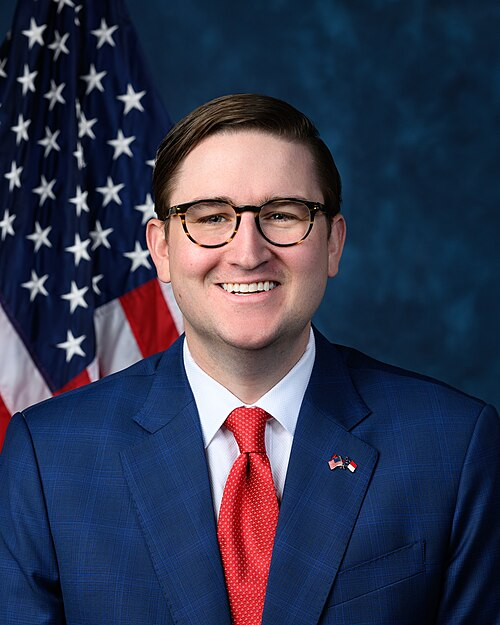
TrackAddison McDowell
Sponsor
-
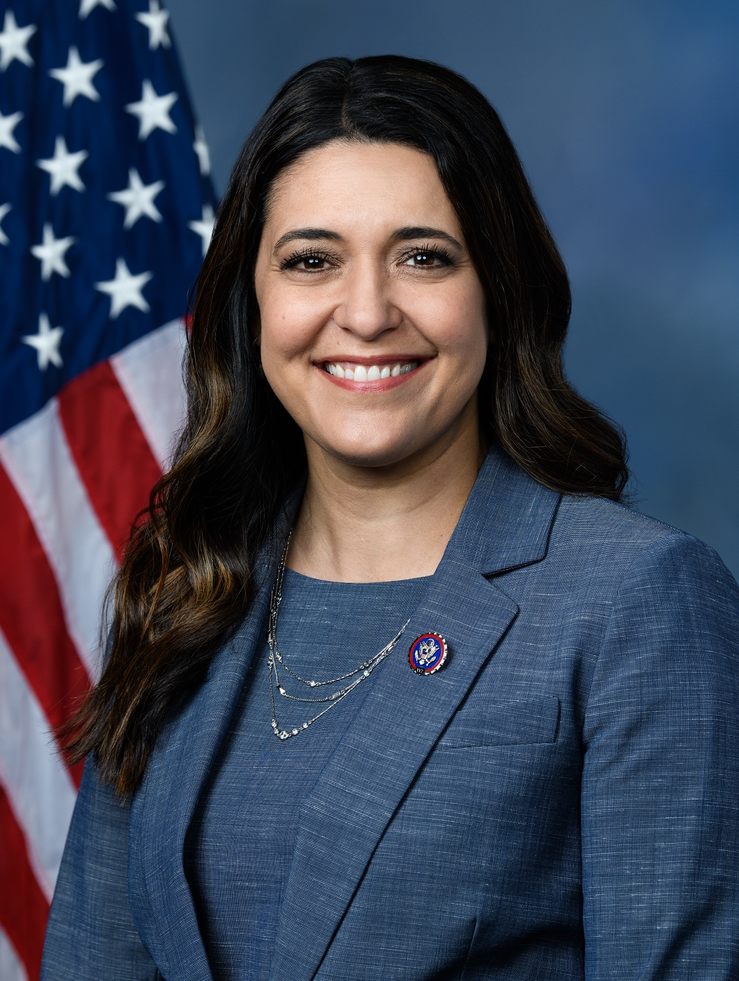
TrackStephanie I. Bice
Co-Sponsor
-
TrackRobert Bresnahan
Co-Sponsor
-
TrackKat Cammack
Co-Sponsor
-
TrackMike Carey
Co-Sponsor
-
TrackHenry Cuellar
Co-Sponsor
-
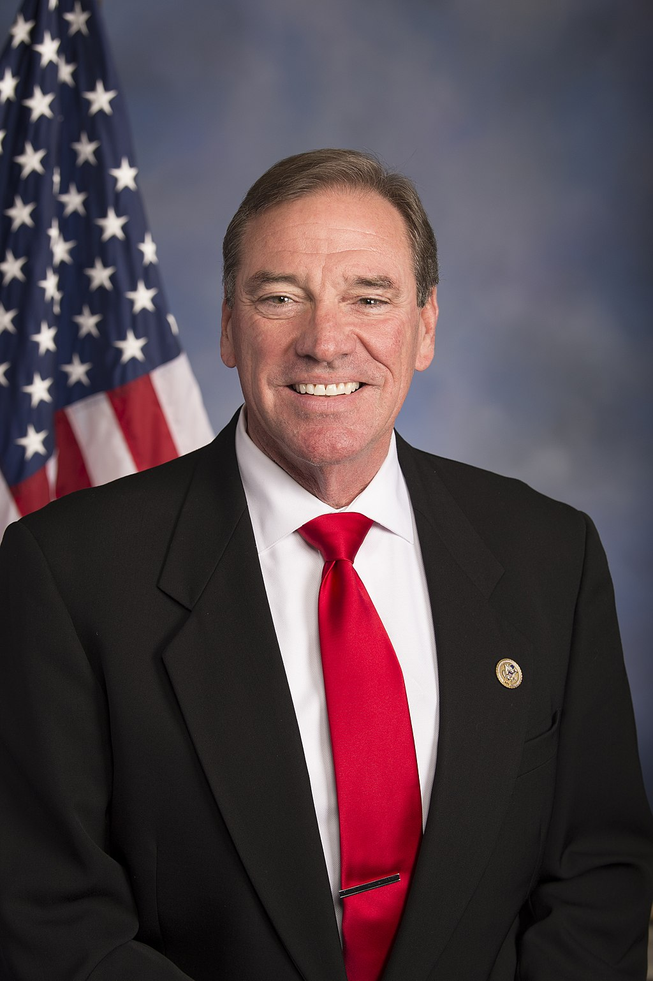
TrackNeal P. Dunn
Co-Sponsor
-
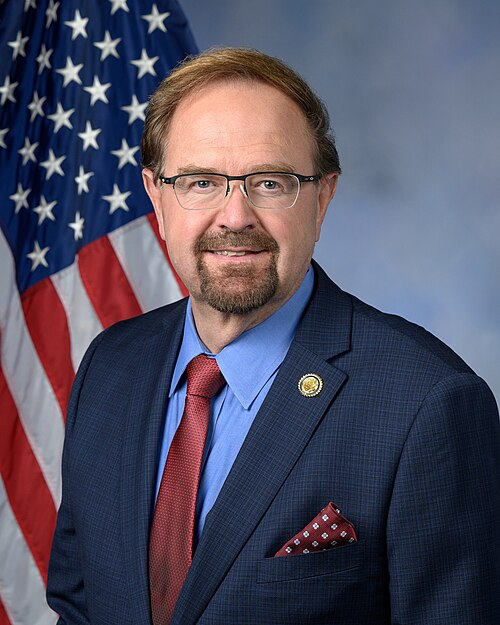
TrackChuck Edwards
Co-Sponsor
-
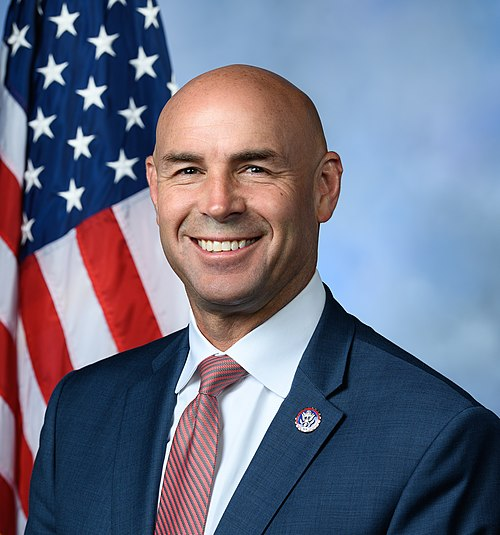
TrackJake Ellzey
Co-Sponsor
-
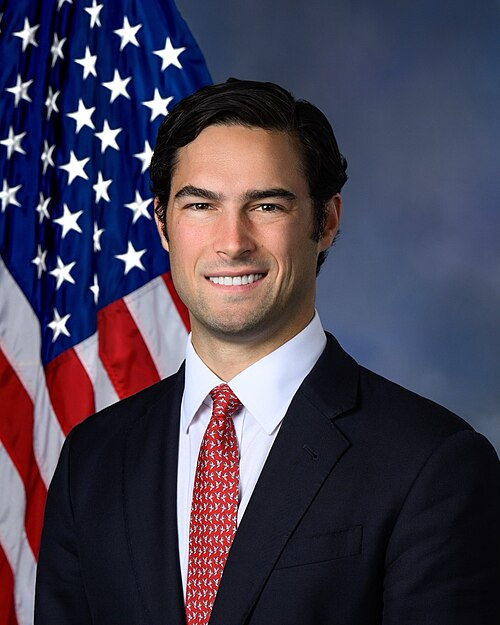
TrackBrandon Gill
Co-Sponsor
-
TrackCraig Goldman
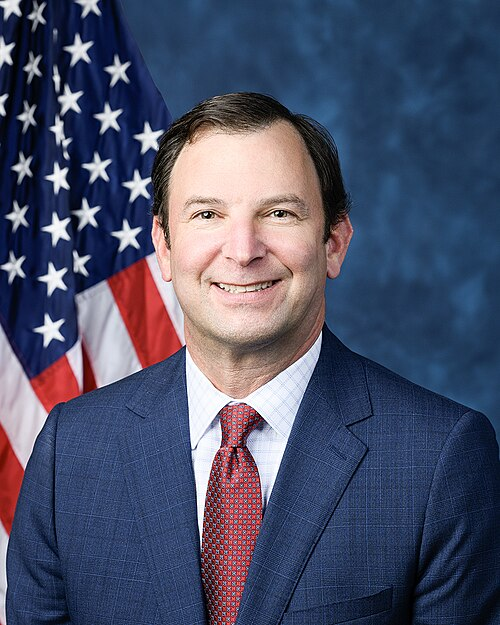
Co-Sponsor
-
TrackLance Gooden
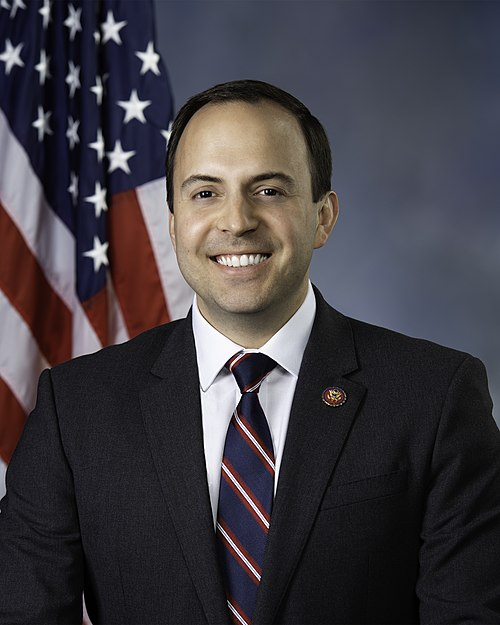
Co-Sponsor
-
TrackPat Harrigan
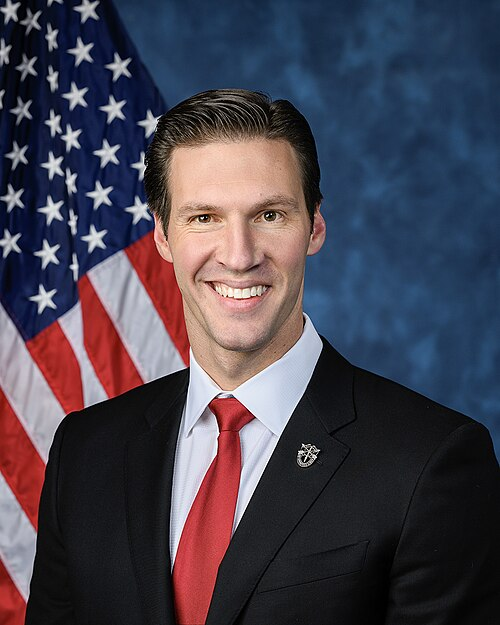
Co-Sponsor
-
TrackMark Harris
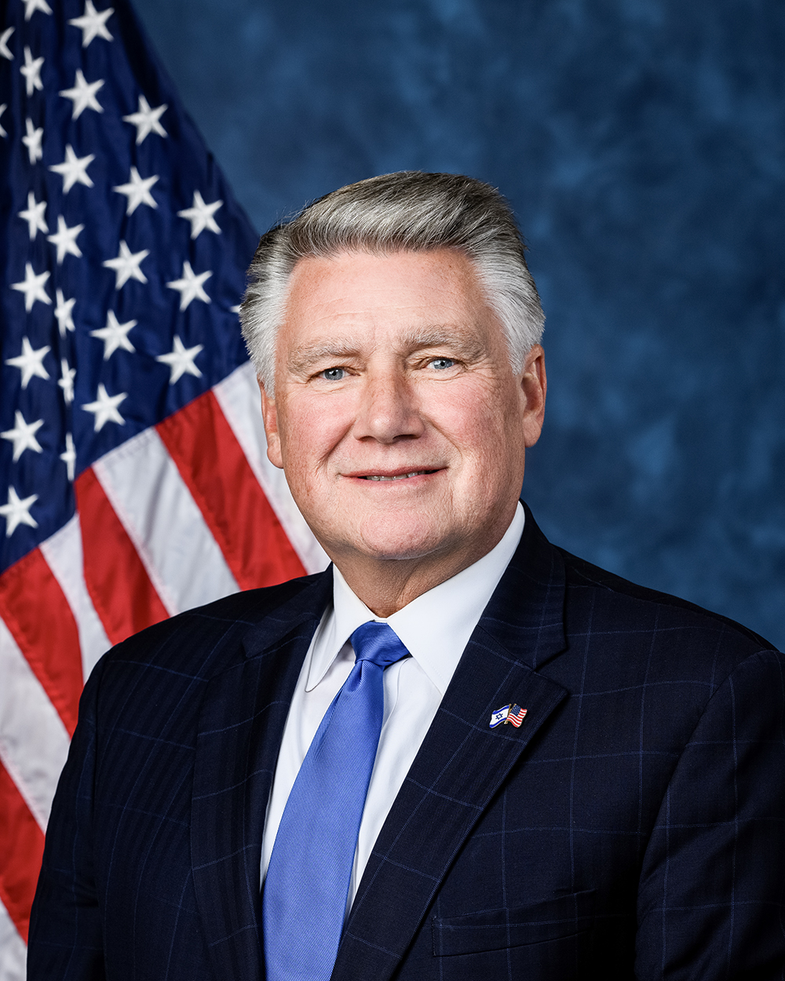
Co-Sponsor
-
TrackClay Higgins
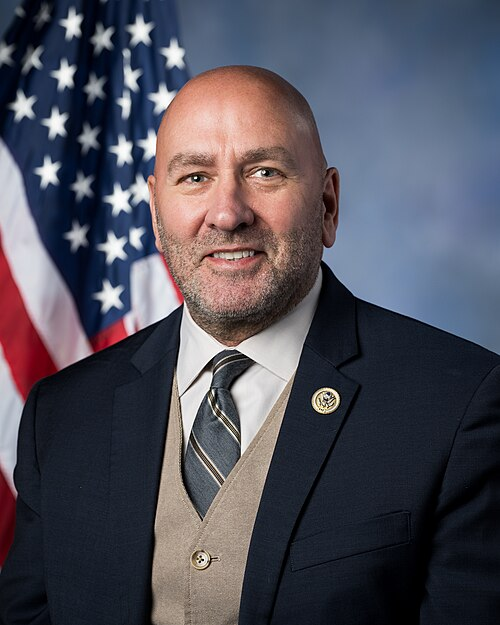
Co-Sponsor
-
TrackErin Houchin
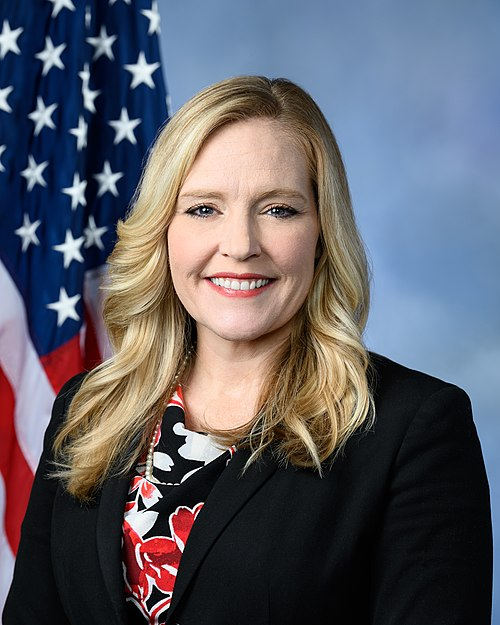
Co-Sponsor
-
TrackBrian Jack
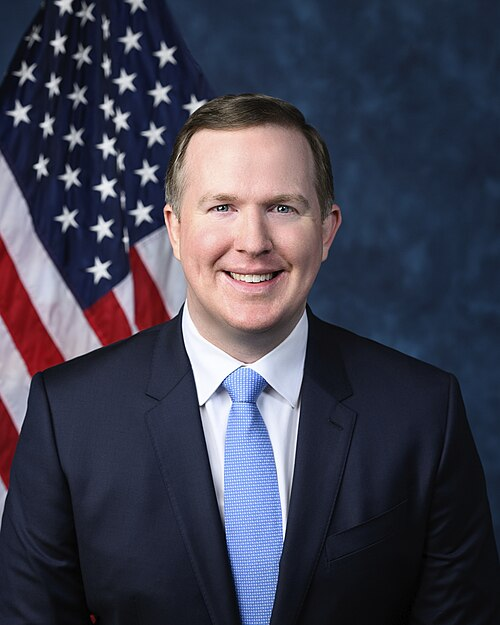
Co-Sponsor
-
TrackThomas H. Kean, Jr.
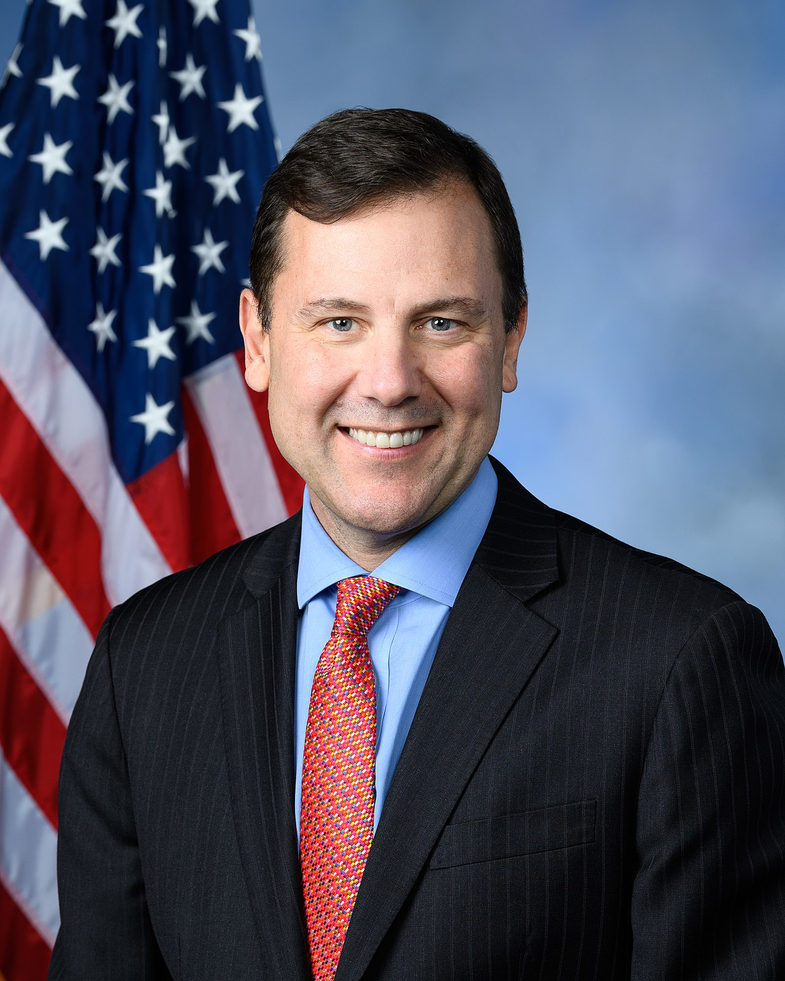
Co-Sponsor
-
TrackRobert E. Latta
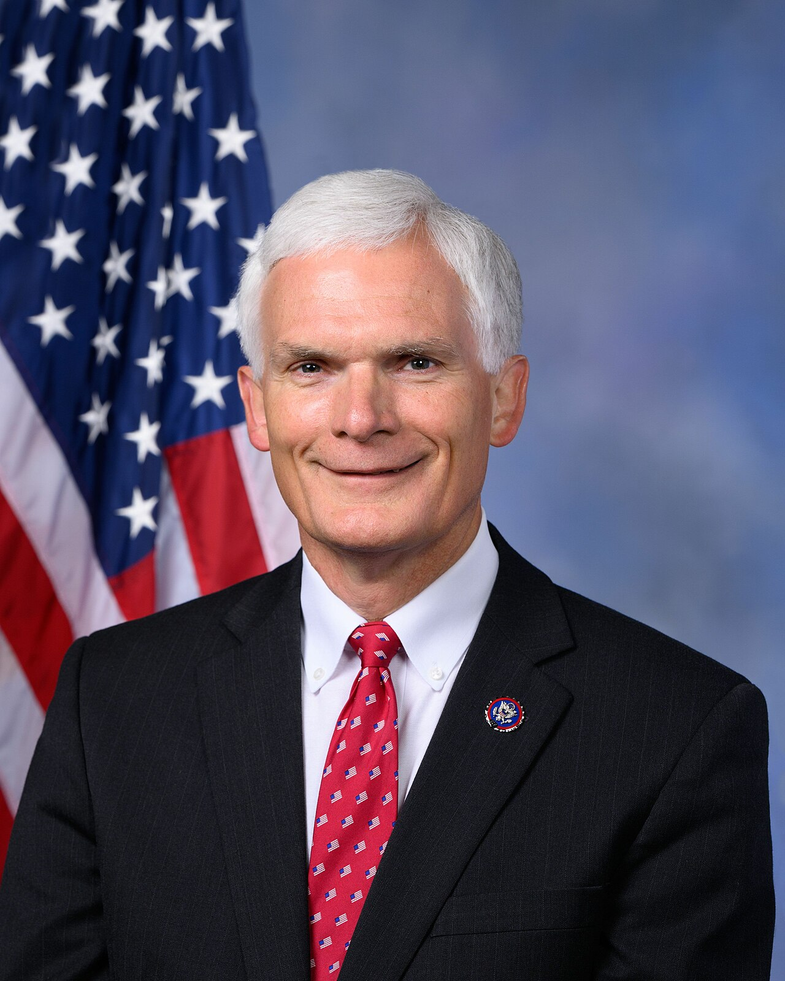
Co-Sponsor
-
TrackLaurel M. Lee
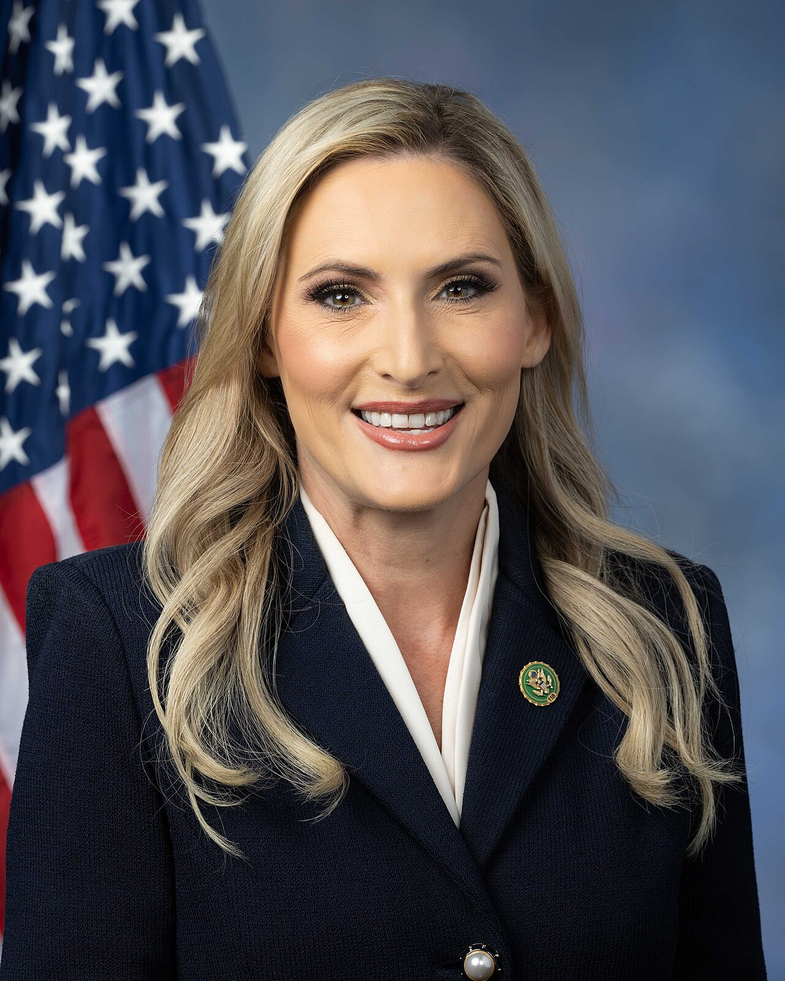
Co-Sponsor
-
TrackAnna Paulina Luna
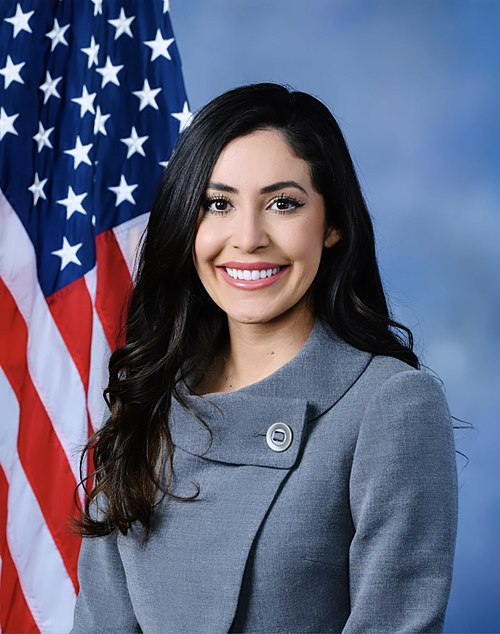
Co-Sponsor
-
TrackTroy E. Nehls
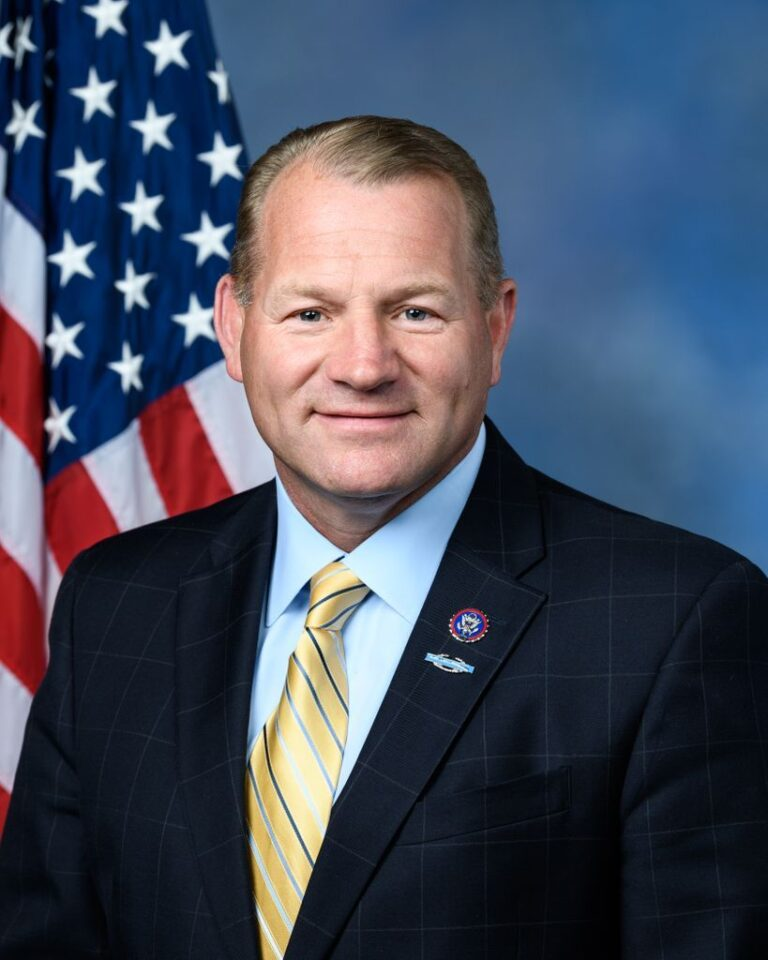
Co-Sponsor
-
TrackAugust Pfluger
Co-Sponsor
-
TrackKeith Self
Co-Sponsor
-
TrackPete Sessions
Co-Sponsor
-
TrackChristopher H. Smith
Co-Sponsor
-
TrackMarlin A. Stutzman
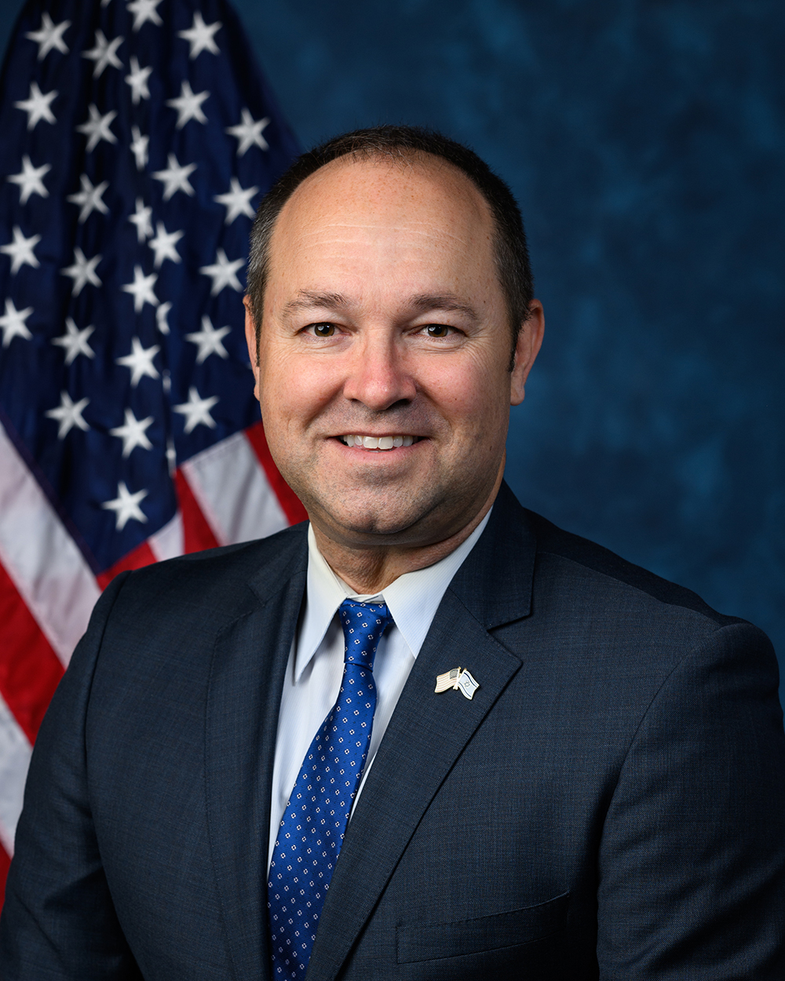
Co-Sponsor
-
TrackClaudia Tenney
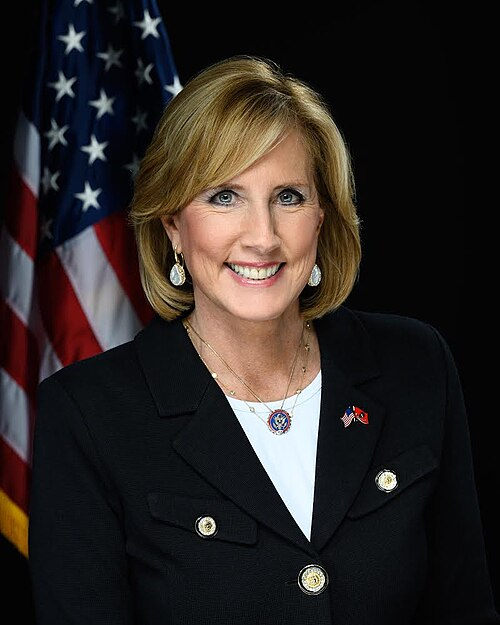
Co-Sponsor
-
TrackBeth Van Duyne
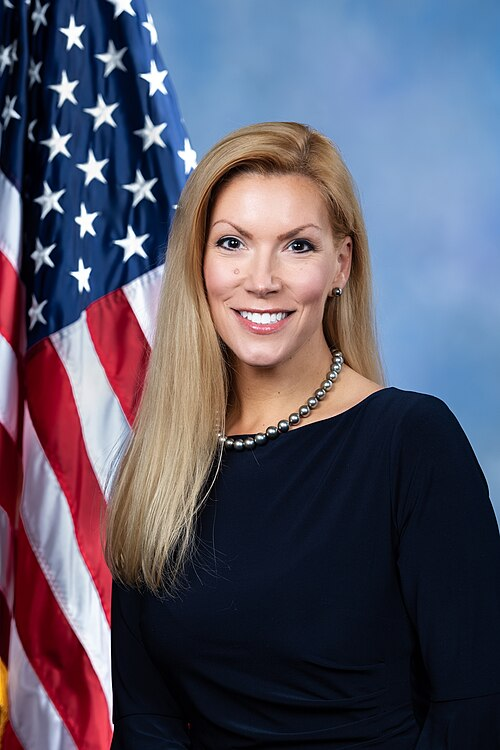
Co-Sponsor
-
TrackMatthew Van Epps

Co-Sponsor
-
TrackRandy K. Weber, Sr.
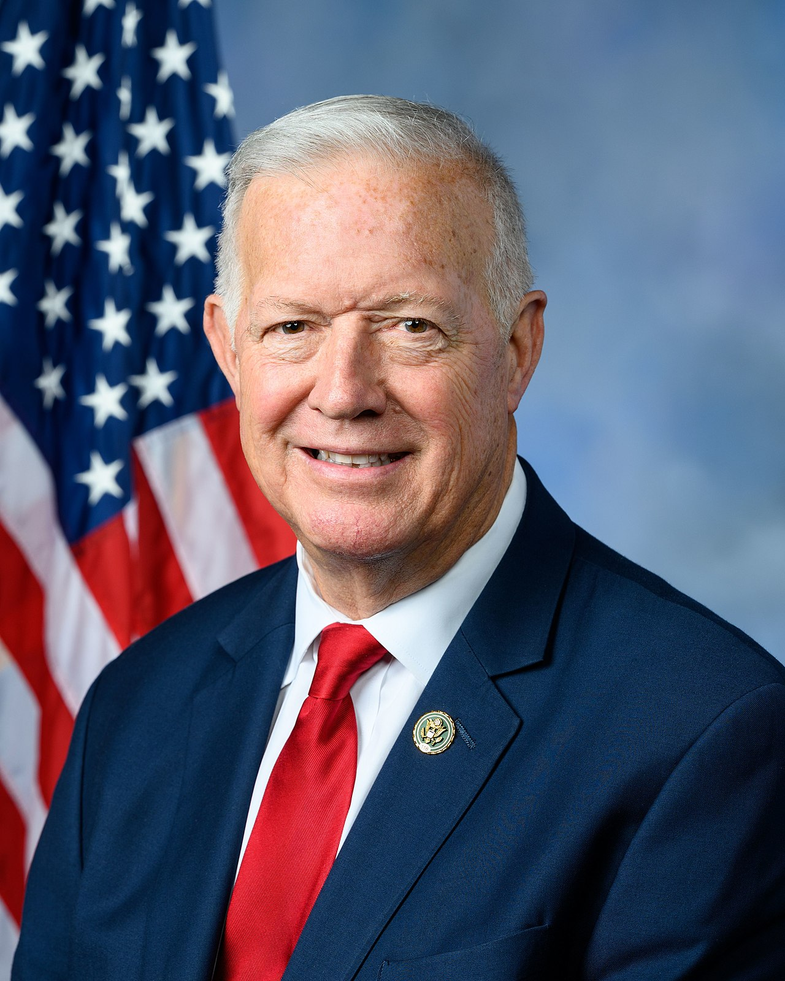
Co-Sponsor
-
TrackRudy Yakym III
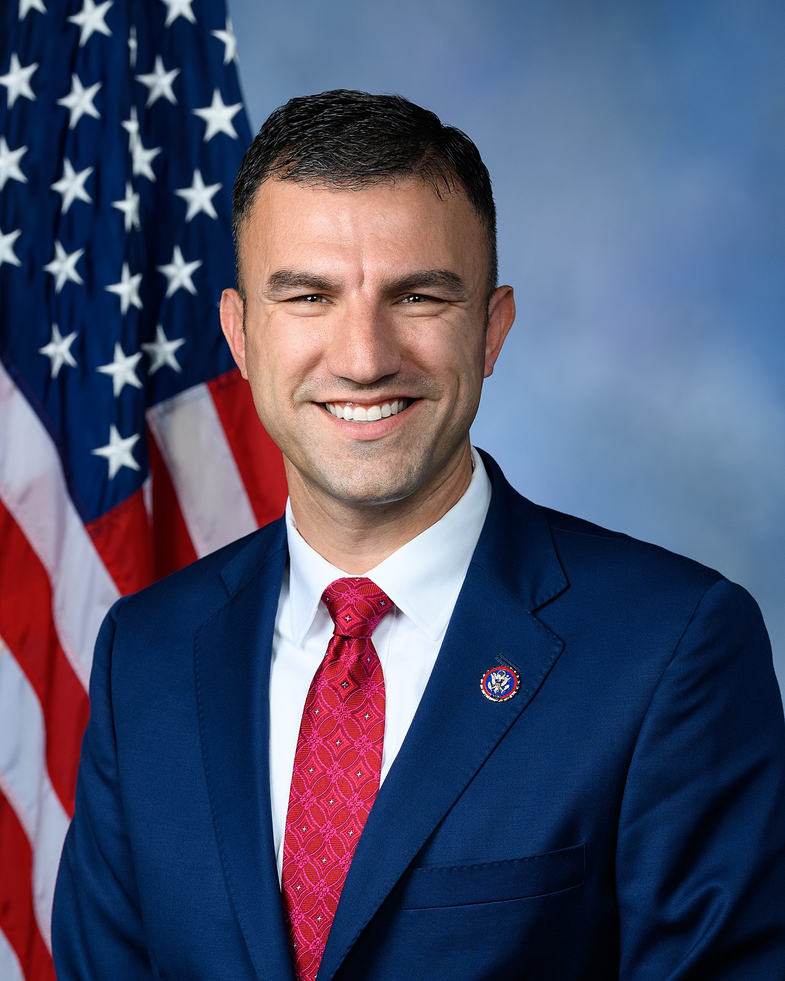
Co-Sponsor
-
Tracknan

Co-Sponsor
Actions
5 actions
| Date | Action |
|---|---|
| Jul. 15, 2026 | Forwarded by Subcommittee to Full Committee by Voice Vote. |
| Jul. 15, 2026 | Subcommittee Consideration and Mark-up Session Held |
| Jan. 21, 2026 | Introduced in House |
| Jan. 21, 2026 | Referred to the Committee on Energy and Commerce, and in addition to the Committee on the Judiciary, for a period to be subsequently determined by the Speaker, in each case for consideration of such provisions as fall within the jurisdiction of the committee concerned. |
| Jan. 21, 2026 | Referred to the Subcommittee on Health. |
Corporate Lobbying
0 companies lobbying
None found.
* Note that there can be significant delays in lobbying disclosures, and our data may be incomplete.