H.R. 7178: U.S.-Israel Anti-Killer Drone Act of 2026
This bill, named the U.S.-Israel Anti-Killer Drone Act of 2026, aims to enhance military cooperation between the United States and Israel, specifically to counter the growing threats posed by unmanned systems, or drones, especially those originating from Iran.
Key Provisions
- Research and Development: The legislation emphasizes the need for the U.S. and Israel to work together on technologies and capabilities that can effectively address drone threats. This includes conducting joint training exercises and sharing information about threats posed by Iranian unmanned systems.
- Funding Increase: The bill proposes to increase funding related to cooperation against unmanned systems from $55 million to $100 million. This funding is intended to support research, development, and fielding of counter-drone technologies.
- Annual Reporting: The bill mandates the Secretary of Defense to provide annual reports to Congress. These reports will detail the activities conducted to counter drone threats, assess the progress made, and offer recommendations for future efforts.
- Threat Assessment: The legislation highlights the need for a continuous assessment of the threats posed by Iranian drones and associated groups, informing both U.S. and Israeli defense strategies.
Context and Rationale
The bill finds that the arsenal of unmanned systems in Iran is a significant threat not only to U.S. forces in the Middle East but also to allies like Israel, Saudi Arabia, and the United Arab Emirates. Various instances of drone attacks originating from Iran and its proxies serve as real-world examples of this growing concern. The bill seeks to formalize and strengthen the ongoing cooperation between the U.S. and Israel in addressing these challenges.
Implementation and Oversight
The cooperation efforts will be coordinated through established working groups, ensuring that the U.S. and Israeli military branches can collectively enhance their readiness against potential unmanned system threats. This includes information-sharing and practical exercises that improve technical expertise and operational responses to drone-related incidents.
Relevant Companies
- BA (Boeing): As a major defense contractor, Boeing is likely to be involved in the development and provision of counter-drone technologies.
- RTX (Raytheon Technologies): This company may be impacted due to its involvement in defense systems that could be integrated into U.S.-Israel military cooperation efforts to counter unmanned systems.
- LMT (Lockheed Martin): Lockheed Martin's defense products could be critical in the development of technologies aimed at neutralizing drone threats.
This is an AI-generated summary of the bill text. There may be mistakes.
Sponsors
14 bill sponsors
-
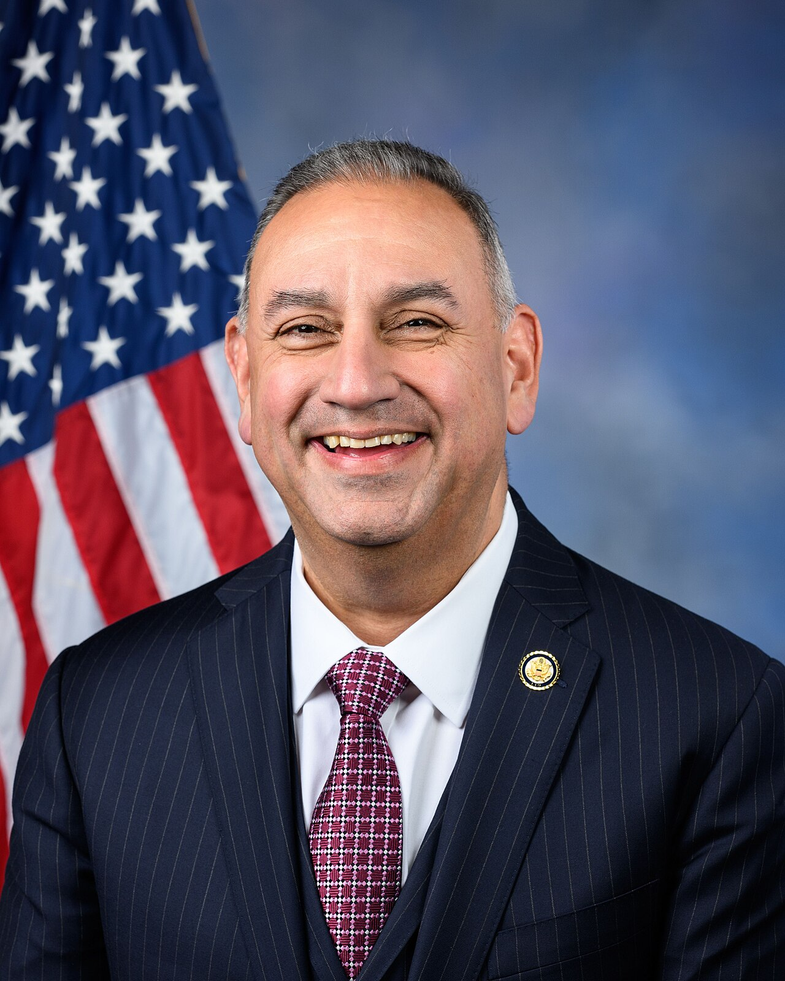
TrackJosh Gottheimer

Sponsor
-
TrackDon Bacon
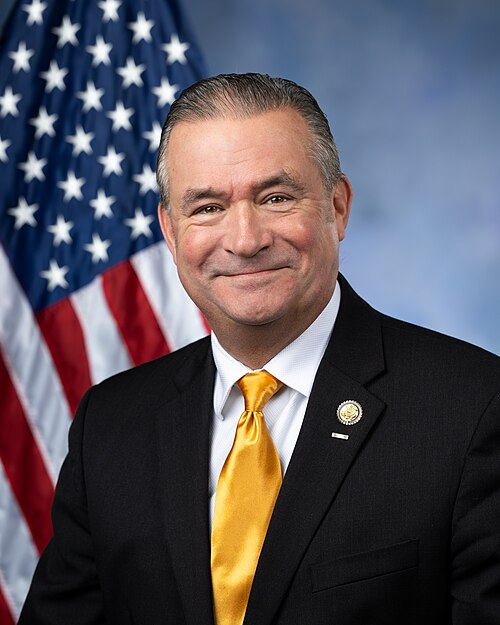
Co-Sponsor
-
TrackJuan Ciscomani
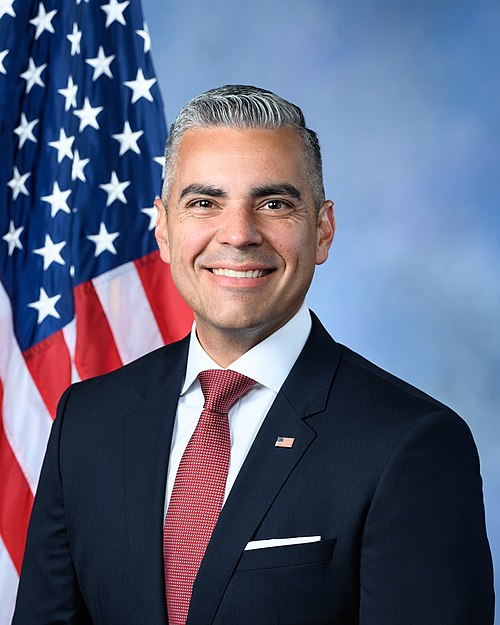
Co-Sponsor
-
TrackDonald G. Davis

Co-Sponsor
-
TrackBrian K. Fitzpatrick

Co-Sponsor
-
TrackAndrew R. Garbarino

Co-Sponsor
-
TrackDavid P. Joyce

Co-Sponsor
-
TrackNick LaLota
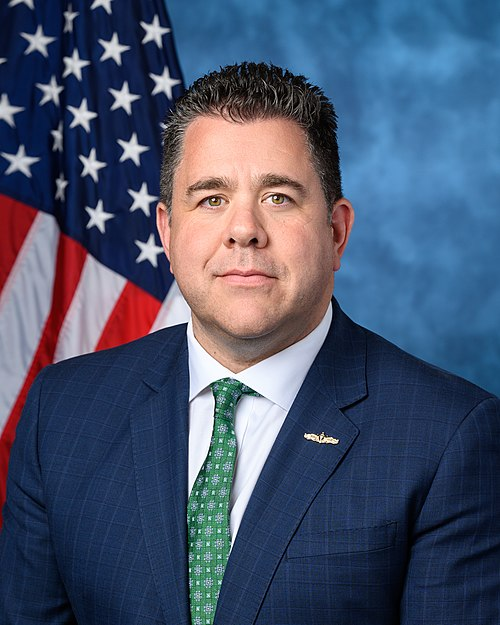
Co-Sponsor
-
TrackTed Lieu

Co-Sponsor
-
TrackJared Moskowitz

Co-Sponsor
-
TrackBrad Sherman

Co-Sponsor
-
TrackThomas R. Suozzi

Co-Sponsor
-
TrackDavid G. Valadao
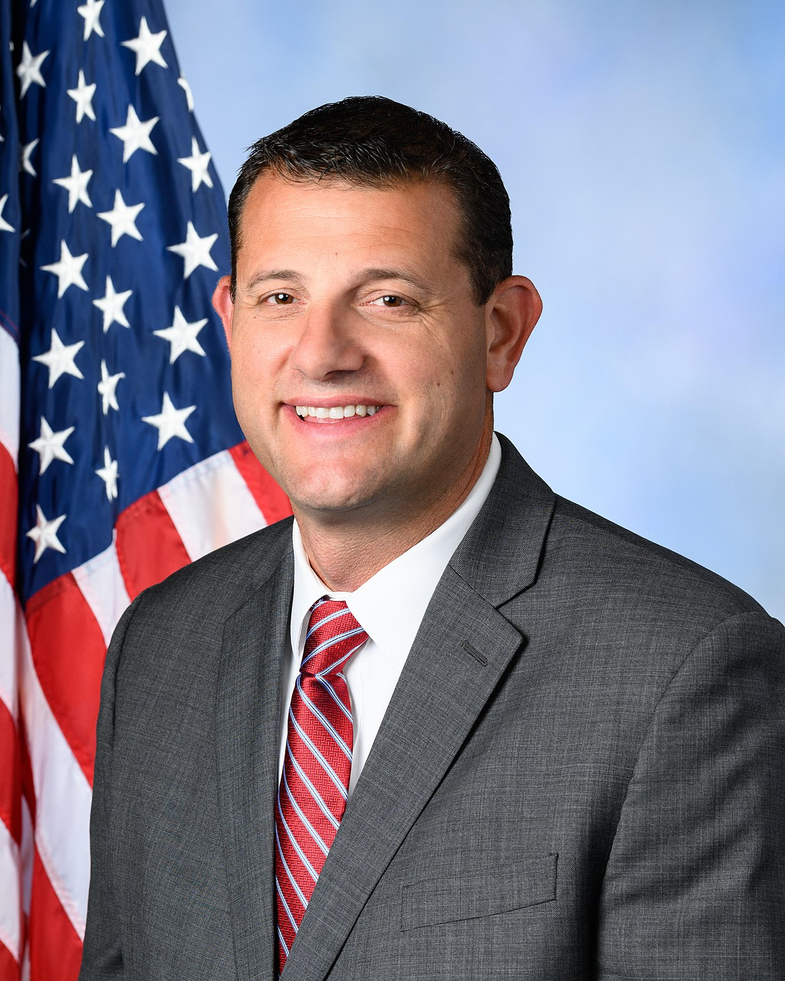
Co-Sponsor
-
TrackDebbie Wasserman Schultz

Co-Sponsor
Actions
2 actions
| Date | Action |
|---|---|
| Jan. 21, 2026 | Introduced in House |
| Jan. 21, 2026 | Referred to the Committee on Armed Services, and in addition to the Committee on Foreign Affairs, for a period to be subsequently determined by the Speaker, in each case for consideration of such provisions as fall within the jurisdiction of the committee concerned. |
Corporate Lobbying
0 companies lobbying
None found.
* Note that there can be significant delays in lobbying disclosures, and our data may be incomplete.