H.R. 6312: Tri-Share Child Care Pilot Act of 2025
This bill, titled the Tri-Share Child Care Pilot Act of 2025, aims to initiate a pilot program that shares the costs of child care among employers, employees, and the government. The program focuses on making child care more affordable for working families by dividing the financial responsibilities between these three parties.
Key Components of the Bill
1. Establishment of a Pilot Program
The program will allow states to apply for competitive grants to fund cost-sharing for child care expenses. States will be encouraged to recruit employers to participate, and those employers must agree to share the cost of child care with employees and the government.
2. Application Process for States and Employers
- Lead Agency Applications: Each state will have a lead agency that can submit applications for grant funding. The application must include details like employer participation and compliance with health and safety standards in child care services.
- Employer Participation: Employers can also apply to partake in the program. If approved, they will contribute to covering child care expenses alongside their employees.
- Joint Applications: Employers applying across multiple states can submit a consolidated application to streamline the process.
3. Cost-Sharing Structure
Each participant in the program, including the parent, employer, and lead agency, will contribute one-third of the eligible child care costs for children. This arrangement ensures that the financial burden is distributed more evenly among the three parties.
4. Payments to Child Care Providers
Approved child care providers will receive payments directly from the lead agency based on the charges for the child care services rendered. This means that child care costs will be partially subsidized to make them more manageable for families.
5. Employment Verification Requirements
Before receiving benefits, parents will need to verify their employment status via a joint attestation with their employer, affirming the financial agreements involved in the child care costs.
6. Regulatory Framework
The Secretary of Health and Human Services will have the authority to implement necessary regulations to ensure the effective management of the program, including the use of technology platforms for administration and coordination between employers, parents, and care providers.
7. Evaluation and Reporting
The Secretary will evaluate the program’s effectiveness, focusing on child care affordability, availability, and its impact on employment. A report will be submitted to Congress after the program ends to review the outcomes.
8. Funding
The bill allocates $250 million annually from the federal budget to support the program, with specific percentages set aside for evaluation and technical assistance for lead agencies to execute their responsibilities.
9. Impact on Existing Benefits
Participation in this pilot program will not affect eligibility for benefits provided under the Child Care and Development Block Grant Act, which ensures that families can access multiple forms of assistance without penalties.
10. Program Duration
The pilot program is set to run for three years, after which its outcomes will be assessed, and recommendations may be made for potential continuation or expansion.
Relevant Companies
- CMCSA - Comcast Corporation: A large employer that may participate in the cost-sharing program by contributing to employee child care costs.
- AAPL - Apple Inc.: As a major employer, Apple may also be involved in this initiative to support their employees with child care expenses.
- AMZN - Amazon.com, Inc.: Amazon is another significant employer likely to be affected by this bill, as they may choose to participate in the cost-sharing arrangement.
This is an AI-generated summary of the bill text. There may be mistakes.
Sponsors
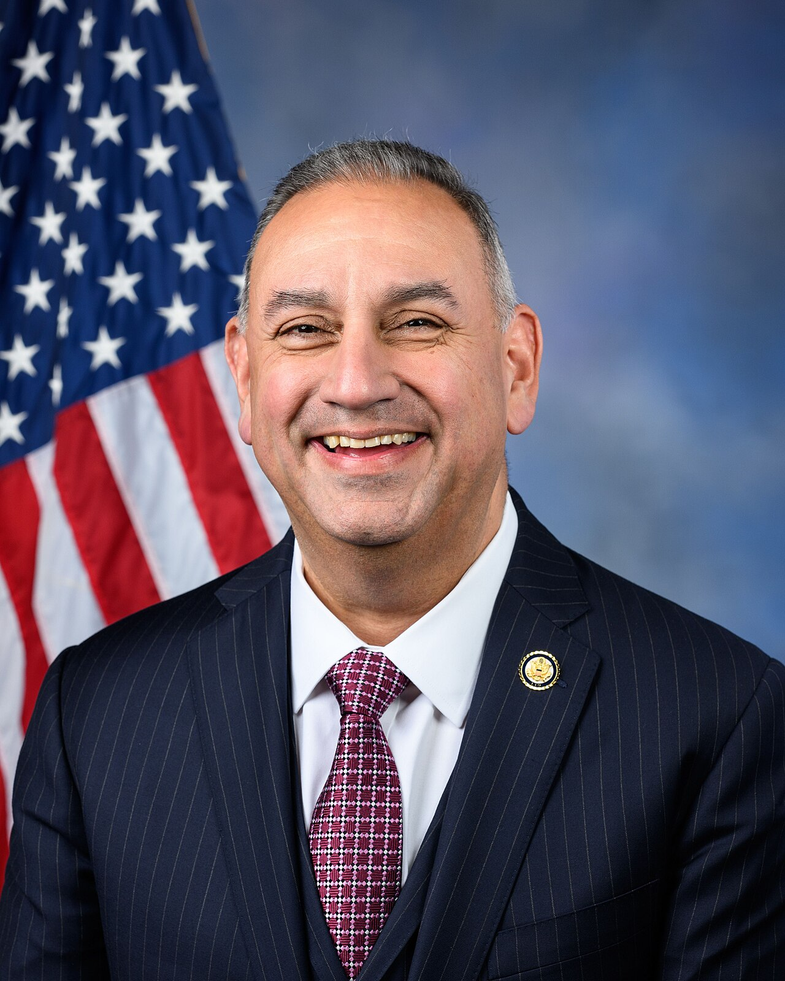
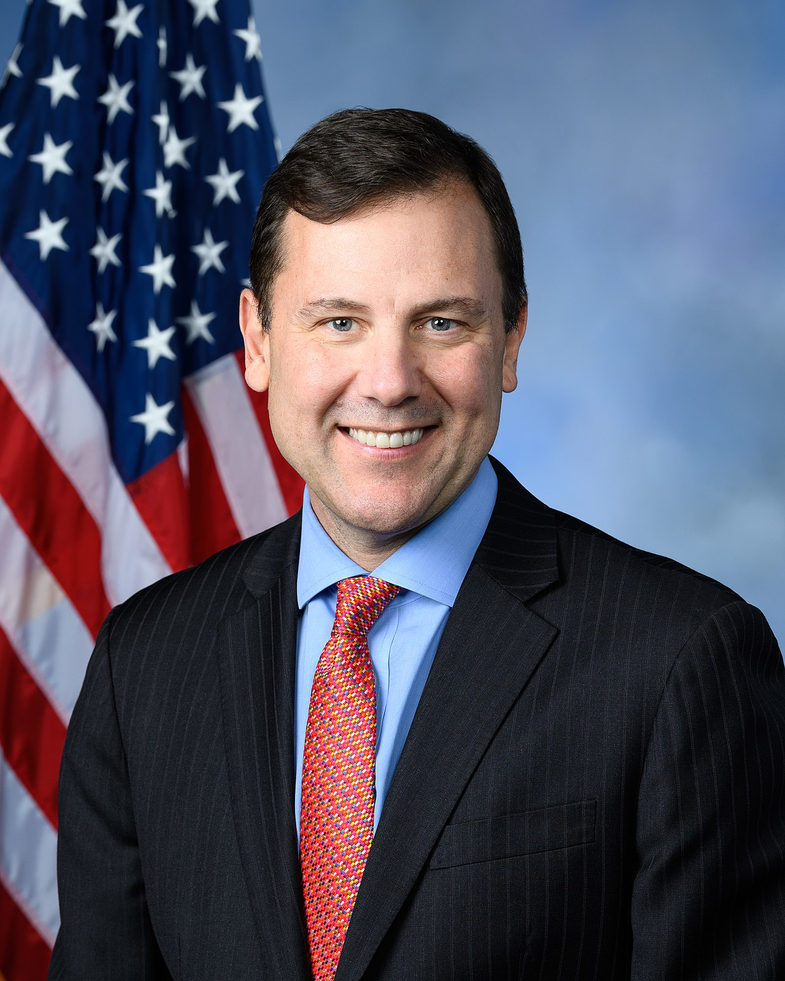
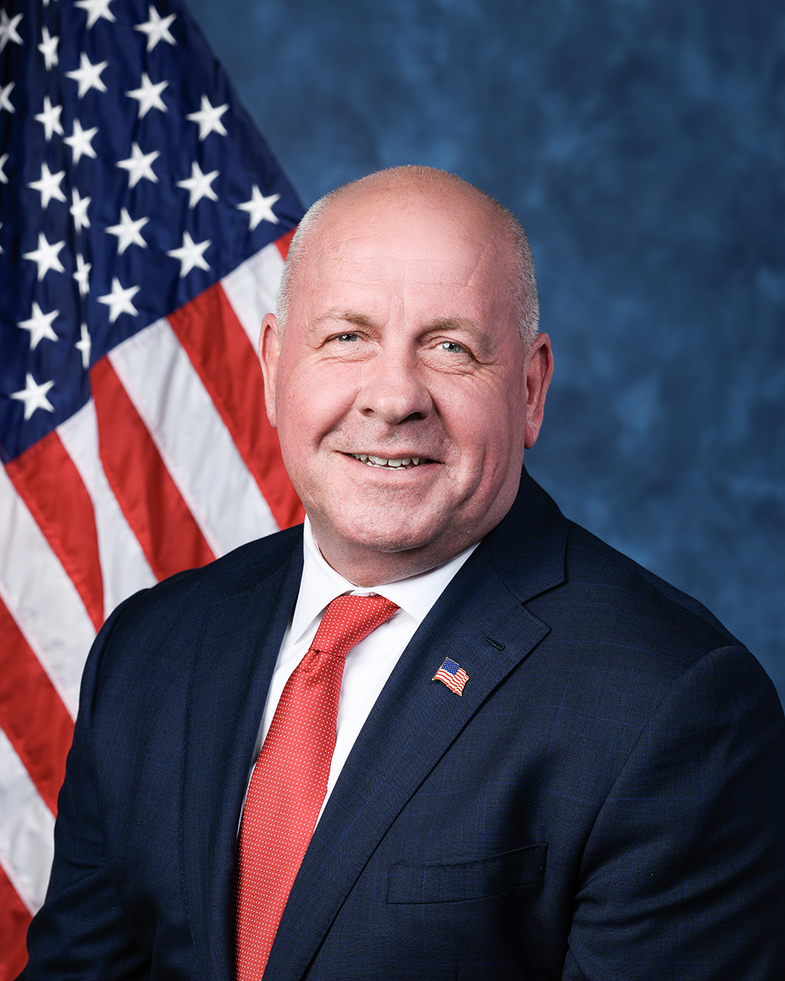
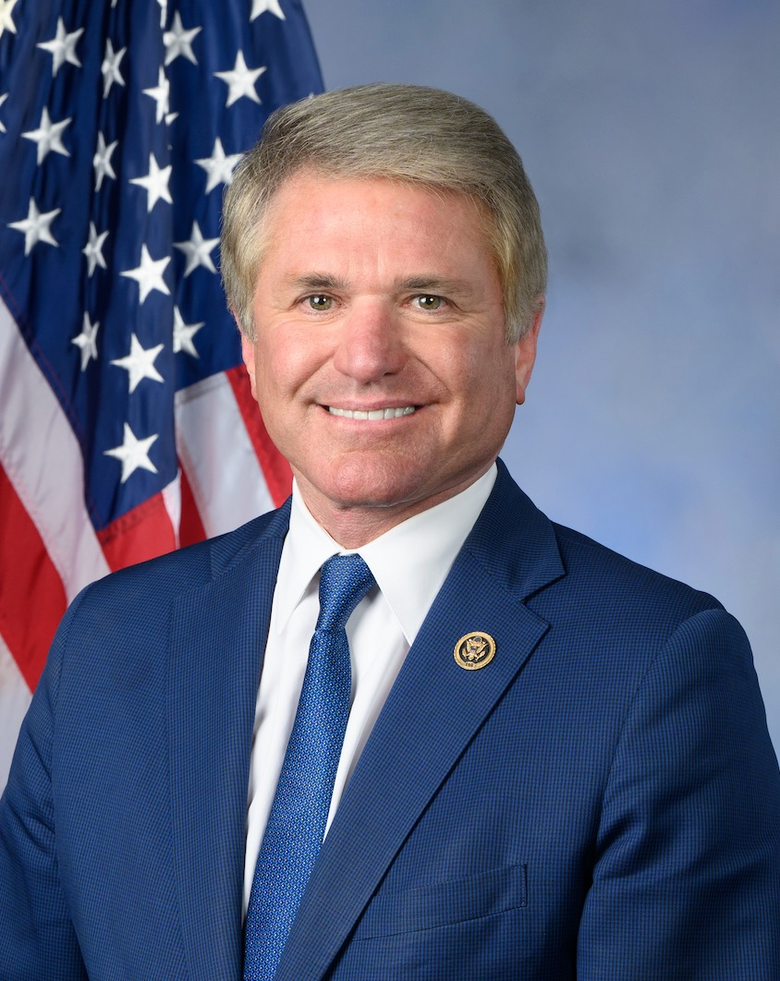
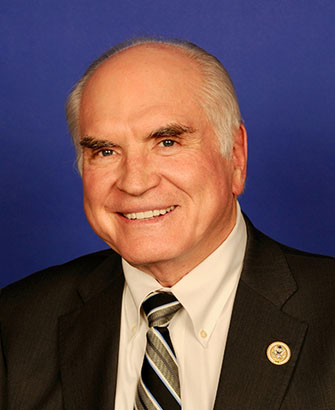
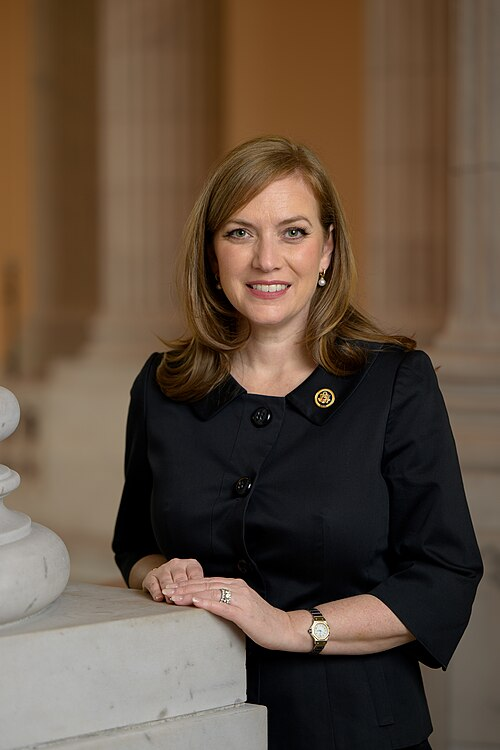
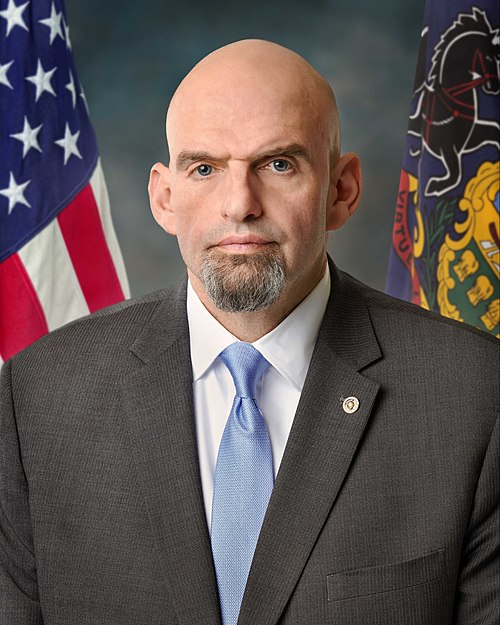
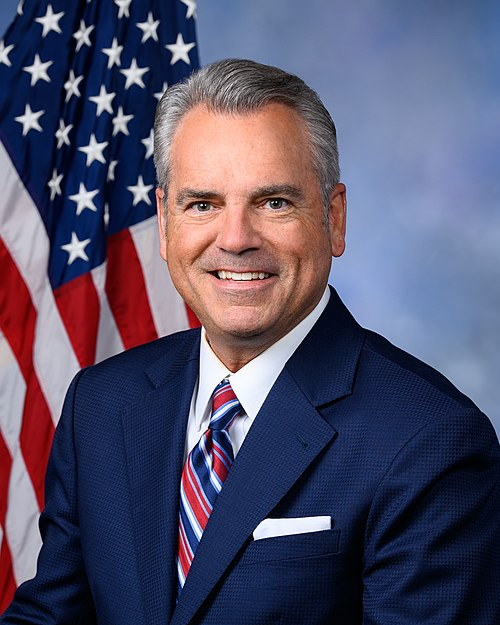
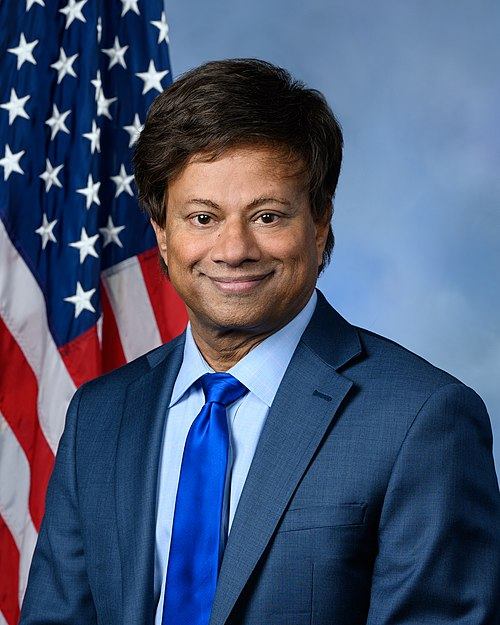
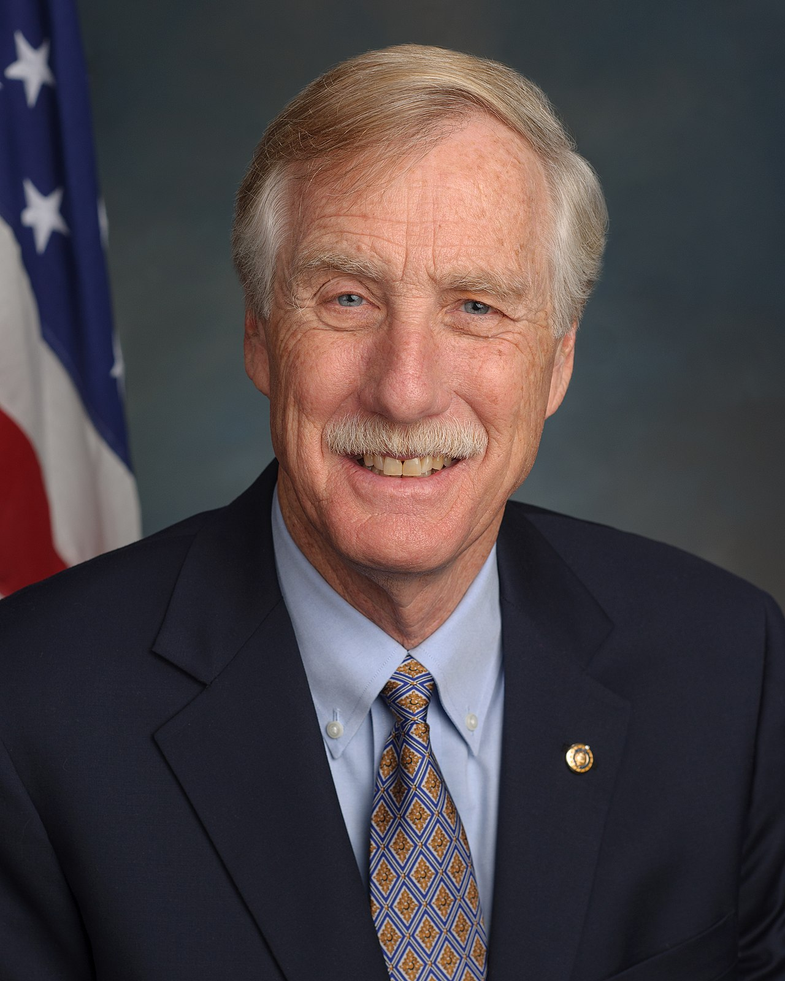
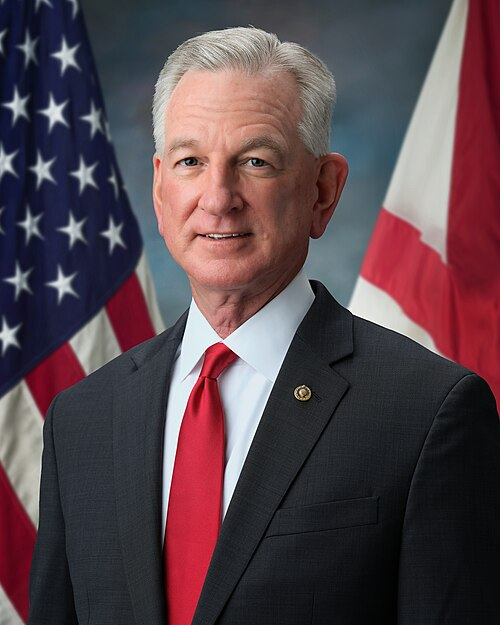
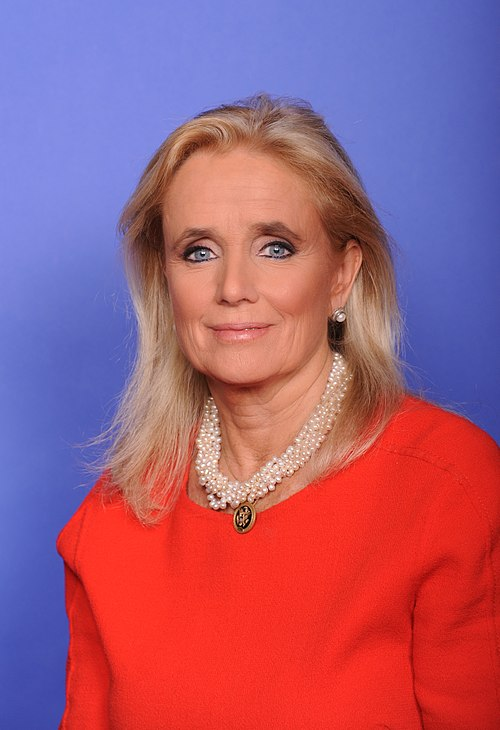
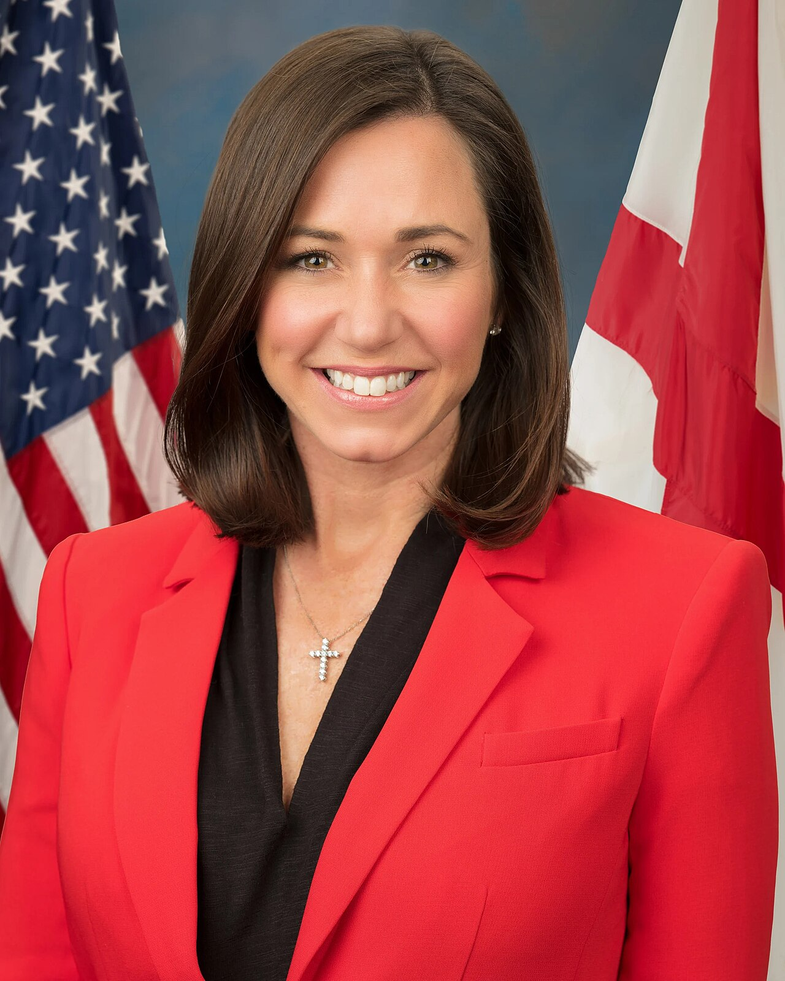
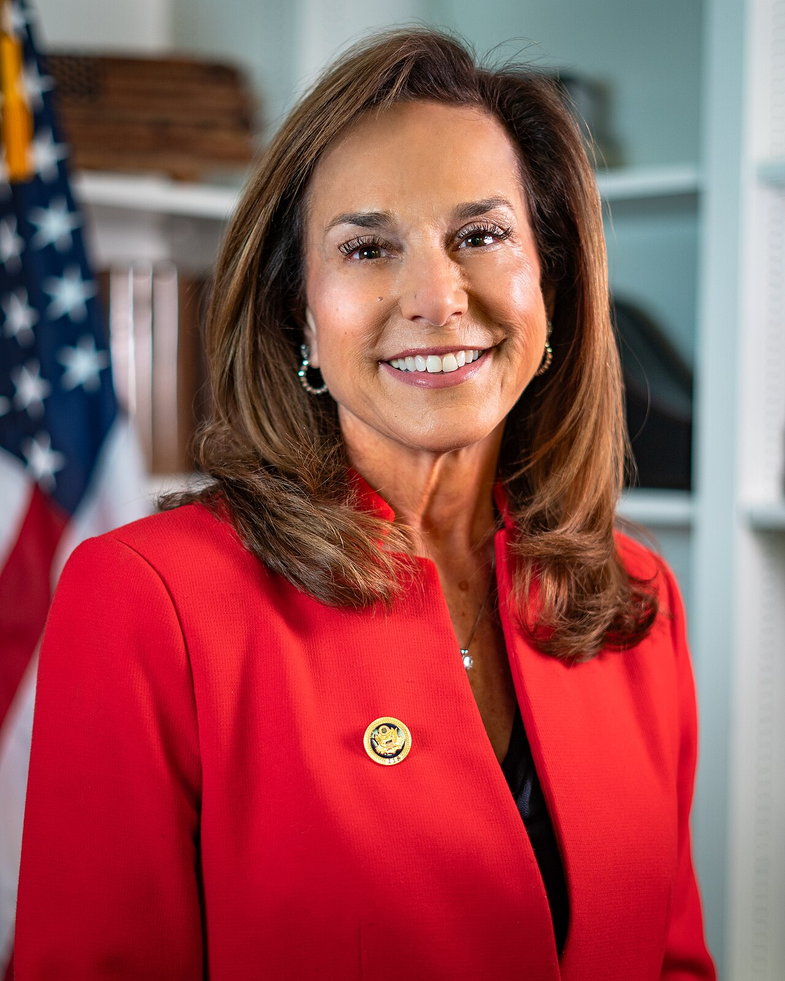
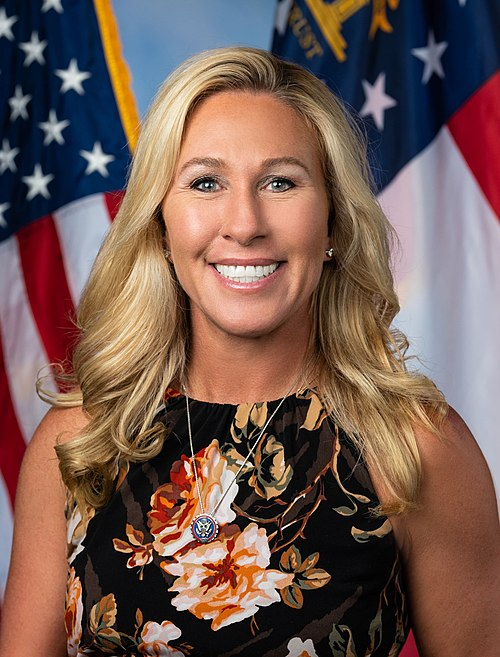
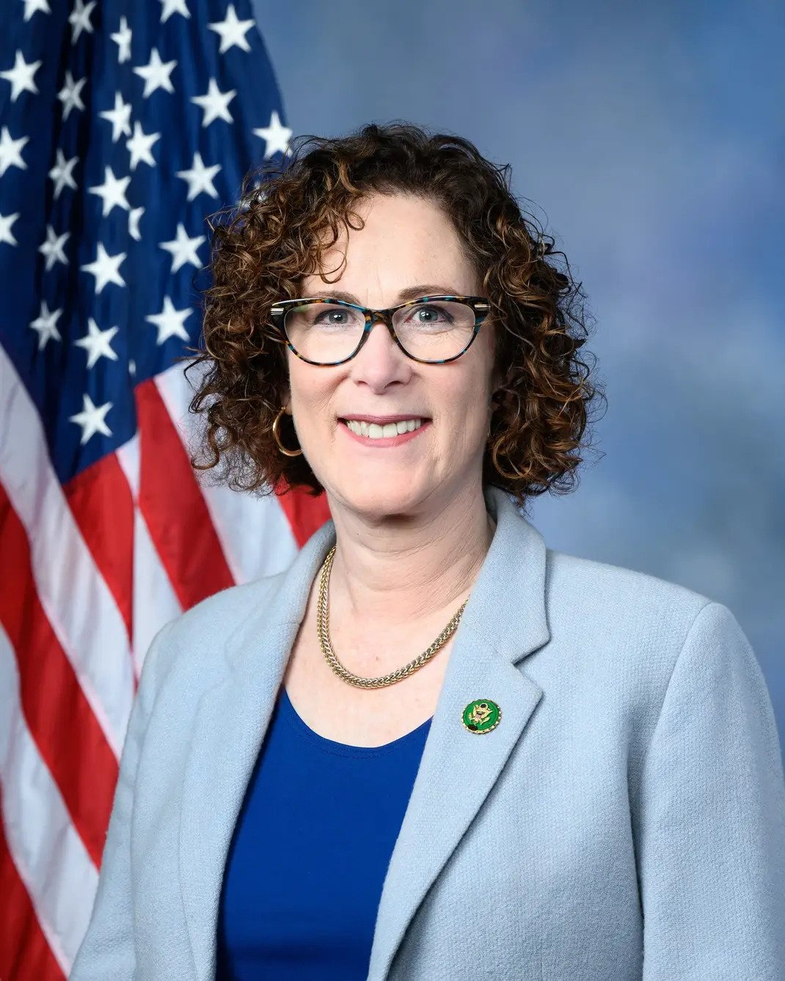
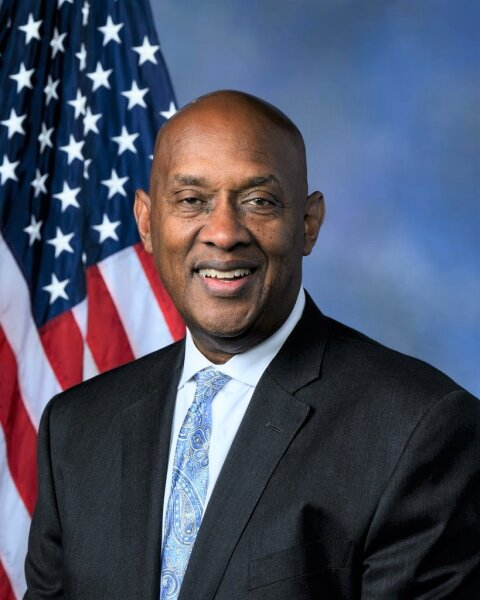
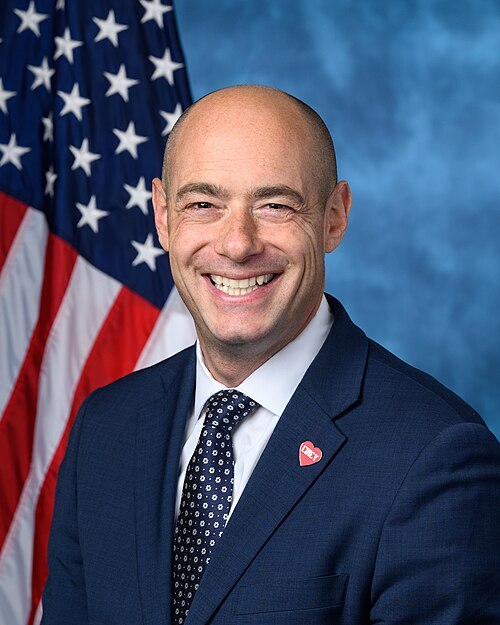
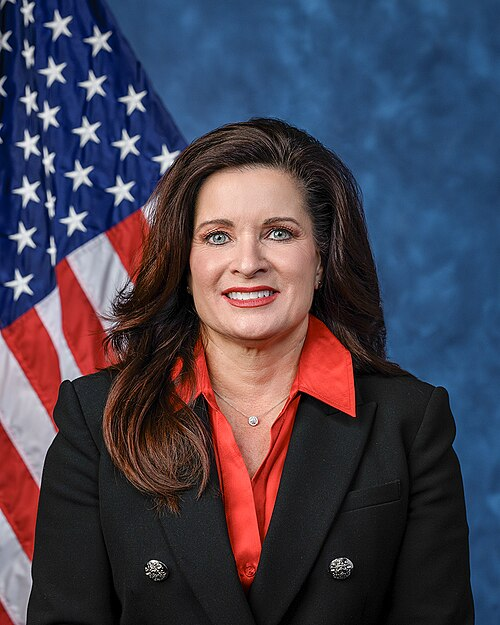
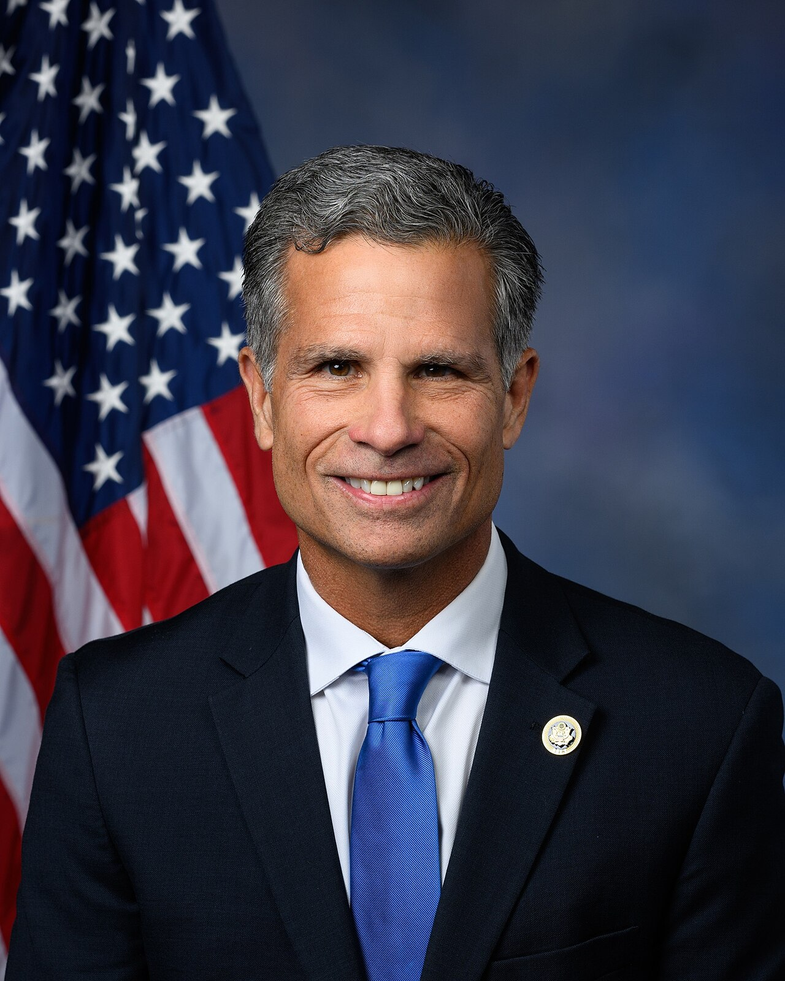
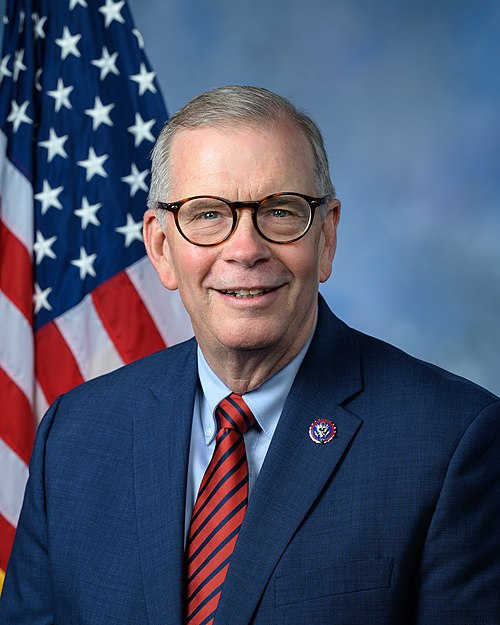
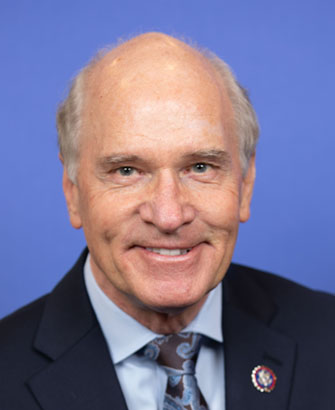
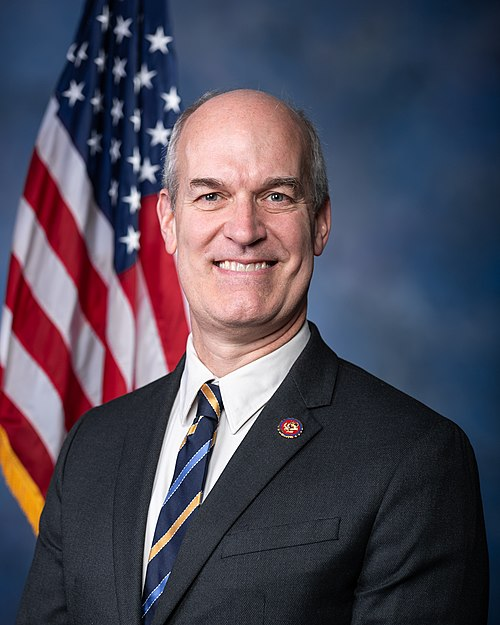
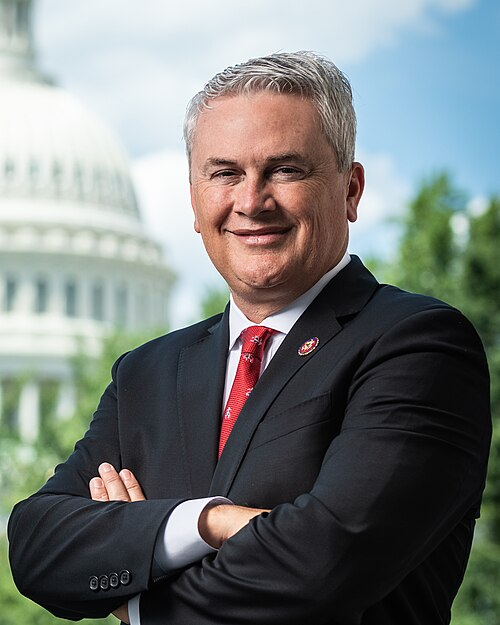
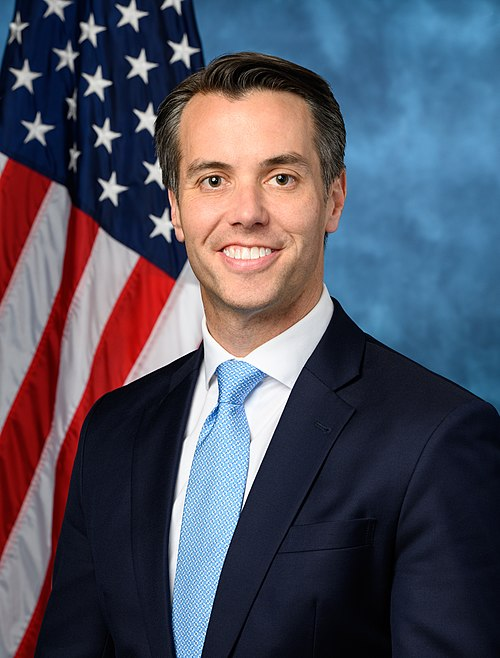
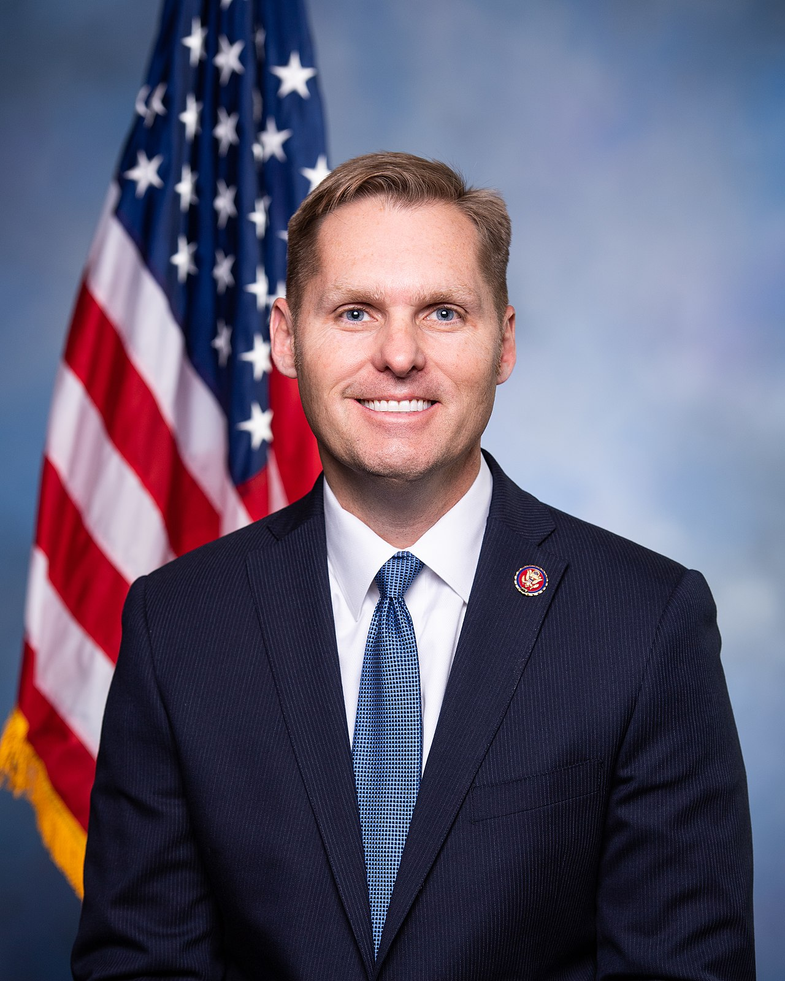
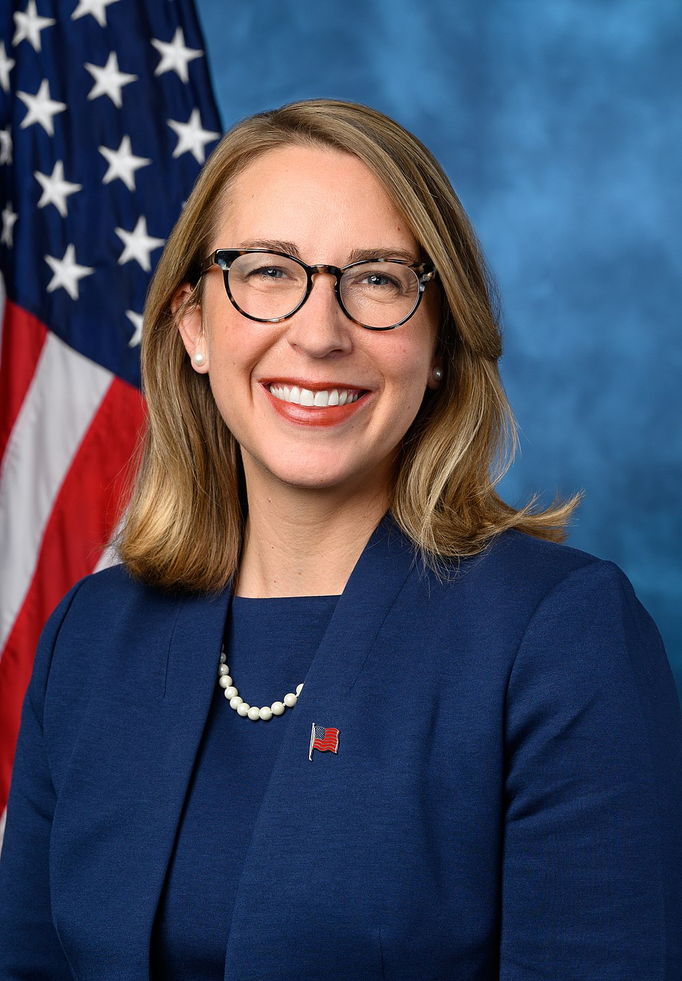
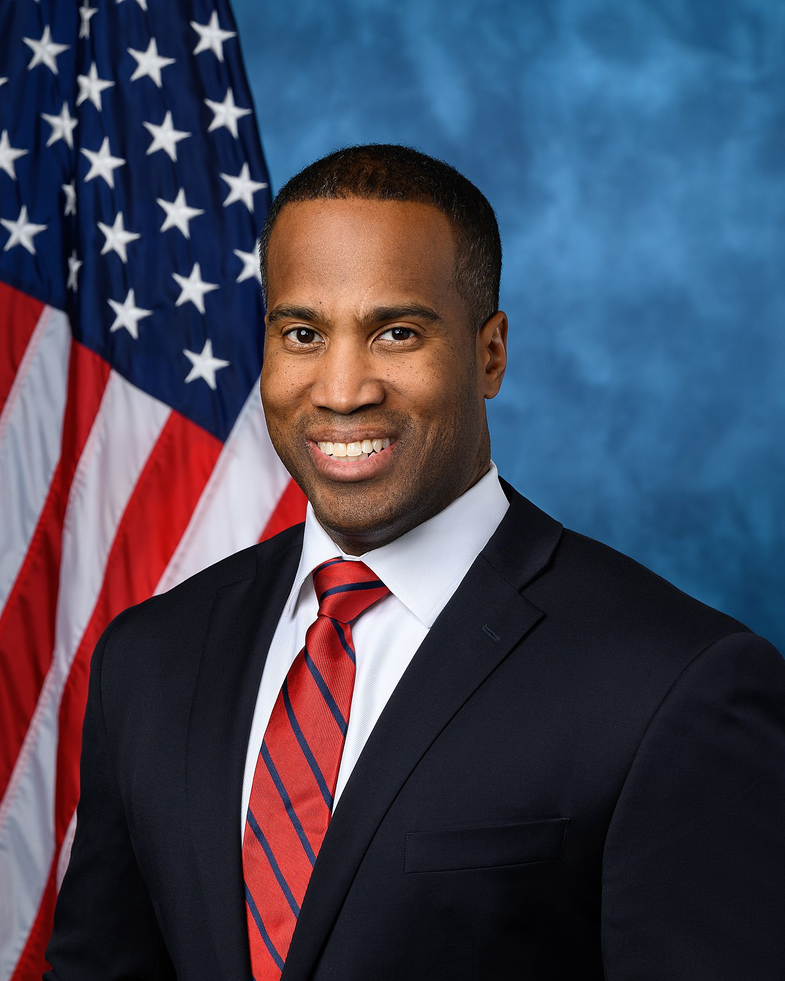
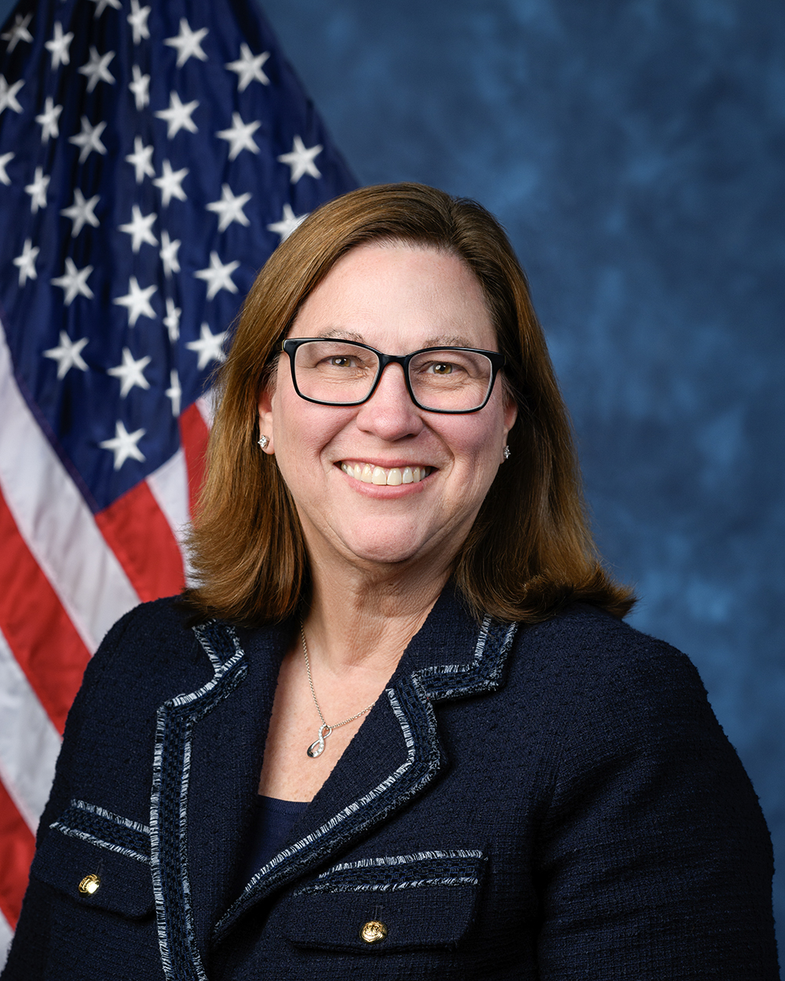
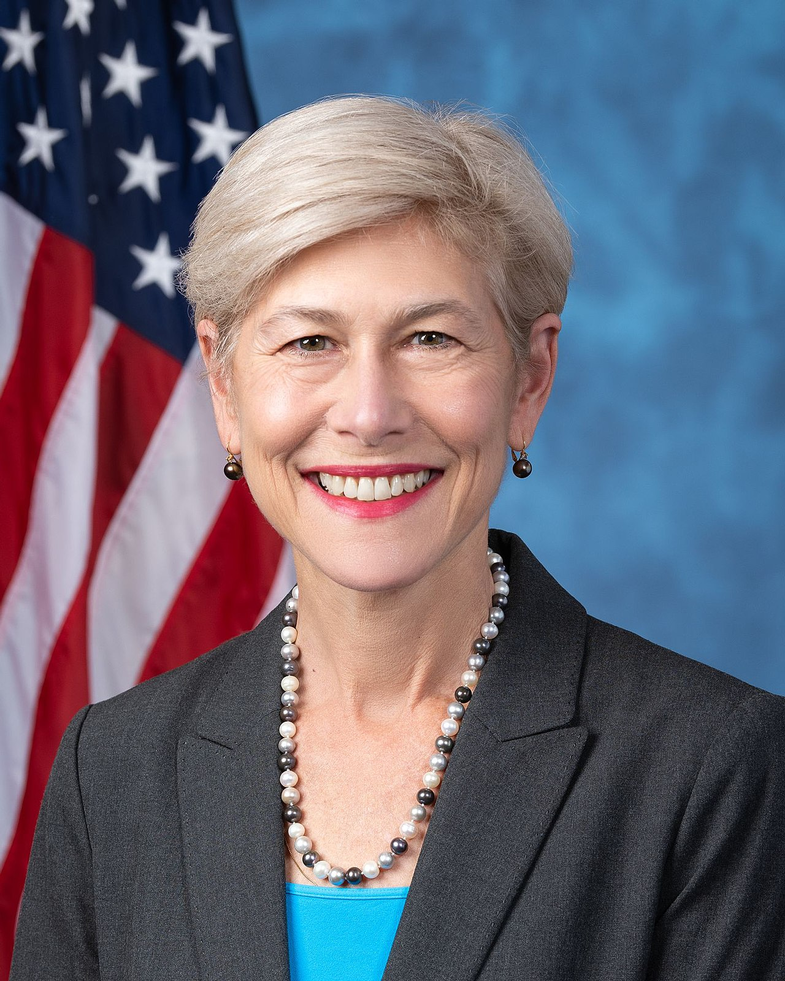
5 bill sponsors

Actions
2 actions
| Date | Action |
|---|---|
| Nov. 25, 2025 | Introduced in House |
| Nov. 25, 2025 | Referred to the Committee on Ways and Means, and in addition to the Committee on Education and Workforce, for a period to be subsequently determined by the Speaker, in each case for consideration of such provisions as fall within the jurisdiction of the committee concerned. |
Corporate Lobbying
0 companies lobbying
None found.
* Note that there can be significant delays in lobbying disclosures, and our data may be incomplete.