H.R. 6081: Closing Loopholes for Oil and other Sources of Emissions Act
This legislation is known as the "Closing Loopholes for Oil and other Sources of Emissions Act," or the "CLOSE Act." The primary aim of the bill is to amend the Clean Air Act to address certain emissions from oil and gas sources.
Repeal of Exemption for Emissions Aggregation
The bill seeks to remove an existing exemption related to how emissions from oil and gas operations are aggregated. Specifically, it proposes to repeal a provision that allows for the aggregation of emissions from multiple sources within the oil and gas sector, which may have provided a way to lower regulatory scrutiny on overall emissions levels from these operations. Without this exemption, emissions from oil and gas sources would need to be tracked and reported more rigorously, likely subjecting them to stricter environmental regulations.
Inclusion of Hydrogen Sulfide as a Hazardous Air Pollutant
Another significant aspect of the bill is its directive regarding hydrogen sulfide, which is a toxic gas often associated with oil and gas extraction processes. The bill requires the Environmental Protection Agency (EPA) to take the following actions:
- Add hydrogen sulfide to the list of hazardous air pollutants: The EPA must finalize a rule to classify hydrogen sulfide as a hazardous air pollutant within 180 days of the bill's enactment.
- Revise regulations for reporting and categorization: Within 365 days of adding hydrogen sulfide to the hazardous pollutants list, the EPA is required to update its regulatory framework to include specific categories and subcategories for major and area sources of hydrogen sulfide emissions, particularly focusing on oil and gas wells.
Overall Impact
By repealing the exemption for emissions aggregation and adding hydrogen sulfide to the list of hazardous pollutants, this bill is intended to enhance the oversight and management of emissions from the oil and gas industry. The goal is to reduce environmental and public health risks associated with these emissions, ensuring that they are reported and regulated in a more comprehensive manner.
Relevant Companies
- XOM (Exxon Mobil Corporation) - As a major player in the oil and gas industry, changes in emissions regulations could require Exxon to reassess their operations, emissions tracking, and compliance strategies.
- CVX (Chevron Corporation) - Similar to Exxon, Chevron operates numerous oil and gas projects and may face increased operational costs or regulatory requirements as a result of stricter emissions guidelines.
- CHK (Chesapeake Energy Corporation) - Being involved in natural gas production, Chesapeake may need to enhance their reporting and management of hydrogen sulfide emissions as enforced by this bill.
- EQT (EQT Corporation) - As a leader in natural gas production, EQT could also see changes in how they manage and report specific hazardous air pollutants such as hydrogen sulfide.
This is an AI-generated summary of the bill text. There may be mistakes.
Sponsors
24 bill sponsors
-
TrackYvette D. Clarke

Sponsor
-
TrackDonald S. Beyer, Jr.

Co-Sponsor
-
TrackAndré Carson
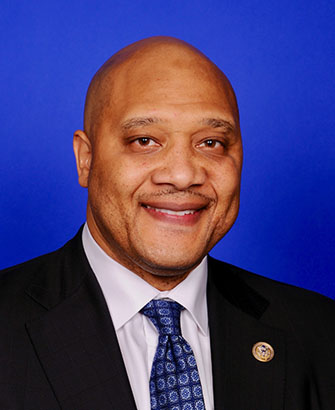
Co-Sponsor
-
TrackSean Casten
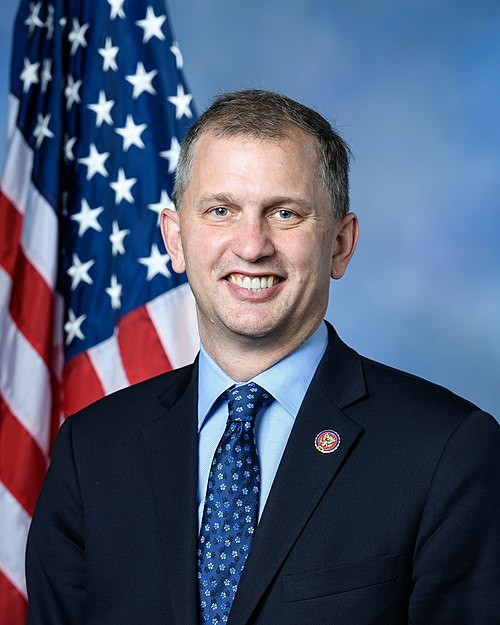
Co-Sponsor
-
TrackKathy Castor
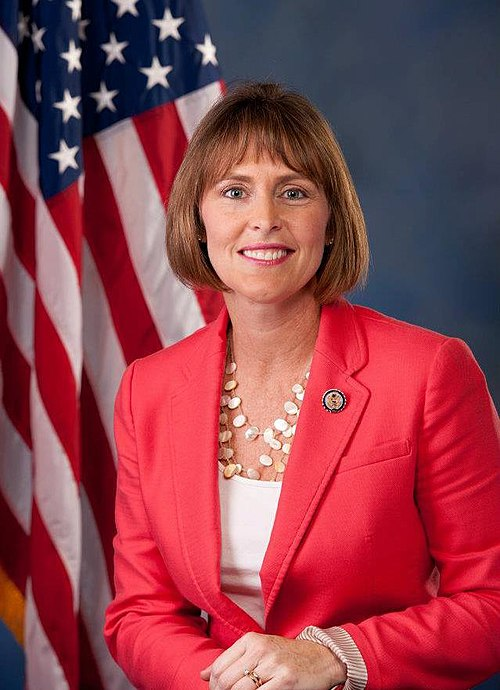
Co-Sponsor
-
TrackSteve Cohen

Co-Sponsor
-
TrackDiana DeGette

Co-Sponsor
-
TrackMark DeSaulnier
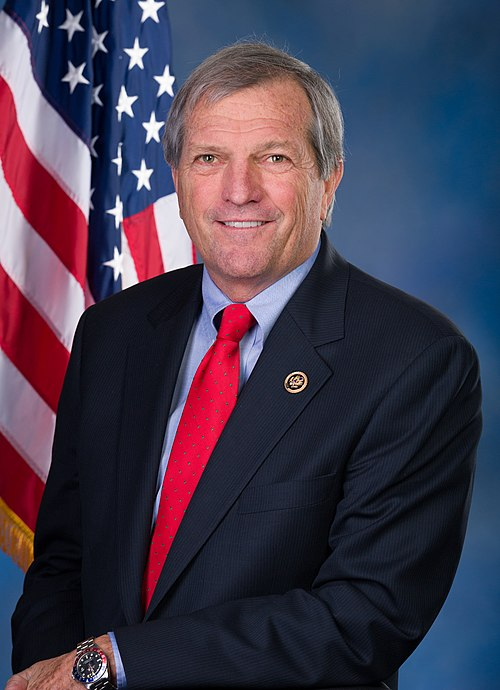
Co-Sponsor
-
TrackAdriano Espaillat
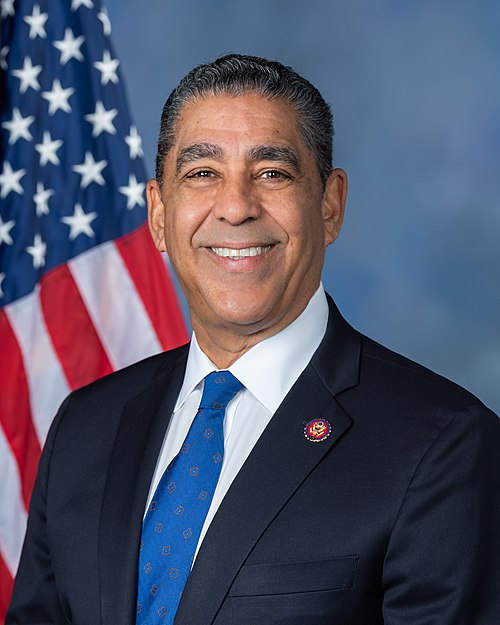
Co-Sponsor
-
TrackJared Huffman
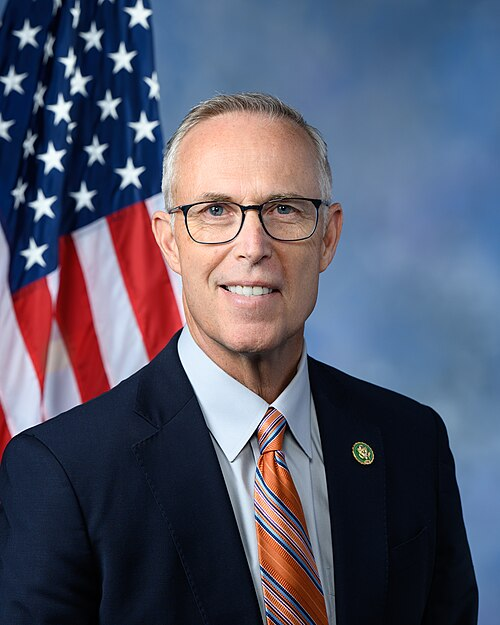
Co-Sponsor
-
TrackPramila Jayapal

Co-Sponsor
-
TrackRo Khanna

Co-Sponsor
-
TrackStephen F. Lynch
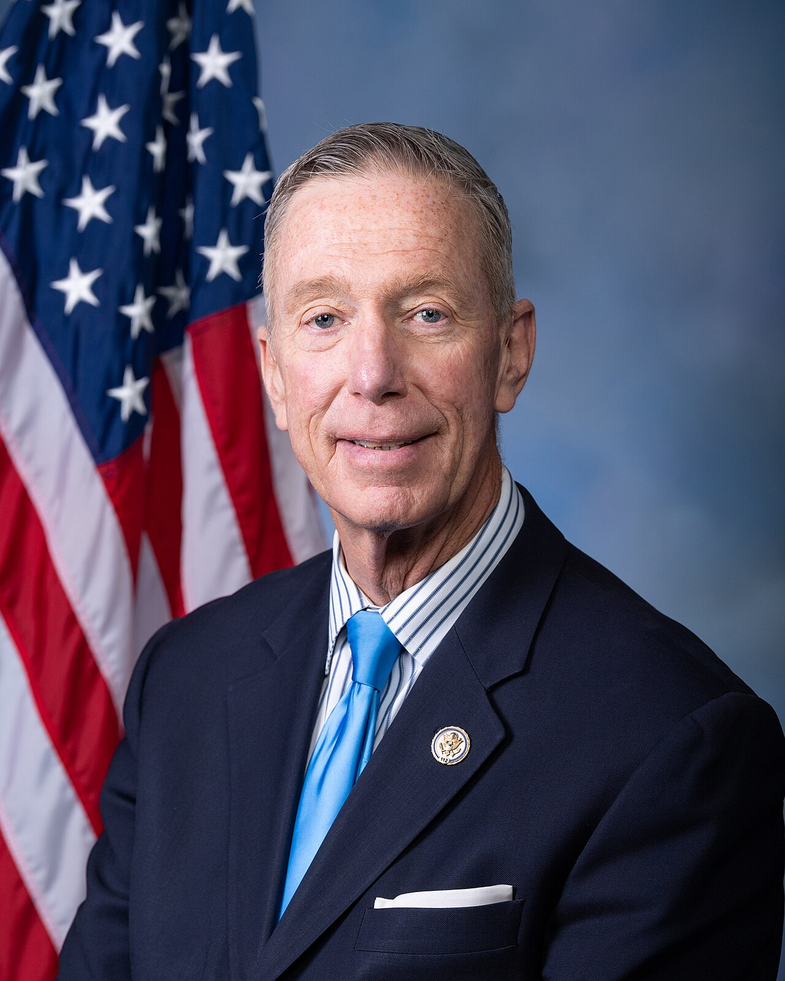
Co-Sponsor
-
TrackJames P. McGovern

Co-Sponsor
-
TrackJoseph D. Morelle
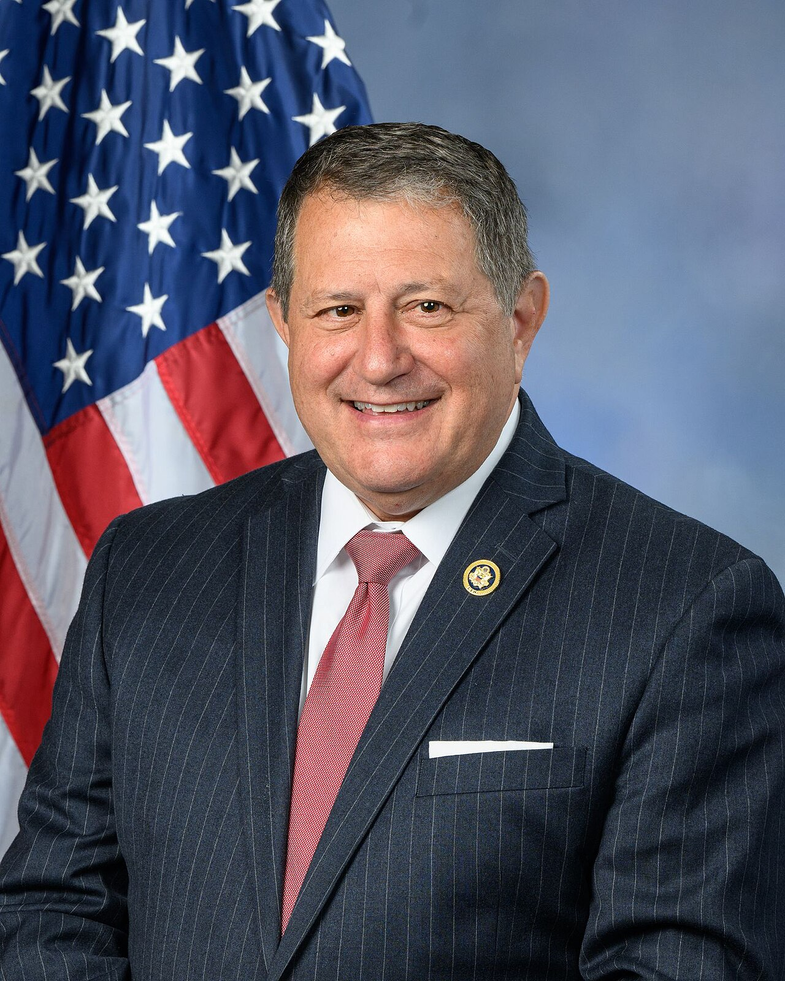
Co-Sponsor
-
TrackEleanor Holmes Norton

Co-Sponsor
-
TrackMark Pocan
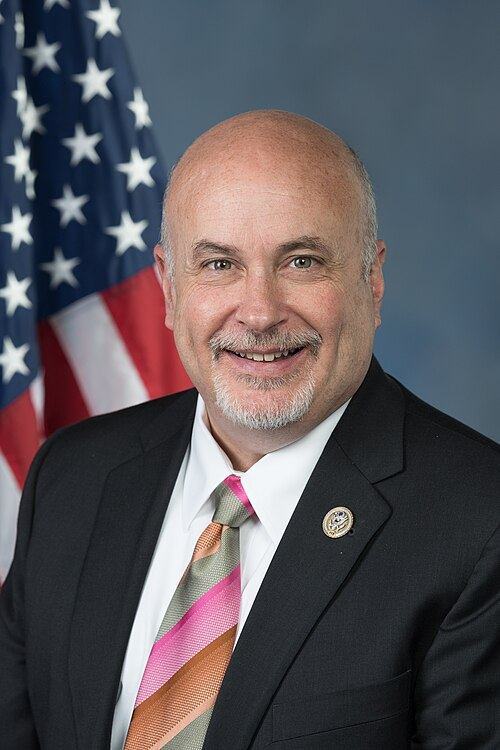
Co-Sponsor
-
TrackJanice D. Schakowsky

Co-Sponsor
-
TrackBrad Sherman

Co-Sponsor
-
TrackLateefah Simon

Co-Sponsor
-
TrackShri Thanedar

Co-Sponsor
-
TrackRashida Tlaib

Co-Sponsor
-
TrackJuan Vargas
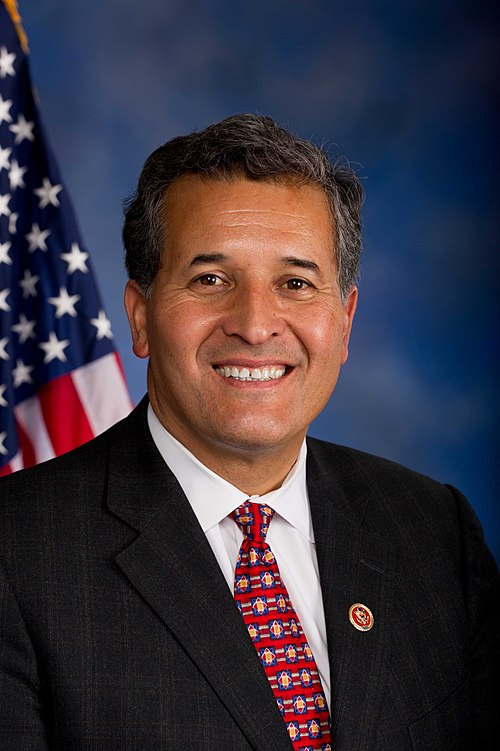
Co-Sponsor
-
Tracknan

Co-Sponsor
Actions
2 actions
| Date | Action |
|---|---|
| Nov. 18, 2025 | Introduced in House |
| Nov. 18, 2025 | Referred to the House Committee on Energy and Commerce. |
Corporate Lobbying
0 companies lobbying
None found.
* Note that there can be significant delays in lobbying disclosures, and our data may be incomplete.