H.R. 5912: Defending International Security by Restricting Unacceptable Partnerships and Tactics Act
This bill, titled the "Defending International Security by Restricting Unacceptable Partnerships and Tactics Act" or "DISRUPT Act," aims to address the growing cooperation among certain foreign nations considered adversaries of the United States, specifically the People's Republic of China, the Russian Federation, the Islamic Republic of Iran, and the Democratic People's Republic of Korea (North Korea). The bill outlines a series of strategies and actions the U.S. government should take to mitigate risks posed by these countries as they deepen their ties through military, economic, and diplomatic efforts.
Key Provisions
- Whole-of-Government Strategy: The bill requires the executive branch to develop a comprehensive strategy to disrupt the cooperation among these four nations and to prepare for potential simultaneous challenges the United States might face from them.
- Task Forces: It mandates the establishment of task forces within different government departments to analyze and address the alignment of adversaries. These task forces are to include experts and representatives from various relevant sectors and will be responsible for ongoing assessments and recommendations.
- Reports and Assessments: The bill calls for multiple reports assessing the nature of cooperation between these adversaries, risks associated with it, and recommendations on how to disrupt this alignment. These assessments will look at various dimensions, including military, economic, and diplomatic spheres.
- Policy Statement: The bill articulates that U.S. policy should focus on disrupting the cooperation among these adversaries and preventing their influence from expanding globally. This includes using tools like sanctions, export controls, intelligence sharing, and strengthening international coalitions.
Concerns Addressed
The legislation addresses several concerns related to:
- Defense Cooperation: It highlights that these countries are engaging in military cooperation that threatens U.S. interests. Examples include the transfer of weapons and military technology, joint military exercises, and coordinated cyber operations.
- Economic Cooperation: The bill notes how these countries are finding ways to work around U.S. sanctions and economic measures, undermining the effectiveness of U.S. economic tools and potentially establishing alternative payment systems to reduce reliance on the U.S. dollar.
- International Coordination: The document mentions that adversaries are collaborating within international organizations and multilateral groupings, which could diminish U.S. influence and lead to more unified opposition against U.S. policies.
Implementation Timeline
Upon the enactment of the bill, the executive branch is required to act promptly:
- Within 60 days, task forces must be established.
- Reports on adversary cooperation and strategic assessments must be formulated, with specific timelines for submission to Congress.
Goal of the Bill
The overarching goal of the DISRUPT Act is to enhance U.S. national security by proactively addressing and mitigating the threats posed by an increasingly cooperative front among its main adversaries. By fostering better coordination within the U.S. government and among allies, the bill seeks to ensure that the United States is well-positioned to respond to potential conflicts that may arise from collaboration among these nations.
Relevant Companies
- BA (Boeing) - Potential impact from defense contract implications as the focus on international security and military readiness increases.
- RTN (Raytheon Technologies) - Likely to see changes in defense procurement and demand for technologies as the U.S. responds to adversary military cooperation.
- GS (Goldman Sachs) - Possible effects on economic strategies related to adversarial sanctions and foreign investments.
This is an AI-generated summary of the bill text. There may be mistakes.
Sponsors
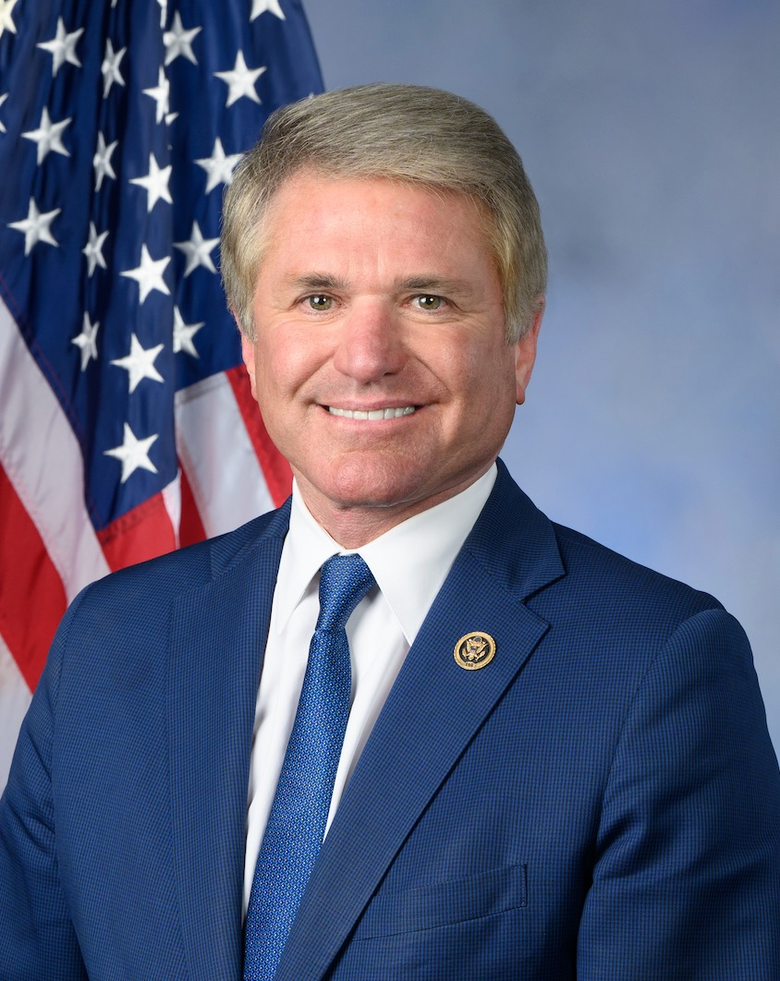
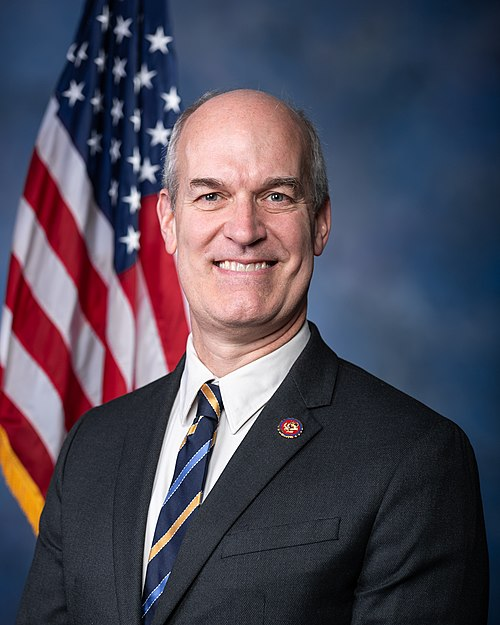
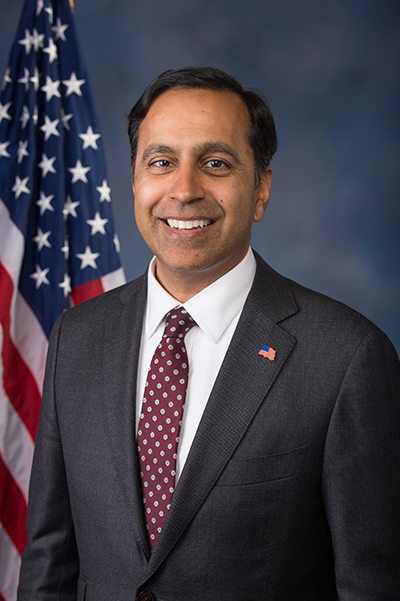
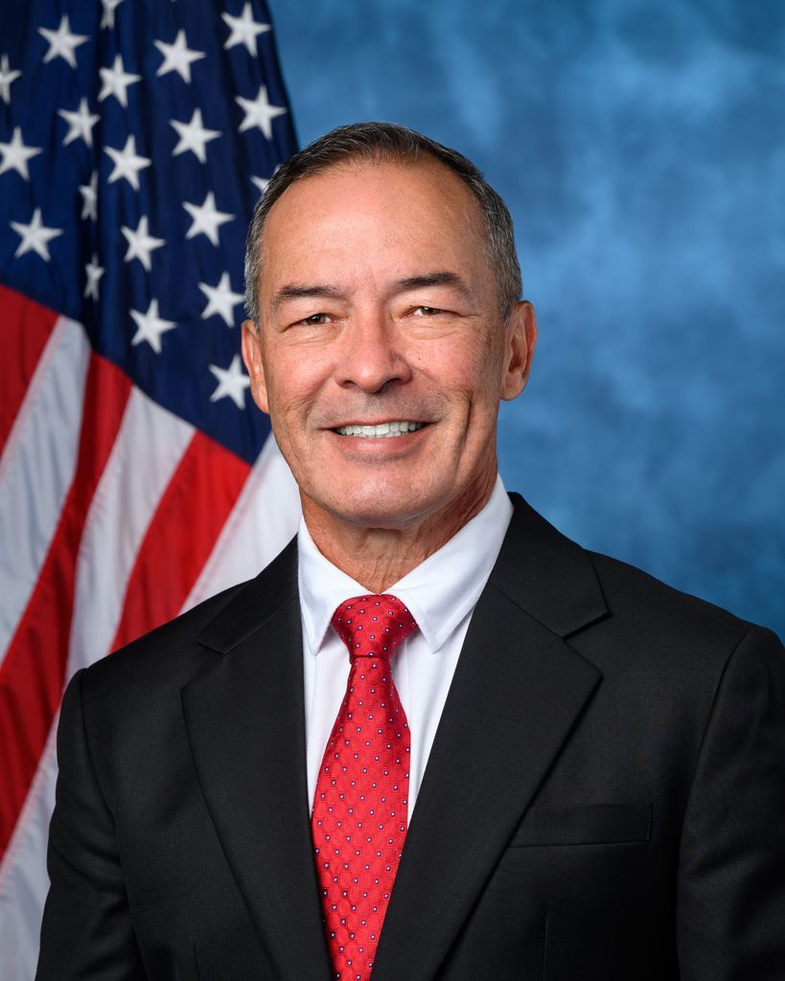
2 bill sponsors
Actions
2 actions
| Date | Action |
|---|---|
| Nov. 04, 2025 | Introduced in House |
| Nov. 04, 2025 | Referred to the Committee on Foreign Affairs, and in addition to the Committees on Armed Services, and Intelligence (Permanent Select), for a period to be subsequently determined by the Speaker, in each case for consideration of such provisions as fall within the jurisdiction of the committee concerned. |
Corporate Lobbying
0 companies lobbying
None found.
* Note that there can be significant delays in lobbying disclosures, and our data may be incomplete.