H.R. 4291: Sanctions Lists Harmonization Act
This bill, known as the Sanctions Lists Harmonization Act, aims to streamline and coordinate the use of various sanctions lists maintained by different federal agencies in the United States. The main objectives of the bill include:
1. Notification Requirement
When an individual or entity is added to one of the specified sanctions lists, the official responsible for that list must notify other relevant federal officials within 30 days. This ensures that all agencies are informed about these additions promptly.
2. Review Process
Upon receiving notification of a new addition to a sanctions list, the relevant federal officials are required to initiate a review process to determine if the individual or entity should also be included on additional sanctions lists. This review must begin within 30 days and culminate in a decision within 90 days.
3. Reporting Requirements
Each federal agency that maintains a sanctions list must submit a report to congressional committees within one year of the bill's enactment. This report must:
- Certify compliance with the notification and review requirements.
- Explain the agency's processes for meeting these requirements.
- Provide details on any additions to the sanctions lists resulting from this process.
4. Relevant Sanctions Lists
The legislation specifically refers to several key sanctions lists, including:
- The list of specially designated nationals and blocked persons maintained by the Office of Foreign Assets Control (OFAC).
- The Entity List as set forth in Supplement No. 4 to part 744 of the Export Administration Regulations.
- The Department of Defense's list under the National Defense Authorization Act.
- The Non-SDN Chinese Military-Industrial Complex Companies List by OFAC.
- The Sectoral Sanctions List also maintained by OFAC.
- The Military End User List from the Bureau of Industry and Security.
5. Congressional Oversight
The term "appropriate congressional committees" is defined in the bill, indicating which congressional bodies will be overseeing the implementation of these requirements. This includes committees focused on foreign affairs, armed services, intelligence, financial services, and banking.
6. Definitions
The bill also includes definitions for terms such as "Export Administration Regulations" to ensure clarity in the legislation's intentions and applications.
Relevant Companies
- BA (Boeing Co.): Boeing may be affected due to potential sanctions involving defense-related exports.
- LMT (Lockheed Martin Corp.): Lockheed Martin could face impact related to military end-user designations.
- NOC (Northrop Grumman Corp.): Northrop Grumman may be influenced by sanctions due to its defense contracts and international dealings.
- RTX (Raytheon Technologies Corp.): Raytheon may be affected by additional listings related to military trade.
This is an AI-generated summary of the bill text. There may be mistakes.
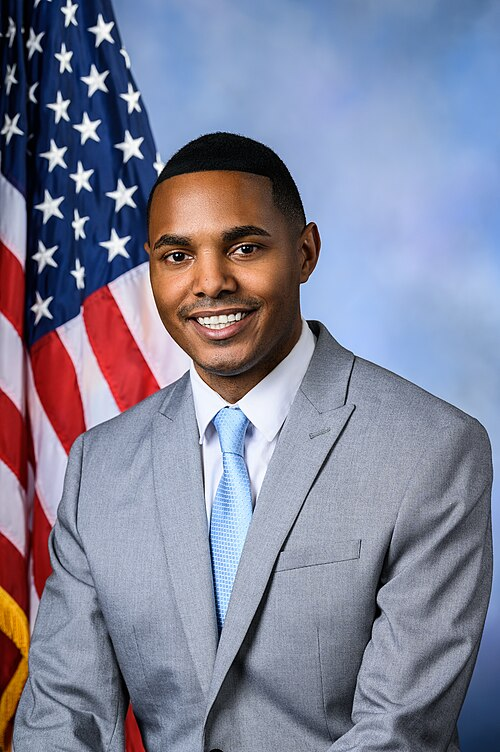
Sponsors
10 bill sponsors
-
TrackRandy Fine

Sponsor
-
TrackMichael Baumgartner
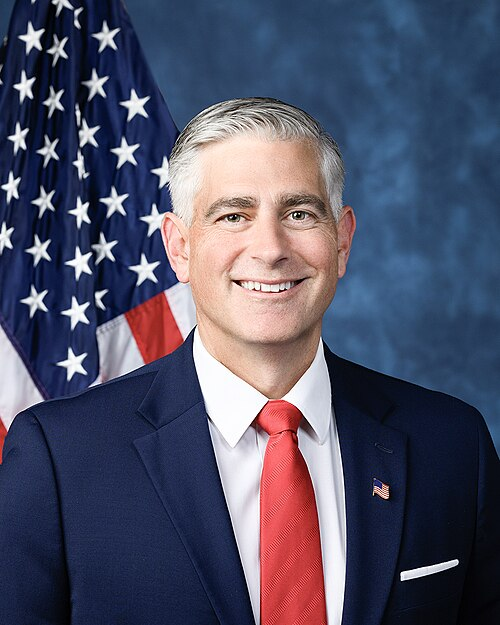
Co-Sponsor
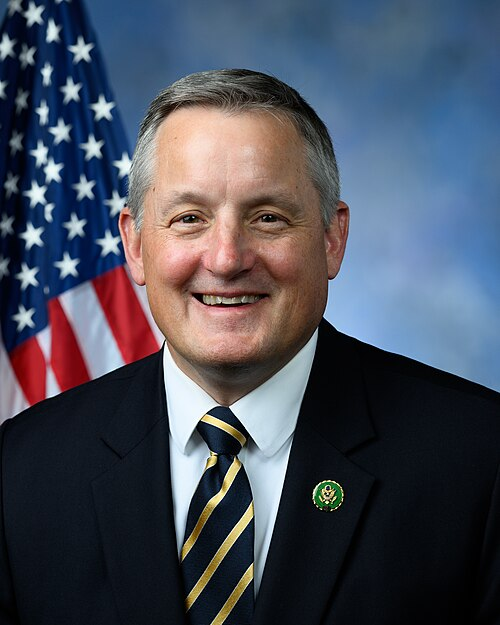
-
TrackBill Huizenga
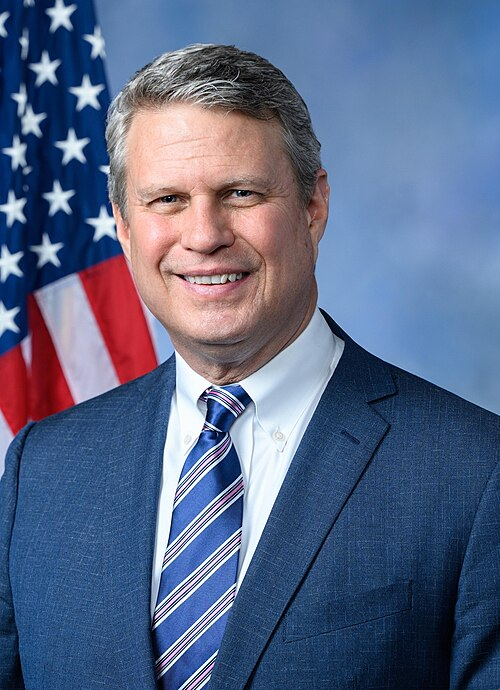
Co-Sponsor
-
TrackMichael Lawler
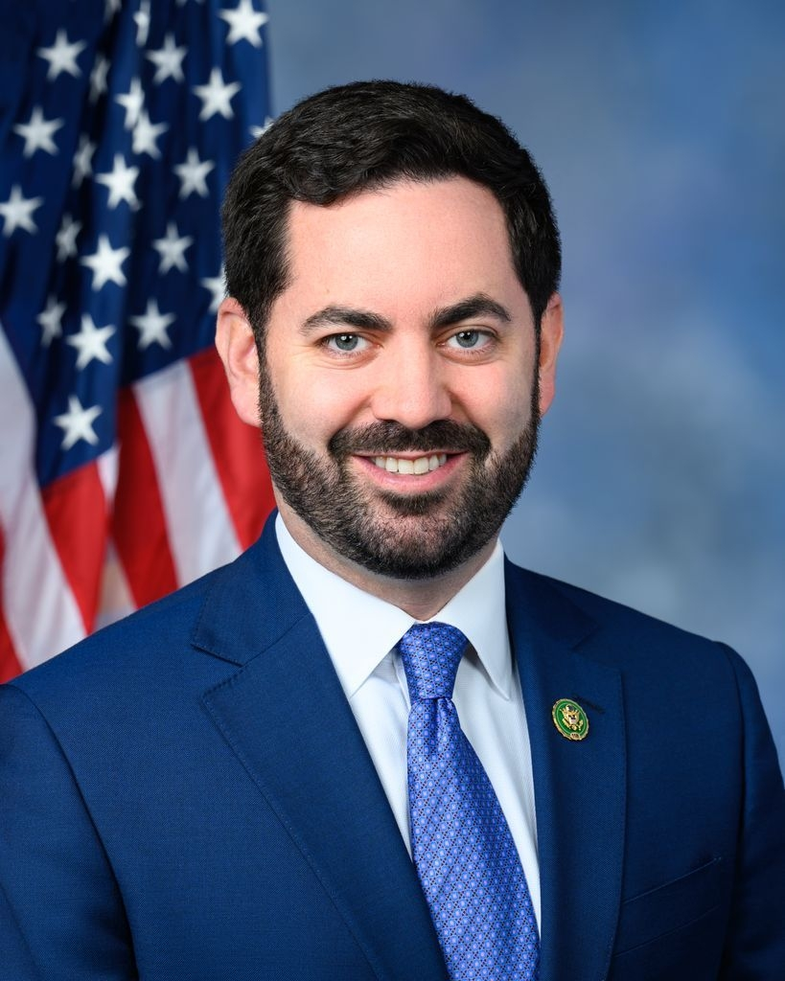
Co-Sponsor
-
TrackRichard McCormick
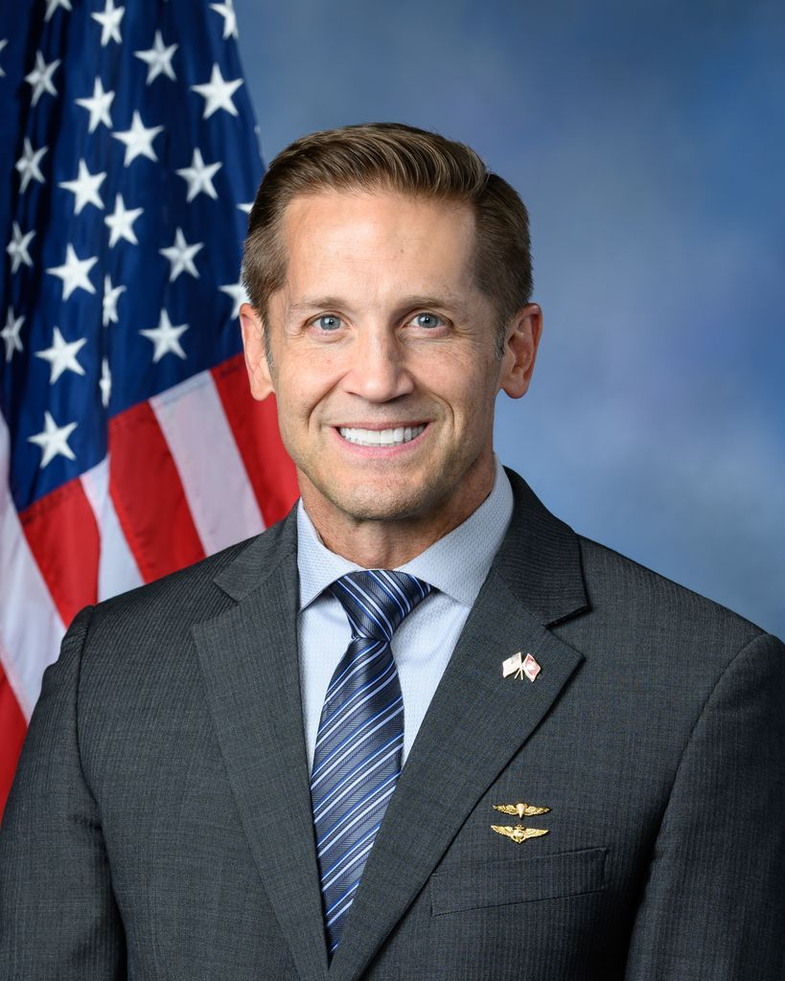
Co-Sponsor
-
TrackJared Moskowitz
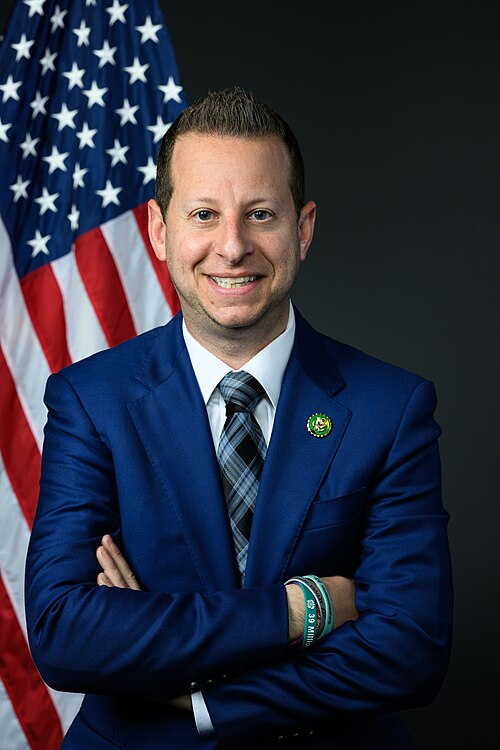
Co-Sponsor
-
TrackJames C. Moylan
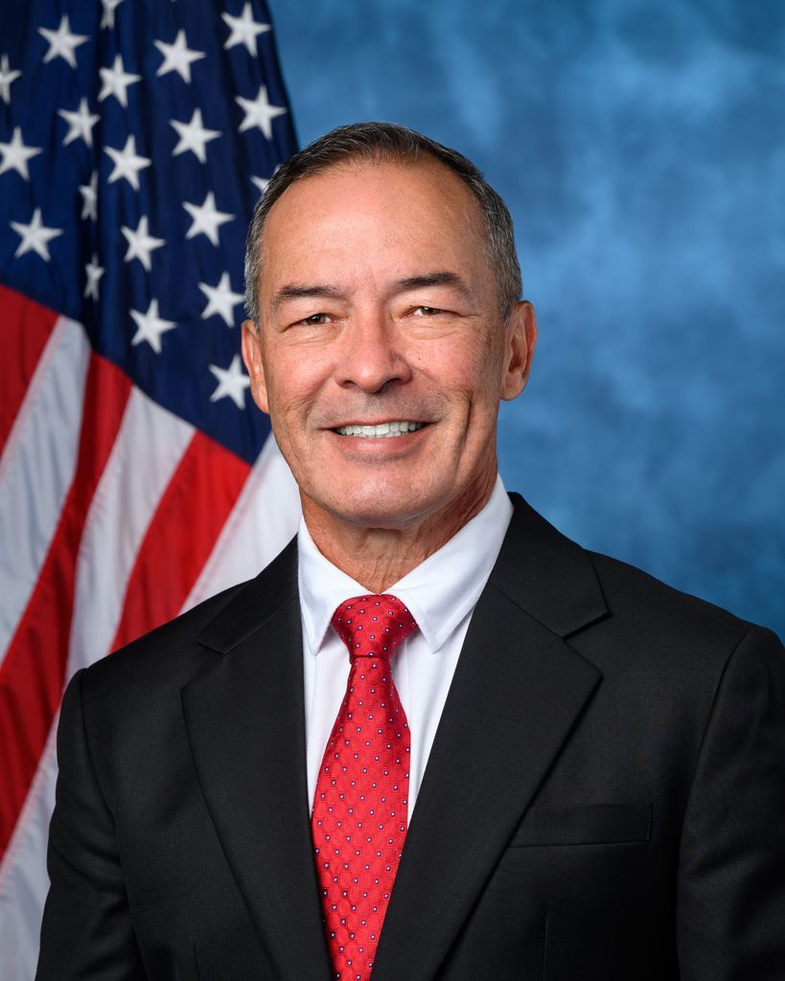
Co-Sponsor
-
TrackMaria Elvira Salazar
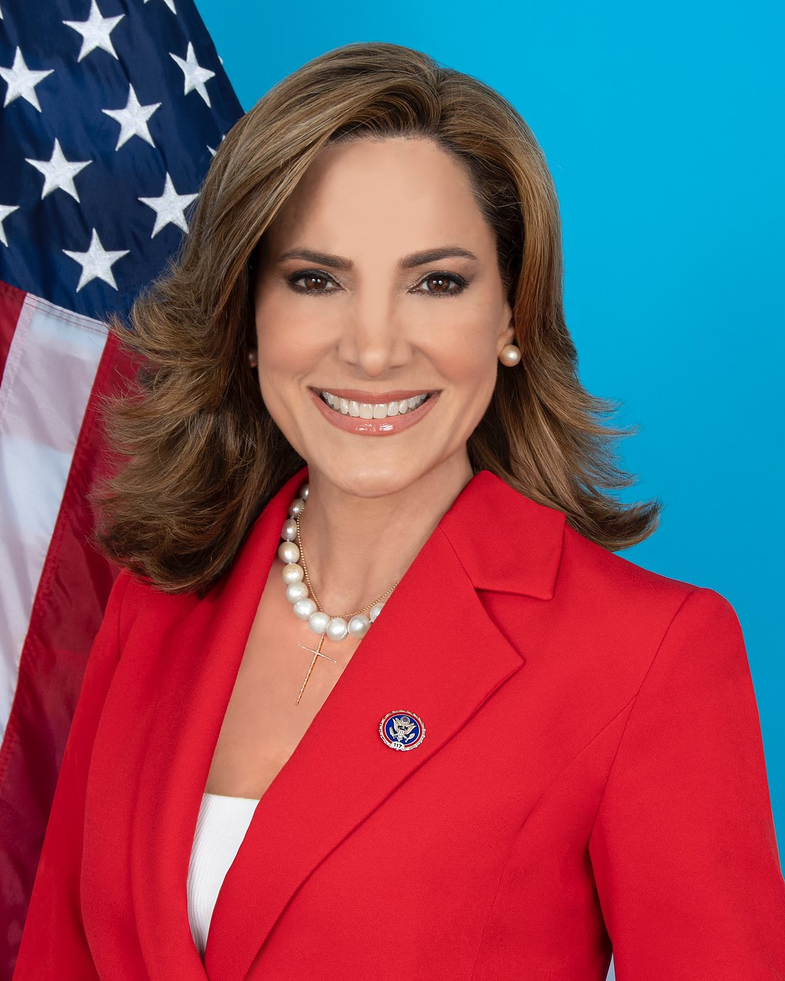
Co-Sponsor
-
TrackKeith Self
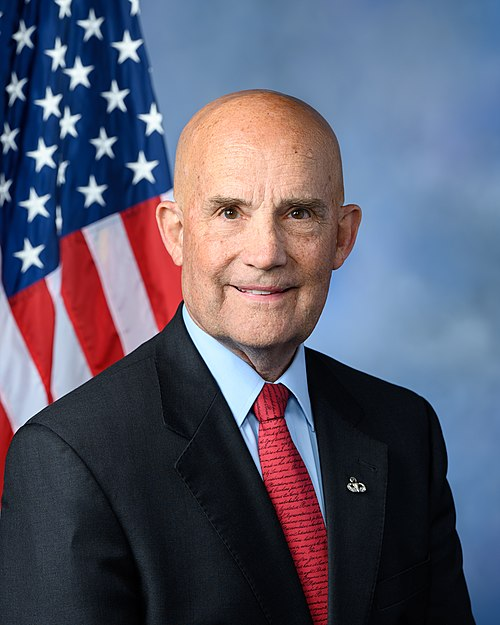
Co-Sponsor
-
TrackClaudia Tenney
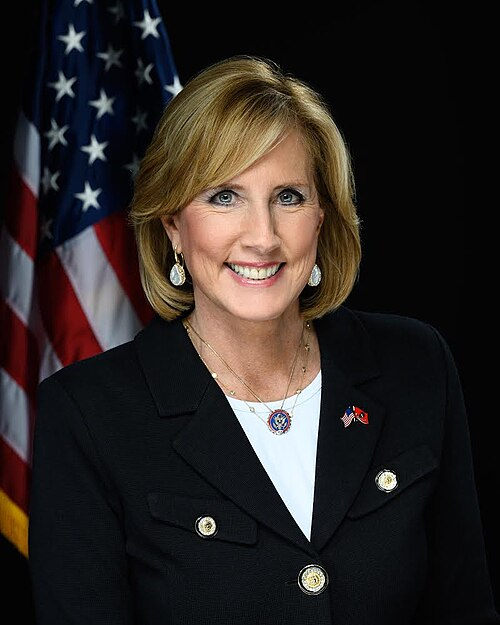
Co-Sponsor
Actions
2 actions
| Date | Action |
|---|---|
| Jul. 02, 2025 | Introduced in House |
| Jul. 02, 2025 | Referred to the Committee on Foreign Affairs, and in addition to the Committee on Armed Services, for a period to be subsequently determined by the Speaker, in each case for consideration of such provisions as fall within the jurisdiction of the committee concerned. |
Corporate Lobbying
0 companies lobbying
None found.
* Note that there can be significant delays in lobbying disclosures, and our data may be incomplete.