H.R. 3918: To ensure that certain short-term rentals are equipped with a smoke detector and a carbon monoxide detector, and for other purposes.
This bill focuses on regulating short-term rentals to enhance safety for individuals using these accommodations. Here’s a breakdown of its main provisions:
Smoke and Carbon Monoxide Detector Requirements
The bill mandates that any short-term rental property must be equipped with both a smoke detector and a carbon monoxide detector. This means that no person or entity can rent out or facilitate the rental of such a property unless these safety devices are installed. This applies to various types of short-term rentals, including homes, apartments, and other lodging facilities that are available for short stays.
Regulatory Authority
The Federal Trade Commission (FTC) is given the authority to create necessary regulations to enforce these requirements. This implies that the FTC can provide guidance and rules to ensure that property owners comply with the detector installation mandate.
Enforcement and Penalties
If someone violates the requirements of this bill or the regulations set forth by the FTC, these violations will be considered unfair or deceptive acts under the Federal Trade Commission Act. This means that the FTC has the power to enforce penalties against violators. The enforcement will follow the same procedures and authority that apply under the existing Federal Trade Commission Act, allowing the Commission to impose sanctions on those who do not comply.
Effective Date
The requirement for smoke and carbon monoxide detectors will take effect one year after the bill becomes law. This provides a timeline for property owners to adjust and comply with the new safety standards.
Definitions of Key Terms
- Covered services: Refers to the temporary provision of lodging facilities such as rooms or buildings, but excludes services like meeting rooms, banquets, or catering.
- Short-term rental: Defined as properties, including single-family homes or condominiums, that provide lodging for a fee to the general public for periods of less than 30 consecutive days. These rentals are required to be promoted or sold in interstate commerce to fall under this definition.
Relevant Companies
- ABNB (Airbnb, Inc.): As a significant platform for short-term rentals, Airbnb would likely need to ensure that its listed properties comply with the new safety requirements for smoke and carbon monoxide detectors.
- VRBO (part of Expedia Group, Inc.): Similar to Airbnb, VRBO facilitates short-term rentals and must also adapt its listings to comply with the detector requirements laid out in this bill.
This is an AI-generated summary of the bill text. There may be mistakes.
Sponsors
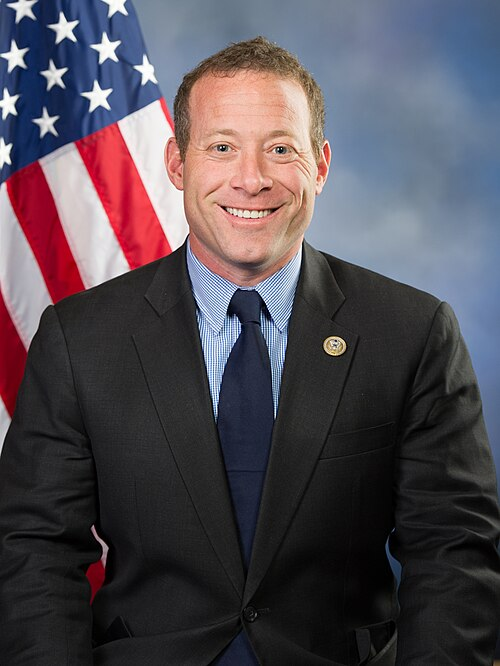
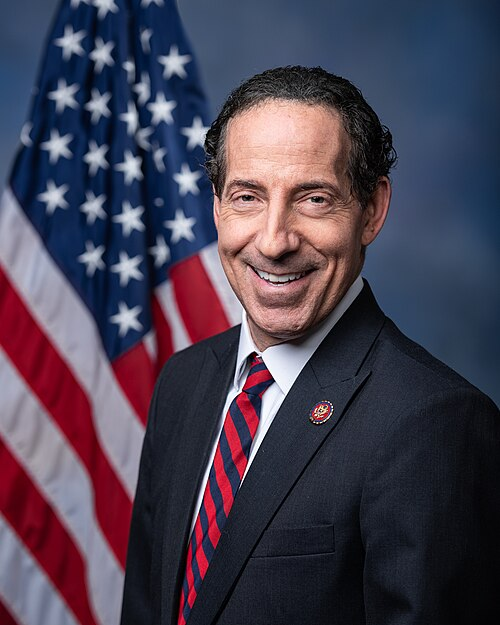
2 bill sponsors

Actions
2 actions
| Date | Action |
|---|---|
| Jun. 11, 2025 | Introduced in House |
| Jun. 11, 2025 | Referred to the House Committee on Energy and Commerce. |
Corporate Lobbying
0 companies lobbying
None found.
* Note that there can be significant delays in lobbying disclosures, and our data may be incomplete.