
H.R. 10291: Justice and Accountability for Representatives Engaged in Diplomacy Act
This bill would create new disclosure, background-check, and conflict-of-interest rules for certain people who act on behalf of the federal government in dealings with foreign governments, even if they are not formal federal employees or contractors.
What the bill covers
The bill defines a covered individual broadly. In general, this includes someone who:
- acts for or under the direction of the federal government without a formal job or contract,
- works in activities that are supervised, directed, financed, or subsidized mainly by the federal government, and
- interacts with foreign governments on behalf of the United States, including political activities, fundraising or money-handling outside the U.S., or representing U.S. interests before foreign officials.
The bill also treats certain related people and entities as covered persons, including a spouse, close relatives, family members, agents, business partners, organizations the person works for, and people or organizations the person is negotiating future employment with.
Requirements before doing the covered work
Before a covered individual can begin the covered activities, they would need to have a security clearance based on an appropriate background investigation.
They would also have to file annual financial disclosure forms with the Office of Government Ethics, similar to disclosures required of certain federal officials.
Limits on conflicts of interest
The bill would bar covered individuals from negotiating or accepting any agreement on behalf of the United States if that agreement is in the direct financial interest of a covered person from a foreign government or a foreign agent that the individual has dealt with in the covered activities.
Enforcement and penalties
The Office of Government Ethics would have to send quarterly reports to Congress and make them public. These reports would list:
- the financial disclosure forms filed under the bill, and
- any violations found and the penalties imposed.
If someone violates the bill, the Office of Government Ethics could determine that the person may no longer serve in that role or perform the related activities, and the person would also be barred from getting a security clearance.
The Office of Government Ethics would refer violations to the Attorney General, who could bring a civil lawsuit. Failing to file required reports would be punished the same way similar ethics-filing violations are currently punished under federal law. Knowingly violating the ban on certain negotiations or agreements could result in up to one year in prison, a fine, or both.
Relevant Companies
None found
This is an AI-generated summary of the bill text. There may be mistakes.
Sponsors
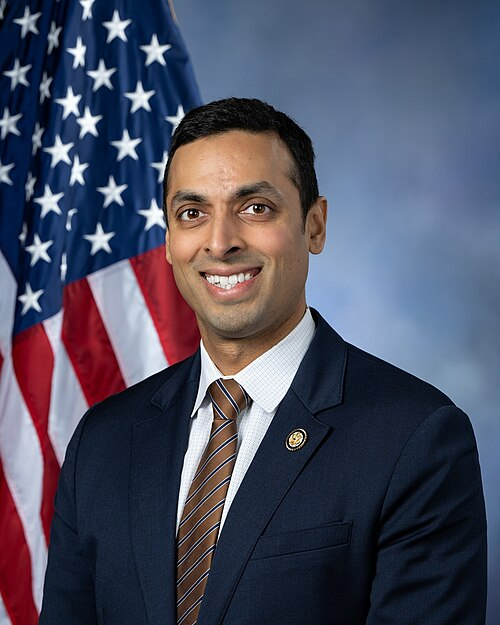
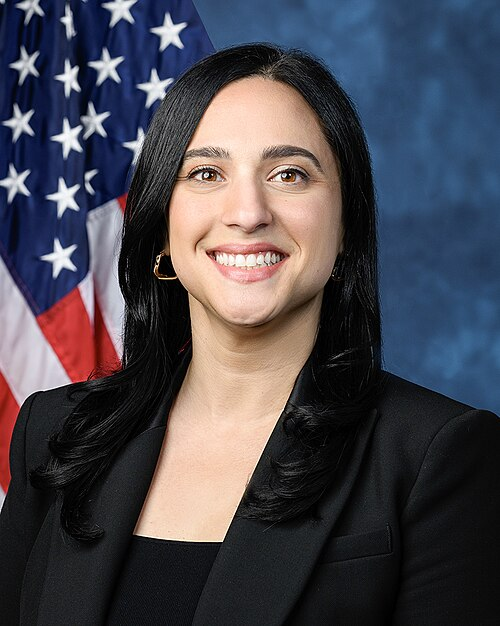
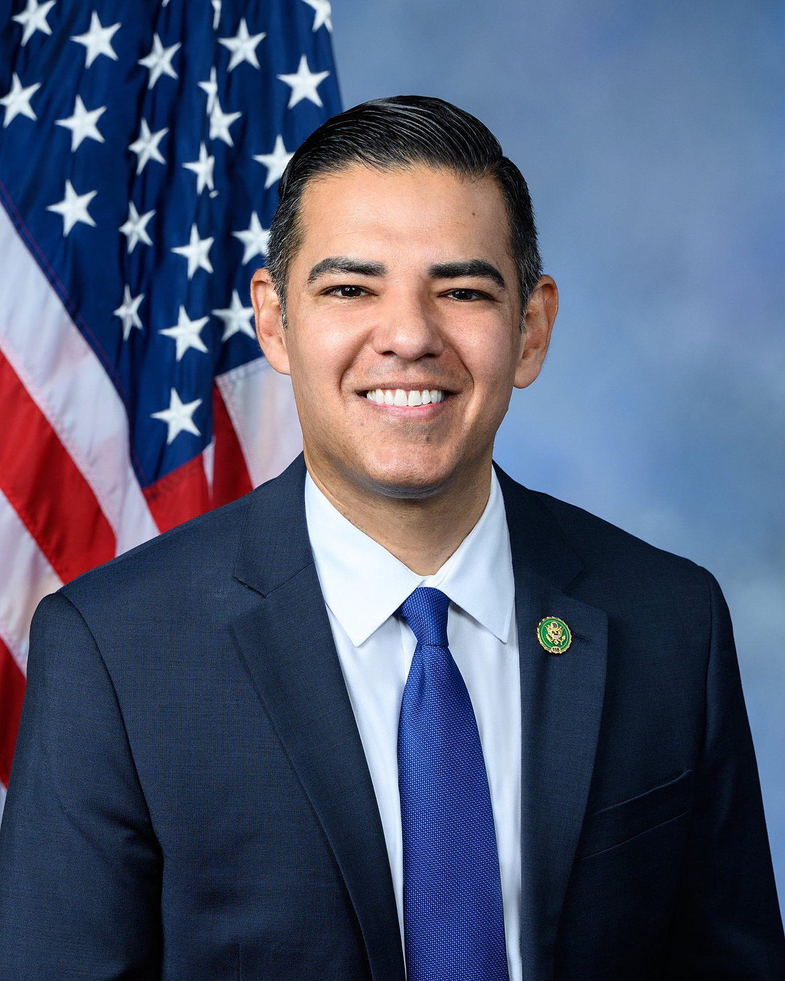
3 bill sponsors
Actions
2 actions
| Date | Action |
|---|---|
| Sep. 03, 2026 | Introduced in House |
| Sep. 03, 2026 | Referred to the House Committee on Oversight and Government Reform. |
Corporate Lobbying
0 companies lobbying
None found.
* Note that there can be significant delays in lobbying disclosures, and our data may be incomplete.
Potentially Relevant Congressional Stock Trades
No relevant congressional stock trades found.