We have received text from S. 4210: Child Suicide Prevention Act. This bill was received on 2026-03-25, and currently has 7 cosponsors.
Here is a short summary of the bill:
The bill, titled the Child Suicide Prevention Act, aims to reduce suicide rates among youth by authorizing the Secretary of Health and Human Services to distribute grants for programs focused on evidence-based practices in health care settings. Here's a summary of its key components:
Grant Program to Address Youth Suicide and Lethal Means
The Secretary will grant funds to various eligible entities (like states, health departments, nonprofits, and hospitals) to implement or enhance programs that educate and train health providers to:
- Identify individuals at high risk of suicide using appropriate screening techniques.
- Communicate effectively with individuals and their families about safety measures, especially concerning firearms.
- Understand and address risk factors related to suicide.
- Provide intervention strategies for suicide prevention.
- Support individuals after a suicide attempt or incident.
- Monitor and address disparities in suicide risk by race, ethnicity, age, and gender.
- Develop safety plans for individuals at risk.
- Be aware of local and federal laws regarding firearms.
- Refer individuals to appropriate services.
Up to 15% of the grant funds can be used for providing secure gun storage devices to residences that have at least one covered individual (defined as someone under 26 years old).
Grant Program for Schools
The bill also establishes a separate grant program for schools aimed at integrating suicide prevention and safety curricula into their educational programs. Eligible schools can collaborate with local health departments or nonprofits to:
- Teach safe firearm storage practices.
- Implement best practices for communicating about suicide prevention.
- Help identify risk factors and warning signs for individuals at high risk.
Website Development
The Secretary is tasked with creating a website to provide information on best practices in suicide prevention, especially concerning the use of firearms. This site will provide resources for covered individuals, their families, and health care providers.
Reporting and Oversight
Grant recipients will be required to submit annual reports detailing their activities using the funds. The Secretary will compile these reports and provide a summary to Congress by the end of fiscal year 2030. This will include recommendations for better practices in suicide prevention.
Funding
The bill authorizes $20 million for grants addressing youth suicide and $10 million for suicide prevention curricula in schools from fiscal years 2027 through 2030.
Definitions
Key terms are defined within the bill, including:
- Covered individual: Someone under the age of 26.
- Covered risk factors: Factors known to increase the risk of suicide, such as substance abuse, abuse history, and previous suicide attempts.
Relevant Companies
None found.
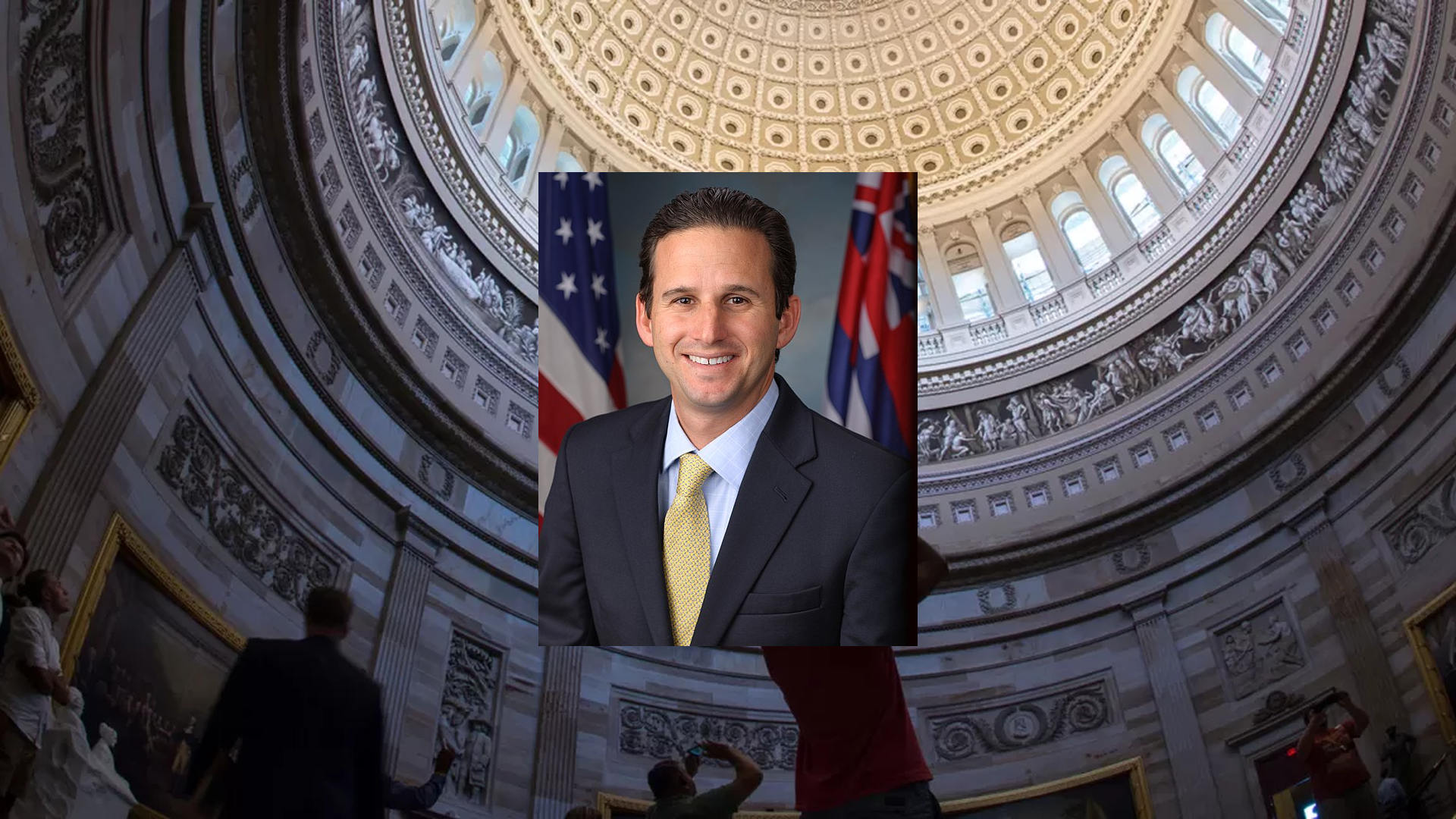
Senator Brian Schatz Bill Proposals
Here are some bills which have recently been proposed by Senator Brian Schatz:
- S.4216: GUARDRAILS Act
- S.4210: Child Suicide Prevention Act
- S.3910: ReSCUE Oceans Act
- S.3823: FAIR Act
- S.3570: Data Care Act of 2025
- S.3462: Safeguarding American Families and Expanding Social Security Act of 2025
You can track bills proposed by Senator Brian Schatz on Quiver Quantitative's politician page for Schatz.
Senator Brian Schatz Net Worth
Quiver Quantitative estimates that Senator Brian Schatz is worth $4.8M, as of April 11th, 2026. This is the 172nd highest net worth in Congress, per our live estimates.
Schatz has approximately $0 invested in publicly traded assets which Quiver is able to track live.
You can track Senator Brian Schatz's net worth on Quiver Quantitative's politician page for Schatz.
2028 Hawaii US Senate Election
There has been approximately $2,985,836 of spending in Hawaii US Senate elections over the last two years, per our estimates.
You can track this election on our matchup page for the 2028 Hawaii US Senate election.
This article is not financial advice. See Quiver Quantitative's disclaimers for more information.