
We have received text from H.R. 8241: Power for the People Act of 2026. This bill was received on 2026-04-09, and currently has 16 cosponsors.
Here is a short summary of the bill:
This bill, known as the Power for the People Act of 2026, aims to address the increasing electricity demands from data centers and their financial impact on consumers and the electric grid. Key provisions of the bill are as follows:
1. Congressional Sense
The bill expresses that:
- Current energy policies are causing households and businesses to pay more on their energy bills to support the growth of data centers.
- Data centers are projected to significantly increase their energy consumption, leading to higher electricity prices.
- Consumers should not shoulder the costs of infrastructure improvements needed for data centers.
- Data center operators should be held accountable for the increased costs they impose on the energy system.
- Increased federal oversight is necessary to maintain grid reliability and affordability associated with data centers.
2. Data Center Load Queues
The bill requires the Federal Energy Regulatory Commission (FERC) to establish a load queue system specifically for data centers, which prioritizes connections based on various offsetting strategies that reduce their demand on the electric grid, including:
- Bringing new energy supply resources to serve the data centers.
- Incorporating low-carbon backup generation.
- Ensuring fair labor practices and prevailing wage standards during construction.
3. Accountability for Transmission Costs
Data centers will be required to contribute to local transmission costs associated with their energy demands. This includes:
- Payment of local transmission upgrade costs that arise directly from their operations.
- Connection rates that reflect the costs of necessary upgrades ensuring other consumers are not subsidizing these expenses.
4. Data Center-Specific Rate Classes
The bill encourages the establishment of distinct rate classes for data centers to ensure they bear the full costs of electricity supply, including upgrades to generation, transmission, and distribution systems. States are urged to implement:
- Minimum demand charges for data centers.
- Extended utility contract lengths to prevent stranded costs for utilities.
- Increased initial costs for interconnection studies for new data centers.
5. Load and Interconnection Forecasting
FERC is tasked with improving forecasting methods for long-term electricity demand related to data centers, focusing on enhancing transparency and reducing unnecessary load interconnection requests.
6. Compliance Timelines
The bill establishes specific deadlines for various agencies and states to comply with its provisions, ensuring timely action in regulating data center energy consumption and infrastructure costs.
7. Impact on Energy Stakeholders
In summary, the bill aims to create a regulatory framework that addresses the unique challenges posed by the growing energy needs of data centers, ultimately seeking to protect consumers from rising costs associated with electricity consumption driven by these facilities.
Relevant Companies
- AAPL (Apple Inc.): Significant data center operations affecting power consumption and infrastructure demands.
- GOOGL (Alphabet Inc.): Operates extensive data centers critical for its services, likely impacted by new regulations.
- MSFT (Microsoft Corp.): With significant data center investments, would need to adapt to new interconnection requirements.
- AMZN (Amazon.com Inc.): A major player in cloud services requiring extensive data center capabilities, potentially influencing energy policy and costs.
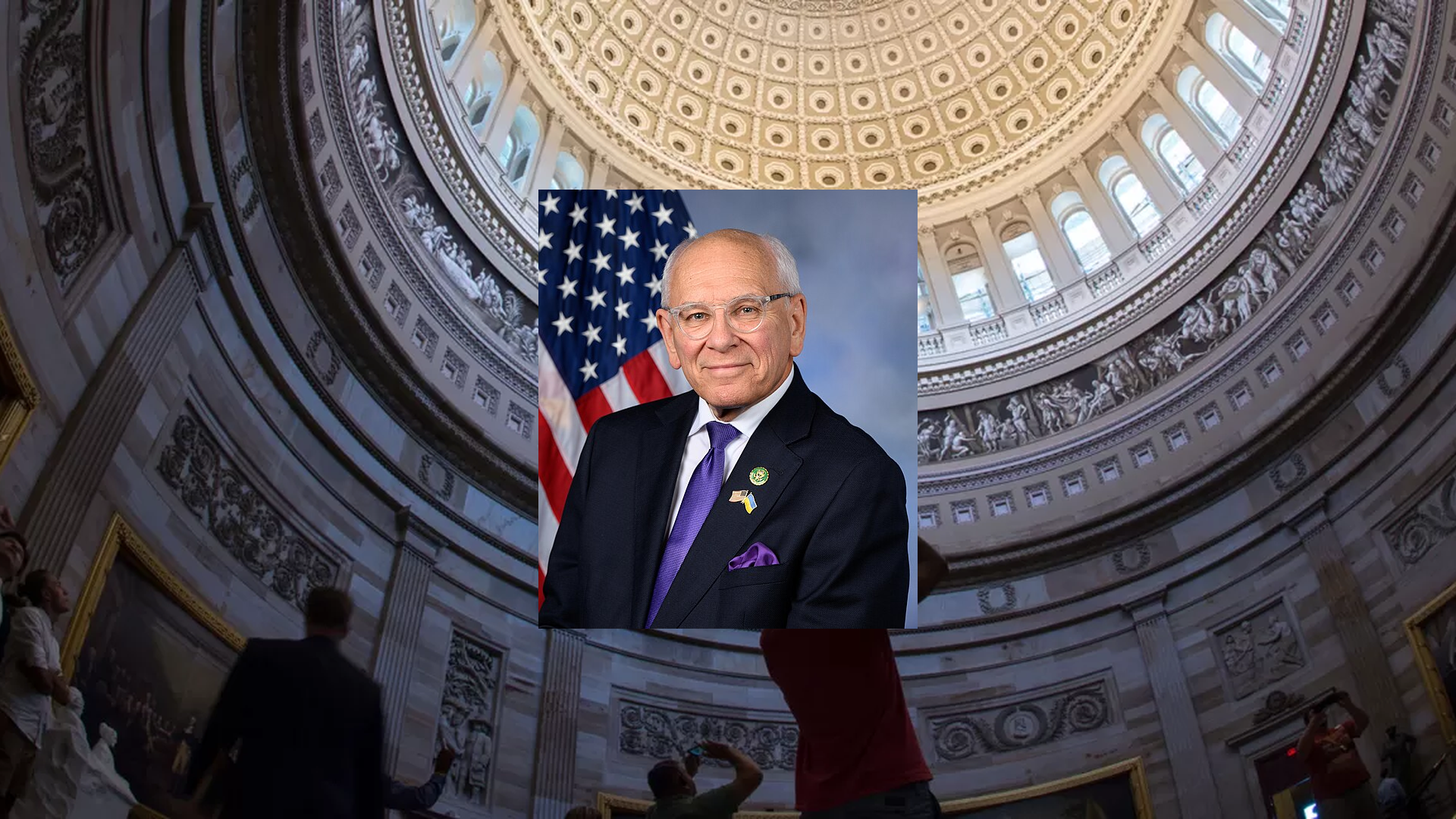
Representative Paul Tonko Bill Proposals
Here are some bills which have recently been proposed by Representative Paul Tonko:
- H.R.8241: To promote the creation of data center load queues and data center-specific rate classes to mitigate the impact of data centers on other electricity consumers, and for other purposes.
- H.R.8209: To amend the Public Health Service Act to reauthorize the school-based health centers grant program.
- H.R.6918: Climate Pollution Standard and Community Investment Act of 2025
- H.R.6822: Stopping Grinch Bots Act of 2025
- H.R.6676: State Industrial Competitiveness Act of 2025
- H.R.5762: New York-New Jersey Watershed Protection Act of 2025
You can track bills proposed by Representative Paul Tonko on Quiver Quantitative's politician page for Tonko.
Representative Paul Tonko Net Worth
Quiver Quantitative estimates that Representative Paul Tonko is worth $32.5K, as of April 17th, 2026. This is the 474th highest net worth in Congress, per our live estimates.
Tonko has approximately $0 invested in publicly traded assets which Quiver is able to track live.
You can track Representative Paul Tonko's net worth on Quiver Quantitative's politician page for Tonko.
2026 New York's 20th Congressional District Election
There has been approximately $1,328,573 of spending in New York's 20th congressional district elections over the last two years, per our estimates.
The rating for this race is currently "Solid D".
You can track this election on our matchup page for the 2026 New York's 20th congressional district election.
This article is not financial advice. See Quiver Quantitative's disclaimers for more information.