
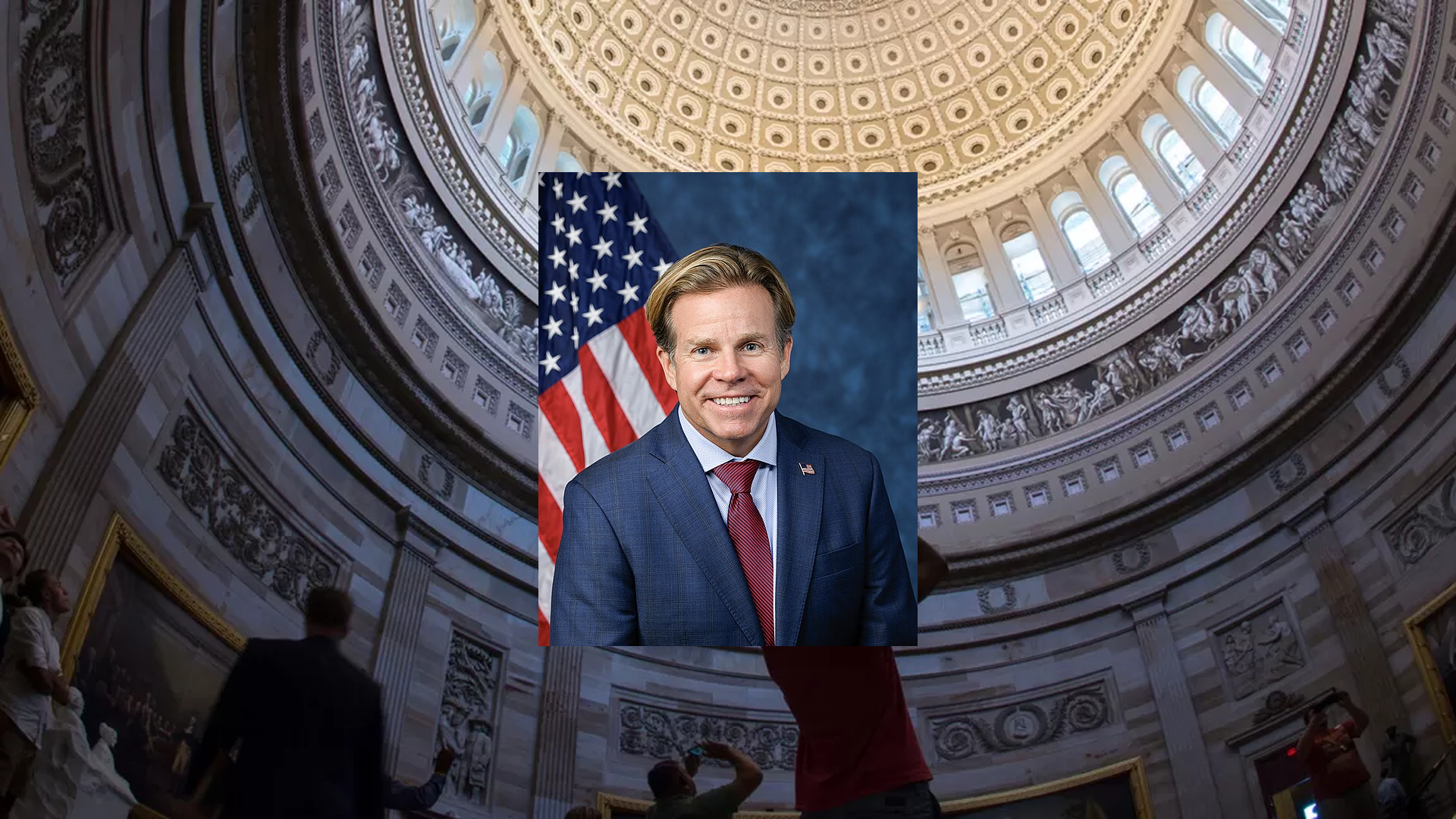
We have received text from H.R. 9651: Space Ready 2.0 Act. This bill was received on 2026-07-13, and currently has no cosponsors.
Here is a short summary of the bill:
This bill would let NASA run a pilot program to make improvements to infrastructure at one or more NASA centers using a mix of public and private funding . The goal is to support facilities and systems used by both NASA and commercial partners.
What the pilot program would allow
- The NASA Administrator could enter into agreements with commercial entities, and also with federal, state, or local public entities, to fund specific infrastructure projects at NASA centers.
- The bill defines common use infrastructure as infrastructure that benefits one or more NASA center users, such as roadways and commodity pipelines , and excludes infrastructure that only benefits NASA alone.
- Projects could include repairs, maintenance, upgrades, construction, modernization, expansion, demolition, and other work on NASA-owned infrastructure that supports commercial or joint activities.
How funding would work
- The bill would allow voluntary infrastructure contributions from commercial partners to help pay for specific capital repair, maintenance, and improvement projects.
- No contributions could be collected unless they are already allowed in advance by an appropriations law . The bill does not create new spending authority by itself.
- Private contributions placed into NASA’s Construction and Environmental Compliance and Restoration account would be subject to the same rules as appropriated funds.
- If a project ends with unused commercial funds, those funds would generally be returned to the contributor or could be redirected to another eligible project, depending on the contributor’s choice.
Rules for agreements and project management
- NASA would have to set a reasonable cost and schedule baseline for each project.
- NASA would be expected to finish projects within the planned cost and timeline limits as much as practical.
- The agency would be directed to use streamlined acquisition procedures as much as the law allows.
- Agreements would need to spell out who owns contributed funds, services, or equipment, and how they can be used or disposed of.
- Commercial partners could not recover the cost of their contribution through another agreement with the federal government.
- Agreements would need to address who pays if there are cost overruns or delays .
Other provisions
- NASA would not be allowed to refuse or delay other commercial agreements just because the parties could not agree on these infrastructure contributions.
- NASA could also make direct financial or in-kind contributions to related projects if it thought that would help support common-use infrastructure.
- NASA would need to consult with other public entities to avoid duplicate projects and to look for ways to increase capacity or capability for users.
- Improvements made with these funds would generally become U.S. government property , unless NASA decides otherwise.
- NASA would have to report to Congress within 180 days of enactment and then annually, and provide milestone updates at least every two years.
Duration
- The authority to collect voluntary contributions would end on December 31, 2031 .
- The bill says that ending this authority would not affect existing agreements under current law or NASA’s ability to keep and use proceeds from those agreements.
Relevant Companies
- None found
Representative Mike Haridopolos Bill Proposals
Here are some bills which have recently been proposed by Representative Mike Haridopolos:
- H.R.9651: To authorize the Administrator of the National Aeronautics and Space Administration to conduct a pilot program for investment in infrastructure projects at NASA Centers, and for other purposes.
- H.R.8851: One Giant LEAP Act
- H.R.4091: LEDGER Act
- H.R.3343: Greenlighting Growth Act
You can track bills proposed by Representative Mike Haridopolos on Quiver Quantitative's politician page for Haridopolos.
Representative Mike Haridopolos Net Worth
Quiver Quantitative estimates that Representative Mike Haridopolos is worth $9.1M, as of July 15th, 2026. This is the 119th highest net worth in Congress, per our live estimates.
Haridopolos has approximately $1.7M invested in publicly traded assets which Quiver is able to track live.
You can track Representative Mike Haridopolos's net worth on Quiver Quantitative's politician page for Haridopolos.
2026 Florida's 8th Congressional District Election
There has been approximately $2,757,656 of spending in Florida's 8th congressional district elections over the last two years, per our estimates.
Approximately $572,850 of this has been from outside spending by PACs and Super PACs. Some of the groups who are spending money in this race include:
- FIGHT FOR FLORIDA PAC ($372,855)
- CONSERVATIVES FOR AMERICAN EXCELLENCE INC. ($199,995)
The rating for this race is currently "Solid R".
You can track this election on our matchup page for the 2026 Florida's 8th congressional district election.
This article is not financial advice. See Quiver Quantitative's disclaimers for more information.