
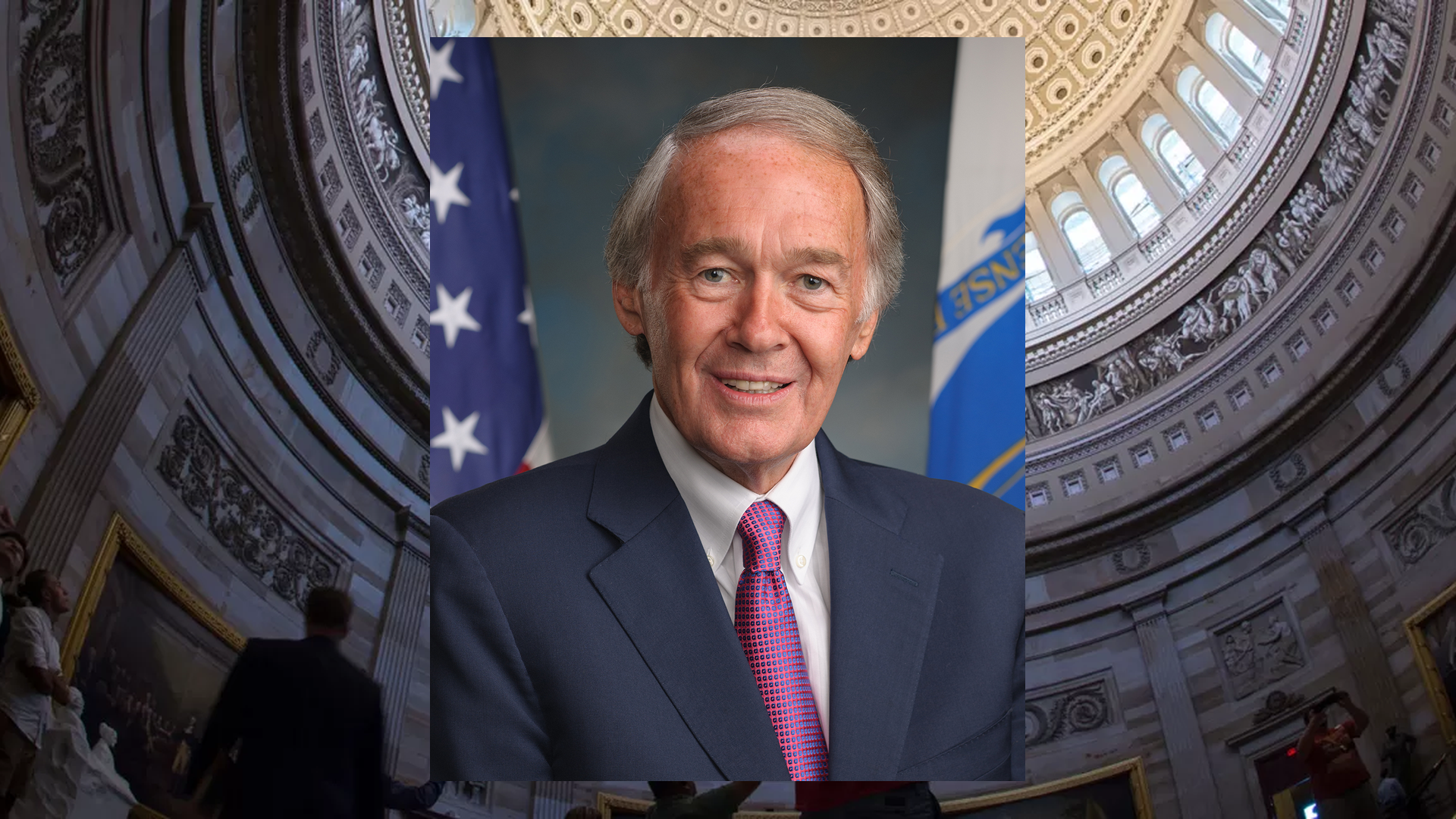
We have received text from S. 3876: Strengthening Place-based Access, Resources, and Knowledge Act. This bill was received on 2026-02-12, and currently has 2 cosponsors.
Here is a short summary of the bill:
The Strengthening Place-based Access, Resources, and Knowledge Act (SPARK Act) is designed to support entrepreneurship in underserved communities by creating and enhancing opportunities for minority-owned and rural businesses. The core component of the SPARK Act is the establishment of the Spark Program, which aims to provide financial assistance, foster collaboration, and increase job creation in these communities.
Key Features of the SPARK Act
- Improved Access to Capital: The Act aims to enhance funding opportunities for small businesses in underserved areas, making it easier for them to secure grants and loans.
- Support for Minority-Owned and Rural Businesses: The SPARK Program focuses specifically on promoting the growth of businesses owned by minorities and those located in rural regions.
- Collaboration and Networking: The bill encourages partnerships among various stakeholders, including local governments, financial institutions, and business organizations, to support entrepreneurial initiatives.
- Job Creation: By bolstering support for these businesses, the SPARK Act aims to boost job creation within underserved communities.
Requirements for Small Business Grants and Loans
To qualify for grants or loans under the SPARK Program, small businesses must meet certain criteria, which include:
- Providing a history of the business, including its formation and development.
- Submitting financial statements to demonstrate fiscal responsibility.
- Obtaining tax verification to confirm compliance with tax obligations.
- Presenting a comprehensive business plan outlining their operations and goals.
Program Oversight and Reporting
The SPARK Act includes provisions for oversight and evaluation of the program's effectiveness. Key measures include:
- Regular examinations of the program to assess success metrics and outcomes.
- Opportunities for training and technical assistance to help businesses improve their operations and capitalize on resources.
- Annual reporting on program activities to ensure transparency and accountability regarding the use of funds and support provided.
Goals of the SPARK Act
The overarching goals of the SPARK Act are to:
- Empower underserved communities by enhancing their economic prospects.
- Facilitate greater participation of minority-owned enterprises in the broader economy.
- Foster a supportive ecosystem for small businesses to thrive, ultimately leading to sustainable job creation.
Relevant Companies
None found
Senator Edward J. Markey Bill Proposals
Here are some bills which have recently been proposed by Senator Edward J. Markey:
- S.3884: Small Business ICE Disruption Fund Act
- S.3876: SPARK Act
- S.3779: ICE Out of Our Faces Act
- S.3742: AV Safety Data Act
- S.3680: Eliminating Bias in Algorithmic Systems Act of 2026
- S.3625: Qualified Immunity Abolition Act of 2026
You can track bills proposed by Senator Edward J. Markey on Quiver Quantitative's politician page for Markey.
2026 Massachusetts US Senate Election
There has been approximately $22,491,901 of spending in Massachusetts US Senate elections over the last two years, per our estimates.
Approximately $4,225,684 of this has been from outside spending by PACs and Super PACs. Some of the groups who are spending money in this race include:
- COMMONWEALTH UNITY FUND ($4,222,550)
- CHINESE PROGRESSIVE POLITICAL ACTION INC. ($1,610)
- UNITED DEMOCRATS FUND ($1,180)
The rating for this race is currently "Solid D".
You can track this election on our matchup page for the 2026 Massachusetts US Senate election.
This article is not financial advice. See Quiver Quantitative's disclaimers for more information.