We have received text from S. 3844: Fiscal Harms of Federal Firing Act. This bill was received on 2026-02-11, and currently has 3 cosponsors.
Here is a short summary of the bill:
This bill, known as the Fiscal Harms of Federal Firing Act, aims to require the Comptroller General of the United States to carry out a comprehensive study on the impact of federal reductions in force (RIF) on state and local governments. A reduction in force refers to a significant downsizing of federal employees. The study is intended to evaluate how such reductions affect various aspects of state and local economies, particularly in relation to service delivery and economic stability.
Key Findings
The bill outlines several findings regarding reductions in federal workforce:
- Reductions in force can displace workers, leading to changes in employment and living conditions across states and localities.
- Such reductions may increase demand for state-provided services, including unemployment insurance, Medicaid, workforce retraining, and housing assistance.
- There is a risk of reduced economic activity and lower tax revenues in regions with high concentrations of federal employment.
- State and local governments differ significantly in their ability to handle the financial impacts of large-scale federal workforce reductions.
- Currently, there is no thorough federal assessment on how these reductions impact local and state budgets.
Study Requirements
The study will focus on several aspects concerning the budgetary impacts of federal reductions in force on state and local governments:
-
Changes in expenditures for state and local governments, specifically in areas like:
- Unemployment insurance
- Health programs, including Medicaid
- Workforce development and retraining
- Housing and income assistance
- How reductions in force impact state and local tax revenues from income, sales, and property taxes.
- Regional economic effects, including shifts in employment and impacts on private sector activities.
- Administrative challenges faced by governments in response to workforce reductions.
- Variances in how reductions affect state and local governments based on size, concentration of federal employees, fiscal capacity, and labor market conditions.
- Historical case studies of significant workforce reductions over the past 20 years.
- Strategies employed by state and local governments to mitigate the financial impacts.
Consultation and Data Collection
To conduct the study, the Comptroller General will consult with a variety of stakeholders, including:
- State and local government budget officers and workforce agencies.
- State governors' offices.
- Federal agencies like the Office of Personnel Management and the Department of Labor.
- Economists and labor market specialists.
The study will utilize a range of data sources, including administrative data, surveys, and economic modeling.
Reporting Requirements
After completing the study, the Comptroller General must report back to Congress within 18 months. This report will include:
- Findings and analysis from the study, including evaluations of the efficiency improvements of agencies after reductions.
- Recommendations for support strategies for displaced individuals and affected state and local governments.
- Identification of governments with the largest fiscal impacts from reductions.
- Projected short- and long-term budget impacts on state and local governments from these workforce changes.
- Policy options for Congress regarding assistance and planning tools to address these issues.
The report will be made publicly available on the Government Accountability Office's website.
Relevant Companies
None found
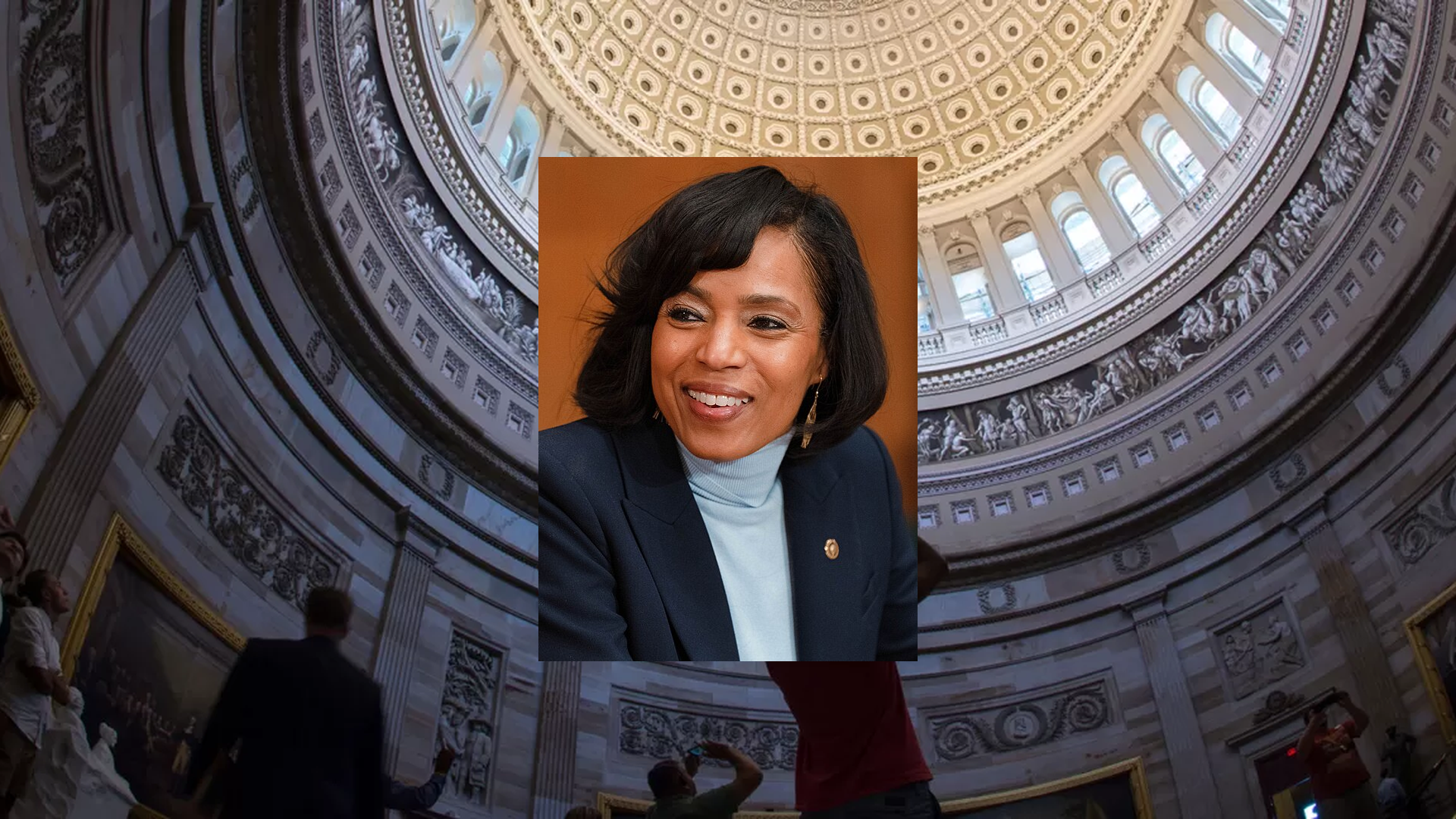
Senator Angela Alsobrooks Bill Proposals
Here are some bills which have recently been proposed by Senator Angela Alsobrooks:
- S.3890: National Council on African American History and Culture Act of 2026
- S.3844: Fiscal Harms of Federal Firing Act
- S.3629: Transportation Project Accountability Act of 2026
- S.3556: Wildlife Crossings Program Reauthorization Act of 2025
- S.3512: Medicare Investment and Gun Violence Prevention Act
- S.3340: 21st Century STEM for Girls and Underrepresented Minorities Act
You can track bills proposed by Senator Angela Alsobrooks on Quiver Quantitative's politician page for Alsobrooks.
Senator Angela Alsobrooks Net Worth
Quiver Quantitative estimates that Senator Angela Alsobrooks is worth $558.0K, as of February 26th, 2026. This is the 387th highest net worth in Congress, per our live estimates.
Alsobrooks has approximately $0 invested in publicly traded assets which Quiver is able to track live.
You can track Senator Angela Alsobrooks's net worth on Quiver Quantitative's politician page for Alsobrooks.
2030 Maryland US Senate Election
There has been approximately $185,500,603 of spending in Maryland US Senate elections over the last two years, per our estimates.
Approximately $102,153,547 of this has been from outside spending by PACs and Super PACs. Some of the groups who are spending money in this race include:
- MARYLAND'S FUTURE ($54,029,480)
- WINSENATE ($20,220,473)
- WOMEN VOTE ($15,940,680)
- NATIONAL NURSES UNITED FOR PATIENT PROTECTION ($2,115,029)
- BLACK PROGRESSIVE ACTION COALITION ($1,982,480)
You can track this election on our matchup page for the 2030 Maryland US Senate election.
This article is not financial advice. See Quiver Quantitative's disclaimers for more information.