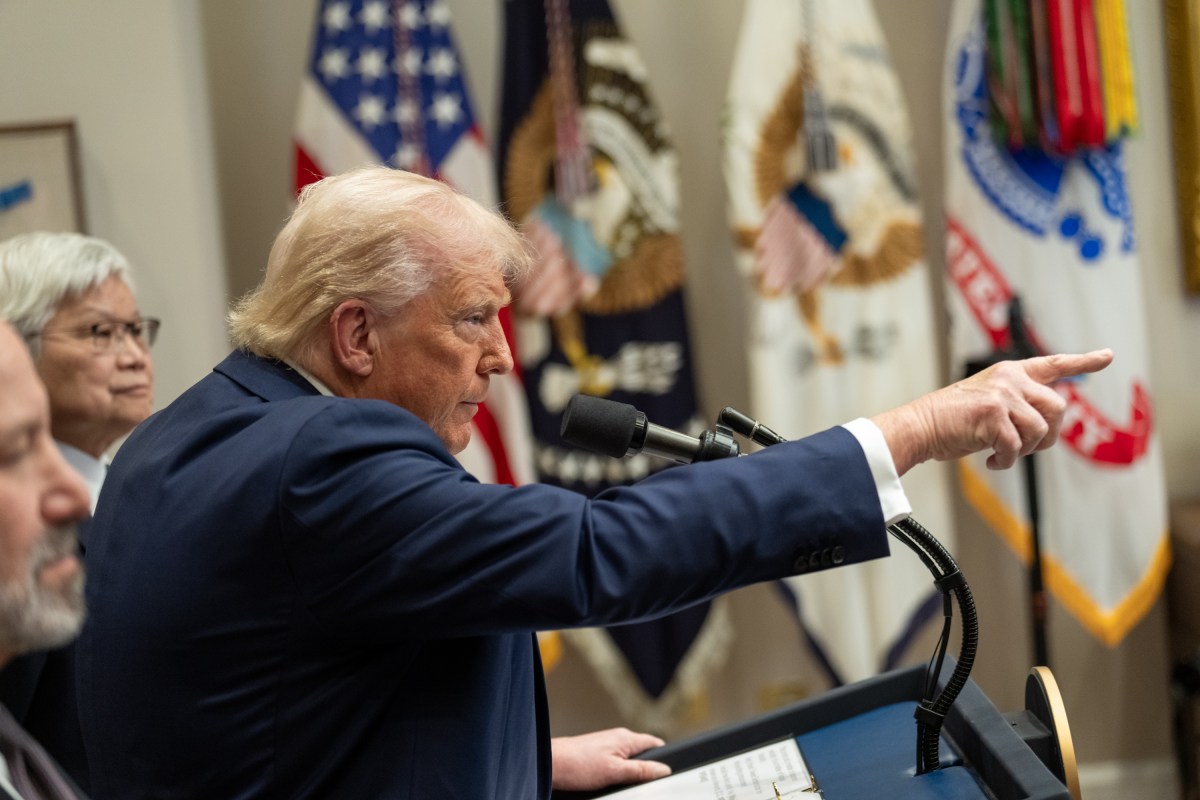


President Biden's decision to oppose Nippon Steel's acquisition of United States Steel highlights a complex interplay of national security, labor, and international business interests. The opposition stems from bipartisan concern over the deal's impact on American industrial sovereignty and job security, magnified by the United Steelworkers union's disapproval and political figures like former President Trump. The move reflects broader anxieties about foreign ownership of critical American industries and the potential loss of jobs in key states. Behind the scenes, Cleveland-Cliffs' CEO, Lourenco Goncalves, emerged as a vocal opponent, leveraging political and labor alliances to contest the merger, driven by fears of strengthened competition and potential job losses at U.S. Steel facilities.
Market Overview:
Nippon Steel's bid for U.S. Steel faced significant opposition due to concerns over national security, job security, and the concentration of market power.
Cleveland-Cliffs, having lost an acquisition bid for U.S. Steel, actively campaigned against the deal, citing potential job losses and market concentration issues.
The proposed merger raised broader questions about the future of American manufacturing and the strategic importance of maintaining domestic control over critical industries.
Key Points:
Bipartisan political pressure and labor union opposition significantly influenced the administration's stance against the Nippon Steel-U.S. Steel deal.
Cleveland-Cliffs played a central role in rallying opposition, emphasizing the deal's potential to harm U.S. workers and consolidate market power.
Nippon Steel's commitment to invest in U.S. Steel's infrastructure and avoid layoffs highlights the complex balance between foreign investment and domestic control.
Looking Ahead:
The ongoing debate underscores the tension between attracting foreign investment and preserving national security and domestic job markets.
The outcome of the deal could set a precedent for future foreign acquisitions in key American industries.
Continued scrutiny from political leaders, labor unions, and regulatory bodies is likely, reflecting broader concerns about globalization and the integrity of critical domestic industries.
The controversy surrounding the Nippon Steel-U.S. Steel deal reflects broader themes of globalization, national security, and labor market stability. President Biden's opposition, amid bipartisan concern and labor union disapproval, underscores the strategic importance of maintaining domestic control over essential industries. The situation highlights the challenges of balancing foreign investment with national interests, a dilemma that will continue to shape policy and market dynamics in the era of globalized commerce. The ongoing opposition from Cleveland-Cliffs and the political and labor landscape suggests a complex future for deals of this nature, where economic interests are inextricably linked with national security and workforce implications.