S. 970: Helping More Families Save Act
The Helping More Families Save Act aims to establish a pilot program to enhance the existing family self-sufficiency initiatives associated with housing assistance. The key components of the bill include:
Program Overview
The bill proposes a pilot program that allows the Secretary of the Department of Housing and Urban Development (HUD) to select up to 25 entities (public housing authorities, private owners, etc.) to manage escrow accounts for a maximum of 5,000 families receiving assistance under certain federal housing programs.
Escrow Accounts
Eligible entities will have the responsibility to:
- Create interest-bearing escrow accounts for participating families.
- Deposit funds into these accounts equivalent to any increase in rent resulting from increased earned income of the families during their participation.
- Use allocated funds for making these deposits, provided any funds used are offset by the corresponding increase in rent.
Eligibility Criteria
Families must meet specific criteria to qualify:
- Families must be enrolled in the pilot program and receive assistance under the relevant sections of the U.S. Housing Act.
- The family’s adjusted income must not exceed 80% of the area median income.
Withdrawal Conditions
Participating families can withdraw funds, along with interest, from their escrow accounts under certain conditions, including:
- After they stop receiving welfare assistance.
- After a minimum of five years of account establishment, although they may withdraw sooner for specific self-sufficiency goals.
- Under other circumstances deemed acceptable by the Secretary.
Impact of Income Increases
Any income earned by a family while participating in the program will not be counted against them for eligibility or the level of benefits they receive under other assistance programs.
Program Administration
Eligible entities wishing to participate must apply, outlining their intended service numbers, and the selection should ensure a diverse geographical and organizational representation, including both urban and rural areas.
Entities are required to inform participating families about the program details, including their eligibility, potential impacts on rent, and the option to opt-out at any time.
Program Duration and Evaluation
The pilot program will last for up to ten years, with an evaluation to be conducted by the Secretary at least eight years after its initiation, assessing the effectiveness of the program in achieving economic self-sufficiency for families.
Funding
The bill authorizes an appropriation of $5 million for the fiscal year 2026 to assist with technical support for implementing the program and evaluating its impact.
Relevant Companies
None found.
This is an AI-generated summary of the bill text. There may be mistakes.
Sponsors
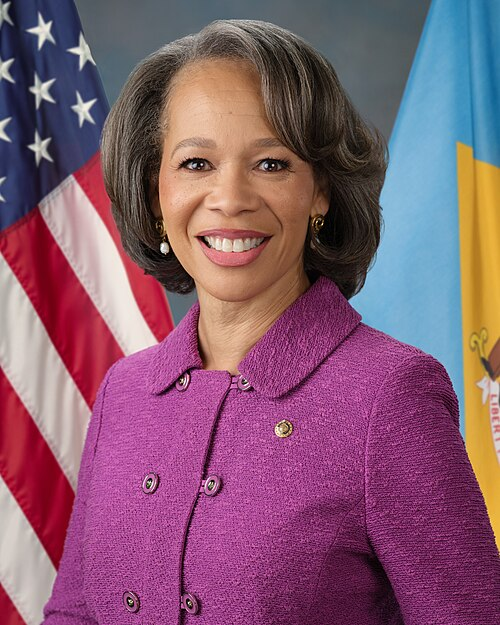
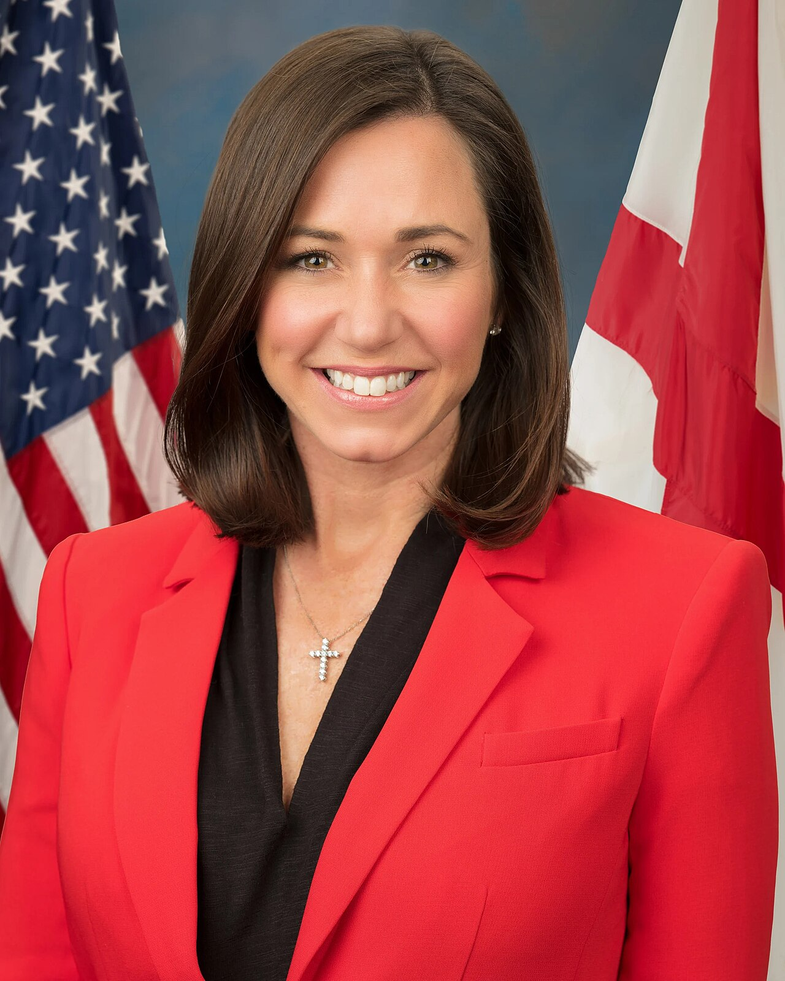
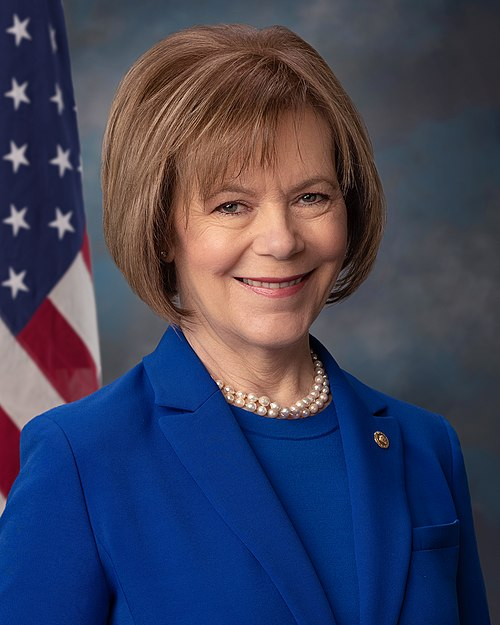
7 bill sponsors




Actions
2 actions
| Date | Action |
|---|---|
| Mar. 11, 2025 | Introduced in Senate |
| Mar. 11, 2025 | Read twice and referred to the Committee on Banking, Housing, and Urban Affairs. (Sponsor introductory remarks on measure: CR S1666-1667) |
Corporate Lobbying
0 companies lobbying
None found.
* Note that there can be significant delays in lobbying disclosures, and our data may be incomplete.
Potentially Relevant Congressional Stock Trades
No relevant congressional stock trades found.