
S. 960: Justice for Murder Victims Act
This bill, known as the Justice for Murder Victims Act, aims to amend federal law regarding the prosecution of homicide offenses. Here’s what the bill proposes in simple terms:
Key Provisions
- Elimination of Time Limits for Prosecution: The bill would allow for the prosecution of any homicide offense without considering the time that has passed between the act (or omission) that led to the victim's death and the actual death of the victim. This means prosecutors could pursue cases many years after the act that caused the death, making it possible to hold offenders accountable regardless of how long it has been since the incident.
- Relation to Existing Statute of Limitations: While the bill allows for open-ended prosecutions, it clarifies that it does not override the existing statutes of limitations in certain circumstances under U.S. law. Therefore, protections in place for other offenses will still apply where relevant.
- Death Penalty Considerations: The bill establishes a condition if the death penalty is sought in homicide cases. Specifically, the government must prove that no more than one year and one day elapsed between the act that caused death and the victim's death in order to impose a death penalty sentence.
Applicability
The provisions of this bill would apply to acts or omissions occurring after the bill is enacted. This means that any homicide case that fits the criteria laid out in the legislation can be prosecuted under these new rules, but only for future cases, not retroactively.
Changes to Penalties
The bill also amends certain penalties related to first-degree murder. Specifically, it states that if the victim's death occurs more than one year and one day after the act or omission, the punishment would shift from a potential death sentence to imprisonment for a specified term or life without parole.
Summary
In summary, the Justice for Murder Victims Act seeks to modify federal law to allow for the prosecution of homicide cases without any maximum time limit, while also establishing guidelines for potential penalties, including death penalties under specific conditions. These changes are intended to enhance the ability of the legal system to pursue justice for homicide victims, irrespective of how long the legal process may take.
Relevant Companies
None found
This is an AI-generated summary of the bill text. There may be mistakes.
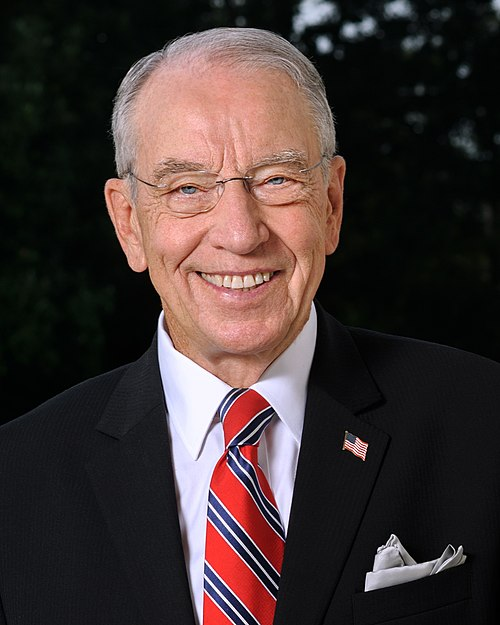
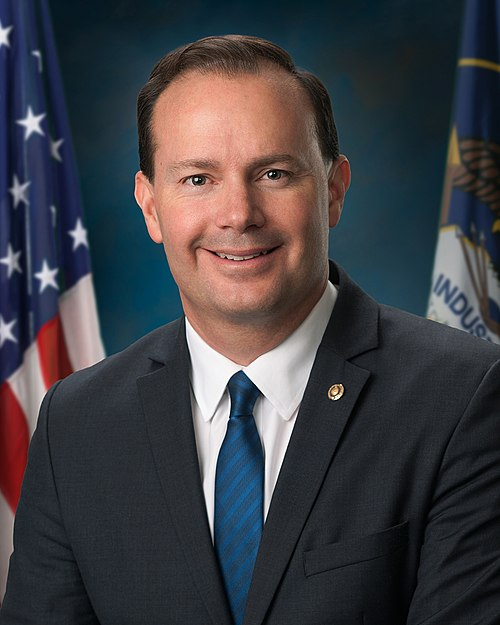
Sponsors
3 bill sponsors

Actions
6 actions
| Date | Action |
|---|---|
| Mar. 14, 2025 | Held at the desk. |
| Mar. 14, 2025 | Received in the House. |
| Mar. 12, 2025 | Message on Senate action sent to the House. |
| Mar. 11, 2025 | Introduced in Senate |
| Mar. 11, 2025 | Introduced in the Senate, read twice, considered, read the third time, and passed without amendment by Unanimous Consent. (consideration: CR S1675-1676; text: CR S1676) |
| Mar. 11, 2025 | Passed/agreed to in Senate: Introduced in the Senate, read twice, considered, read the third time, and passed without amendment by Unanimous Consent. |
Corporate Lobbying
0 companies lobbying
None found.
* Note that there can be significant delays in lobbying disclosures, and our data may be incomplete.
Potentially Relevant Congressional Stock Trades
No relevant congressional stock trades found.