S. 626: Stopping Online Confusion for Investigative Agencies and Law-enforcement by Maintaining Evidence Determined Interparty Arrangements Act
The bill titled the Stopping Online Confusion for Investigative Agencies and Law-enforcement by Maintaining Evidence Determined Interparty Arrangements Act, also known as the SOCIAL MEDIA Act, aims to enhance the communication between social media platforms and law enforcement agencies while establishing new guidelines for data collection and reporting on illicit activities. Here are the main components of the bill:
1. Law Enforcement Portal Requirements
The bill mandates that all social media platforms create a dedicated law enforcement portal within 90 days of enactment. This portal should:
- Provide clear contact information for law enforcement inquiries.
- Include information on any third-party services contracted by the platform for compliance with law enforcement requests.
- Be accessible from the homepage of the social media platform.
The portal must also offer:
- The name and contact details of the primary law enforcement contact within the platform.
- A U.S.-based, 24/7 customer support phone line and an email address for law enforcement use.
- Policy information regarding how the platform interacts with law enforcement, including user notifications about ongoing investigations.
2. Federal Trade Commission (FTC) Advisory Committee
The bill establishes a Federal Trade Commission Platform Safety Advisory Committee, which will:
- Provide recommendations for uniform reporting metrics related to how social media platforms handle illegal content.
- Assess how these platforms respond to law enforcement inquiries.
- Comprise 11 members, including representatives from the FTC, law enforcement, and social media platforms.
The committee will also publish an annual report comparing the performance of different social media platforms in complying with these metrics.
3. Reporting Metrics
Social media platforms will be required to adopt reporting metrics established by the Advisory Committee. These metrics may cover:
- Instances of content promoting illicit activities, such as counterfeit substances or fentanyl.
- Referrals to law enforcement regarding such content, including details on notification processes.
- Responses to subpoenas and search warrants from law enforcement.
- Any other relevant data concerning illegal content, like human trafficking or child exploitation.
4. Compliance and Enforcement
The Federal Trade Commission will enforce compliance with this law, treating violations similarly to unfair or deceptive practices under existing legislation. This enforcement includes:
- Applying penalties to platforms that fail to meet the law's requirements.
- Issuing guidance to platforms on the adopted reporting metrics.
5. Definitions
The bill provides specific definitions for several terms, including:
- Law Enforcement Portal: A tool for police to access information related to social media platforms.
- Social Media Platform: Any website or application that allows users to create, share, and view content.
- Illicit Activity: The illegal production, distribution, or sale of controlled substances.
Relevant Companies
- FB (Meta Platforms, Inc.): As a major social media platform, Meta will need to establish the required law enforcement portal and comply with new reporting metrics.
- GOOGL (Alphabet Inc.): Google's social media and video-sharing platforms will be affected by the bill's provisions on communication with law enforcement and data reporting.
- SNAP (Snap Inc.): Snap will also face requirements to implement a law enforcement portal and adhere to new data reporting guidelines.
This is an AI-generated summary of the bill text. There may be mistakes.
Sponsors
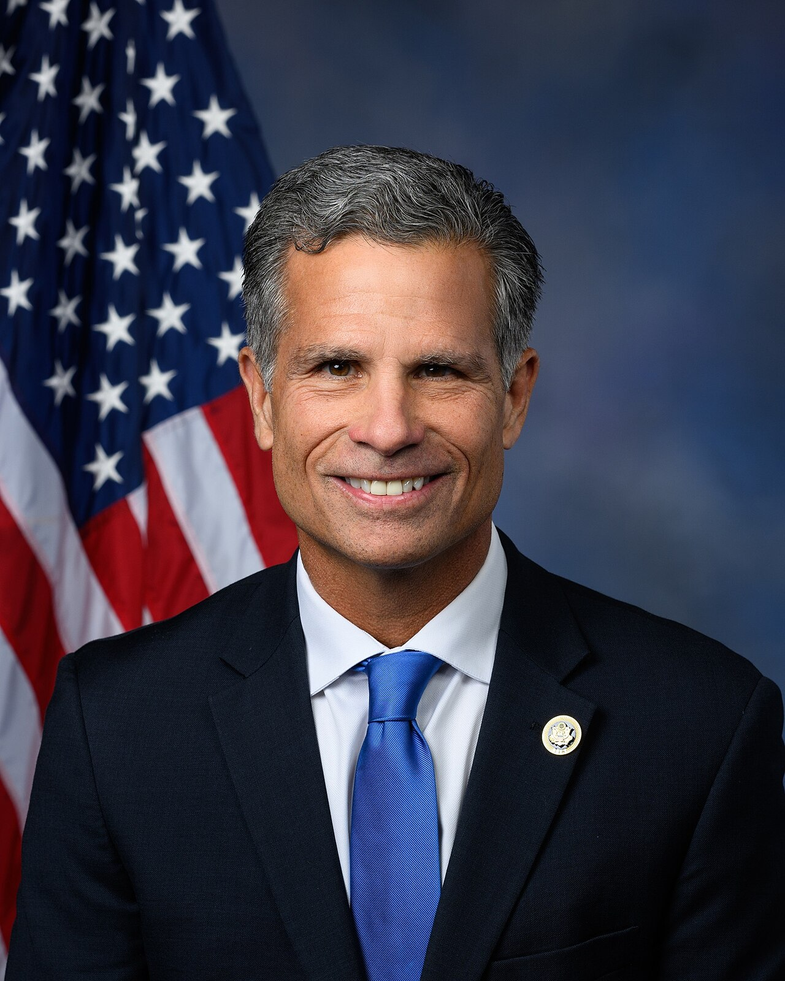
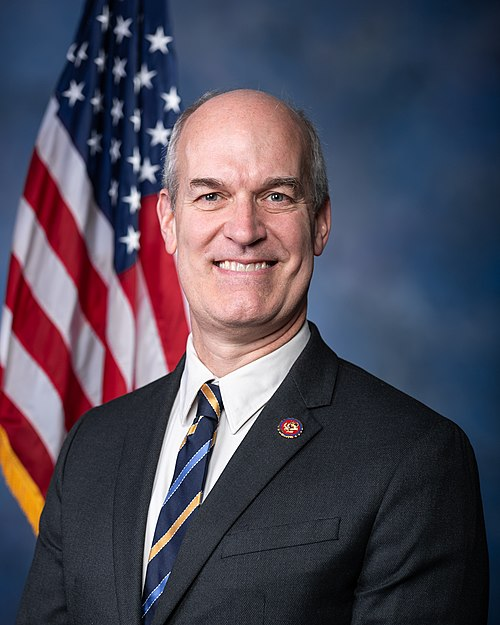
2 bill sponsors

Actions
2 actions
| Date | Action |
|---|---|
| Feb. 19, 2025 | Introduced in Senate |
| Feb. 19, 2025 | Read twice and referred to the Committee on Commerce, Science, and Transportation. |
Corporate Lobbying
0 companies lobbying
None found.
* Note that there can be significant delays in lobbying disclosures, and our data may be incomplete.