S. 5304: Fairness for Farm Workers Act
The Fairness for Farm Workers Act would change federal wage-and-hour rules for agricultural workers. In simple terms, it would give farm workers stronger labor protections by phasing in overtime pay and removing several existing exemptions from the Fair Labor Standards Act.
Overtime pay for farm workers
Right now, many agricultural workers are not covered by the same overtime rules as other workers. This bill would require employers to pay farm workers time-and-a-half for hours worked beyond a weekly threshold.
- Starting January 1, 2027, overtime would apply after 55 hours in a workweek.
- Starting January 1, 2028, overtime would apply after 50 hours.
- Starting January 1, 2029, overtime would apply after 45 hours.
- Starting January 1, 2030, overtime would apply after 40 hours.
For employers with 25 or fewer employees, this phase-in would happen later, beginning in 2030 and reaching the 40-hour threshold in 2033.
Removing some exemptions from labor law
The bill would also narrow or eliminate several exemptions that currently limit how federal wage laws apply to agricultural work. Among other changes, it would:
- Limit a family-based exemption so it applies only when the worker is the employer’s parent, spouse, child, or other immediate family member.
- Repeal several specific exemptions in the Fair Labor Standards Act that currently exclude certain types of agricultural employment from wage-and-hour protections.
- Remove some additional subsections that relate to agricultural labor exemptions.
Changes to small-farm and related worker rules
The bill would revise how certain federal laws define which agricultural employers and workers qualify for special treatment. It updates references tied to the “500 man-days” threshold, which is a measure used to determine whether some labor-law exemptions apply.
It would also make a conforming change to the Migrant and Seasonal Agricultural Worker Protection Act so its coverage lines up with the new agricultural labor rules.
When the changes would take effect
Different parts of the bill would start on different dates, with some provisions taking effect in 2027, 2030, or 2033, depending on the size of the employer and the specific change involved.
Relevant Companies
None found
This is an AI-generated summary of the bill text. There may be mistakes.
Sponsors
14 bill sponsors
-
TrackAlex Padilla
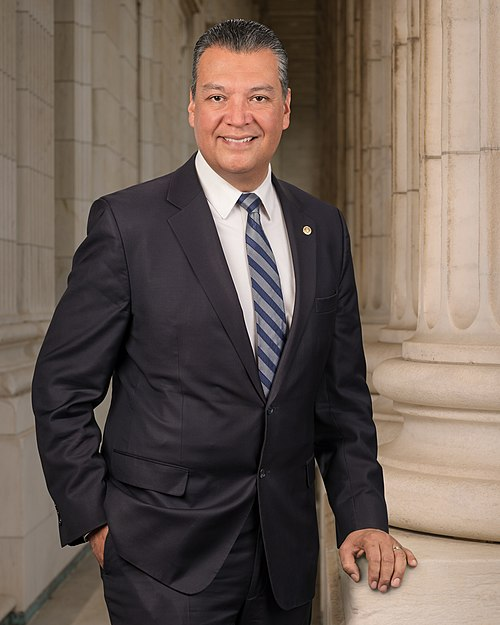
Sponsor
-
TrackAngela Alsobrooks
Co-Sponsor
-
TrackRichard Blumenthal
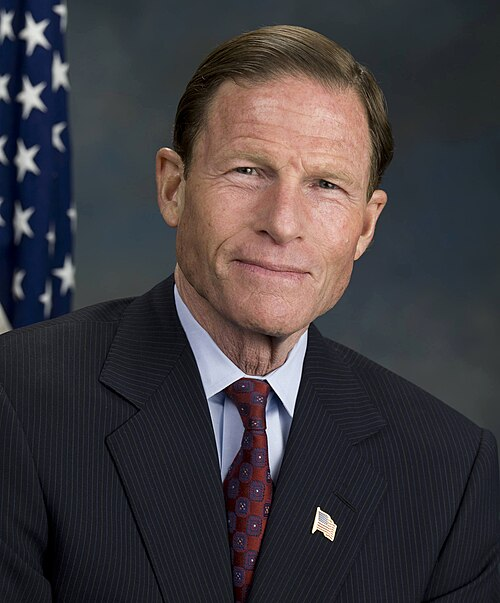
Co-Sponsor
-
TrackCory A. Booker
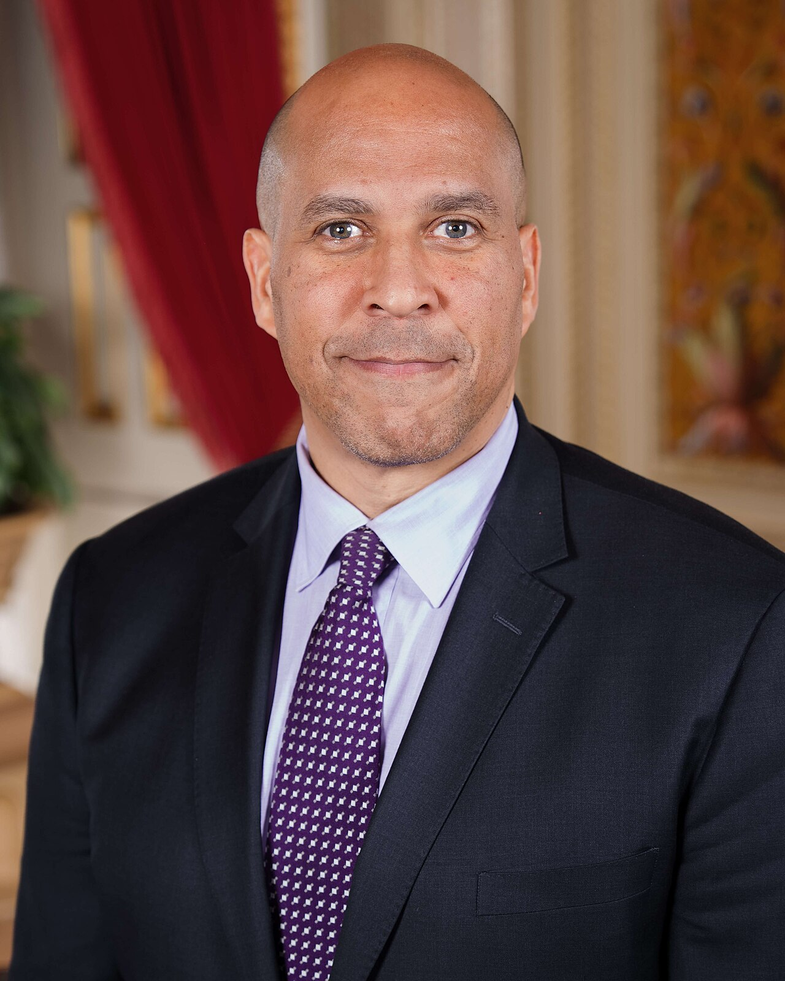
Co-Sponsor
-
TrackCatherine Cortez Masto
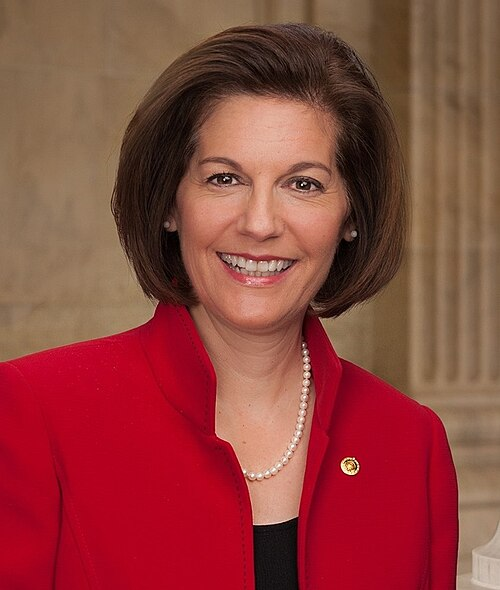
Co-Sponsor
-
TrackRuben Gallego

Co-Sponsor
-
TrackBen Ray Lujan

Co-Sponsor
-
TrackEdward J. Markey

Co-Sponsor
-
TrackJacky Rosen

Co-Sponsor
-
TrackBernard Sanders

Co-Sponsor
-
TrackAdam B. Schiff

Co-Sponsor
-
TrackChris Van Hollen

Co-Sponsor
-
TrackElizabeth Warren
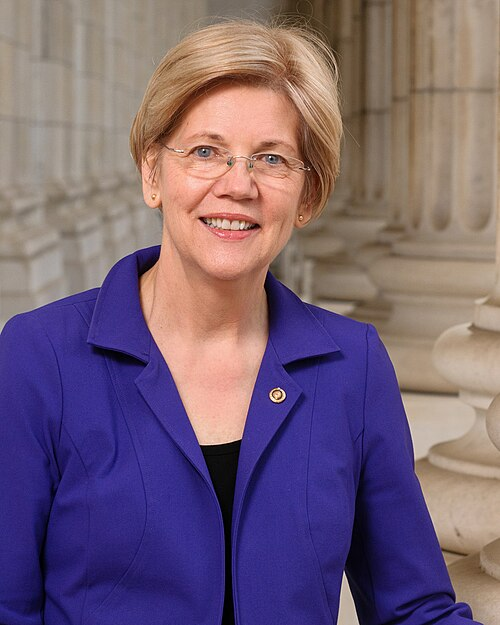
Co-Sponsor
-
TrackRon Wyden

Co-Sponsor
Actions
2 actions
| Date | Action |
|---|---|
| Aug. 06, 2026 | Introduced in Senate |
| Aug. 06, 2026 | Read twice and referred to the Committee on Health, Education, Labor, and Pensions. (Sponsor introductory remarks on measure: CR S4519-4520) |
Corporate Lobbying
0 companies lobbying
None found.
* Note that there can be significant delays in lobbying disclosures, and our data may be incomplete.
Potentially Relevant Congressional Stock Trades
No relevant congressional stock trades found.