S. 5289: Right to Worship Act
This bill would make it a federal civil offense to interfere with people attending a religious service near a house of worship during a limited time window around that service.
What conduct would be prohibited
It would be unlawful for a person to engage in conduct, within 100 feet of any pedestrian or vehicle entrance to a house of worship, that:
knowingly disrupts a scheduled religious service; or
knowingly prevents or discourages people from entering a house of worship or participating in a scheduled religious service by threat, intimidation, or unreasonable interference.
This would apply only if the conduct has a substantial effect on interstate commerce, which is a legal test Congress often uses in federal laws.
When the rule would apply
The law would cover the period starting one hour before a scheduled religious service begins and ending one hour after it ends. A service could count as “scheduled” if:
it is already underway or about to begin or end;
the time has been communicated to the person by law enforcement, the house of worship, or through a prior legal or administrative proceeding; or
it follows a regular schedule that the person knows about.
The bill also says a house of worship would not be required to publish its service schedule publicly.
How “disruption” would be judged
The bill says whether conduct counts as a disruption would be based on how it is carried out, such as its volume, duration, spread, frequency, and effect, rather than the content or viewpoint of the speech itself.
What would still be allowed
The bill states that it should not be read to stop people from speaking freely, as long as they follow the law’s time, place, and manner limits. It also says it should not be read to stop participation in activities that already have a federal, state, or local permit.
Penalties and enforcement
The Attorney General would be able to impose civil fines of:
$2,500 for a first offense;
$5,000 for a second offense; and
$10,000 for a third or later offense, per incident.
The bill would also create a private right of action, meaning someone harmed by a violation could sue in federal court. Courts could award injunctive relief, damages, and legal fees. Instead of actual damages, a plaintiff could choose statutory damages of $5,000 per violation.
The U.S. Attorney General could also sue if there is reasonable cause to believe someone has been, is being, or may be harmed by a violation. State attorneys general could bring similar cases on behalf of residents of their states.
Relevant Companies
None found
This is an AI-generated summary of the bill text. There may be mistakes.
Sponsors
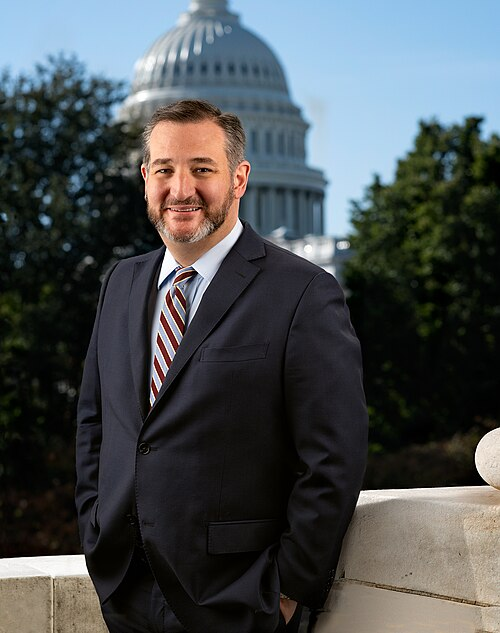
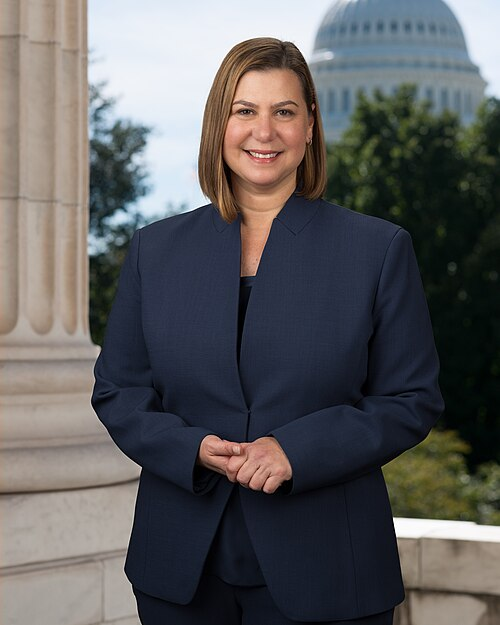
2 bill sponsors
Actions
2 actions
| Date | Action |
|---|---|
| Aug. 06, 2026 | Introduced in Senate |
| Aug. 06, 2026 | Read twice and referred to the Committee on the Judiciary. |
Corporate Lobbying
0 companies lobbying
None found.
* Note that there can be significant delays in lobbying disclosures, and our data may be incomplete.
Potentially Relevant Congressional Stock Trades
No relevant congressional stock trades found.