S. 5273: Fisheries Science Modernization Act of 2026
This bill would direct federal fisheries managers to use environmental DNA (called eDNA) more often in scientific work that helps estimate fish populations and monitor ocean and freshwater ecosystems. eDNA is genetic material that fish and other organisms leave behind in water, air, or sediment, which can be collected and tested without catching the animals themselves.
What the bill does overall
The bill’s main purpose is to modernize how the federal government studies fish stocks by adding eDNA to existing survey and assessment methods. It would:
- run a pilot study to test whether eDNA can help measure how many fish are in certain fisheries;
- create a long-term plan for using eDNA in federal fisheries management;
- expand staffing, laboratory, and field capacity at NOAA to collect and analyze eDNA samples;
- set up a multi-agency coordination network to create standards and best practices for eDNA;
- encourage partnerships with states, tribes, academic institutions, fishermen, and private labs;
- amend existing fisheries law so eDNA and related methods can be used in research, surveys, stock assessments, and ecosystem monitoring when practical and supported by science.
Pilot study on eDNA in stock assessments
The bill would require NOAA’s National Marine Fisheries Service to carry out a multi-year pilot study in at least three federally managed fisheries in different regions or with different kinds of data challenges. The study would compare eDNA sampling with existing survey tools such as trawls, acoustic surveys, longlines, and optical systems.
The pilot would try to determine:
- whether eDNA can help estimate fish abundance;
- whether it can improve existing stock assessments;
- whether it can reduce costs or uncertainty;
- when and where it is reliable enough to support management decisions.
The bill also requires annual reports to Congress on the study’s progress, findings, challenges, and next steps.
Implementation plan and routine use
After the pilot study begins, NOAA would have to develop an implementation plan for using eDNA more broadly in federally managed fisheries. That plan would lay out a timeline for evaluating which fisheries are suitable, prioritize fisheries based on importance and data needs, and identify workforce, vessel, lab, and analytical needs.
The plan would also need to address:
- how validated eDNA data would be folded into stock assessment methods;
- how to support cooperative research with fishermen;
- how to align with national standards developed by the new coordination network;
- how to use eDNA for broader ecosystem monitoring, including early signs of change such as invasive species;
- safeguards for handling genetic information.
Separately, the bill would direct NOAA to incorporate routine eDNA sampling into ongoing surveys when it improves assessments or lowers costs and does not disrupt core operations. It would also require data archiving and long-term time series collection.
New federal coordination network
The bill would create a new National Aquatic Biomolecular Coordination Network, led by NOAA and co-chaired with the Office of Science and Technology Policy. The network would include representatives from several federal agencies, including the USGS, EPA, Fish and Wildlife Service, NSF, USDA, the Forest Service, the Office of Naval Research, the Smithsonian, BOEM, NIH, NASA, NIST, and others as needed.
This network would be responsible for coordinating federal eDNA activities across freshwater, estuarine, coastal, and marine environments. Its tasks would include:
- setting national standards for eDNA methods;
- standardizing sampling, lab work, reporting, and data formats;
- making eDNA results easier to compare across agencies and regions;
- creating test sites to validate methods under different conditions;
- building quality-control and training programs;
- working with states, tribes, Native Hawaiian organizations, Native Pacific Islander organizations, and regional partners;
- developing open-access data practices while protecting Tribal data sovereignty.
The network would also meet annually to gather information on non-aquatic uses of eDNA and eRNA, including terrestrial and atmospheric applications, and NOAA would send yearly performance reports to the Office of Science and Technology Policy.
Workforce, labs, and private-sector involvement
The bill would expand NOAA’s workforce and field capacity for eDNA work by training survey technicians, strengthening lab and analytical expertise, and increasing cooperation with fishermen and other partners. It would encourage NOAA to work with accredited private labs and service providers for sample processing and analysis when that is practical and cost-effective.
It would also support:
- training and fellowships through Sea Grant and academic institutions;
- partnerships with private-sector labs, equipment makers, bioinformatics firms, and technology developers;
- development and testing of automated or AI-enabled sampling tools;
- greater in-house NOAA lab capacity for basic processing, benchmarking, and quality control.
Change to existing fisheries law
The bill would amend the Magnuson-Stevens Fishery Conservation and Management Act to say that, where practicable, NOAA should incorporate eDNA and other environmental nucleic acid methods into fisheries research, surveys, stock assessments, and ecosystem monitoring, based on the best available science and guided by the implementation plan and national standards.
Other provisions
It would also say that collecting water, air, or sediment samples solely for eDNA analysis is not considered a “taking” under the Endangered Species Act or the Marine Mammal Protection Act. In practical terms, this is meant to clarify that taking environmental samples for DNA testing alone would not itself be treated as harming or capturing protected species under those laws.
Relevant Companies
None found
This is an AI-generated summary of the bill text. There may be mistakes.
Sponsors
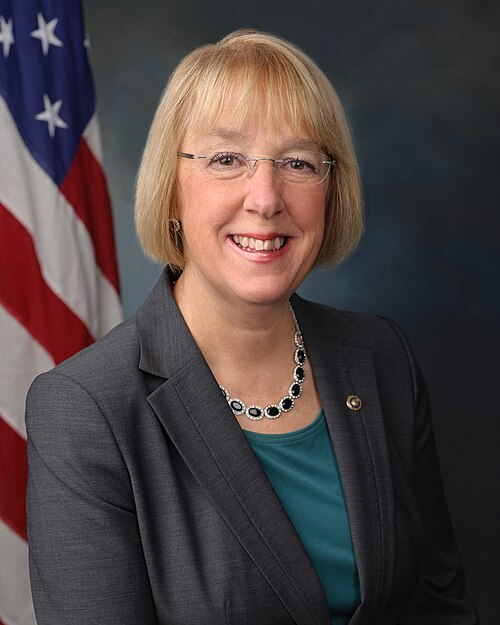
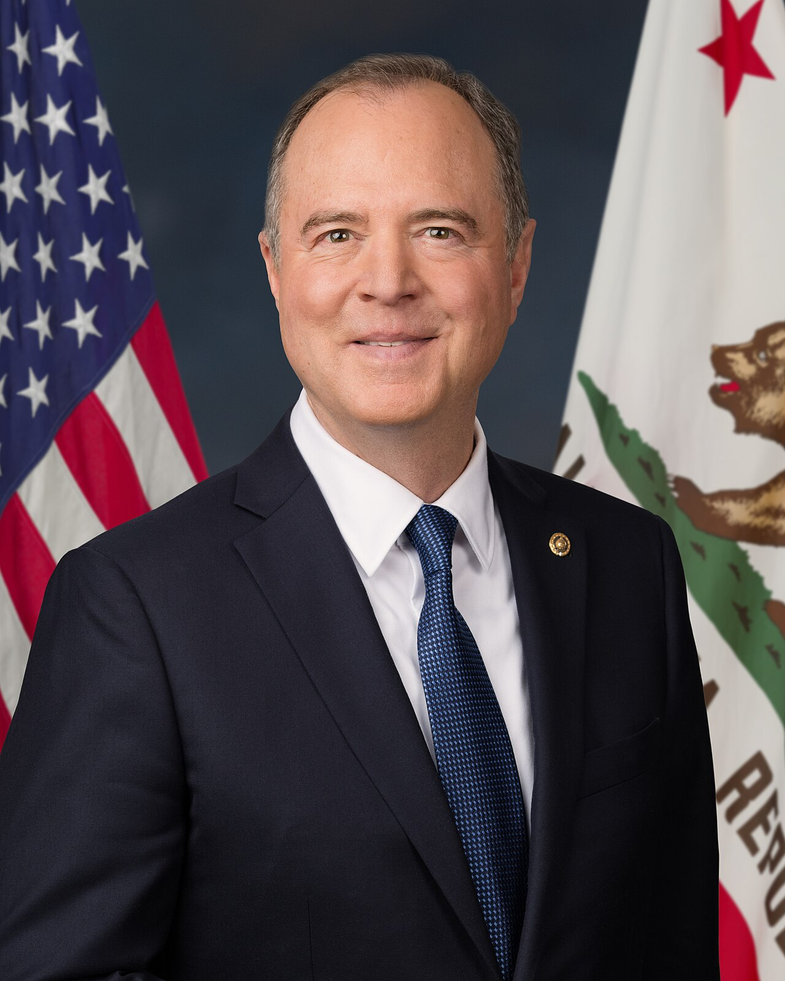
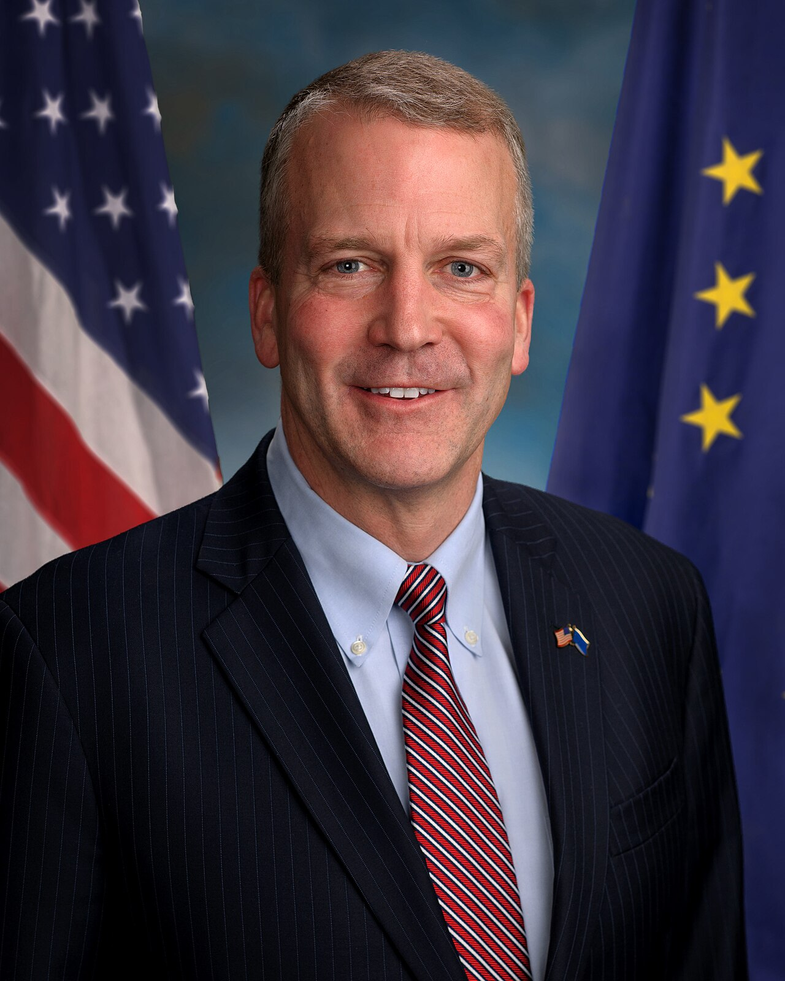
8 bill sponsors





Actions
2 actions
| Date | Action |
|---|---|
| Aug. 06, 2026 | Introduced in Senate |
| Aug. 06, 2026 | Read twice and referred to the Committee on Commerce, Science, and Transportation. |
Corporate Lobbying
0 companies lobbying
None found.
* Note that there can be significant delays in lobbying disclosures, and our data may be incomplete.
Potentially Relevant Congressional Stock Trades
No relevant congressional stock trades found.