S. 5257: Enhancing North Korea Humanitarian Assistance Act of 2026
This bill would try to make it easier and faster for humanitarian aid to reach people in North Korea, especially medical and other life-saving assistance.
What it would change
Directs Treasury to loosen some North Korea sanctions procedures for aid work. Within 90 days, the Treasury Department would have to change its North Korea sanctions rules to remove pre-activity reporting requirements for humanitarian assistance and instead use post-activity reporting. In plain terms, groups would not need to wait for approval or file certain reports before acting; they would report afterward.
Changes how computers and related equipment are treated. Personal computers and related accessories used for approved humanitarian work by nongovernmental organizations would no longer be treated as “luxury goods” under the sanctions rules. The bill also directs the Commerce Department to change export rules so that these items do not require an export license just because they are being used for authorized aid work.
Requires clearer guidance for banks, shippers, and others. Treasury would have to publish plain-language guidance explaining when the humanitarian exception applies and what best practices are for staying within it.
Requires regular reporting to Congress. Treasury would have to report on humanitarian license requests and comfort letters that are denied or delayed, and explain why. The reports would also describe efforts to make the approval process faster and easier.
What it would ask the U.S. to do internationally
The Secretary of State would have to tell the U.S. representative to the United Nations to push for changes at the UN’s North Korea sanctions committee.
Specifically, the bill asks the U.S. to urge the UN to:
make humanitarian exemptions last one year instead of a shorter period;
remove the limit on how many exemption applications an organization can submit each year;
speed up approval of humanitarian requests, using lessons from the COVID-19 period;
make the application process less burdensome for aid groups.
The State Department would also have to report regularly on delayed or denied UN humanitarian exemption requests, foreign-government obstacles, and efforts to maintain an approved banking channel for aid-related transactions.
Travel for humanitarian missions
The State Department would have to brief Congress regularly on requests for special permission to travel to North Korea for humanitarian work, including delayed or denied requests and the reasons for them.
Overall effect
The bill does not end North Korea sanctions. Instead, it aims to preserve sanctions while making humanitarian exceptions easier to use, faster to process, and less likely to be blocked by paperwork, licensing delays, banking hurdles, or travel restrictions.
Relevant Companies
None found
This is an AI-generated summary of the bill text. There may be mistakes.
Sponsors
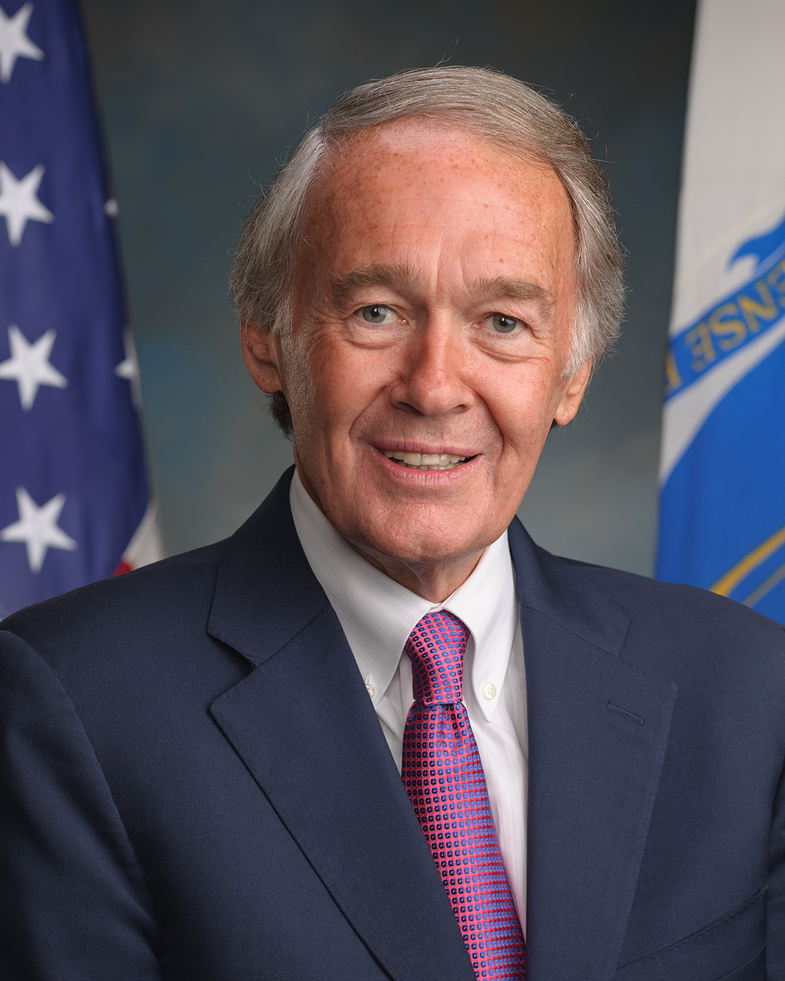
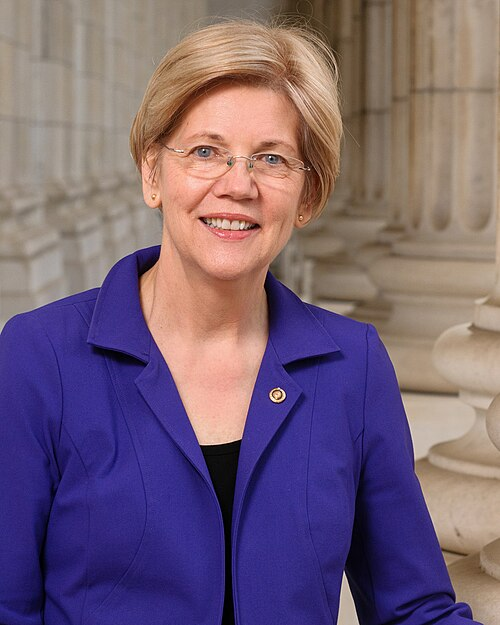
2 bill sponsors
Actions
2 actions
| Date | Action |
|---|---|
| Aug. 05, 2026 | Introduced in Senate |
| Aug. 05, 2026 | Read twice and referred to the Committee on Banking, Housing, and Urban Affairs. |
Corporate Lobbying
0 companies lobbying
None found.
* Note that there can be significant delays in lobbying disclosures, and our data may be incomplete.
Potentially Relevant Congressional Stock Trades
No relevant congressional stock trades found.