S. 5252: Blocking Large-scale Adversarial Distillation Efforts Act of 2026
This bill would create a federal response aimed at preventing foreign adversaries from stealing or copying the technical know-how behind U.S.-owned, closed-source artificial intelligence models.
What counts as a covered AI model
The bill focuses on closed-source AI models owned by U.S. persons. In plain terms, these are AI systems whose internal details, such as model weights or architecture, are kept proprietary and are not publicly shared. The bill treats normal access through an API or similar owner-controlled interface as covered, as long as third parties are not allowed to download, host, or recreate the model without permission.
What the bill is trying to stop
The bill defines a model extraction attack as unauthorized efforts to use a closed-source model’s outputs or interactions to reproduce, train, improve, or develop another AI model, especially when someone bypasses access controls, uses fake or unauthorized accounts, or violates restrictions that forbid using the model to copy its capabilities.
It also targets fraudulent account network providers, meaning foreign entities that knowingly help people in certain countries access these models in ways that would otherwise be blocked by the model owner’s location restrictions.
Countries and people of concern
The bill primarily focuses on China, Russia, and any other foreign country later designated by the Commerce Department as a “country of concern.” A person of concern is generally a foreign person based in or controlled from one of those countries, or someone found to be carrying out a model extraction attack.
What the Commerce Department would have to do
Within 180 days, the Commerce Department, working with other export-policy agencies, would have to study:
- which foreign persons may have carried out or are carrying out model extraction attacks;
- which entities may be helping them through fraudulent account networks;
- where such activity appears to be coming from;
- what methods are being used;
- how many attempted attacks happened in the prior two years;
- how successful attacks may affect the economy and national security; and
- how the U.S. government can help model owners detect and respond to these attacks.
The department would consult voluntarily with AI model owners, academics, and industry groups. It would then send Congress a report within 210 days, followed by annual updates for three years.
Public lists and guidance
The bill would require Commerce to:
- maintain a public AI Model Extraction Attackers List naming identified persons of concern who conducted or directed such attacks in the past year;
- publish public best-practices guidance on detecting, preventing, and responding to model extraction attacks; and
- create an information-sharing mechanism so AI companies can confidentially report attacks and suspicious account networks.
The bill says confidential company information may not be disclosed without permission.
Penalties and sanctions
The bill would direct the government to use existing export-control and sanctions tools against identified offenders. In particular:
- certain entities and their subsidiaries could be added to the Commerce Department’s Entity List;
- the President would be required to block property and financial transactions involving identified persons of concern, subject to existing legal authorities;
- there are exceptions for humanitarian trade and for authorized intelligence, law-enforcement, and national-security activities; and
- the President could waive these measures if doing so is certified to be in the national interest and reported to Congress.
Effect on legitimate research
The bill says that authorized use of a model in line with its terms of service, contracts, or express permission from the owner is not considered a model extraction attack. It also says ordinary research practices that comply with the owner’s rules are distinct from the prohibited conduct.
Relevant Companies
- None found
This is an AI-generated summary of the bill text. There may be mistakes.
Sponsors
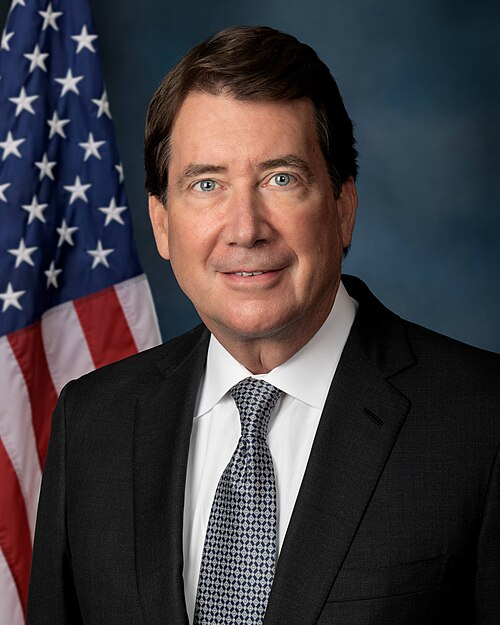
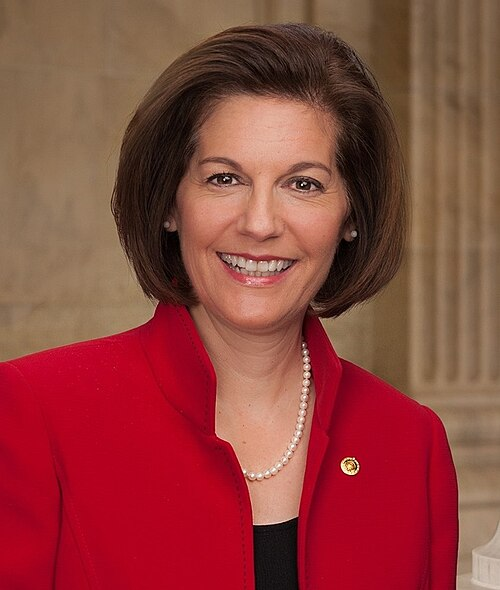
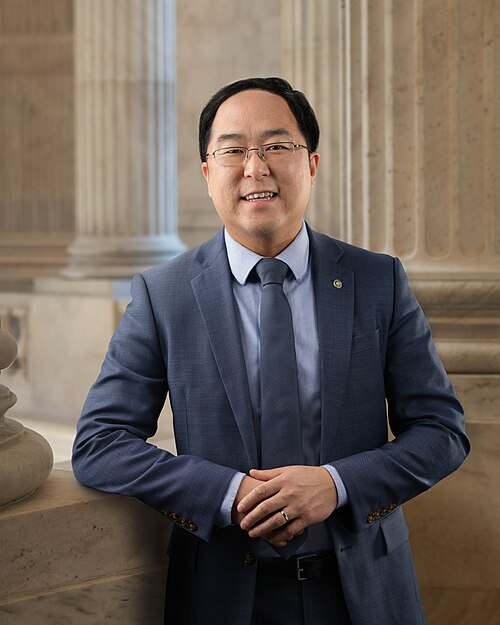
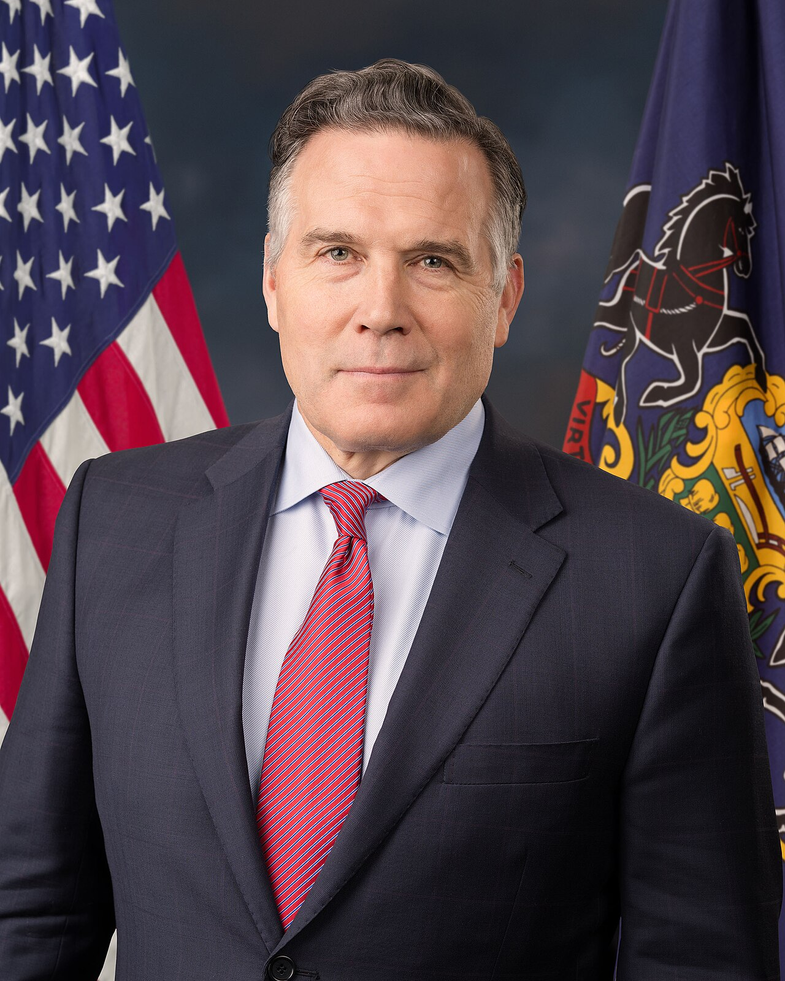
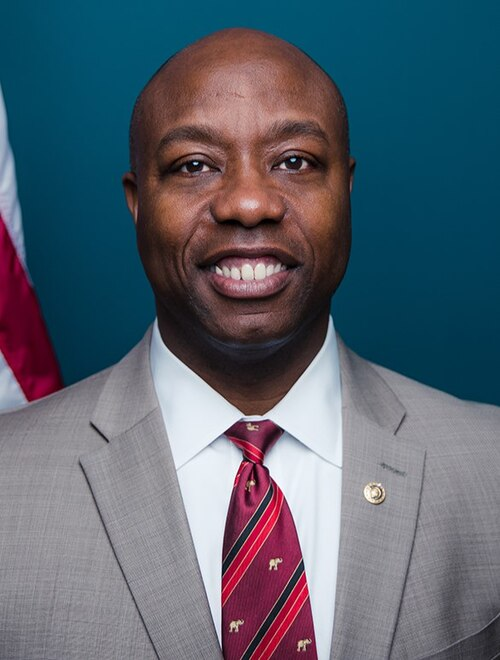
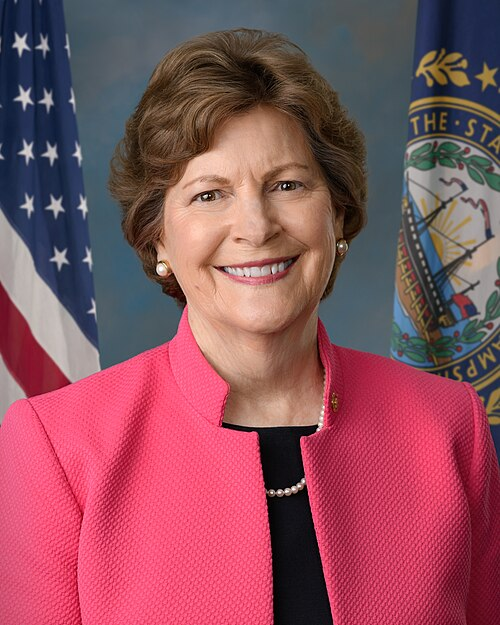
6 bill sponsors
Actions
2 actions
| Date | Action |
|---|---|
| Aug. 05, 2026 | Introduced in Senate |
| Aug. 05, 2026 | Read twice and referred to the Committee on Banking, Housing, and Urban Affairs. |
Corporate Lobbying
0 companies lobbying
None found.
* Note that there can be significant delays in lobbying disclosures, and our data may be incomplete.
Potentially Relevant Congressional Stock Trades
No relevant congressional stock trades found.