S. 5221: Stop Corrupt Trading Act
This bill would create a new federal crime for misusing nonpublic information obtained through the office of the President or Vice President for financial gain.
What counts as covered information and people
The bill focuses on two officials: the President and Vice President. It defines nonpublic information broadly to include information they learn through their official position that is not available to the general public, including information that is confidential, exempt from public disclosure, or not authorized to be released publicly. It also covers certain statements or communications made available only through special access, such as via an API or other means that are not available to the public on equal terms.
The bill also defines covered entities as companies or other entities that the President or Vice President, or their immediate family, controls, or in which they have at least a 5% financial interest.
What conduct would be prohibited
The bill would make it illegal for the President, Vice President, or any covered entity to sell or exchange nonpublic information for financial benefit. It would also make it illegal for any person to acquire, purchase, sell, or exchange such nonpublic information for financial benefit.
Penalties and enforcement
Violations could lead to both criminal and civil consequences:
- Criminal penalties: For the covered officials or entities, a fine of up to twice the value of the transaction, or up to 5 years in prison, or both.
- For other people: A fine of up to twice the value of the transaction.
- Forfeiture: Anyone convicted would have to forfeit property or money gained from the offense.
- Civil enforcement: The Attorney General could sue to recover profits or other benefits from the conduct, impose civil penalties of up to the greater of $250,000 or three times the gain/payments involved, and seek injunctions or other equitable relief.
Other provisions
The government would have up to 6 years to bring a civil case, though that clock would be paused while the relevant person remains in office as President or Vice President. A covered entity, and anyone who knowingly provides something of value in one of these transactions, could be held jointly responsible for the remedies. The Director of the Office of Government Ethics would be required to refer credible evidence of violations to the Attorney General and notify the House and Senate Judiciary Committees.
Relevant Companies
None found
This is an AI-generated summary of the bill text. There may be mistakes.
Sponsors
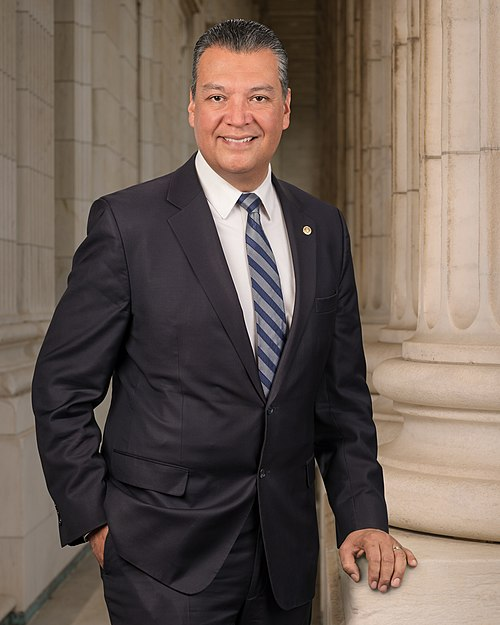
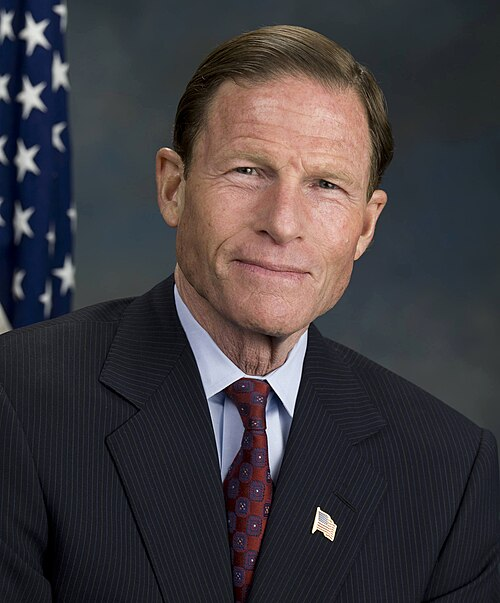
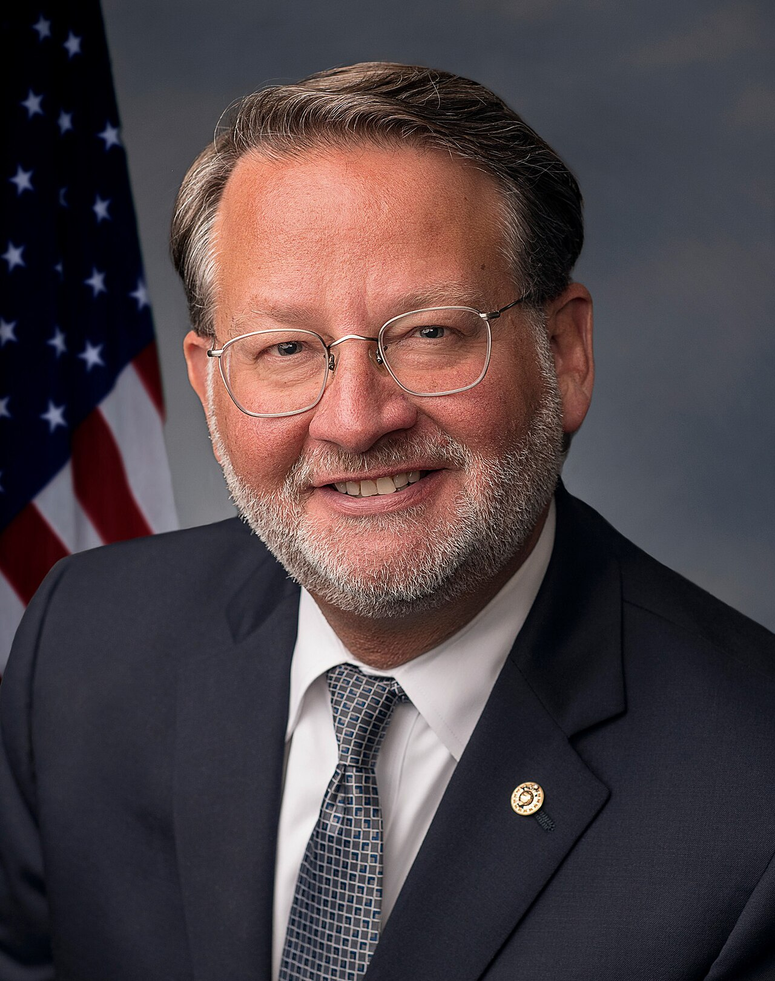
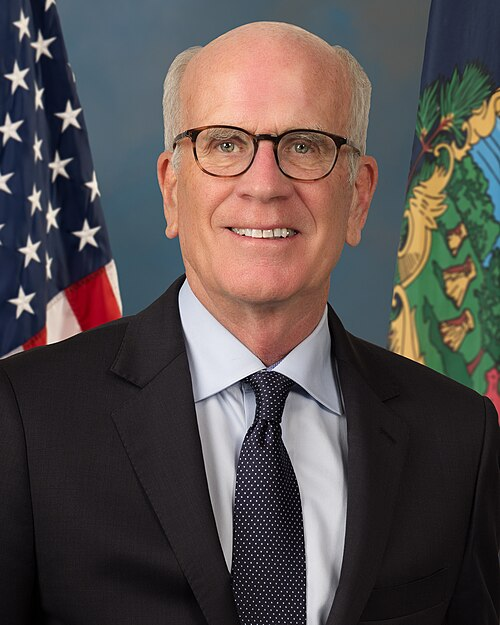
6 bill sponsors


Actions
3 actions
| Date | Action |
|---|---|
| Aug. 04, 2026 | Read the second time. Placed on Senate Legislative Calendar under General Orders. Calendar No. 536. |
| Aug. 03, 2026 | Introduced in Senate |
| Aug. 03, 2026 | Introduced in the Senate. Read the first time. Placed on Senate Legislative Calendar under Read the First Time. |
Corporate Lobbying
0 companies lobbying
None found.
* Note that there can be significant delays in lobbying disclosures, and our data may be incomplete.
Potentially Relevant Congressional Stock Trades
No relevant congressional stock trades found.