S. 5125: Eleanor Smith Inclusive Home Design Act of 2026
This bill would require certain new homes built with federal involvement to meet basic “visitability” standards for people with disabilities. In plain terms, it is aimed at making some newly built single-family houses and townhouses easier for a person using a wheelchair, walker, or other mobility aid to enter and use.
Who would be covered
The bill applies to a covered dwelling unit, which generally includes:
- Detached single-family houses
- Townhouses, modular homes, and other multi-level dwelling units
- Ground-floor units in buildings with no more than three dwelling units
But it only applies if the home is:
- Built, arranged, or commissioned by a person or entity that has received or been guaranteed federal assistance for that housing-related work, and
- Made available for first occupancy at least one year after the bill becomes law.
What the home would have to include
For covered homes, the bill would make it unlawful to fail to ensure that the unit contains at least one level meeting the ANSI standards for a “Type C (Visitable) Unit,” or any updated successor standard. In simple terms, this means the home would need to have basic features that improve accessibility and allow visitors with disabilities to enter and use part of the home more easily.
How the rule would be enforced
If someone applies for federal housing-related assistance, they would have to promise to comply with the bill. Also, plans for a covered home would have to be submitted to the relevant state or local agency that reviews building plans, and the applicant would have to disclose that federal assistance is involved.
The bill also says the federal government could withhold certain housing assistance from state or local governments if their agencies are not enforcing the law through plan review and occupancy approval.
Private lawsuits and government enforcement
The bill would allow a person affected by a violation to sue in federal court within five years of the violation or until the problem is fixed, whichever is later. The Department of Justice could also sue if it has reason to believe the law was violated. If the government believes a case is important, it could join a private lawsuit.
If a court finds a violation, it could order money damages, attorney’s fees in some cases, and court orders requiring compliance. That could include retrofitting a home.
Effect on state laws
The bill would not stop states or local governments from having stronger accessibility rules. But if a state or local rule conflicts with this bill by allowing something the bill forbids, that conflicting rule would not apply.
Relevant Companies
None found
This is an AI-generated summary of the bill text. There may be mistakes.
Sponsors
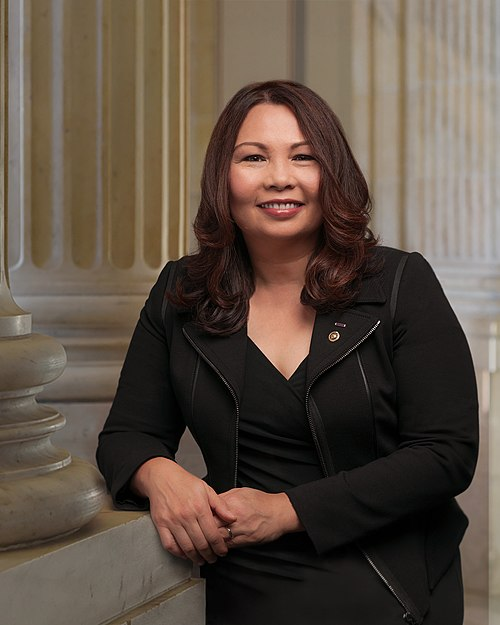
1 sponsor
Actions
2 actions
| Date | Action |
|---|---|
| Jul. 23, 2026 | Introduced in Senate |
| Jul. 23, 2026 | Read twice and referred to the Committee on Banking, Housing, and Urban Affairs. |
Corporate Lobbying
0 companies lobbying
None found.
* Note that there can be significant delays in lobbying disclosures, and our data may be incomplete.
Potentially Relevant Congressional Stock Trades
No relevant congressional stock trades found.