
S. 5045: Wildfire Emissions Prevention Act of 2026
This bill would change how the federal government treats air-quality data when smoke from prescribed fires is involved, and it would create a grant program to help communities deal with wildfire smoke.
Changes to air-quality monitoring rules
The bill would amend the Clean Air Act’s rules for exceptional events—events that can affect air-quality readings but are not considered normal pollution sources. It would add prescribed fires to that category. Prescribed fires are deliberately set, controlled burns used to reduce fuel for wildfires and meet land-management goals. The bill also says cultural burning activities, as determined by an Indian tribe, count as prescribed fires.
Under the bill, the EPA would be required to revise its regulations within set deadlines:
- Within 270 days of enactment, the EPA Administrator would have to propose rule changes, after consulting with federal land managers, state air agencies, state foresters, state fish and wildlife agencies, and Indian tribes.
- Within 180 days after those proposed rules are published, the EPA would have to finalize them after allowing public comment and oral presentations.
The rule revisions would be aimed at:
- reducing the burden and cost for states to prove that an event was exceptional;
- clarifying when prescribed fires qualify as exceptional events; and
- setting procedures for reviewing state petitions.
What states would be able to show
The bill would adjust how states can ask the EPA to disregard certain pollution readings. It would make it easier for states to argue that prescribed-fire smoke should not count against air-quality compliance in some situations. It also says the EPA should consider the idea that prescribed fire can help reduce the size and frequency of wildfires.
For some petitions, if the EPA does not act within one year, the petition would be treated as approved unless the EPA later determines the event was not actually exceptional.
The bill would also require the EPA, when asked by multiple state, local, or tribal governments, to help develop regional, national, or international exceptional-event demonstrations when one event affects multiple areas.
At the same time, the bill includes a savings provision saying it does not turn emissions from stationary sources into exceptional events if they were not already treated that way under existing law before enactment.
Smoke Ready Communities Program
The bill would create a voluntary EPA grant program called the Smoke Ready Communities Program. Subject to available funding, the EPA could award competitive grants for projects that assess, prevent, control, or reduce wildfire smoke hazards in community buildings, including schools.
Eligible grant recipients would include:
- states;
- federally recognized Indian tribes; and
- other entities already eligible for certain Clean Air Act grants.
The federal share of a grant-funded project would generally be capped at 90% of the cost, though the EPA could waive that cost-share requirement for facilities in economically distressed communities.
No more than 25% of the grant money available each year could go to recipients in any one state.
Relevant Companies
None found
This is an AI-generated summary of the bill text. There may be mistakes.
Sponsors
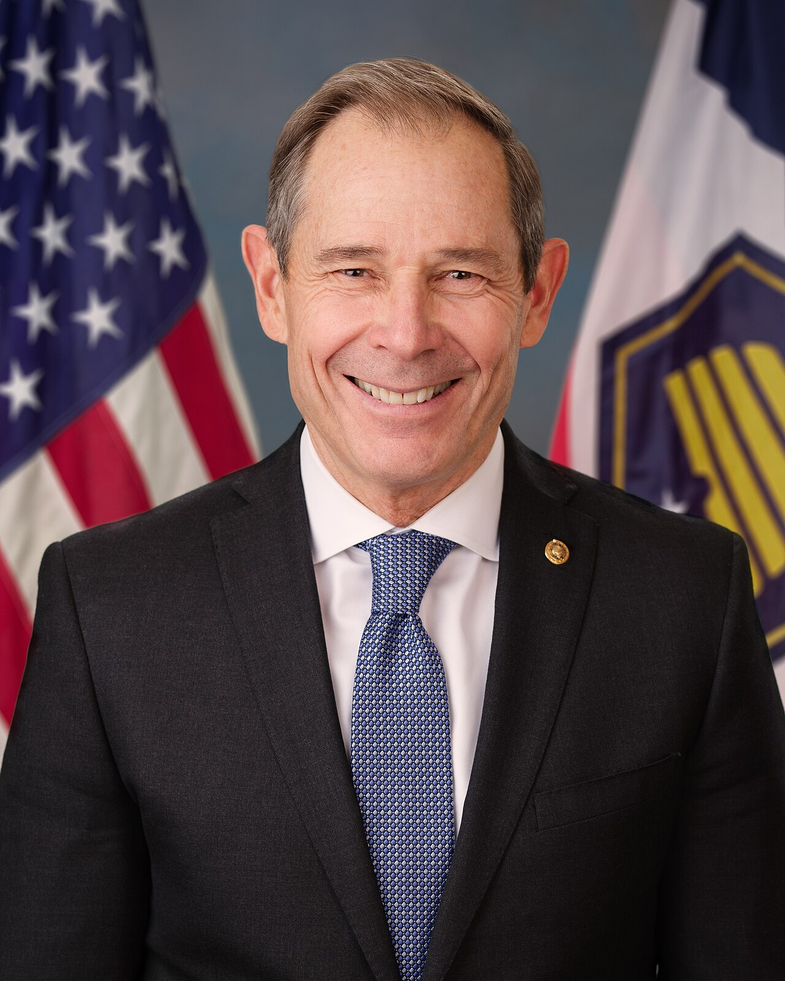
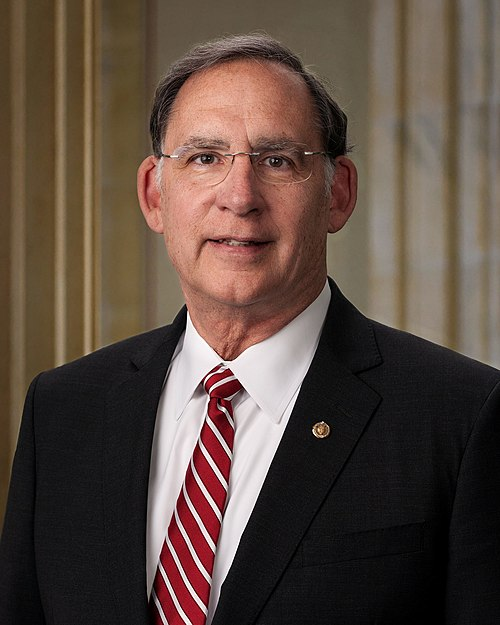
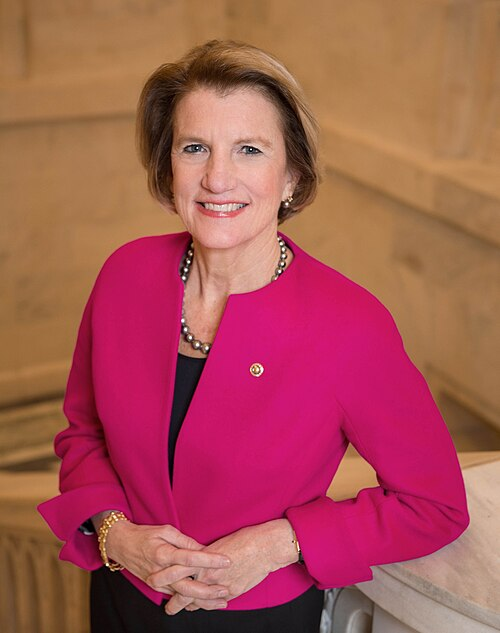
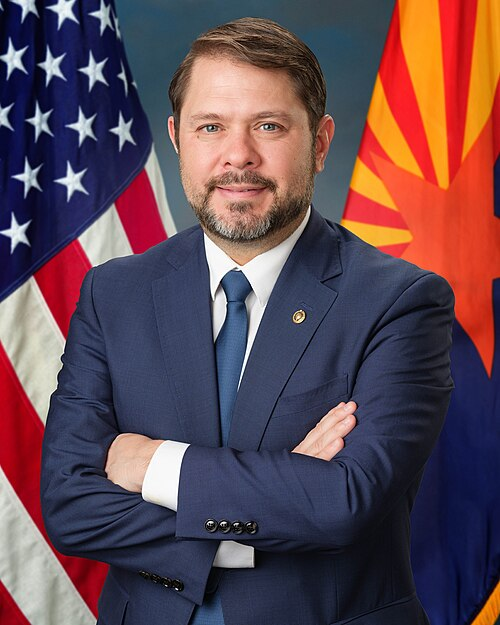
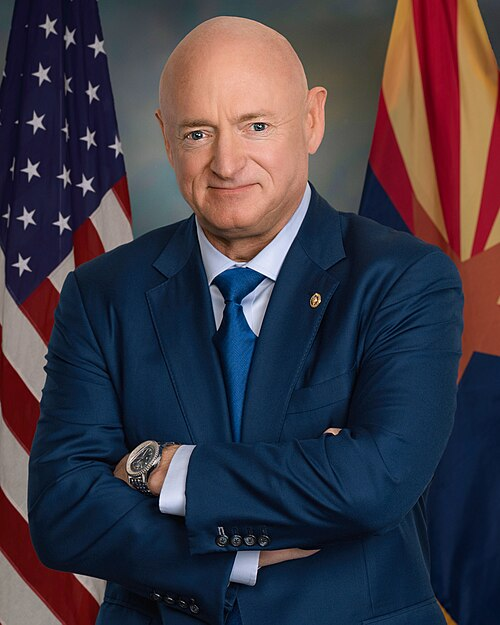
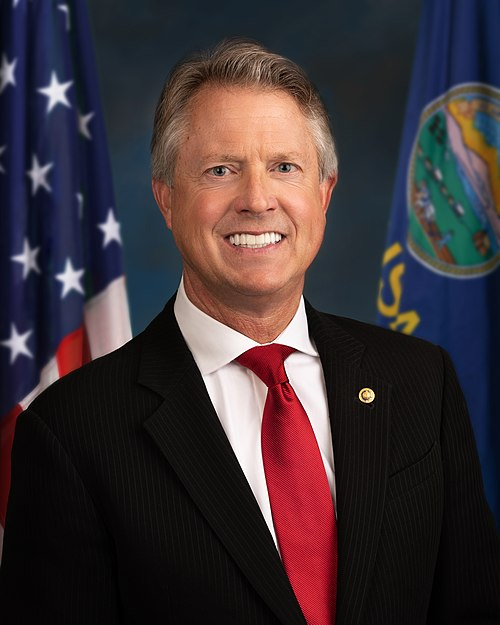
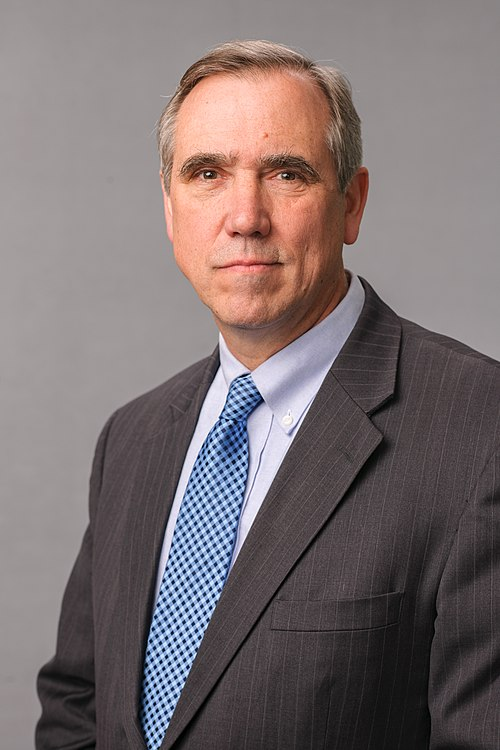
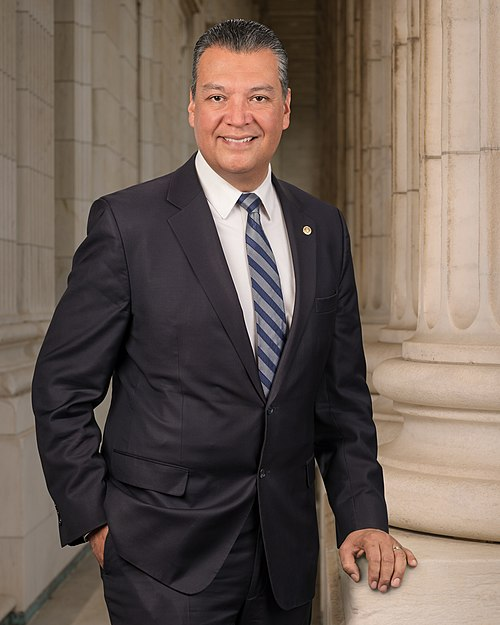
8 bill sponsors
Actions
10 actions
| Date | Action |
|---|---|
| Oct. 05, 2026 | Held at the desk. |
| Oct. 05, 2026 | Message on Senate action sent to the House. |
| Oct. 05, 2026 | Received in the House. |
| Sep. 29, 2026 | Passed/agreed to in Senate: Passed Senate without amendment by Unanimous Consent. (consideration: CR S5148-5150; text: CR S5149-5150) |
| Sep. 29, 2026 | Passed Senate without amendment by Unanimous Consent. (consideration: CR S5148-5150; text: CR S5149-5150) |
| Sep. 16, 2026 | Committee on Environment and Public Works. Ordered to be reported without amendment favorably. |
| Sep. 16, 2026 | Committee on Environment and Public Works. Reported by Senator Capito without amendment. Without written report. |
| Sep. 16, 2026 | Placed on Senate Legislative Calendar under General Orders. Calendar No. 620. |
| Jul. 21, 2026 | Introduced in Senate |
| Jul. 21, 2026 | Read twice and referred to the Committee on Environment and Public Works. |
Corporate Lobbying
0 companies lobbying
None found.
* Note that there can be significant delays in lobbying disclosures, and our data may be incomplete.
Potentially Relevant Congressional Stock Trades
No relevant congressional stock trades found.