S. 5036: Judicial Integrity Act
This bill would extend federal conflict-of-interest rules to the judicial branch, including federal judges and Supreme Court justices.
What it changes
- Current law already bars many federal officers and employees from taking part in official matters that would affect their own personal financial interests.
- The bill would make clear that this rule also applies to people in the judicial branch, including judges and Supreme Court justices.
- In practical terms, that means judges would be prohibited from participating in official actions in cases or matters where they have a personal financial stake.
How exemptions would work
- The bill also changes the law so that certain financial interests could be exempted if the Judicial Conference of the United States issues a regulation.
- Any exemption would have to apply to all judicial branch officers and employees, including federal judges and Supreme Court justices.
- The regulation would need to go through public notice and comment.
- The exemption could only cover financial interests that are considered too remote or too minor to threaten the integrity of the person’s official duties.
Bottom line
The bill would bring judges and Supreme Court justices under federal rules that bar officials from handling matters affecting their own financial interests, while allowing the Judicial Conference to create narrow exceptions for minor or insignificant financial interests.
Relevant Companies
None found
This is an AI-generated summary of the bill text. There may be mistakes.
Sponsors
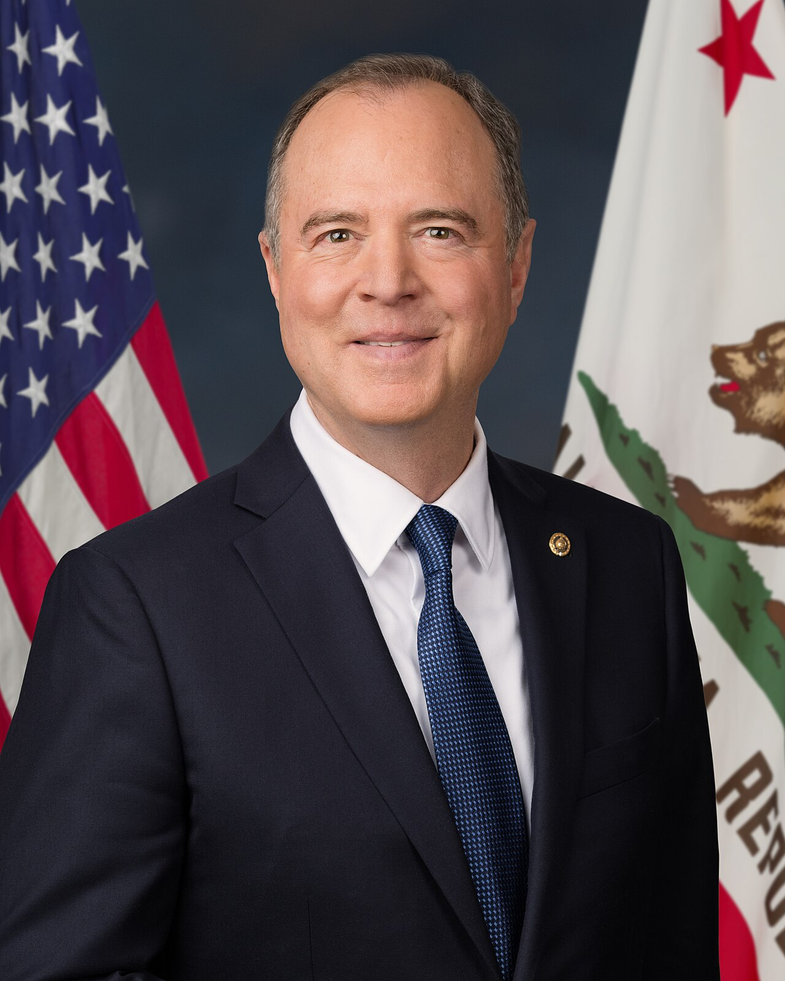
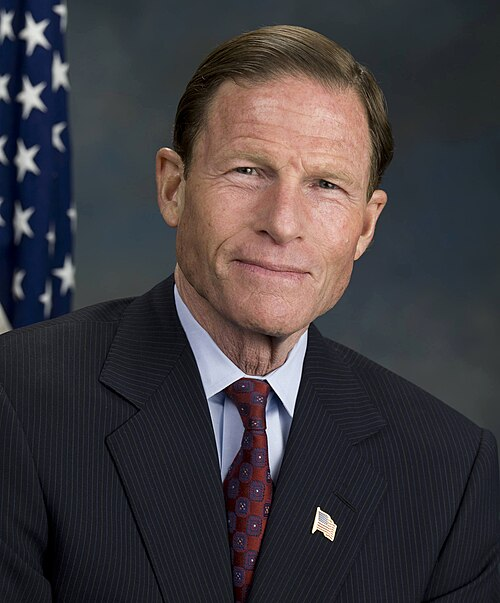
2 bill sponsors
Actions
2 actions
| Date | Action |
|---|---|
| Jul. 20, 2026 | Introduced in Senate |
| Jul. 20, 2026 | Read twice and referred to the Committee on the Judiciary. |
Corporate Lobbying
0 companies lobbying
None found.
* Note that there can be significant delays in lobbying disclosures, and our data may be incomplete.
Potentially Relevant Congressional Stock Trades
No relevant congressional stock trades found.