S. 5022: Cannabis Administration and Opportunity Act
This bill would substantially change federal law around cannabis by removing many of the current criminal and regulatory restrictions and replacing them with a new federal framework for legal cannabis businesses, products, taxes, research, and public health oversight.
Federal criminal and legal changes
The bill would decriminalize and deschedule cannabis at the federal level, meaning cannabis would no longer be treated the same way under federal drug laws. It would also retroactively vacate many federal cannabis convictions and order expungement of federal cannabis records in covered cases. In addition, it would protect state authority, so states could continue to set their own cannabis rules, and it would allow some restrictions on interstate shipment.
New federal regulatory structure
Responsibility for cannabis oversight would shift to federal agencies such as HHS, Treasury, and FDA, depending on the issue. The bill would create a permitting system for cannabis businesses and set rules for licensing, recordkeeping, packaging, labeling, bonding, and anti-fraud controls. It would also create enforcement tools, including civil penalties and rules against unlawful possession, unlicensed large-scale activity, untaxed cannabis, and misleading labeling or advertising.
Product standards, safety, and labeling
The bill would require cannabis products to meet federal standards similar in some ways to other regulated consumer products. It would set labeling and advertising rules to reduce deception, prohibit label tampering, and create recalls, registration, and product standard requirements. It also includes special rules for flavored devices, CBD and dietary supplement-related limits, and transition periods for existing products already on the market.
Taxes and trust funds
The bill would create a federal cannabis tax system and a cannabis tax/trust fund. It establishes rules for tax liability, payment, and transfers, with tax-free treatment in limited cases such as research or exports. It also includes a gradual increase in annual cannabis tax credits up to $5 million and disallows credits for imported, smuggled, or illegal cannabis, with some narrow exceptions.
Research, public health, and impaired driving
The bill would fund cannabis research, public health surveillance, youth prevention efforts, media campaigns, and programs to supply cannabis for research. It would also support NIH and other agency coordination on cannabis-related studies. Separate grant programs would be created for research on cannabis impairment and for prevention programs related to impaired driving, along with work toward a national impairment standard.
Equity, reinvestment, and licensing access
The bill would create programs to reinvest some cannabis revenue into communities affected by cannabis enforcement and to support equitable licensing. It also includes a state grant program and community reinvestment provisions intended to help fund local efforts tied to legalization and past enforcement impacts.
Business access and federal programs
The bill would expand SBA and related federal programs so they can serve legal cannabis businesses and service providers. It would also create a pilot lending program to help cannabis-related businesses access financing. In addition, it would require reporting on the demographics of the cannabis industry.
Veterans, benefits, immigration, and federal recommendations
The bill would change how federal systems treat cannabis in several ways. It would avoid enrolling certain veterans in programs if they have substance use disorder risk or cannabis-related contraindications, preserve trial data, and require implementation within 180 days plus annual reporting. It would also protect federal benefits and immigration status from being negatively affected solely because of lawful cannabis activity. The bill would allow VA and IHS cannabis recommendations in some circumstances.
Hemp-related changes and enforcement support
The bill would update hemp rules to use a “total THC equivalent” standard. It would also create small law-enforcement grant and training programs related to cannabis enforcement. Some committee meeting rules would be modified to exempt them from the Federal Advisory Committee Act while still requiring quorum, majority or consensus voting, confidentiality, and teleconference participation.
Relevant Companies
None found
This is an AI-generated summary of the bill text. There may be mistakes.
Sponsors
17 bill sponsors
-
TrackCory A. Booker
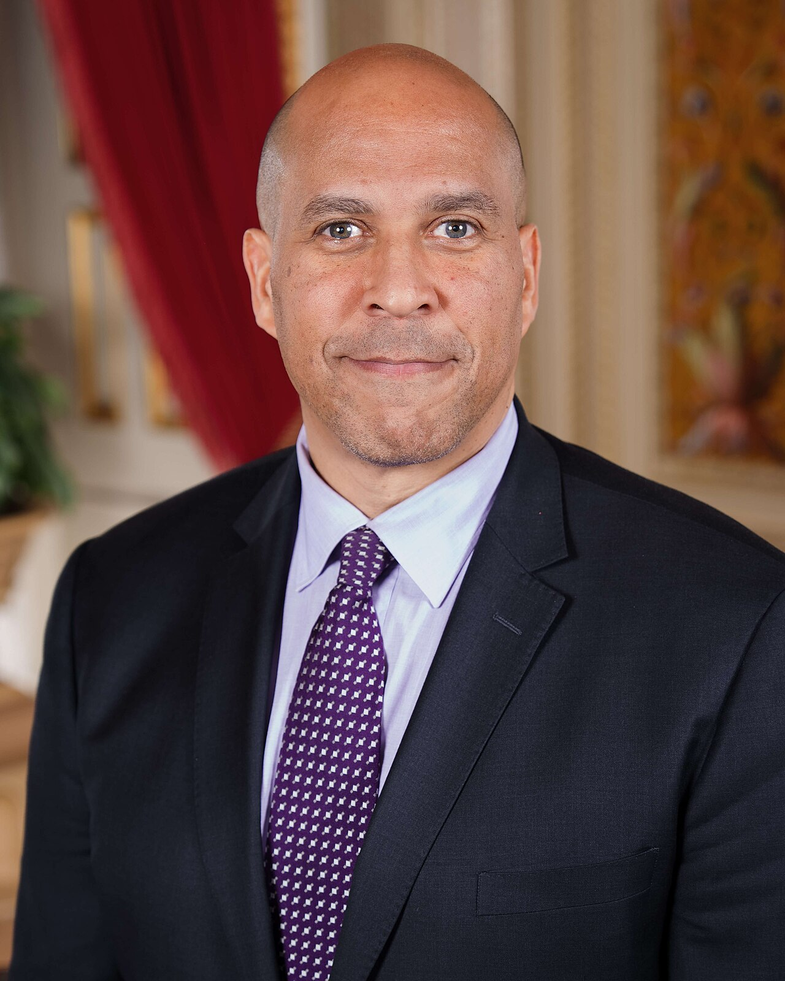
Sponsor
-
TrackMichael F. Bennet

Co-Sponsor
-
TrackJohn Fetterman
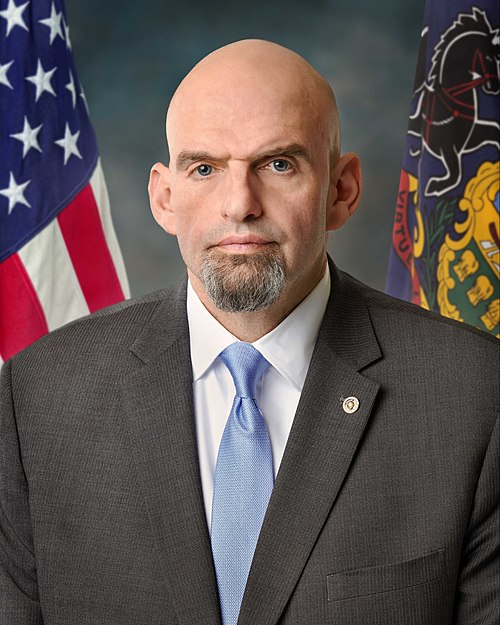
Co-Sponsor
-
TrackKirsten E. Gillibrand

Co-Sponsor
-
TrackJohn W. Hickenlooper

Co-Sponsor
-
TrackBen Ray Lujan
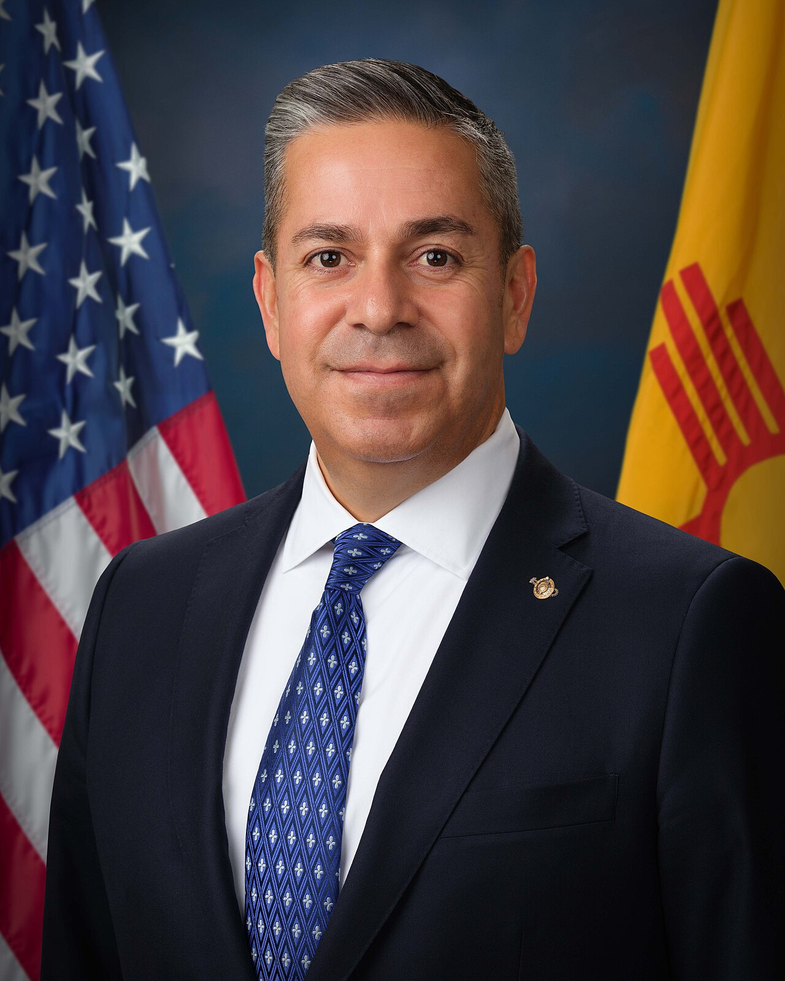
Co-Sponsor
-
TrackEdward J. Markey
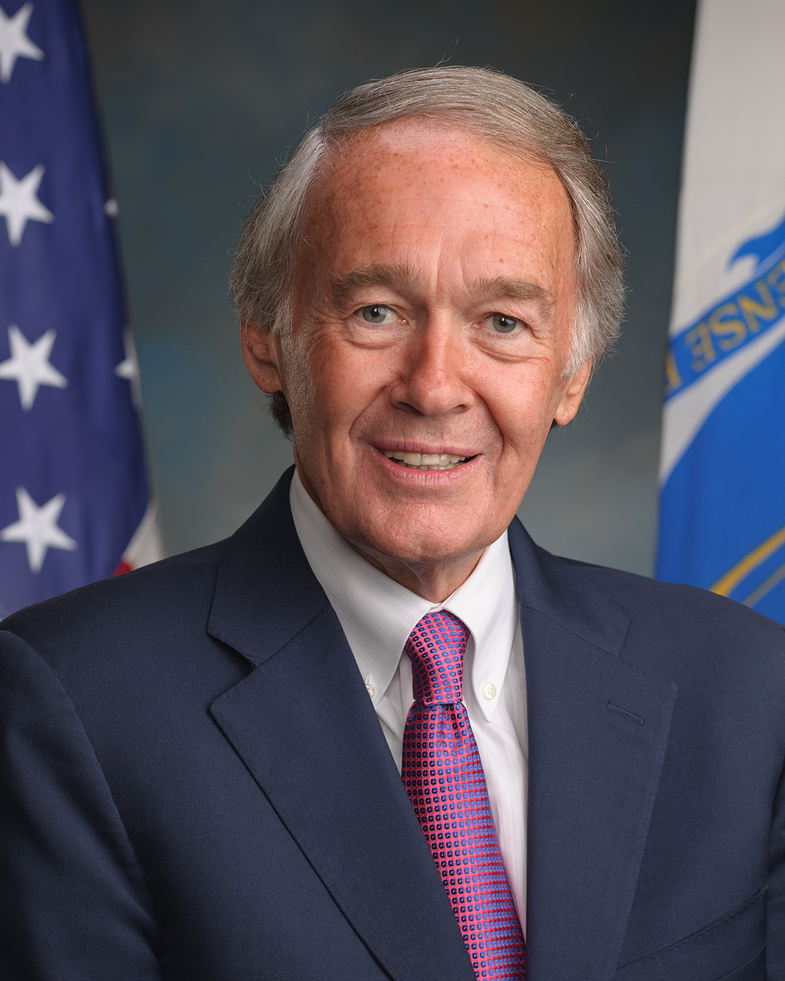
Co-Sponsor
-
TrackJeff Merkley

Co-Sponsor
-
TrackPatty Murray
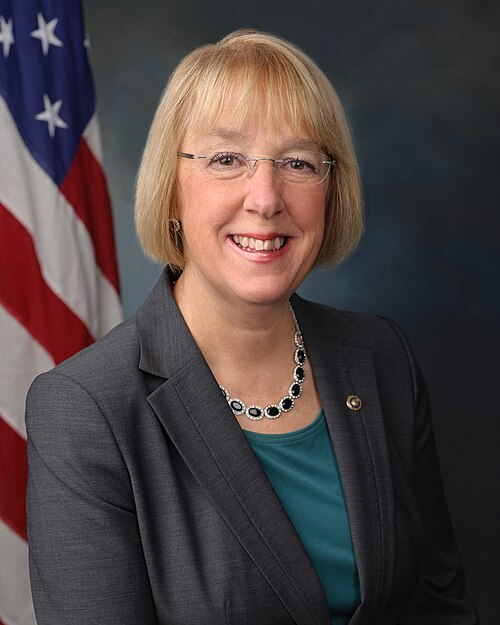
Co-Sponsor
-
TrackAlex Padilla
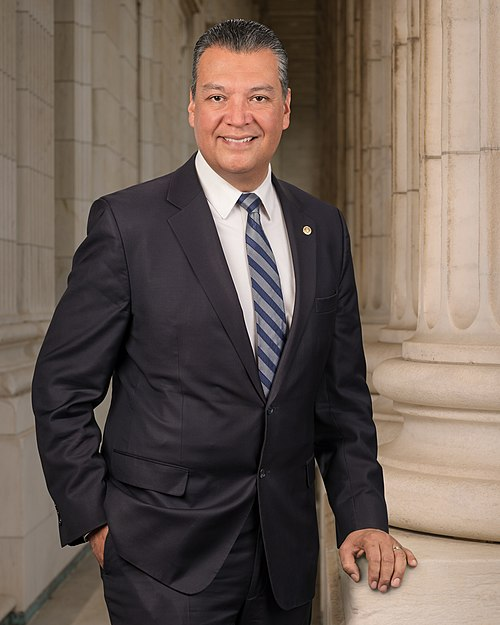
Co-Sponsor
-
TrackGary C. Peters
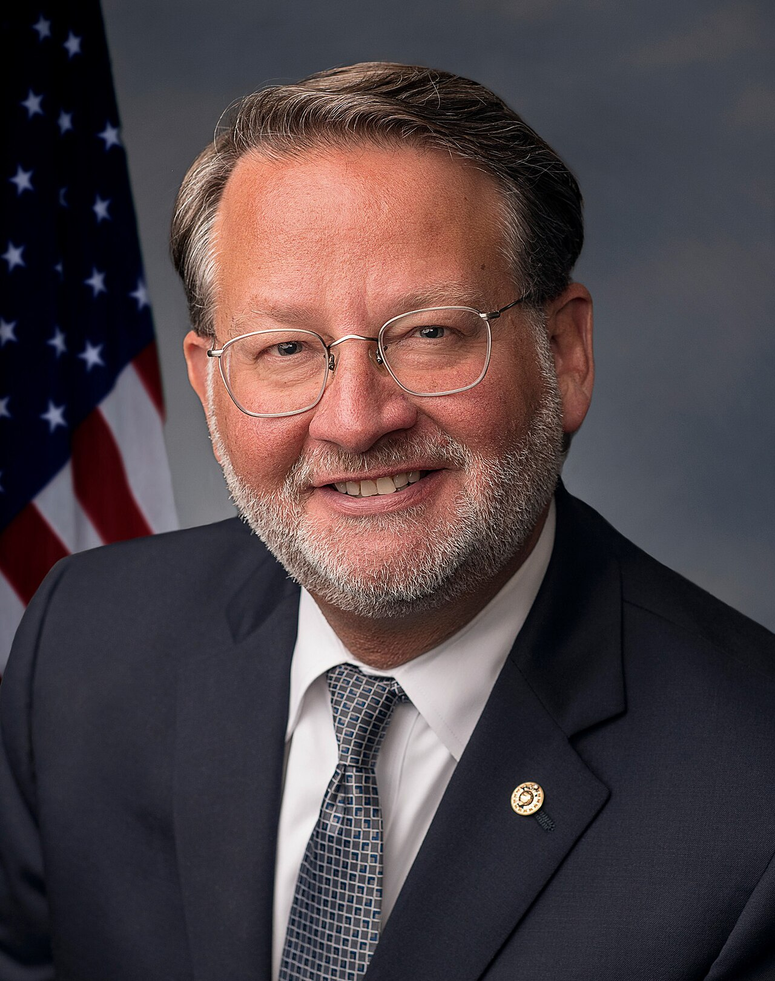
Co-Sponsor
-
TrackCharles E. Schumer
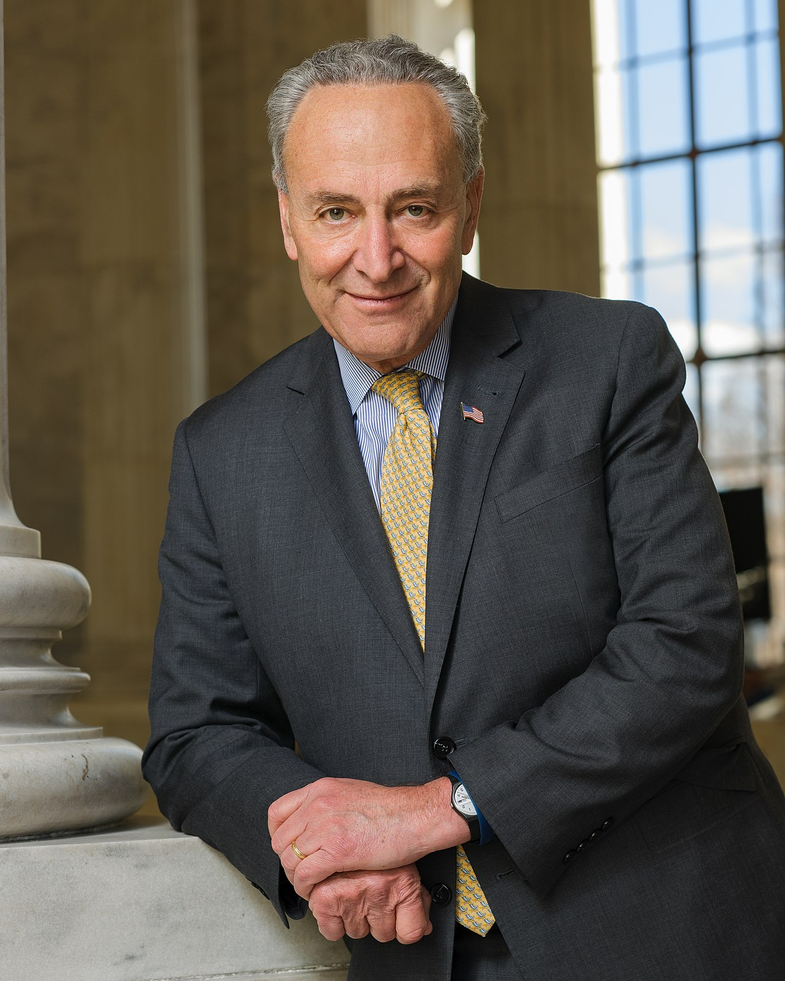
Co-Sponsor
-
TrackTina Smith
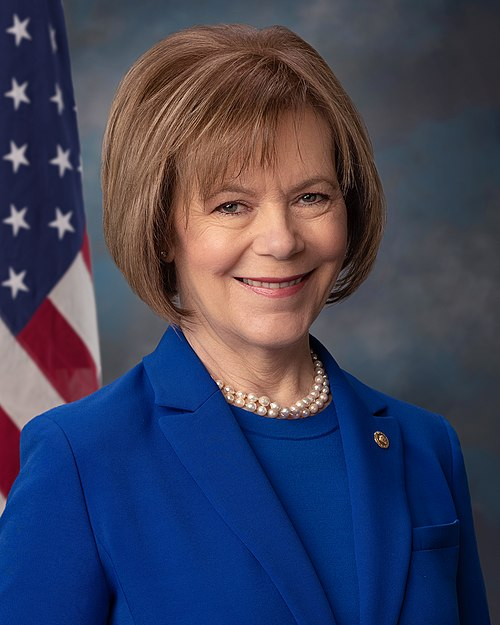
Co-Sponsor
-
TrackRaphael G. Warnock
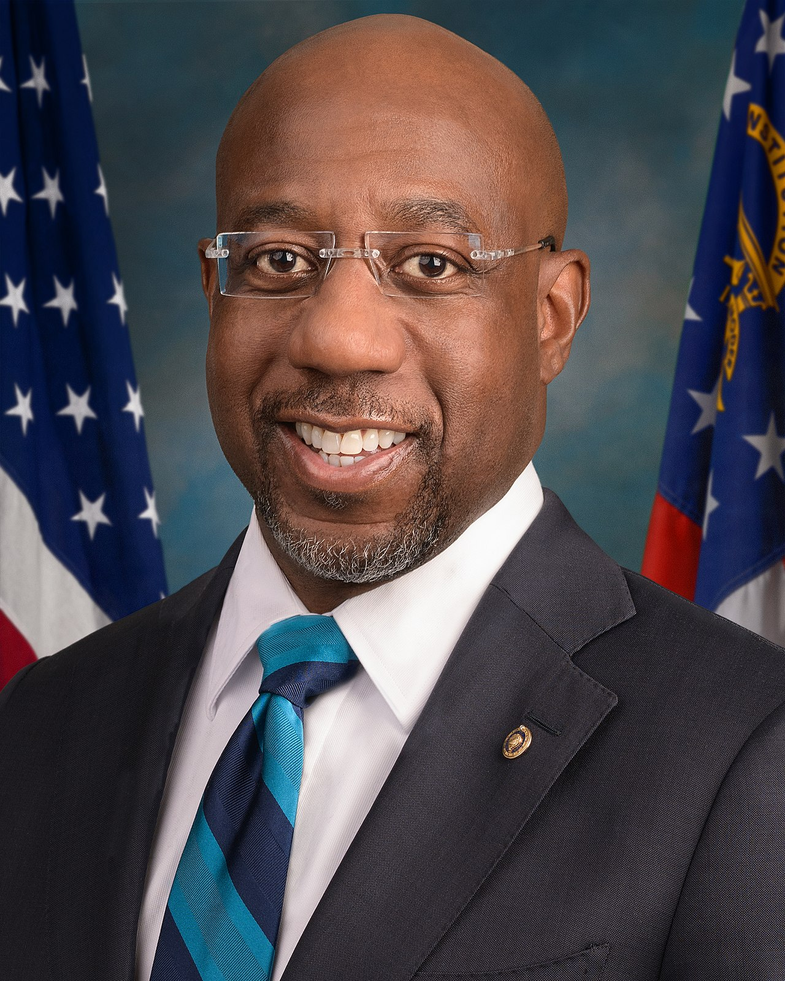
Co-Sponsor
-
TrackElizabeth Warren
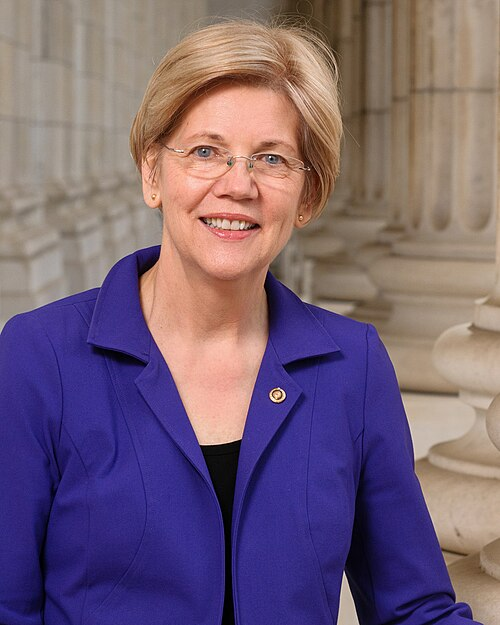
Co-Sponsor
-
TrackPeter Welch
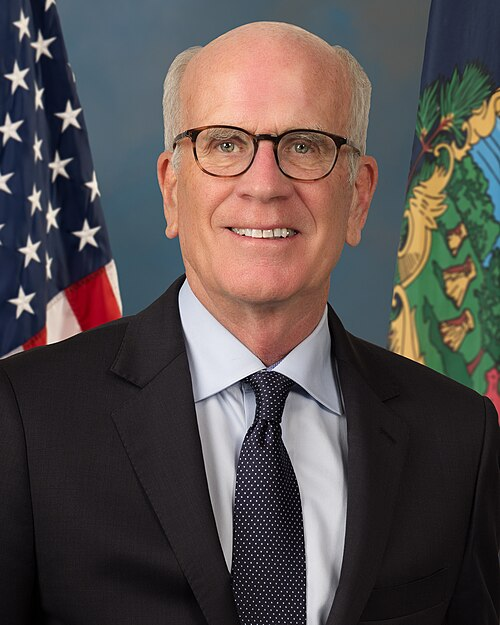
Co-Sponsor
-
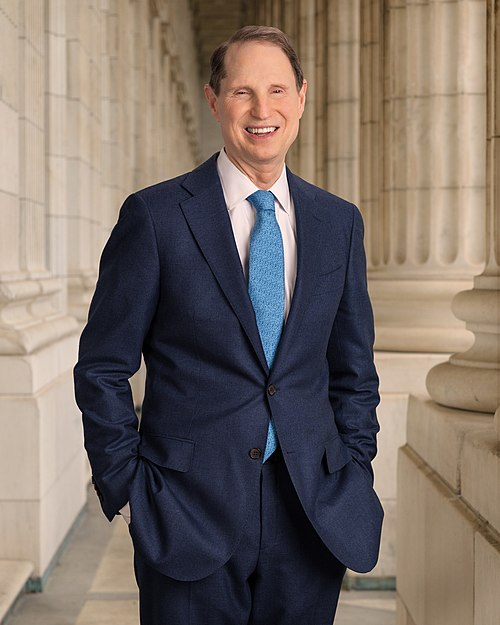
TrackRon Wyden
Co-Sponsor
Actions
2 actions
| Date | Action |
|---|---|
| Jul. 16, 2026 | Introduced in Senate |
| Jul. 16, 2026 | Read twice and referred to the Committee on Finance. |
Corporate Lobbying
0 companies lobbying
None found.
* Note that there can be significant delays in lobbying disclosures, and our data may be incomplete.
Potentially Relevant Congressional Stock Trades
No relevant congressional stock trades found.